

China FCL Port to Port to Norway: A Complete Shipping Guide
Navigating the complexities of China FCL port to port to Norway shipping requires a strategic approach to global logistics. Top China Forwarder provides comprehensive solutions for businesses looking to streamline their supply chain between these two critical regions. By choosing full container loads, importers can maximize efficiency and minimize the risks associated with cargo handling during transit.
Why Choose China FCL Port to Port to Norway for Your Business?
Shipping via full container load offers unparalleled security for high-value or high-volume goods moving from East Asia to Scandinavia. Specifically, when you utilize China FCL port to port to Norway services, your cargo remains sealed within a single container from the origin port until it reaches the destination terminal. This method significantly reduces the likelihood of damage compared to less-than-container load options where multiple shipments share space.
Moreover, FCL shipping is often more cost-effective for businesses moving more than 15 cubic meters of goods. Consequently, companies can benefit from lower per-unit shipping costs by optimizing the use of 20GP or 40HQ containers. Indeed, the predictability of FCL schedules allows for better inventory management and more reliable production timelines.
Additionally, the port-to-port model provides experienced importers with greater control over their local trucking and warehousing arrangements. Meanwhile, businesses can leverage sea freight to move heavy machinery, electronics, and consumer goods across the vast distance between China and Norway. This strategic choice supports long-term growth by stabilizing logistics expenses.
Key Logistics Hubs: Major Ports in China and Norway
Selecting the right departure and arrival points is crucial for optimizing your transit time and overall logistics budget. China boasts some of the world’s most efficient ports, including Shanghai, Ningbo-Zhoushan, and Shenzhen, which handle thousands of TEUs daily. Choosing a port near your manufacturer can drastically reduce domestic drayage costs and simplify the initial stages of the journey.
On the Norwegian side, the Port of Oslo serves as the primary gateway for the majority of the country’s imports. However, for shipments destined for the western coast, the Port of Bergen offers excellent facilities and connectivity to local markets. Furthermore, Stavanger and Kristiansand provide vital entry points for the energy and industrial sectors respectively.
Consequently, understanding the regional infrastructure in both countries helps in selecting the most efficient route. For instance, a shipment from Qingdao to Oslo might follow a different vessel rotation than one originating from Guangzhou. Therefore, coordinating with a knowledgeable forwarder ensures your container is placed on the most direct service available.
How Does FCL Compare to Other Shipping Options?
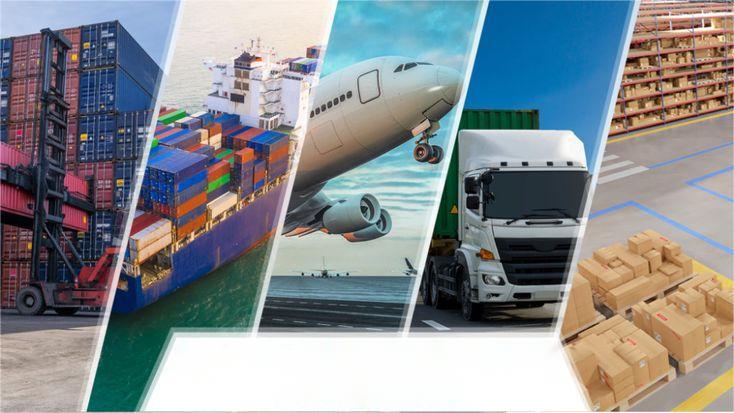
While China FCL port to port to Norway is a dominant method, businesses must evaluate it against alternatives like air and rail. Each mode offers distinct advantages depending on the urgency of the shipment and the total budget. For example, air freight is significantly faster but comes with a much higher price tag.
Alternatively, rail freight via the Iron Silk Road has emerged as a middle-ground solution for some European destinations. Nevertheless, for Norway, rail often involves transshipment through Central Europe or Germany, which can add complexity. Sea freight remains the most economical choice for bulky or heavy items that do not require immediate delivery.
In contrast, FCL provides a dedicated space that LCL cannot match, ensuring that your goods are not handled multiple times at consolidation warehouses. This reduction in handling is vital for fragile items or sensitive electronics. Without a doubt, sea freight continues to be the backbone of trade between China and the Nordic region.
| Shipping Method | Cost Range | Transit Time | Best For |
|---|---|---|---|
| Sea Freight (FCL) | $2,200 – $4,500 | 35-45 Days | Bulk goods, heavy items |
| Air Freight | $5.00 – $9.00/kg | 5-8 Days | High-value, urgent |
| Rail Freight | $3,500 – $5,500 | 22-28 Days | Time-sensitive cargo |
| Sea-Air Hybrid | $3.50 – $6.00/kg | 15-20 Days | Balanced cost/speed |
Which Option Should You Choose? (Decision Framework)
Determining the best shipping strategy requires a clear assessment of your business priorities and cargo requirements. If your primary goal is budget optimization, sea freight is the clear winner for large volumes. However, if you are facing a stock-out situation, the speed of air transport may justify the additional expense.
Volume thresholds also play a significant role in this decision-making process. For shipments exceeding 15 cubic meters, a 20GP container usually becomes more economical than paying LCL rates. On the other hand, if your cargo fills more than 30 cubic meters, upgrading to a 40HQ container offers the best value per cubic meter.
Cargo type considerations are equally important when planning your China FCL port to port to Norway route. Hazardous materials or oversized equipment might require specialized containers like flat racks or open tops. Always consult with a customs brokerage expert to ensure your goods meet Norwegian safety and environmental standards.
Understanding the Cost Breakdown for FCL Shipments
Total shipping costs are comprised of several components beyond the basic ocean freight rate. These include Terminal Handling Charges (THC) at both origin and destination ports, documentation fees, and security surcharges. Furthermore, bunker adjustment factors (BAF) may fluctuate based on global fuel prices, impacting the final invoice.
As of early 2025, rates have stabilized but remain sensitive to seasonal demand and geopolitical events. Typically, prices increase during the peak season from August to October as retailers prepare for the winter holidays. Therefore, booking several weeks in advance can help secure better rates and guaranteed space on vessels.
Note: Freight rates are subject to change based on fuel costs, carrier capacity, and seasonal demand. Contact us for a current quote tailored to your specific shipment.
| Container Type | Capacity (CBM) | Estimated Cost | Typical Usage |
|---|---|---|---|
| 20GP Container | 33 CBM | $2,100 – $2,800 | Heavy machinery, tiles |
| 40GP Container | 67 CBM | $3,200 – $3,900 | Furniture, textiles |
| 40HQ Container | 76 CBM | $3,500 – $4,300 | Lightweight electronics |
Essential Documentation for Norwegian Customs Clearance
Importing goods into Norway requires precise documentation to avoid delays at the Port of Oslo or other entry points. The Bill of Lading (B/L) serves as the most critical document, acting as a contract of carriage and a title to the goods. Additionally, a detailed Commercial Invoice and Packing List are mandatory for the customs valuation process.
Norway is not a member of the European Union but is part of the European Economic Area (EEA). Consequently, while many rules align with Europe, specific Norwegian regulations regarding environmental taxes and product safety must be observed. For instance, certain electronic products require CE marking and documentation of compliance with RoHS standards.
Moreover, providing a Certificate of Origin may help in applying for preferential tariff treatments if applicable. Indeed, errors in paperwork are the leading cause of port congestion and demurrage charges. Accordingly, double-checking all harmonized system (HS) codes before the vessel departs China is a best practice for all importers.
Real-World Case Studies: China to Norway FCL Success
Case Study 1: Electronics Distribution. Route: Shenzhen, China to Oslo, Norway. Cargo: Consumer electronics, 68 CBM, 12,000 kg. Container: 40HQ. Shipping Details: Major carrier, direct route via Suez Canal. Cost Breakdown: Ocean Freight $3,850, Origin Charges $450, Destination Charges $600, Total Landed Cost $4,900. Timeline: 39 days. Key Insight: Early booking during the Q3 peak season saved the client 15% compared to spot market rates.
Case Study 2: Industrial Equipment. Route: Ningbo, China to Bergen, Norway. Cargo: Precision machinery, 28 CBM, 18,500 kg. Container: 20GP. Shipping Details: Transshipment via Rotterdam. Cost Breakdown: Ocean Freight $2,400, Origin Charges $400, Destination Charges $550, Total Landed Cost $3,350. Timeline: 44 days. Key Insight: Using a 20GP for heavy cargo optimized the weight distribution and reduced local transport costs in Norway.
Final Thoughts on Shipping to Norway
Successfully managing a China FCL port to port to Norway shipment requires attention to detail and a reliable logistics partner. By understanding the differences between container types and staying informed about market trends, you can significantly reduce your shipping overhead. Furthermore, proper documentation and port selection remain the foundation of a smooth import process.
Whether you are shipping electronics to Oslo or industrial components to Bergen, FCL remains the most efficient high-volume method. As global trade routes evolve in 2025, staying adaptable and proactive will help your business maintain a competitive edge. Trust in professional maritime solutions to bridge the gap between Chinese manufacturers and the Norwegian market.

Ready to streamline your logistics?
Streamline your international trade today with expert China FCL port to port to Norway shipping services. Our team at Top China Forwarder is ready to provide you with a competitive quote and a customized logistics plan that fits your schedule. Visit our website to request a freight consultation and ensure your cargo reaches Norway safely and on time. Send Inquiry
Request Quote