

China FCL Port to Port to Georgia: 2025 Logistics Guide
Shipping industrial goods or commercial cargo from China to the Caucasus region requires a strategic approach to ocean logistics. Partnering with a Top China Forwarder ensures your China FCL port to port to Georgia shipments arrive safely while maintaining cost efficiency. This guide explores the essential components of full container load shipping to help you navigate the complexities of international trade between these two growing markets.
What is China FCL Port to Port to Georgia Shipping?
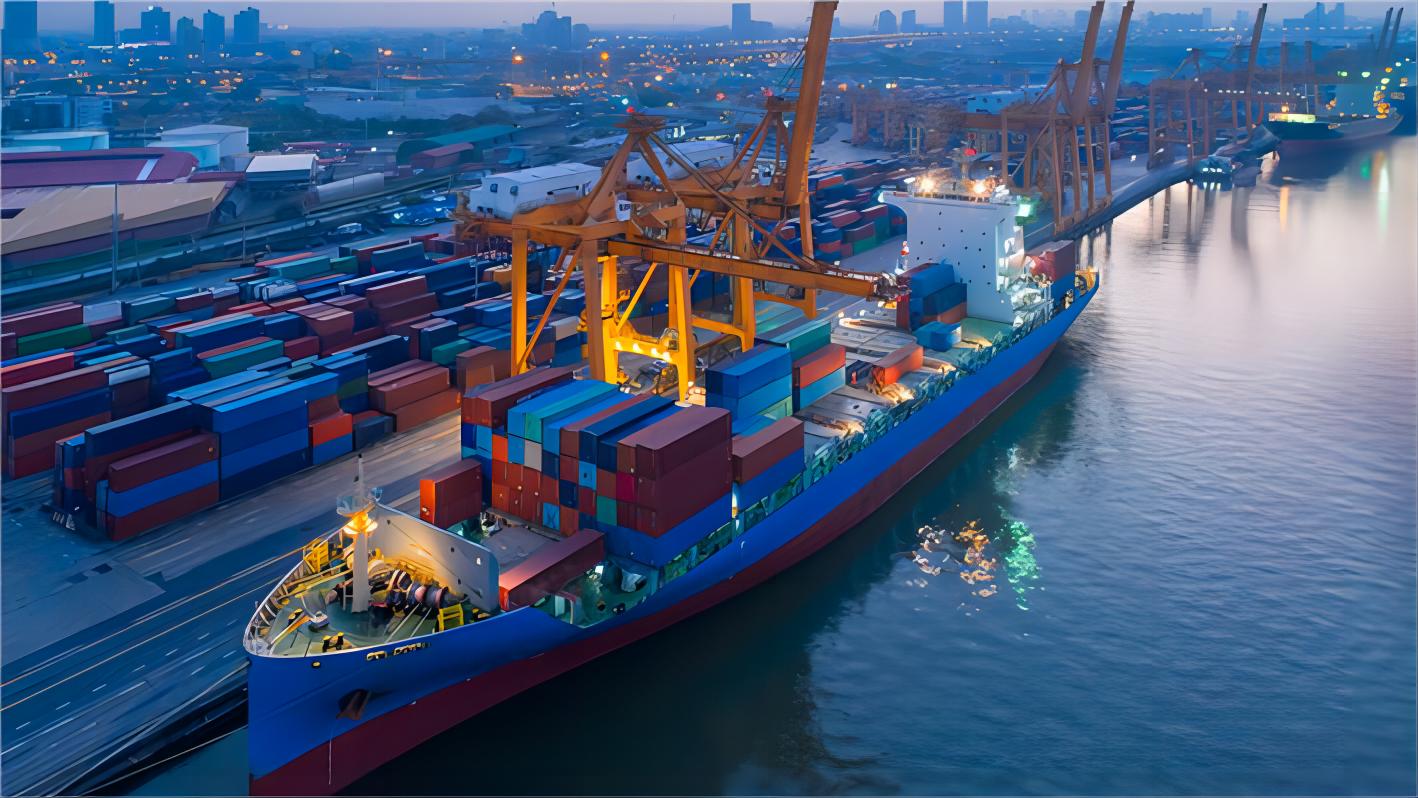
Full Container Load (FCL) shipping involves renting an entire container for your goods rather than sharing space with other importers. This method offers the highest level of security and control for high-volume shipments moving from major Chinese hubs to Georgian ports. Specifically, sea freight remains the most popular choice for businesses moving construction materials, electronics, and automotive parts.
Choosing FCL allows you to seal the container at the origin and only open it at the destination, which significantly reduces the risk of damage. Moreover, this shipping model simplifies the logistics chain by focusing on a direct port-to-port movement. Consequently, you can better predict your supply chain timelines and manage inventory levels with greater accuracy.
How Does FCL Compare to Other Shipping Options?
Importers often weigh the benefits of FCL against alternative methods like LCL or air transport. While FCL provides a dedicated space, air freight offers unmatched speed for urgent or high-value items. However, the cost difference is substantial, making FCL the preferred choice for bulk commodities that do not require overnight delivery.
Additionally, rail freight has emerged as a viable middle ground for the Middle Corridor route. Nevertheless, sea freight via the Suez Canal remains the primary artery for heavy industrial cargo due to its massive capacity. Shippers must evaluate their specific budget and timeline requirements before committing to a particular mode of transport.
| Shipping Method | Cost Range | Transit Time | Best For |
|---|---|---|---|
| FCL Sea Freight | $2,200 – $4,500 | 30-45 Days | Bulk Cargo & Stability |
| LCL Sea Freight | $60 – $120/CBM | 35-50 Days | Small Shipments |
| Air Freight | $4.50 – $8.50/kg | 5-8 Days | Urgent Samples |
| Rail Freight | $3,500 – $6,000 | 18-25 Days | Time-Sensitive Bulk |

Major Ports for China FCL Port to Port to Georgia
China hosts several of the world’s busiest ports, including Shanghai, Ningbo-Zhoushan, and Shenzhen. These facilities offer frequent departures and competitive rates for FCL containers destined for the Black Sea. Furthermore, the efficiency of these ports ensures that the initial leg of your journey begins without unnecessary delays.
Georgia primarily relies on two major gateways: the Port of Poti and the Port of Batumi. Poti serves as the central logistics hub for the country and provides extensive connections to the hinterland and neighboring nations. Meanwhile, Batumi offers specialized facilities for liquid bulk and specific containerized cargo, providing flexibility for diverse import needs.
Understanding Shipping Costs and Market Trends
Freight rates for a China FCL port to port to Georgia shipment fluctuate based on seasonal demand and global economic conditions. As of early 2025, market data suggests that rates have stabilized following previous disruptions in global shipping lanes. However, shippers should still account for bunker adjustment factors and peak season surcharges during the late summer months.
Moreover, the size of the container significantly impacts the total landed cost. A 40HQ container often provides better value per cubic meter than a 20GP container for lightweight but bulky items. Therefore, calculating the volumetric weight and total volume of your cargo is essential before booking your space with a carrier.
| Container Type | Average Rate 2024 | Average Rate 2025 | Capacity (CBM) |
|---|---|---|---|
| 20GP Container | $2,100 | $2,350 | 33 CBM |
| 40GP Container | $3,400 | $3,800 | 67 CBM |
| 40HQ Container | $3,600 | $4,100 | 76 CBM |
Which Option Should You Choose for Your Cargo?
Determining the right shipping strategy depends on your specific business priorities and cargo characteristics. If your primary goal is budget optimization, FCL sea freight is almost always the superior choice for volumes exceeding 15 cubic meters. On the other hand, if you are launching a new product and need speed, a hybrid sea-air solution might be more appropriate.
Cargo type also plays a critical role in the decision-making process. For instance, heavy machinery is best suited for 20GP containers due to weight limits, while consumer electronics benefit from the volume of 40HQ units. To ensure a smooth transition through the supply chain, many importers utilize a customs brokerage to handle the complex legal requirements of Georgian import laws.

Realistic Case Studies: China to Georgia Routes
Case Study 1: Electronics from Shenzhen to Poti. A technology firm shipped a 40HQ container of consumer electronics via a major carrier. The ocean freight cost was $4,200 with origin charges of $450 and destination fees of $500. Total transit time from booking to discharge at Poti port was 38 days, including a brief transshipment in Istanbul.
Case Study 2: Industrial Parts from Ningbo to Batumi. A construction company utilized a 20GP container for heavy steel components. The sea transit took 42 days due to seasonal congestion, with a total landed cost of $3,100 excluding duties. This shipment highlighted the importance of early booking to secure space during the Q4 peak season.
Customs Documentation and Compliance in Georgia
Navigating the customs landscape in Georgia requires a thorough understanding of the local Revenue Service requirements. Essential documents include the Bill of Lading, Commercial Invoice, Packing List, and Certificate of Origin. Specifically, ensuring that all descriptions match the HS codes accurately will prevent costly delays at the port of discharge.
Furthermore, Georgia has several Free Industrial Zones (FIZ) that offer tax advantages for certain types of imports and manufacturing. Importers should consult with their logistics provider to see if their cargo qualifies for these benefits. For those seeking a hassle-free experience, a door to door service can manage the entire process from the Chinese factory to the Georgian warehouse.
Alternative Strategies and Hybrid Solutions
For shipments that require faster delivery than sea freight but lower costs than air, rail freight via the Middle Corridor is an excellent alternative. This route connects China to Georgia through Kazakhstan and across the Caspian Sea, often cutting transit time by 50 percent. While more expensive than FCL sea freight, it serves as a critical tool for maintaining lean inventory levels.
Another strategy involves transshipment through Mediterranean hubs like Piraeus or Istanbul. This approach can sometimes offer lower rates if direct vessels to Poti are overbooked or experiencing delays. Shippers must weigh the cost savings against the increased risk of handling and potential delays at the transshipment port.
Mastering Your China to Georgia Logistics
Successfully managing a China FCL port to port to Georgia shipment requires a combination of market knowledge, proper documentation, and reliable partnerships. By choosing the right container size and port of loading, you can significantly reduce your overhead costs and improve delivery reliability. Remember that freight rates are subject to change based on fuel costs and seasonal demand, so always request a current quote.
Indeed, the growing trade corridor between China and the Caucasus offers immense opportunities for businesses that can navigate the logistics landscape effectively. Whether you prioritize speed, cost, or security, the FCL model remains a cornerstone of successful import operations in the region. Start planning your next shipment with a professional forwarder to ensure excellence in every mile of the journey.
Ready to streamline your logistics?
Streamline your international trade today by securing a competitive quote for your next China FCL port to port to Georgia shipment. Our team provides transparent pricing and reliable schedules to help your business grow. Visit our inquiry page to get started with a customized logistics plan tailored to your specific needs. Send Inquiry: https://topchinaforwarder.com/contact/
Request Quote