

China FCL FOB shipping to New York: The 2025 Logistics Guide
Navigating the complexities of international trade requires a firm grasp of logistics, especially when managing China FCL FOB shipping to New York. Businesses often face challenges with fluctuating ocean freight rates and strict customs regulations at the Port of New York and New Jersey. Partnering with a reliable Top China Forwarder ensures your supply chain remains efficient and cost-effective. This guide provides a comprehensive breakdown of costs, transit times, and strategic alternatives for your East Coast shipments.
What is China FCL FOB shipping to New York?
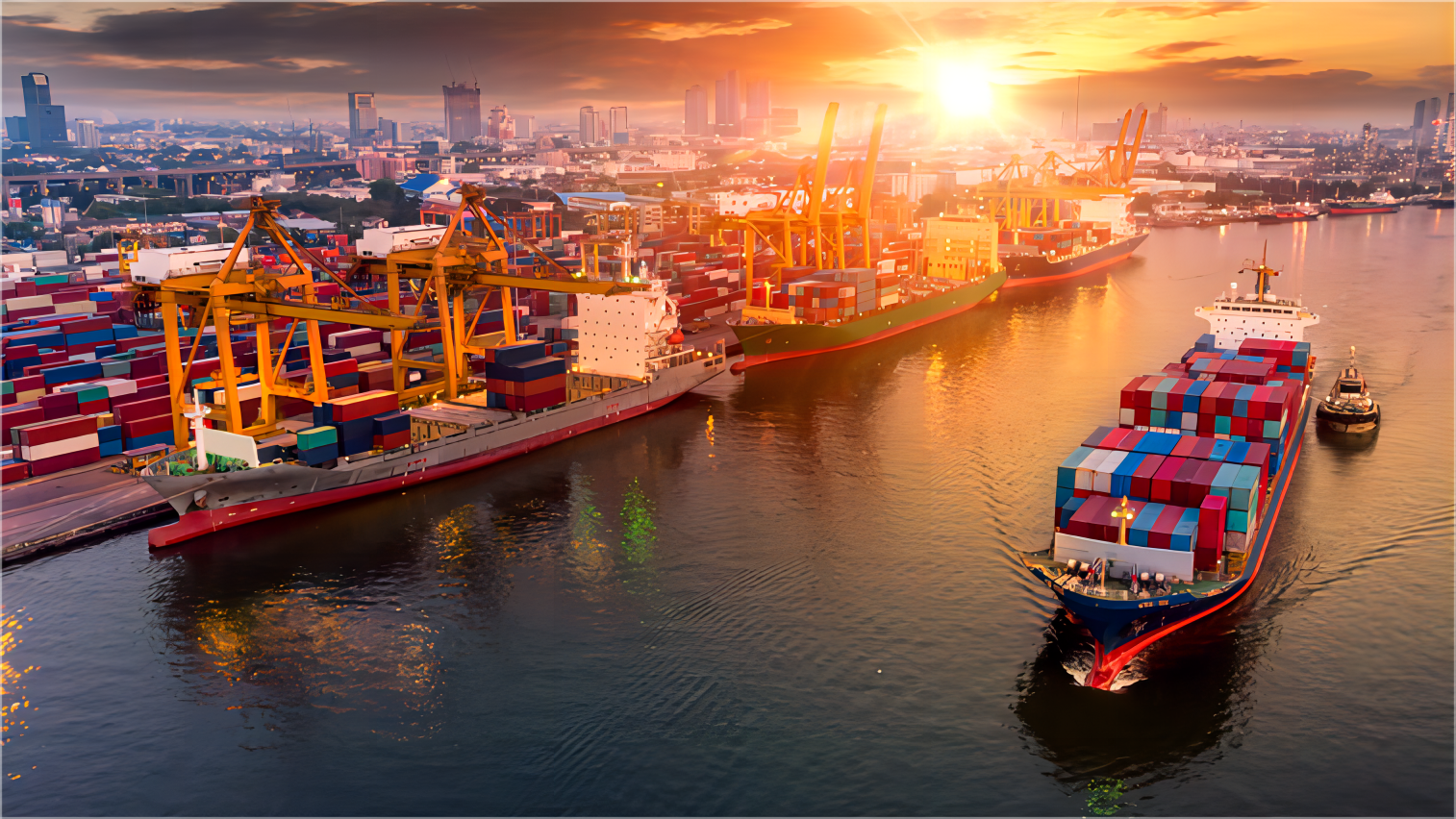
Understanding the specific terms of your shipping agreement is crucial for budgeting and risk management. FCL, or Full Container Load, means you have exclusive use of an entire shipping container for your goods. This method is typically safer and faster than sharing space because it reduces handling at transshipment points.
Furthermore, the FOB (Free on Board) incoterm specifies that the seller is responsible for the goods until they are loaded onto the vessel at the port of origin. Once the container crosses the ships rail in China, the buyer assumes all costs and risks for the journey to New York. This arrangement gives the buyer more control over the main transit and destination logistics.
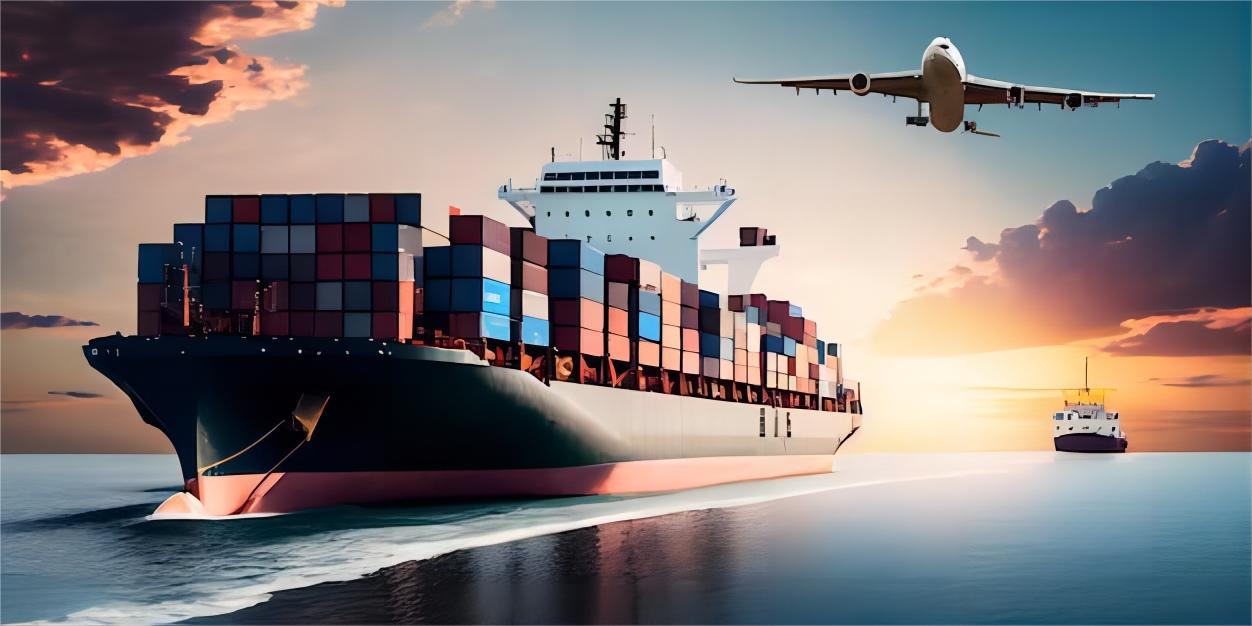
Consequently, many importers prefer this method to maintain transparency over their shipping expenses. You can choose your own carrier and negotiate rates directly or through a trusted agent. This control is vital when navigating the long route from Chinese ports to the United States East Coast.
Why China FCL FOB shipping to New York is the Best Choice for Large Volumes
Choosing sea freight for full containers offers the lowest cost per unit for high-volume shipments. When you fill a 20ft or 40ft container, you avoid the per-cubic-meter premiums associated with LCL shipments. This economy of scale is essential for maintaining competitive pricing in the New York market.
Moreover, FCL shipments are subject to fewer delays during the loading and unloading process. Since the container is sealed at the factory and only opened at the destination or by customs, the risk of damage or loss is significantly lower. This reliability is a major advantage for high-value electronics or fragile consumer goods.
In addition, the Port of New York and New Jersey is well-equipped to handle massive FCL volumes efficiently. The infrastructure supports rapid drayage to warehouses across the Tri-State area. Therefore, FCL remains the gold standard for consistent supply chain performance.
How Does China FCL FOB shipping to New York Compare to Other Shipping Options?
Evaluating alternative methods is necessary to ensure you are using the most efficient logistics strategy. While FCL is excellent for large volumes, air freight or LCL might be better for urgent or smaller loads. Each method has distinct trade-offs regarding speed, cost, and capacity.
Specifically, air freight provides the fastest transit but at a significantly higher price point. For most bulk commodities, the cost of air transport is prohibitive. However, for seasonal product launches or stockouts, it serves as a vital emergency solution.
Meanwhile, LCL shipping is useful when you have more than 1 CBM but less than 15 CBM of cargo. It allows you to pay only for the space you use. Nevertheless, the increased handling and consolidation time often lead to longer overall transit periods compared to FCL.
| Shipping Method | Cost Range | Transit Time | Best For |
|---|---|---|---|
| FCL Sea Freight | $3,500 – $6,500 | 30 – 40 Days | Bulk goods and large volumes |
| LCL Sea Freight | $50 – $150 per CBM | 35 – 45 Days | Shipments under 15 CBM |
| Air Freight | $5 – $12 per KG | 5 – 10 Days | Urgent or high-value items |
| Sea-Air Hybrid | Moderate | 18 – 25 Days | Balancing cost and speed |
Key Factors Influencing Ocean Freight Rates for New York Routes
Several variables dictate the final price you pay for China FCL FOB shipping to New York. Fuel surcharges, also known as Bunker Adjustment Factors (BAF), fluctuate based on global oil prices. Additionally, seasonal demand spikes during the Golden Week in October and the Lunar New Year in January or February.
Notably, the choice of route significantly impacts the price. Shipments through the Panama Canal are generally faster but may involve higher tolls. In contrast, routes around the Cape of Good Hope have become more common due to canal congestion or regional instability, though they add significant time and fuel costs.
Port congestion at both the origin and destination also plays a role in pricing. If the Port of New York and New Jersey experiences labor shortages or equipment scarcity, carriers may implement congestion surcharges. Staying informed about these trends helps in accurate budget forecasting.
| Container Type | Typical Rate (2025) | Capacity (CBM) | Max Weight (KG) |
|---|---|---|---|
| 20ft Standard (GP) | $3,200 – $4,500 | 33 CBM | 28,000 KG |
| 40ft Standard (GP) | $4,800 – $6,200 | 67 CBM | 26,000 KG |
| 40ft High Cube (HQ) | $5,200 – $6,800 | 76 CBM | 26,000 KG |
Estimated Transit Times for China FCL FOB shipping to New York
Shipping to the East Coast of the United States takes considerably longer than shipping to the West Coast. On average, you should expect a transit time of 30 to 40 days for port-to-port delivery. This duration includes the time spent at sea and the necessary stops at intermediate ports.
Furthermore, the specific port of loading in China affects the schedule. Shipments from northern ports like Qingdao or Tianjin may take a few days longer than those from southern hubs like Shenzhen or Guangzhou. Direct services are available but often command a premium price.
As a result, planning your inventory cycles at least two months in advance is highly recommended. Factoring in potential delays for weather or customs inspections ensures your products arrive when needed. Consistency in your shipping schedule helps maintain a healthy supply chain.
| China Port | Transit to NY | Service Type | Frequency |
|---|---|---|---|
| Shanghai | 32 – 35 Days | Direct / Canal | Daily |
| Shenzhen | 30 – 34 Days | Direct | Multiple weekly |
| Ningbo | 33 – 36 Days | Transshipment | Weekly |
| Qingdao | 38 – 42 Days | Transshipment | Weekly |
Essential Shipping Documents for USA Import Customs
Proper documentation is the backbone of successful international logistics. For every China FCL FOB shipping to New York, you must provide a Bill of Lading, a Commercial Invoice, and a Packing List. These documents verify the ownership, value, and contents of the shipment.
Additionally, the Importer Security Filing (ISF), also known as 10+2, must be filed at least 24 hours before the vessel departs from China. Failure to submit this on time can result in heavy fines from US Customs and Border Protection. Engaging a professional customs brokerage service is the best way to avoid these penalties.
Indeed, specific products may require extra certifications, such as FDA approval for food-related items or FCC compliance for electronics. Ensuring all paperwork is accurate prevents costly storage fees at the New York terminals. Accuracy at the start of the process saves significant time at the destination.
Real-World Case Studies for Shipping to New York
Case Study 1: Furniture Import from Ningbo. A retailer imported three 40HQ containers of home furniture from Ningbo to New York. By choosing FCL FOB terms, they controlled the carrier selection and secured a rate of $5,400 per container. The total transit time was 34 days, and the goods arrived just in time for the spring sale season.
Case Study 2: Electronics from Shenzhen. A tech company shipped one 20GP container of specialized components. Using door to door logistics, they managed the transition from the Shenzhen port to their Brooklyn warehouse seamlessly. The ocean freight cost was $3,800, with a total door-to-door timeline of 42 days including customs clearance.
Key Insight: Both cases highlight the importance of early booking. During the peak season of Q3 2024, rates were approximately 20 percent higher than the early 2025 averages. Monitoring market trends allowed these businesses to optimize their landing costs effectively.
Which Option Should You Choose?
Deciding on the best shipping method depends on your specific business priorities. If your primary goal is cost reduction for large volumes, China FCL FOB shipping to New York is almost always the superior choice. This is especially true for shipments exceeding 15 cubic meters.
On the other hand, if you are shipping to North America with a tight deadline, you might consider a hybrid sea-air solution. This approach involves shipping by sea to the West Coast and then by air or truck to New York. While more expensive, it can shave 10 to 15 days off the total transit time.
Ultimately, the nature of your cargo should dictate your strategy. Perishable or high-fashion items often justify the cost of air freight. For standard consumer goods, building a robust FCL sea freight schedule remains the most sustainable long-term strategy.
Conclusion
Mastering China FCL FOB shipping to New York is a vital skill for any importer looking to dominate the East Coast market. By understanding the nuances of FOB terms and FCL benefits, you can significantly reduce your logistics overhead. Transitioning to a more controlled shipping model allows for better inventory management and higher profit margins.
Furthermore, staying updated on current market rates and transit times ensures you are never caught off guard by seasonal fluctuations. Remember to prioritize accurate documentation and early booking to avoid common pitfalls at the New York terminals. With the right strategy and a reliable forwarder, your international shipping process can become a major competitive advantage.

Ready to streamline your logistics?
Streamline your supply chain today by requesting a custom quote for your China FCL FOB shipping to New York. Our experts are ready to help you navigate the complexities of international logistics and ensure your cargo reaches the Port of New York safely and on time. Visit our inquiry page to get started with a competitive freight rate and professional support.
Request Quote