

China Cargo Shipping Fast France: The Ultimate 2025 Logistics Guide
International trade between Asia and Europe requires a sophisticated logistics strategy to maintain a competitive edge. By partnering with a Top China Forwarder, businesses can ensure their supply chain remains resilient and cost-effective. Navigating China cargo shipping fast France options involves understanding the balance between speed, cost, and reliability for your specific goods.
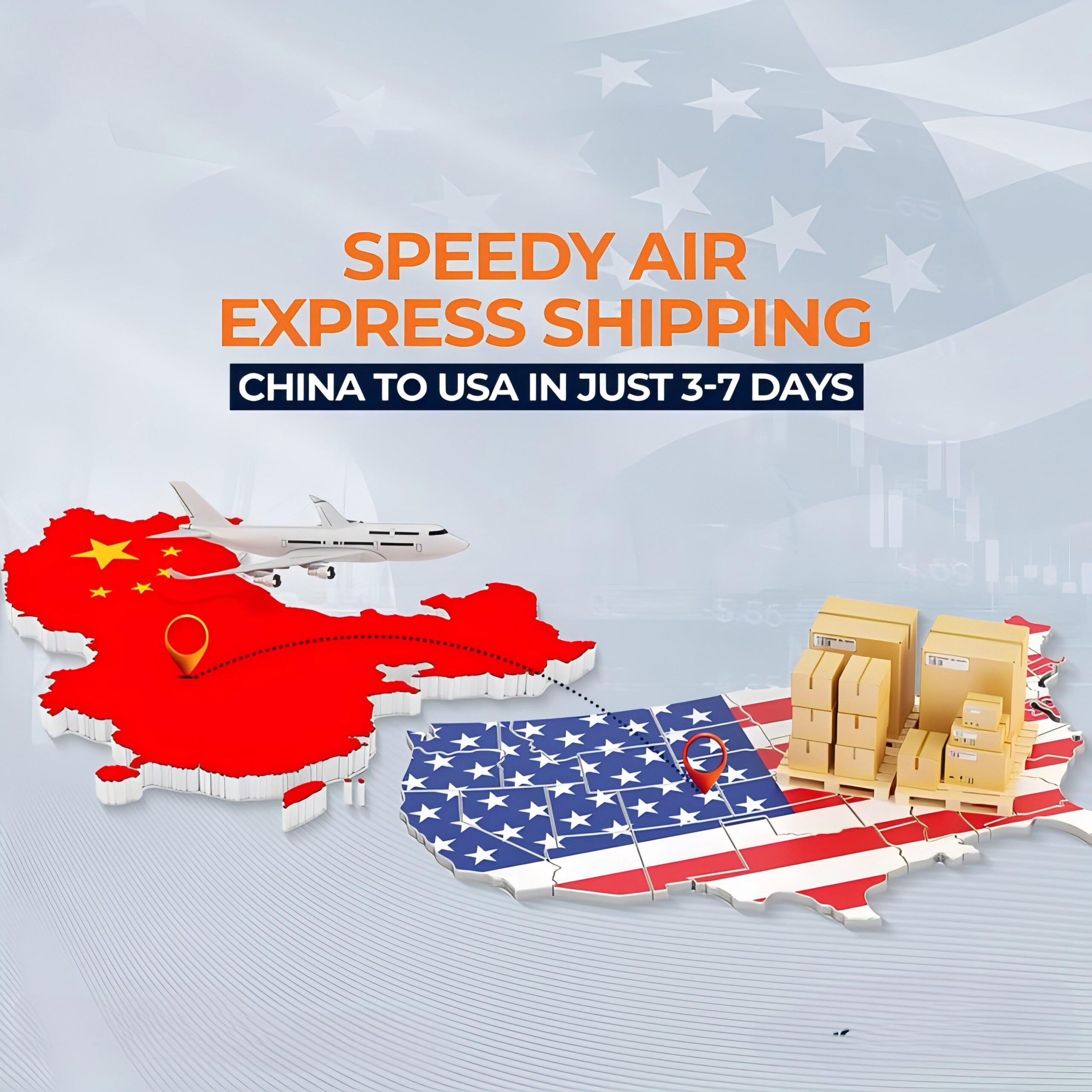
What Are the Most Efficient Methods for China Cargo Shipping Fast France?
Choosing the right transport mode is the first step in optimizing your transit times. For most businesses, the decision rests on how quickly the inventory needs to reach the French market. Consequently, the logistics landscape offers three primary routes: air, rail, and sea.
Air transport remains the undisputed leader for urgent deliveries. Meanwhile, rail freight has emerged as a middle-ground solution that balances speed and expenditure. Specifically, shipping to Europe has seen significant infrastructure improvements over the last decade.
Moreover, sea freight continues to handle the largest volumes of trade. While it is generally slower, express ocean services now offer faster transit times than traditional routes. Therefore, selecting the right method requires a thorough analysis of your cargo’s weight and value.
Why Is Air Freight the Premium Choice for Speed?
When time is the most critical factor, air freight provides the fastest connection between Chinese manufacturing hubs and French airports. Most shipments from major cities like Shenzhen or Shanghai reach Paris Charles de Gaulle within a few days. Indeed, this method is ideal for high-value electronics, fashion items, and perishable goods.
Additionally, businesses often utilize express service for smaller parcels that require door-to-door delivery. These services typically bypass many of the traditional warehousing delays associated with larger cargo loads. As a result, your products can move from the factory floor to the customer’s doorstep in less than a week.
Furthermore, air transport offers enhanced security and lower risk of damage. Because the transit time is shorter, there is less handling involved throughout the journey. Consequently, insurance premiums for air shipments are often lower than those for sea freight.
| Origin City | Destination Airport | Service Type | Transit Time |
|---|---|---|---|
| Shenzhen | Paris (CDG) | Direct Flight | 1-3 Days |
| Shanghai | Lyon (LYS) | Economic Air | 5-7 Days |
| Beijing | Marseille (MRS) | Standard Air | 4-6 Days |
| Guangzhou | Paris (ORY) | Express | 2-4 Days |
How Does Rail Freight Compare to Other Shipping Options?
The New Silk Road has revolutionized how goods move across the Eurasian continent. Using rail freight allows importers to receive goods much faster than sea freight while paying significantly less than air freight. This hybrid approach has become increasingly popular for automotive parts and industrial machinery.
Notably, rail transit from hubs like Xi’an or Chengdu to terminals in France usually takes between 18 and 22 days. This timeline is approximately half the time of traditional sea routes. Furthermore, rail transport is considered more environmentally friendly than air or sea options.
However, rail freight is subject to geopolitical stability and track availability. During peak seasons, space on these trains can become limited, leading to potential delays. Nevertheless, for consistent mid-sized shipments, rail remains a highly strategic choice for French importers.
| Method | Cost Range (per kg/CBM) | Transit Time | Best For |
|---|---|---|---|
| Air Freight | $5.00 – $9.00 / kg | 3-7 Days | Urgent/High Value |
| Rail Freight | $150 – $250 / CBM | 18-25 Days | Heavy Goods/Mid-Speed |
| Sea Freight | $80 – $150 / CBM | 35-45 Days | Bulk/Low Cost |
| Express | $8.00 – $15.00 / kg | 2-5 Days | Small Samples |
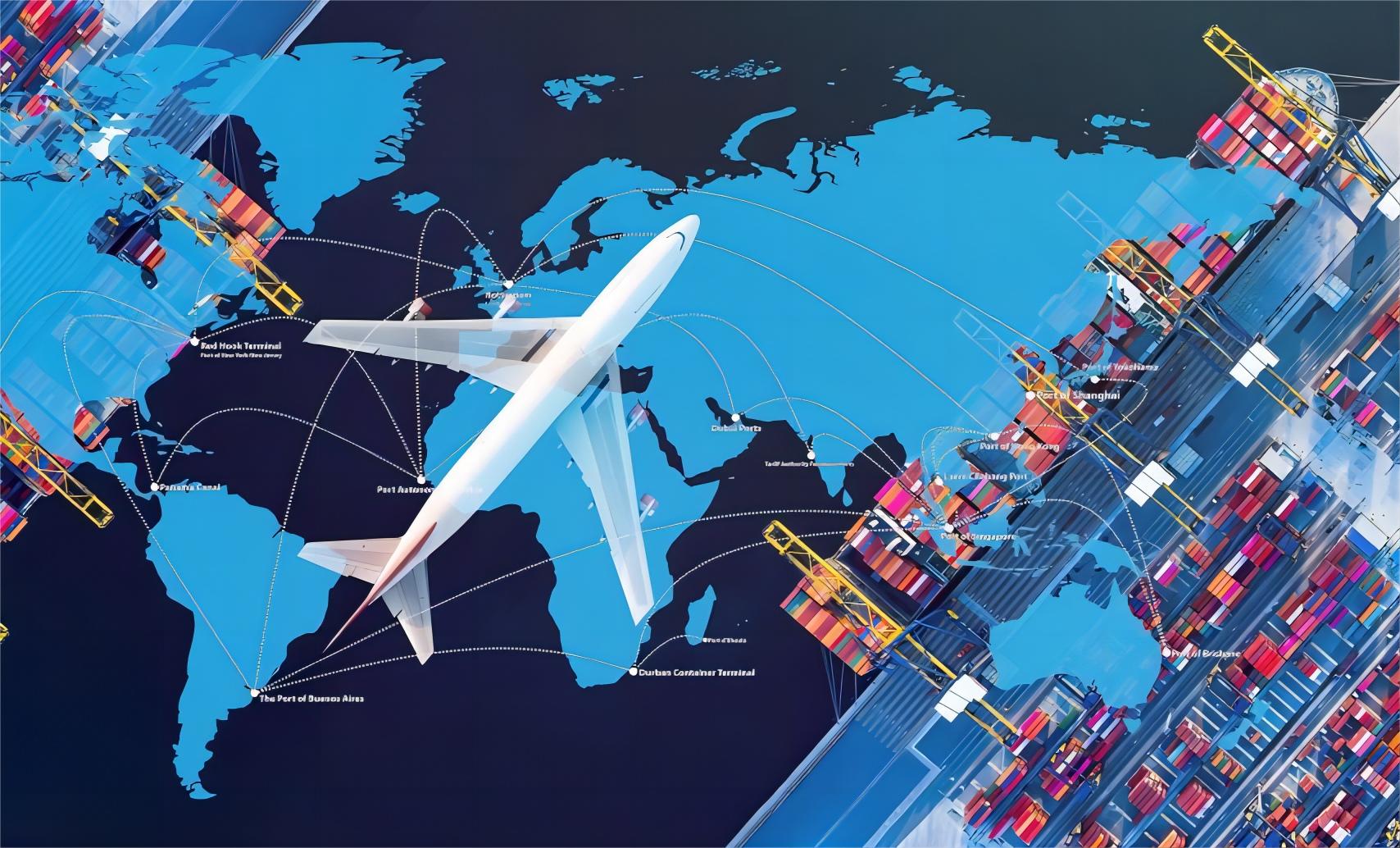
Can Sea Freight Ever Be Considered Fast?
While sea freight is traditionally slow, certain carriers offer expedited services that reduce transit times. These fast vessels prioritize unloading at French ports like Le Havre or Marseille. Consequently, some express sea routes can deliver goods in approximately 30 days.
In addition, choosing between Full Container Load (FCL) and Less than Container Load (LCL) affects speed. FCL shipments usually move faster because they do not require consolidation or deconsolidation at the port. Therefore, if you have enough volume to fill a 20GP or 40HQ container, FCL is the superior choice for speed.
On the other hand, LCL is more economical for smaller volumes but adds several days to the schedule. This delay occurs because the forwarder must wait to fill the container with other shippers’ goods. Accordingly, businesses must weigh the cost savings against the extended delivery window.
What Customs Documents Are Required for France?
Navigating the bureaucracy of European customs is essential for maintaining a fast shipping schedule. Utilizing a professional customs brokerage service can prevent your cargo from being held at the border. Incorrect paperwork is the leading cause of unexpected delays in international logistics.
Specifically, you will need a Commercial Invoice, a Detailed Packing List, and a Bill of Lading. Furthermore, French authorities require an EORI number for all commercial imports. Without this identification, your goods cannot be cleared for entry into the European Union.
Moreover, certain products may require a Certificate of Origin or specific CE marking documentation. Ensuring all labels comply with French regulations before the goods leave China is vital. Consequently, proactive preparation saves both time and money during the final stages of delivery.
| Document Name | Purpose | Required By | Typical Format |
|---|---|---|---|
| Commercial Invoice | Value Declaration | Customs | Digital/Paper |
| Packing List | Cargo Verification | Warehouse/Customs | Digital/Paper |
| EORI Number | Importer ID | EU Authorities | Registration Code |
| Bill of Lading | Title of Goods | Carrier/Bank | Original/Telex |
Which Option Should You Choose for Your Business?
Determining the best strategy requires a clear understanding of your priorities. If your primary goal is speed to market for a new product launch, air freight is the only viable option. Conversely, if you are managing a steady flow of inventory where cost is the main driver, sea freight is better.
For shipments that fall in the middle, rail freight provides an excellent compromise. It allows you to maintain lower inventory levels than sea freight without the high costs of air transport. Additionally, door to door services can simplify the entire process by handling every leg of the journey.
Ultimately, the volume of your cargo often dictates the most logical choice. Small shipments under 100kg are almost always best handled via express courier. Meanwhile, shipments over 500kg or 3 CBM should be evaluated for rail or sea freight based on the urgency of the arrival date.

Real-World Case Studies for France Shipping
Case Study 1: Electronics from Shenzhen to Paris. Cargo: High-end tablets, 450 kg. Method: Air Freight. Cost: $3,200. Transit Time: 4 days. Key Insight: Direct air freight avoided the peak season congestion at transit hubs, ensuring the product launch stayed on schedule.
Case Study 2: Furniture from Ningbo to Le Havre. Cargo: Home office sets, 28 CBM (1x20GP). Method: Sea Freight. Cost: $2,150. Transit Time: 38 days. Key Insight: Booking FCL instead of LCL saved 6 days in total transit time by avoiding the deconsolidation process at the destination port.
Case Study 3: Industrial Parts from Chengdu to Lyon. Cargo: CNC machinery components, 5 CBM. Method: Rail Freight. Cost: $1,250. Transit Time: 21 days. Key Insight: Rail provided a 50% cost saving compared to air freight while arriving 15 days faster than the sea freight alternative.
How to Calculate and Reduce Your Total Shipping Costs?
Total landed cost includes more than just the freight rate from the carrier. You must also account for port charges, local delivery fees, and import duties. Therefore, requesting an all-in quote from your forwarder is the best way to avoid hidden expenses.
In addition, optimizing your packaging can lead to significant savings. Since air and rail freight use volumetric weight calculations, reducing the size of your boxes can lower your bill. Furthermore, consolidating multiple small orders into one larger shipment can reduce the per-unit cost of customs clearance.
Finally, staying informed about market trends is crucial for timing your shipments. Rates typically fluctuate based on fuel prices and seasonal demand, such as the period before the Lunar New Year. Accordingly, planning your shipments several weeks in advance allows you to lock in better rates.
Final Thoughts on Fast Shipping to France
Mastering the logistics of China cargo shipping fast France is a vital component of successful international trade. Whether you prioritize the rapid delivery of air freight or the cost-efficiency of sea transport, understanding your options is key. By selecting the right partner and the most appropriate shipping method, you can ensure your goods arrive safely and on time.
Remember that the cheapest option is not always the most cost-effective if it results in stockouts or unhappy customers. Balance your budget with your timeline to find the optimal shipping strategy for 2025. With the right planning and professional support, your China to France logistics can become a major competitive advantage.
Ready to streamline your logistics?
Streamline your supply chain today with our expert logistics solutions. Contact us to receive a personalized quote for your next China cargo shipping fast France requirement. Let our team handle the complexities of international transport while you focus on growing your business. Visit our site to get started now.
Request Quote