

China Shipping Agent: The Ultimate Guide to Global Logistics in 2025
Navigating the complexities of international trade requires a reliable partner on the ground to manage your supply chain effectively. Partnering with a professional china shipping agent ensures that your goods move efficiently from the factory floor to your final destination. Consequently, businesses can focus on growth while experts manage the intricate details of logistics, documentation, and compliance.

What Does a China Shipping Agent Actually Do?
Managing the movement of goods across borders involves much more than just booking space on a vessel or aircraft. A dedicated agent acts as your local representative in China, coordinating with suppliers and local authorities to ensure a smooth transition. They handle the physical collection of cargo, verify the packaging quality, and consolidate multiple orders into single shipments to reduce costs.
Furthermore, these professionals manage the critical flow of information and paperwork that keeps the supply chain moving without delays. They serve as a bridge between the manufacturer and the carrier, ensuring that all technical specifications and shipping requirements are met precisely. By leveraging their local networks, they can often secure better rates and more reliable schedules than individual importers could find on their own.
Selecting the right partner means gaining access to specialized knowledge about local regulations and port operations in major hubs like Shanghai, Ningbo, or Shenzhen. This expertise is vital for avoiding common pitfalls such as incorrect tariff classifications or improper cargo labeling. Ultimately, an agent provides the visibility and control necessary to manage international logistics with complete confidence.
How Does Sea Freight Compare to Other Shipping Options?
Choosing the most appropriate transportation method is a fundamental decision that impacts both your budget and your delivery schedule. For many businesses, sea freight remains the most cost-effective solution for large volumes of goods. It offers the capacity to move massive quantities of cargo in standardized containers, making it ideal for bulk commodities or heavy machinery.
Alternatively, businesses with urgent requirements often turn to faster methods to maintain their inventory levels or meet strict deadlines. While ocean transport is economical, it typically involves longer transit times that may not suit every business model. Understanding the trade-offs between cost and speed is essential for maintaining a competitive edge in the global market.
Moreover, the choice between Full Container Load (FCL) and Less than Container Load (LCL) allows for further flexibility based on shipment size. FCL provides a dedicated container for your goods, offering better security and faster handling. In contrast, LCL allows multiple shippers to share space, which is perfect for smaller batches that do not require a full 20GP or 40HQ container.
| Shipping Method | Cost Range | Transit Time | Best For |
|---|---|---|---|
| Sea Freight | Low ($1,500 – $4,500) | 20 – 45 Days | Bulk & Large Cargo |
| Air Freight | High ($5 – $12 per kg) | 3 – 7 Days | Urgent & High Value |
| Rail Freight | Medium ($2,000 – $6,000) | 15 – 22 Days | Europe-bound Cargo |
| Express | Very High ($8 – $15 per kg) | 2 – 5 Days | Samples & Documents |
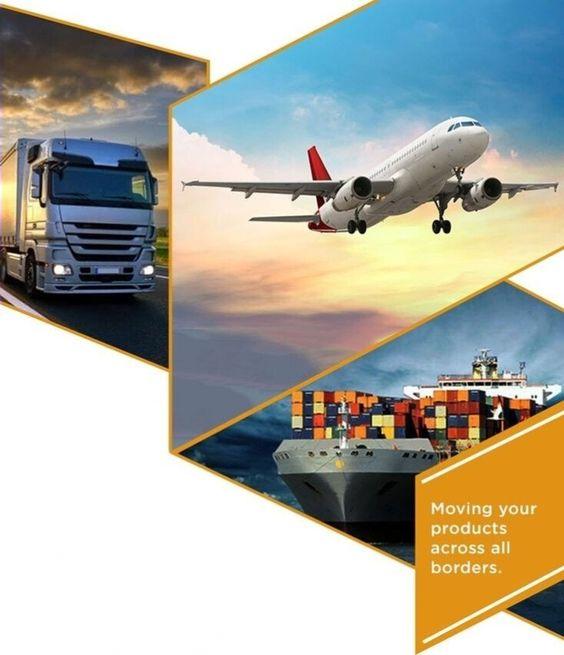
Key Advantages of Air Freight for Urgent Cargo
Speed is often the primary driver for companies that choose air freight for their international shipments. This method significantly reduces the time your capital is tied up in transit, allowing for faster inventory turnover and better cash flow. Consequently, it is the preferred choice for electronics, fashion items, and perishable goods that require immediate delivery.
Additionally, air transport offers enhanced security and a lower risk of damage compared to other modes of transportation. Airports maintain strict access controls and highly efficient handling procedures that minimize the chances of theft or mishandling. While the price per kilogram is higher, the savings on insurance premiums and reduced warehousing needs can often offset the initial expense.
Indeed, many modern supply chains rely on a hybrid approach that incorporates air transport for product launches or stock replenishments. This agility allows businesses to respond quickly to market trends or unexpected surges in consumer demand. By working with an experienced agent, you can secure space on major airlines even during the busy peak seasons when capacity is limited.
Exploring Rail Freight as a Middle-Ground Solution
Inland transport via the Silk Road has emerged as a compelling alternative for shipments traveling from China to Europe. rail freight provides a balanced solution that is faster than sea transport and significantly cheaper than air transport. It has become increasingly popular for automotive parts, industrial equipment, and consumer goods destined for landlocked regions.
Moreover, rail transport is considered more environmentally friendly than air freight, producing lower carbon emissions per ton of cargo. This makes it an attractive option for companies looking to improve their sustainability metrics without sacrificing too much speed. The stability of rail schedules also allows for more predictable planning compared to the volatility often seen in ocean shipping.
However, it is important to note that rail services are primarily designed for the Eurasia corridor and are not available for routes to Australia or North America. For businesses shipping to Europe, this method offers a reliable way to bypass port congestion and reduce transit times by up to two weeks. Proper planning with your agent ensures that your cargo is correctly routed through the major rail hubs like Chengdu or Xi’an.
Which Shipping Option Should You Choose?
Determining the best logistics strategy depends on several factors, including your total budget, the nature of your products, and your required delivery date. If your priority is minimizing costs and you have a flexible timeline, ocean transport is almost always the superior choice. This is especially true for large-scale imports where the volume justifies the use of full containers.
On the other hand, if you are dealing with time-sensitive contracts or high-value items, the speed and security of air transport are worth the premium. Smaller shipments under 100 kilograms are often best handled by express services, which provide simplified pricing and door-to-door convenience. For volumes between 100 and 500 kilograms, LCL sea freight or air freight are the most common competitors.
Significant savings can also be achieved by utilizing a china shipping agent to consolidate shipments from multiple suppliers into one container. This strategy reduces the number of individual entries and minimizes fixed costs like documentation fees and port charges. Always consult with your logistics partner to analyze the landed cost of each option before making a final commitment.
| Destination | Sea (Days) | Air (Days) | Rail (Days) |
|---|---|---|---|
| USA West Coast | 14 – 20 | 3 – 5 | N/A |
| USA East Coast | 28 – 35 | 4 – 6 | N/A |
| Europe (UK/DE) | 30 – 40 | 5 – 7 | 15 – 22 |
| Australia | 12 – 18 | 3 – 5 | N/A |
Navigating Customs Brokerage and Import Regulations
Successful international shipping relies heavily on accurate documentation and strict adherence to local customs laws. A professional customs brokerage service ensures that all necessary permits, invoices, and packing lists are prepared correctly. Mistakes in this area can lead to expensive storage fees, fines, or even the seizure of your cargo by authorities.
Consequently, your agent will help you determine the correct HS codes for your products to ensure you pay the appropriate duties and taxes. They stay updated on changing trade policies and tariff updates, protecting your business from unexpected financial liabilities. This proactive approach to compliance is essential for maintaining a clean record with customs agencies worldwide.
Additionally, specialized goods such as chemicals, medical devices, or food products require specific certifications and inspections. An experienced agent understands these nuances and can coordinate with testing laboratories or government bodies on your behalf. By managing these complexities, they ensure that your goods clear the port of entry as quickly as possible without unnecessary interruptions.
The Importance of Door to Door Logistics Services
Managing the last mile of delivery is just as important as the transoceanic journey itself. Utilizing a door to door service provides a seamless experience where the agent handles every step from the supplier’s warehouse to your doorstep. This comprehensive approach eliminates the need for you to coordinate with multiple local trucking companies and warehouses.
Moreover, this service model provides better end-to-end visibility, allowing you to track your shipment through a single point of contact. It simplifies the billing process as well, as you typically receive one comprehensive invoice covering all freight, duties, and local delivery charges. This transparency helps businesses accurately calculate their total landed costs and manage their pricing strategies more effectively.
Nevertheless, it is important to communicate any specific delivery requirements, such as lift-gate needs or residential access restrictions, to your agent in advance. They can then arrange the most suitable local transport to ensure the final delivery is completed safely and on time. This level of service is particularly beneficial for e-commerce sellers and small businesses without their own logistics infrastructure.
Realistic Case Studies of Successful Shipments
Reviewing real-world examples can provide valuable insights into the costs and timelines associated with different shipping routes. These scenarios reflect typical market conditions as of early 2025 and demonstrate how a china shipping agent adds value to the process. Please note that actual rates fluctuate based on fuel surcharges and carrier capacity.
Case Study 1: Electronics from Shenzhen to Los Angeles. A tech company imported 15 CBM of consumer electronics via LCL sea freight. The cargo was loaded at the Port of Shenzhen and discharged at the Port of Los Angeles. Total ocean freight cost was approximately $1,200, with a total door-to-door timeline of 24 days including customs clearance. Key Insight: Consolidating LCL saved the client 40 percent compared to air freight while maintaining a reasonable schedule.
Case Study 2: Furniture from Ningbo to Hamburg. A retailer shipped a 40HQ container of home furniture to Europe. The direct route took 32 days on the water with a total landed cost of $4,100 including origin and destination charges. Key Insight: Booking FCL allowed the client to maximize the volume of the container, reducing the shipping cost per unit significantly. Note: Freight rates are subject to change based on fuel costs, carrier capacity, and seasonal demand. Contact us for a current quote tailored to your specific shipment.
Cost-Saving Strategies for International Shipping
Reducing your logistics expenses requires a combination of smart planning and strategic partnerships. One of the most effective methods is to optimize your packaging to reduce the volumetric weight of your cargo. Since many carriers charge based on the space occupied rather than just the physical weight, compact packaging can lead to substantial savings over time.
Furthermore, planning your shipments well in advance allows you to avoid the premium prices associated with urgent bookings. Rates typically increase 15-25% during the August-October peak season, so shipping during off-peak periods can yield significant discounts. Your agent can help you identify these windows and secure space before the market becomes overly congested.
Finally, consider consolidating shipments from multiple vendors in China. Instead of paying for several small LCL shipments, your agent can hold goods in a warehouse and combine them into a single FCL shipment. This not only reduces the freight rate per cubic meter but also simplifies the customs clearance process and reduces administrative overhead.
Mastering Your Logistics with a China Shipping Agent
Successfully importing goods from overseas requires a deep understanding of the global logistics landscape and local market conditions. By hiring a professional china shipping agent, you gain a strategic partner dedicated to your business success. They provide the expertise needed to navigate complex regulations and find the most efficient routes for your cargo.
Summarizing the benefits, a reliable agent reduces your operational risks and helps you maintain a consistent supply of products. Whether you are using sea freight for bulk orders or air freight for urgent shipments, the right support makes all the difference. Start optimizing your international trade operations today to ensure long-term growth and profitability.
Ready to streamline your logistics?
Streamline your global supply chain today by partnering with an expert china shipping agent. Our team provides tailored solutions for sea, air, and rail freight to ensure your cargo arrives safely and on time. Visit our website to request a personalized quote and discover how we can optimize your logistics costs. Send Inquiry at https://topchinaforwarder.com
Request Quote