

Open Top FCL Transit Time for Lighting from China to Netherlands
Shipping oversized lighting fixtures requires specialized equipment and careful planning. Understanding the Open Top FCL transit time for lighting from China to Netherlands is essential for maintaining your project timeline. Many importers face delays due to improper container selection or lack of route knowledge. At Top China Forwarder, we simplify the logistics process for complex cargo. This guide provides a comprehensive breakdown of shipping durations, costs, and strategic alternatives for your lighting shipments.
What is Open Top FCL and Why is it Essential for Lighting?
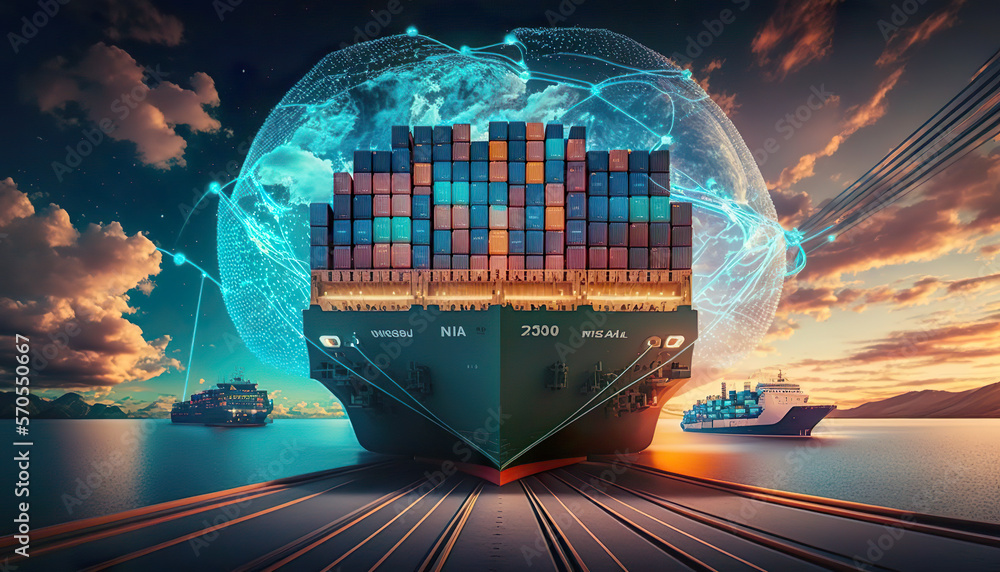
Open top containers feature a removable tarpaulin instead of a solid roof. This design allows for the loading of oversized lighting equipment that exceeds standard container heights. Manufacturers often produce large chandeliers or architectural lighting that cannot fit through standard doors. Consequently, using an open top container becomes the only viable sea freight option for these specific items.
Furthermore, loading these heavy items from the top using a crane is much safer. It minimizes the risk of damage to delicate glass or metal components during the handling process. Therefore, shippers prioritize this method for high-value projects where structural integrity is paramount. Indeed, the open top configuration provides the necessary flexibility for unique cargo dimensions.
Choosing a Full Container Load (FCL) ensures that your lighting products occupy the entire space. This reduces the risk of contamination or damage from other shippers’ goods. Moreover, FCL shipments generally move faster than shared loads because they avoid the consolidation phase. As a result, businesses can better predict their inventory arrival dates.
How Long is the Open Top FCL Transit Time for Lighting from China to Netherlands?
The standard Open Top FCL transit time for lighting from China to Netherlands typically ranges from 30 to 45 days. This duration depends heavily on the port of origin and the specific shipping line used. For instance, direct routes from Shanghai to Rotterdam are generally the fastest options available. Meanwhile, shipments departing from southern ports like Shenzhen might take slightly longer due to additional stops.
Specifically, sea freight services usually offer several transit tiers. A premium direct service can reach the Netherlands in approximately 28 to 32 days. In contrast, transshipment services involving stops in Singapore or Colombo can extend the journey to 40 days or more. Therefore, selecting the right carrier is vital for time-sensitive lighting installations.
Moreover, the processing time at the Port of Rotterdam must be considered. Once the vessel arrives, unloading an open top container can take 1 to 3 days. Consequently, the total door-to-door time will include these local handling durations. Shippers should account for these variables when planning their supply chain schedules.
| Origin Port | Service Type | Transit Time (Days) | Frequency |
|---|---|---|---|
| Shanghai | Direct | 30-33 | Weekly |
| Ningbo | Direct | 31-34 | Weekly |
| Shenzhen | Transshipment | 35-40 | Twice Weekly |
| Qingdao | Direct | 35-38 | Weekly |
Key Factors Affecting Open Top FCL Transit Time for Lighting from China to Netherlands
Several external factors can influence the Open Top FCL transit time for lighting from China to Netherlands. Weather conditions along the South China Sea or the Indian Ocean often cause minor delays. Additionally, seasonal peak periods like the weeks before Chinese New Year see a massive surge in volume. During these times, port congestion can add 7 to 10 days to the total schedule.
Another critical factor is the availability of specialized equipment. Since open top containers are less common than standard dry vans, securing one might take extra time. Shippers should book at least 2-3 weeks in advance to ensure the container is ready at the port. This proactive approach is essential for maintaining logistics efficiency in Europe bound routes.
Labor strikes or technical issues at major transit hubs can also disrupt the flow of goods. For example, congestion at the Suez Canal has historically caused significant bottlenecks for Asia-Europe trade. Consequently, staying informed about global maritime news is necessary for accurate planning. Reliable forwarders always monitor these trends to provide realistic delivery estimates.
How Does Open Top Sea Freight Compare to Other Shipping Options?
While sea freight is the most common method, other modes offer different balances of speed and cost. For example, rail freight via the Silk Road can deliver goods in 18 to 22 days. However, rail transport rarely supports open top containers due to bridge height restrictions along the tracks. Therefore, sea freight remains the primary choice for oversized lighting.
Air freight is the fastest alternative, taking only 5 to 7 days for door-to-door delivery. Nevertheless, the cost for shipping large lighting fixtures by air is often prohibitive. Air carriers also have strict height limits that might exclude very large crates. In contrast, sea freight provides the necessary volume and weight capacity at a fraction of the price.
Hybrid solutions like sea-air combinations are also available for some routes. This involves shipping by sea to a hub like Dubai and then flying the cargo to the Netherlands. This method can save about 10 days compared to pure sea freight while keeping costs lower than pure air freight. However, the handling required for oversized lighting makes this complex and potentially risky for fragile items.
| Method | Cost Range | Transit Time | Suitability |
|---|---|---|---|
| Sea (Open Top) | Moderate | 30-45 Days | Oversized/Heavy |
| Rail Freight | Medium | 18-22 Days | Standard Sizes |
| Air Freight | High | 5-7 Days | Urgent/Small |
| Sea (Standard) | Low | 30-35 Days | Regular Boxes |
Which Option Should You Choose for Your Lighting Project?
Selecting the best shipping method depends on your budget, cargo dimensions, and deadline. If your lighting fixtures exceed 2.6 meters in height, an open top container is mandatory. In this scenario, sea freight is your most reliable and cost-effective partner. Shippers with a flexible timeline of 6 weeks should always choose this method to maximize their profit margins.
Conversely, if you are facing a strict construction deadline, you might consider air freight for smaller components. For the main oversized pieces, sticking to the Open Top FCL transit time for lighting from China to Netherlands is the safest bet. You can mitigate the longer duration by placing orders earlier in the production cycle. This strategy ensures that logistics do not become a bottleneck for your installation.
Volume also plays a major role in the decision-making process. For shipments under 15 cubic meters, Less than Container Load (LCL) might seem cheaper, but it does not support open top needs. Consequently, even for smaller volumes of oversized goods, a 20-foot open top FCL is often the only solution. Always calculate the total landed cost to determine the most efficient path forward.
Cost Factors and Market Rates for Open Top Containers
Freight rates for open top containers are generally higher than standard 20GP or 40HQ units. This is because carriers must account for the specialized equipment and the potential loss of slot space. If the cargo is ‘in-gauge’ (not exceeding container height), the surcharge is minimal. However, ‘out-of-gauge’ cargo that sticks out the top will incur significantly higher ‘lost slot’ fees.
According to industry benchmarks for early 2025, a 40-foot open top container from China to the Netherlands costs between 3,500 and 5,500 USD. These prices fluctuate based on fuel surcharges and seasonal demand. Additionally, destination charges in Rotterdam, such as terminal handling and documentation, add roughly 500 to 800 USD. Shippers must also factor in the cost of the tarpaulin and specialized lashing.
Note: Freight rates are subject to change based on fuel costs, carrier capacity, and seasonal demand. Contact us for a current quote tailored to your specific shipment. Market data suggests that booking during the ‘slack season’ in March or April can yield 15% savings. Planning ahead remains the most effective way to control your shipping budget.
Navigating Customs and Documentation for Lighting Imports
Smooth customs clearance is vital to avoid extending the Open Top FCL transit time for lighting from China to Netherlands. In the Netherlands, lighting products must comply with CE marking and other EU safety standards. Failure to provide the correct certifications can lead to lengthy inspections and port storage fees. Therefore, working with an experienced customs brokerage is highly recommended.
You will need a specific set of documents for the import process. This includes the Commercial Invoice, Packing List, Bill of Lading, and the Certificate of Origin. Furthermore, lighting fixtures often require a detailed technical description for tariff classification. Correct HS codes ensure you pay the proper duty rates and avoid legal complications with Dutch authorities.
Additionally, ensure that your supplier provides a valid EORI number for the importer of record. Without this, the shipment cannot be processed through the Dutch customs system. Most delays at the port are documentation-related rather than transport-related. Consequently, verifying all paperwork before the vessel departs China is a critical step for success.
| Document | Required By | Purpose | Criticality |
|---|---|---|---|
| Bill of Lading | Carrier | Title of Goods | High |
| CE Certificate | Customs | Safety Compliance | High |
| Commercial Invoice | Customs | Tax Valuation | High |
| Packing List | Port | Cargo Details | Medium |
Case Studies: Real-World Lighting Shipments to the Netherlands
Examining real-world examples helps clarify the logistics process for new importers. Below are two scenarios involving oversized lighting fixtures shipped from major Chinese manufacturing hubs. These cases highlight the importance of choosing the right service level and planning for local delivery. Our door to door solutions often resolve the complexities shown in these examples.
Case Study 1: Large Scale Hotel Chandeliers Route: Guzhen (via Zhongshan) to Amsterdam, Netherlands Cargo: 12 Large Chandeliers, 28 CBM, 4,200 kg Container: 40HQ Open Top (In-gauge) Shipping Details: – Carrier: COSCO – Port of Loading: Shenzhen (Yantian) – Port of Discharge: Rotterdam – Route Type: Direct Cost Breakdown: – Ocean Freight: $4,200 – Origin Charges: $450 – Destination Charges: $600 – Customs & Duties: $1,100 – Total Landed Cost: $6,350 Timeline: – Booking to Loading: 5 days – Sea Transit: 32 days – Customs Clearance: 2 days – Total Door-to-Door: 39 days Key Insight: By using an in-gauge open top container, the client avoided extra slot fees while ensuring the fragile crystals were loaded safely from above.
Case Study 2: Architectural Outdoor Lighting Route: Ningbo to Eindhoven, Netherlands Cargo: Industrial Light Poles, 18 CBM, 6,500 kg Container: 20GP Open Top (Out-of-gauge) Shipping Details: – Carrier: Maersk – Port of Loading: Ningbo – Port of Discharge: Rotterdam – Route Type: Transshipment via Singapore Cost Breakdown: – Ocean Freight: $3,800 (includes OOG surcharge) – Origin Charges: $400 – Destination Charges: $550 – Customs & Duties: $900 – Total Landed Cost: $5,650 Timeline: – Booking to Loading: 7 days – Sea Transit: 41 days – Customs Clearance: 3 days – Total Door-to-Door: 51 days Key Insight: The out-of-gauge nature of the poles required special handling and resulted in a longer transit time due to vessel capacity constraints for OOG cargo.
Summary of Shipping Lighting via Open Top Containers
In conclusion, the Open Top FCL transit time for lighting from China to Netherlands is a manageable factor when you have the right information. By planning for a 30 to 45-day window, you can ensure your products arrive on time and in perfect condition. Remember to account for equipment availability, seasonal surges, and the specific needs of oversized cargo.
Moreover, focusing on accurate documentation and choosing the right port of origin will significantly reduce potential delays. While sea freight is the primary method for these shipments, staying aware of alternatives like rail or air can help in emergencies. Ultimately, a successful shipment relies on a partnership with a reliable freight forwarder who understands the nuances of the China-Netherlands route.

Ready to streamline your logistics?
Managing the Open Top FCL transit time for lighting from China to Netherlands requires expert coordination. Don’t let logistics delays dim your project’s success. Contact Top China Forwarder today for a customized quote and professional guidance on your next oversized shipment. Send Inquiry link:
Request Quote