

20GP FCL Space Availability for Auto Parts from China to Europe
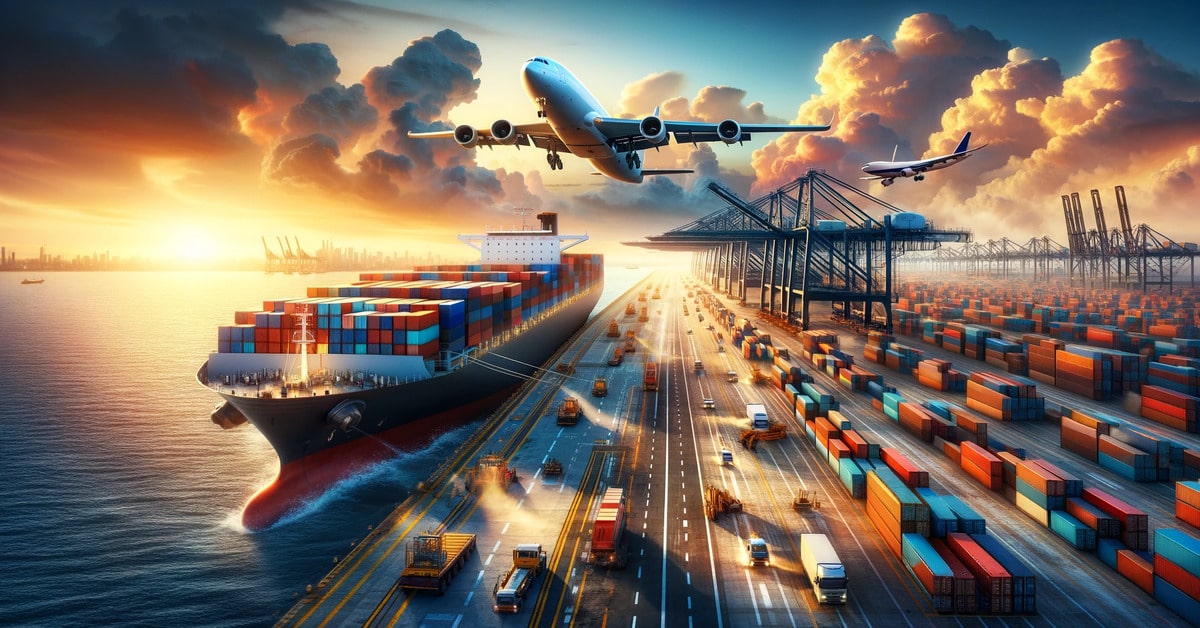
Securing 20GP FCL space availability for auto parts from China to Europe has become a top priority for automotive manufacturers looking to maintain lean production schedules. As global supply chains face ongoing volatility, partnering with a reliable Top China Forwarder ensures your components arrive on time and within budget. This guide explores the current market conditions, container availability, and strategic shipping options for the automotive sector in 2025.
Why 20GP FCL Space Availability for Auto Parts from China to Europe is Critical
Automotive supply chains operate on a just-in-time basis, meaning any delay in component delivery can halt entire assembly lines. Consequently, monitoring 20GP FCL space availability for auto parts from China to Europe is essential for procurement managers. The 20GP container is particularly popular for heavy items like engines, transmissions, and brake systems because it allows for high weight density without exceeding volume limits.
Moreover, the current logistics landscape in early 2025 shows a stabilization in equipment availability after previous disruptions. Nevertheless, high-demand periods still lead to localized shortages in major hubs like Ningbo and Shanghai. Therefore, booking at least 3-4 weeks in advance is highly recommended to secure space on premium carriers.
Additionally, using sea freight remains the most cost-effective method for shipping large volumes of heavy metal components. While air freight is faster, the sheer weight of automotive parts often makes ocean transport the only viable financial option for long-term sustainability.
How Does 20GP FCL Compare to Other Shipping Options?
Choosing the right shipping method depends on your specific budget, cargo volume, and urgency requirements. While FCL offers the most security for delicate components, other methods might suit smaller shipments or urgent replacements. For instance, LCL is often better for small aftermarket retailers who do not require a full 20-foot container.
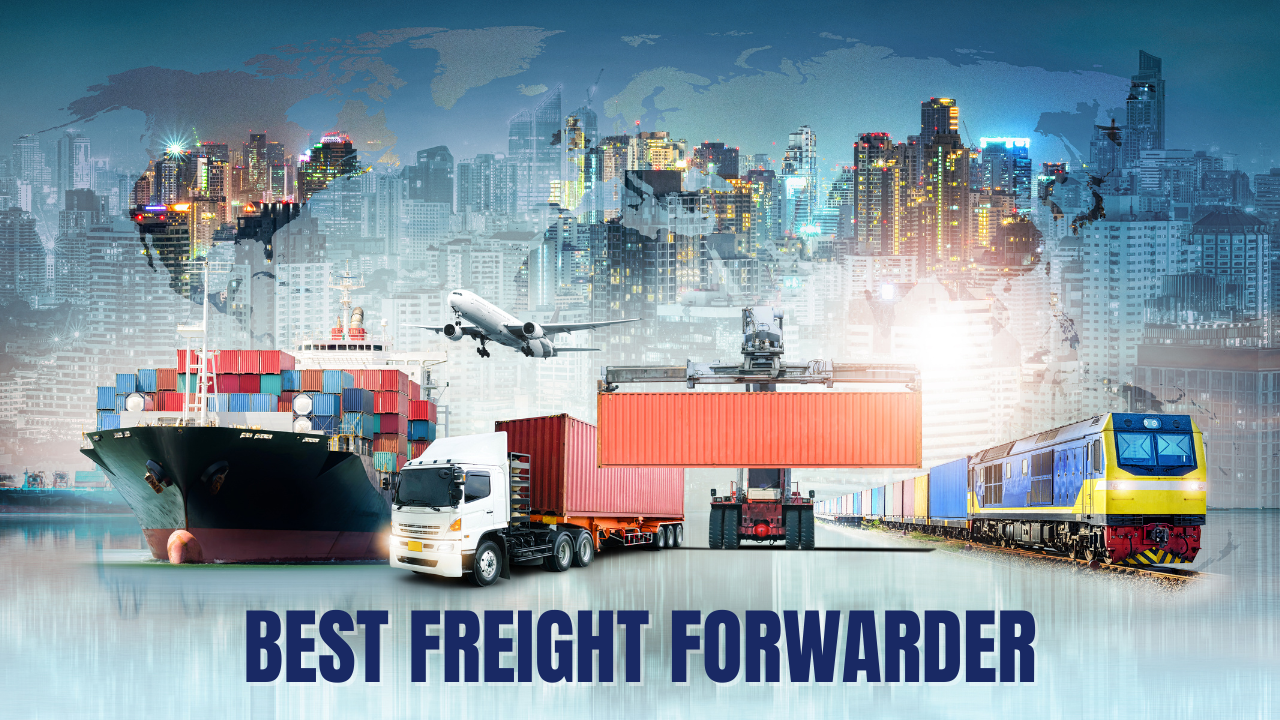
On the other hand, rail freight provides a middle ground between sea and air in terms of both cost and speed. It has become an increasingly popular alternative for automotive logistics between China and Central Europe. However, sea freight remains the dominant choice for the majority of Tier 1 and Tier 2 suppliers due to its lower cost per unit.
| Shipping Method | Cost Range (USD) | Transit Time | Best For | Limitations |
|---|---|---|---|---|
| 20GP FCL Sea | $1,800 – $2,500 | 30-40 Days | Heavy components | Slower transit |
| Rail Freight | $4,500 – $6,000 | 18-22 Days | Urgent production | Limited capacity |
| LCL Sea | $50 – $120/CBM | 35-45 Days | Small spare parts | Higher damage risk |
| Air Freight | $4.50 – $7.50/kg | 5-8 Days | Emergency repairs | Very high cost |
Current Freight Rates and Transit Times for European Destinations
Market data suggests that freight rates for 20GP containers have remained relatively steady throughout the first quarter of 2025. For example, shipping from Shenzhen to Rotterdam typically costs between $1,900 and $2,300 depending on the carrier and specific service level. Indeed, these rates include basic ocean freight but exclude local charges and duties.
Furthermore, transit times vary significantly based on the port of discharge and the specific route taken by the vessel. Direct services to Northern Europe are generally faster than transshipment routes through Mediterranean hubs. Consequently, shippers should carefully evaluate the trade-off between a lower price and a shorter delivery schedule.
Note: Freight rates are subject to change based on fuel costs, carrier capacity, and seasonal demand. Contact us for a current quote tailored to your specific shipment.
| Destination Port | 20GP Rate (Est.) | 40HQ Rate (Est.) | Transit Time |
|---|---|---|---|
| Rotterdam, NL | $2,100 | $3,800 | 32 Days |
| Hamburg, DE | $2,150 | $3,950 | 34 Days |
| Felixstowe, UK | $2,300 | $4,200 | 36 Days |
| Genoa, IT | $1,950 | $3,500 | 28 Days |
Strategic Decision Framework: Which Option Should You Choose?
Determining the best logistics strategy requires a clear understanding of your operational priorities. If your primary goal is budget optimization, then 20GP FCL via sea freight is almost always the superior choice for automotive parts. Conversely, if you are facing a production line stoppage, air freight is the only option despite the premium price.
Regarding cargo type, heavy items like engine blocks or chassis components are best suited for 20GP containers to avoid exceeding weight limits on 40ft units. Meanwhile, lighter but bulkier items like plastic interior trim or bumpers might be more cost-effective in a 40HQ container. Therefore, analyzing the CBM-to-weight ratio of your cargo is a vital step in the planning process.
For companies requiring a comprehensive solution, a door to door service simplifies the entire process. This approach covers everything from the factory pickup in China to the final delivery at your European warehouse. Indeed, this reduces the administrative burden on your internal logistics team.
Case Study 1: Shipping Engine Components from Ningbo to Rotterdam
Cargo: Cast iron engine blocks, 18 CBM, 19,500 kg. Container: 20GP FCL. Route: Ningbo Port to Rotterdam Port via direct carrier service. This shipment required careful weight distribution within the container to meet safety standards.
Shipping Details: Carrier: COSCO. Port of Loading: Ningbo. Port of Discharge: Rotterdam. Route Type: Direct. Ocean Freight: $2,050. Origin Charges: $350. Destination Charges: $420. Customs and Duties: $1,200. Total Landed Cost: $4,020.
Timeline: Booking to Loading: 5 days. Sea Transit: 31 days. Customs Clearance: 2 days. Total Door-to-Door: 38 days. Key Insight: Heavy cargo in a 20GP container maximized the weight limit while keeping ocean freight costs at the lowest possible level.
Case Study 2: Urgent Brake System Delivery from Shenzhen to Hamburg
Cargo: Specialized brake assemblies, 12 CBM, 8,000 kg. Container: 20GP FCL. Route: Shenzhen to Hamburg. The client initially considered LCL but chose FCL for better protection of the sensitive electronic sensors integrated into the brake systems.
Shipping Details: Carrier: Maersk. Port of Loading: Shenzhen. Port of Discharge: Hamburg. Route Type: Direct. Ocean Freight: $2,200. Origin Charges: $300. Destination Charges: $450. Customs and Duties: $950. Total Landed Cost: $3,900.
Timeline: Booking to Loading: 4 days. Sea Transit: 33 days. Customs Clearance: 3 days. Total Door-to-Door: 40 days. Key Insight: Based on Q4 2024 market rates, FCL provided a safer environment for high-value electronic components compared to shared LCL containers.
Navigating Customs and Documentation for Auto Parts
Importing automotive components into the European Union requires strict adherence to regulatory standards and precise documentation. For instance, you must provide a commercial invoice, a detailed packing list, and a Bill of Lading. Furthermore, certain parts may require specific certificates of conformity or E-mark certifications to be legally sold in the European market.
Utilizing a professional customs brokerage service can prevent costly delays at the port of entry. These experts ensure that your HS codes are classified correctly, which directly impacts the amount of duty you pay. Consequently, accurate classification is a key component of effective automotive supply chain management.
Additionally, keep in mind that European customs authorities often perform random inspections on automotive shipments to verify safety standards. Therefore, ensuring that all labels and markings are clearly visible and match the documentation is crucial for a smooth clearance process. In contrast, poorly documented shipments can lead to weeks of storage fees and potential fines.
Trends Affecting 20GP FCL Space Availability for Auto Parts from China to Europe
Several logistics trends are currently shaping the availability of space on the China-Europe route. First, the ongoing shift toward electric vehicles (EVs) has changed the nature of automotive cargo, with battery components requiring specialized handling. Consequently, carriers are adapting their vessel configurations to accommodate these high-value and potentially hazardous goods.
Second, the push for greener logistics is leading more companies to explore rail and sea-air hybrid solutions. Although sea freight remains the primary mode, the environmental impact of shipping is becoming a significant factor in carrier selection for major European automakers. Meanwhile, digital booking platforms are making it easier for smaller shippers to see real-time 20GP FCL space availability for auto parts from China to Europe.
Finally, the regionalization of supply chains is encouraging some manufacturers to hold more safety stock in European warehouses. This trend has led to a consistent demand for 20GP containers throughout the year, rather than the traditional seasonal peaks. As a result, maintaining a strong relationship with a forwarder that has guaranteed space allocations is more important than ever.
Optimizing Your Automotive Logistics Strategy
In summary, managing 20GP FCL space availability for auto parts from China to Europe requires a proactive approach and a deep understanding of market dynamics. By choosing the right container type and shipping method, you can significantly reduce costs while improving delivery reliability.
Whether you prioritize speed via rail or cost-efficiency via sea, working with an experienced partner is the key to success. Stay ahead of the competition by booking early and staying informed about the latest industry trends and freight rate fluctuations.
Ready to streamline your logistics?
Ensure your automotive production never stops by securing your 20GP FCL space availability for auto parts from China to Europe today. Contact our expert team for a customized logistics plan and a competitive quote that meets your specific transit requirements. Send Inquiry link:
Request Quote