40HQ FCL Demurrage Prevention for Medical Equipment from China to France
Managing international logistics requires precision, especially when shipping high-value medical cargo across the globe. 40HQ FCL demurrage prevention for medical equipment from China to France is a primary concern for importers looking to protect their bottom line and maintain a steady supply chain. By collaborating with a professional Top China Forwarder, businesses can streamline their shipping processes and avoid the expensive daily penalties associated with port delays. This guide provides actionable strategies to ensure your specialized medical devices arrive at French ports like Le Havre or Marseille without incurring unnecessary storage or detention fees.
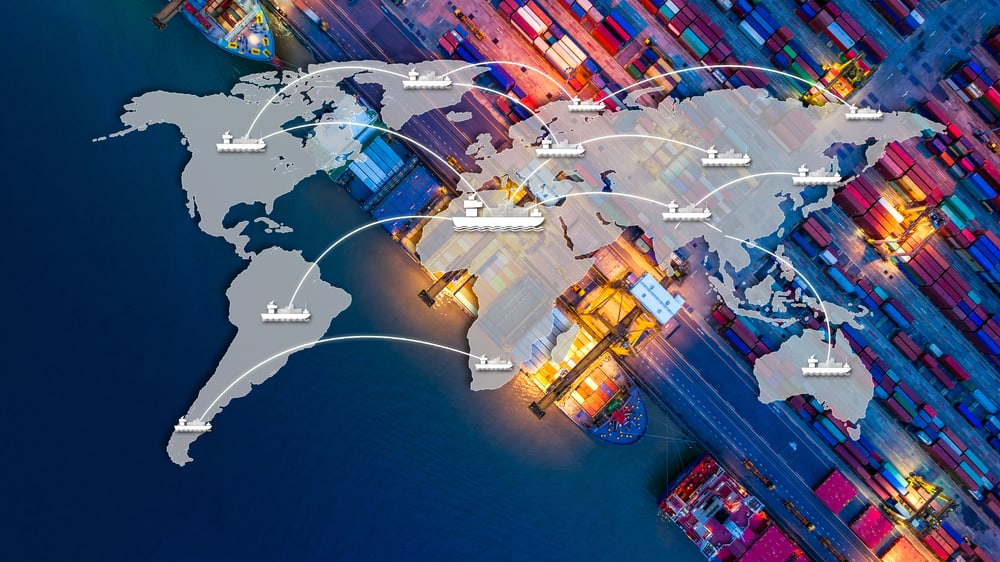
What is the Impact of Demurrage on Medical Logistics?
Demurrage occurs when a container remains inside the terminal beyond the allotted free time provided by the shipping line. For medical equipment, which often requires specific handling and rapid deployment, these delays can disrupt hospital schedules and healthcare delivery. Consequently, the financial burden of daily fees can quickly escalate into thousands of dollars if not managed proactively.
Importers must distinguish between demurrage and detention to effectively manage their logistics costs. While demurrage applies to the container staying in the port, detention refers to the time the container is held outside the port area. Understanding these definitions is the first step toward achieving 40HQ FCL demurrage prevention for medical equipment from China to France.
Furthermore, the sensitive nature of medical devices means that any delay in the port environment could potentially expose cargo to suboptimal conditions. Maintaining a tight delivery schedule is not just about cost but also about ensuring the integrity of the equipment. Therefore, planning for contingencies is essential for every shipment.
Why Medical Equipment Requires Specialized 40HQ FCL Handling
Shipping fragile equipment like MRI machines or surgical robots necessitates the use of a 40HQ container to provide ample space and protection. These high-capacity containers allow for specialized padding and securing techniques that prevent movement during the long sea voyage. Utilizing sea freight remains the most cost-effective method for transporting these large volumes.
However, the complexity of medical cargo often leads to longer customs inspections in France. The French customs authorities strictly enforce the EU Medical Device Regulation (MDR), requiring comprehensive technical files for every import. If these documents are not perfectly aligned, the container will sit at the terminal, triggering demurrage charges.
Additionally, the sheer size of a 40HQ container means that inland transportation in France must be booked well in advance. Failure to secure a truck for the final leg of the journey can lead to the container being stuck at the Port of Le Havre. Planning for the entire journey from the factory in Shenzhen to the clinic in Paris is mandatory.
Essential Documentation for 40HQ FCL Demurrage Prevention for Medical Equipment from China to France
Accurate documentation is the most effective tool for preventing delays at the French border. Importers should ensure that the Commercial Invoice, Packing List, and Bill of Lading are prepared weeks before the vessel arrives. Moreover, specific medical certifications such as the CE mark and Declaration of Conformity must be readily available for inspection.
Engaging a professional customs brokerage service can significantly reduce the risk of paperwork errors. These experts understand the specific HS codes for medical devices and can pre-file declarations to speed up the release process. This proactive approach is a cornerstone of 40HQ FCL demurrage prevention for medical equipment from China to France.
Meanwhile, the Certificate of Origin and insurance certificates should be double-checked for consistency across all platforms. Even a minor typo in the container number or weight can lead to a customs hold. Consequently, a thorough audit of all shipping documents before the ship leaves the Port of Shanghai is highly recommended.
| Document Name | Purpose | Required For | Timing |
|---|---|---|---|
| Commercial Invoice | Valuation and Duty | All Shipments | Pre-Loading |
| Packing List | Cargo Verification | All Shipments | Pre-Loading |
| CE Certificate | Safety Compliance | Medical Devices | Pre-Arrival |
| Bill of Lading | Title of Goods | All Shipments | Post-Loading |
How Does 40HQ FCL Compare to Other Shipping Options?
Choosing the right shipping method depends on your budget, urgency, and cargo volume. While 40HQ FCL is ideal for large medical installations, smaller shipments might benefit from different logistics strategies. For instance, air freight offers the fastest transit times but at a significantly higher cost.
Alternatively, rail freight via the New Silk Road provides a middle ground between sea and air. It is faster than sea freight and more affordable than air, making it suitable for high-value medical cargo that is not urgently needed. However, rail options may have limitations regarding the types of sensitive electronics they can carry.
In contrast, sea freight remains the dominant choice for 40HQ containers due to its capacity and lower environmental impact. When comparing costs, sea freight for a 40HQ typically ranges from $3,000 to $4,200 depending on the season. Air freight for the same volume could exceed $20,000, which is often prohibitive for standard medical supplies.
| Method | Cost Range | Transit Time | Best For |
|---|---|---|---|
| Sea FCL (40HQ) | $3,000 – $4,200 | 30-40 Days | Bulk Medical Gear |
| Air Freight | $15,000 – $25,000 | 5-7 Days | Urgent Spare Parts |
| Rail Freight | $4,500 – $6,500 | 18-22 Days | Mid-Value Equipment |
| Sea LCL | $80 – $150/CBM | 35-45 Days | Small Consumables |
Strategic Approaches to Avoiding Port Penalties
Requesting extended free time from the carrier is a vital strategy for 40HQ FCL demurrage prevention for medical equipment from China to France. Most shipping lines offer 7 days of free time, but for medical cargo, you should negotiate for 14 or 21 days. This extra cushion provides a safety net in case of unexpected customs delays or laboratory testing requirements.
Furthermore, utilizing the Pre-Arrival Processing (PAP) system in France allows customs to review your shipment before the vessel docks. If the customs broker identifies any issues early, they can be resolved while the container is still at sea. This prevents the clock from starting on demurrage charges the moment the container touches the quay.
Indeed, choosing the right port of discharge can also influence your risk of delays. While Le Havre is the largest container port in France, it can occasionally suffer from congestion. Smaller ports like Marseille or Fos-sur-Mer might offer faster processing times for certain types of health industry logistics, depending on the final destination.
Realistic Case Studies: Medical Equipment Shipping Success
Reviewing real-world examples helps importers understand the practical application of these strategies. Below are two scenarios involving the transport of medical devices from major Chinese hubs to French healthcare facilities. These cases highlight the importance of planning and documentation in preventing extra costs.
Based on Q3 2024 market rates, these examples reflect current logistics trends and pricing structures. They demonstrate how proactive management can lead to successful door-to-door delivery without the sting of demurrage fees.

Case Study 1: MRI Machine from Shanghai to Le Havre
Case Study 01: High-Value Imaging Equipment
Route: Shanghai, China to Le Havre, France
Cargo: MRI Machine and components, 65 CBM, 12,000 kg
Container: 40HQ FCL
Carrier: COSCO Shipping
Ocean Freight: $3,250
Origin Charges: $450
Destination Charges: $600
Customs and Duties: $1,800
Total Landed Cost: $6,100
Sea Transit: 32 days
Customs Clearance: 2 days
Total Door-to-Door: 41 days
Key Insight: By negotiating 14 days of free time in advance, the importer avoided $800 in demurrage when a minor documentation error required a 3-day correction period.
Case Study 2: Surgical Instruments from Shenzhen to Marseille
Case Study 02: Sterile Surgical Supplies
Route: Shenzhen, China to Marseille, France
Cargo: Sterile instruments and hospital beds, 60 CBM, 8,500 kg
Container: 40HQ FCL
Carrier: Maersk Line
Ocean Freight: $3,400
Origin Charges: $400
Destination Charges: $550
Customs and Duties: $1,200
Total Landed Cost: $5,550
Sea Transit: 28 days
Customs Clearance: 1 day
Total Door-to-Door: 35 days
Key Insight: Using a pre-clearance strategy ensured the container was released within 24 hours of arrival, allowing for immediate delivery to a regional hospital.
Decision Framework: Which Shipping Option Should You Choose?
Determining the best logistics path requires a balance between speed and cost. If your budget is the primary priority, 40HQ FCL sea freight is the clear winner for large volumes. However, if you are facing a critical shortage of medical supplies, the speed of air freight justifies the higher expense.
Volume thresholds also play a role in your decision. For shipments over 15 CBM, FCL is generally more economical than LCL. For medical equipment, FCL also provides the added benefit of reduced cargo handling, which minimizes the risk of damage during transit.
Consider a door to door service for maximum convenience and risk reduction. This model allows the freight forwarder to manage every step, from the factory floor to the final delivery point. Consequently, this integrated approach is often the most effective way to ensure 40HQ FCL demurrage prevention for medical equipment from China to France.
Summary of 40HQ FCL Demurrage Prevention Strategies
To summarize, achieving 40HQ FCL demurrage prevention for medical equipment from China to France requires a combination of early planning, accurate documentation, and strategic carrier negotiations. By understanding the nuances of French customs and the specific needs of medical cargo, importers can avoid the pitfalls of port delays.
Moreover, partnering with an experienced freight forwarder ensures that your high-value equipment is handled with the care it deserves. Whether you choose sea, air, or rail, the goal remains the same: efficient, cost-effective, and safe delivery of life-saving medical devices to the French market.
Note: Freight rates are subject to change based on fuel costs, carrier capacity, and seasonal demand. Contact us for a current quote tailored to your specific shipment.
Ready to streamline your logistics?
Are you ready to optimize your medical equipment supply chain? Contact us today for a customized quote and expert guidance on 40HQ FCL demurrage prevention for medical equipment from China to France. Visit our website to learn more about our specialized logistics solutions. Send Inquiry: topchinaforwarder.com
Request Quote