

Reefer FCL transit time for auto parts from China to Long Beach: 2025 Guide
Reefer FCL transit time for auto parts from China to Long Beach remains a pivotal concern for global automotive manufacturers seeking to protect sensitive components from thermal fluctuations. Navigating these complex logistics requirements requires a partner like Top China Forwarder to ensure seamless delivery. Furthermore, understanding the nuances of temperature-controlled shipping can significantly reduce the risk of cargo damage during the transpacific voyage.
Understanding Reefer FCL Transit Time for Auto Parts from China to Long Beach
Typically, the ocean transit time for a refrigerated container moving from major Chinese ports like Shanghai or Ningbo to Long Beach ranges between 15 and 22 days. However, this timeframe only accounts for the period the vessel is at sea. Moreover, total door-to-door delivery times often extend to 30 or 40 days when including origin drayage, terminal handling, and final distribution. Consequently, shippers must account for these additional days when planning their automotive supply chain management schedules.
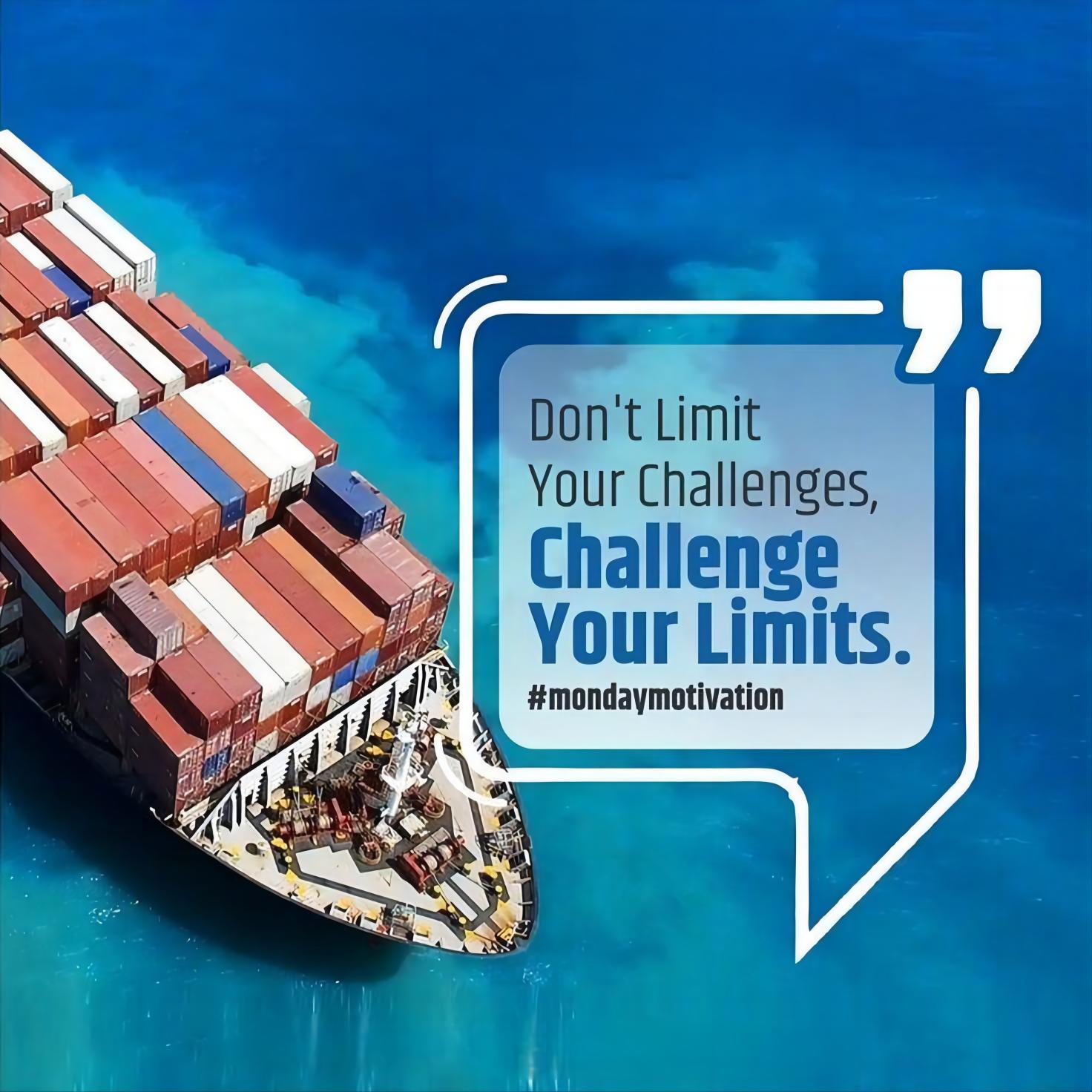
Choosing sea freight for automotive parts allows for the transport of large volumes while maintaining strict climate control. Additionally, direct services from Shenzhen or Qingdao can occasionally shave a few days off the schedule compared to routes with multiple stopovers. Nevertheless, port congestion in California can sometimes introduce unexpected delays after the vessel arrives at the breakwater. Therefore, monitoring real-time vessel tracking is essential for modern logistics managers.
Market data suggests that while the base transit time is relatively stable, seasonal peaks can cause equipment shortages. For instance, during the months leading up to the Lunar New Year, securing a reefer container becomes significantly more challenging. In addition, freight rates for temperature-controlled cargo are generally 20 percent to 40 percent higher than standard dry containers. Indeed, the precision required for specialized automotive logistics justifies the higher investment for sensitive components like lithium-ion batteries or high-end interior finishes.
Why Use Refrigerated Containers for Automotive Components?
Modern vehicles incorporate advanced electronics and composite materials that are highly sensitive to extreme heat and humidity. Consequently, using a reefer container prevents the degradation of adhesives, seals, and delicate electronic sensors during the long journey across the Pacific. Furthermore, stable temperatures ensure that high-value finishes on luxury car parts do not suffer from oxidation or warping. Meanwhile, the insulation provided by reefer units offers an extra layer of physical protection against external environmental factors.
Automotive supply chains increasingly rely on cold chain logistics for auto parts to maintain the integrity of sophisticated battery systems. Therefore, maintaining a constant temperature range of 15 to 25 degrees Celsius is often a standard requirement for these shipments. Moreover, the use of Full Container Load (FCL) shipping ensures that your cargo is not handled alongside other goods, reducing the risk of contamination or physical damage. Without a doubt, the security of a dedicated container is paramount for high-stakes automotive manufacturing.
How Does Reefer FCL Compare to Other Shipping Options?
Analyzing the various transport methods is crucial for optimizing your logistics strategy. While Reefer FCL offers the best protection for sensitive goods, other methods might be more suitable depending on your budget and urgency. For example, air freight is significantly faster but comes at a prohibitive cost for heavy automotive components. On the other hand, standard dry containers are cheaper but offer no protection against the intense heat found in the hold of a ship or on a sun-drenched terminal deck.
Specifically, for shipments under 15 CBM, some importers consider LCL (Less than Container Load), though this is rarely available for refrigerated cargo. Consequently, most automotive shippers stick to FCL to maintain environmental control. Additionally, hybrid solutions like sea-air combinations can offer a middle ground in terms of speed and cost. Nevertheless, for the China to Long Beach route, direct sea freight remains the most common and reliable choice for bulk automotive parts.
| Reefer FCL | $3,500 – $5,500 | 15-22 Days | Sensitive Electronics |
| Dry FCL | $2,200 – $3,800 | 14-20 Days | General Metal Parts |
| Air Freight | $15,000+ | 3-7 Days | Urgent Prototypes |
| LCL Dry | $80 – $150/CBM | 25-35 Days | Small Spare Parts |
Factors Affecting Your Shipping Schedule and Transit Times
Port congestion in California remains one of the most significant variables affecting Reefer FCL transit time for auto parts from China to Long Beach. Although the situation has improved since the peaks of 2021, labor negotiations and seasonal surges can still lead to vessel bunching. Furthermore, the availability of specialized reefer plugs at the terminal can dictate how quickly a container is offloaded. Meanwhile, weather conditions in the North Pacific can force vessels to take longer, more southerly routes to avoid heavy seas.
Customs clearance procedures also play a vital role in the overall timeline. Utilizing a professional customs brokerage service ensures that all automotive-specific regulations are met before the ship docks. Moreover, any discrepancies in the bill of lading or commercial invoice can lead to intensive examinations by US Customs and Border Protection. Consequently, these inspections can add anywhere from 3 to 10 days to the total delivery time. Indeed, meticulous documentation is the best defense against transit delays.
Real Case Studies: China to Long Beach Success Stories
Reviewing actual shipping scenarios provides valuable insight into the practical realities of the transpacific route. These cases highlight how different cargo types and logistics strategies impact the final landed cost and delivery schedule. Below are two examples based on recent shipments handled during the 2024-2025 period.
Case Study 1: High-Value Sensors. Route: Shanghai to Long Beach. Cargo: Electronic Sensors, 22 CBM. Container: 40HQ Reefer. Shipping Details: Carrier: MSC, Port of Loading: Shanghai, Port of Discharge: Long Beach, Route Type: Direct. Cost Breakdown: Ocean Freight: $4,200, Origin Charges: $450, Destination Charges: $600, Customs and Duties: $1,200, Total Landed Cost: $6,450. Timeline: Booking to Loading: 5 days, Sea Transit: 16 days, Customs Clearance: 2 days, Total Door-to-Door: 28 days. Key Insight: Early booking during the off-peak season saved 15 percent on freight costs.
Case Study 2: Lithium Battery Modules. Route: Ningbo to Long Beach. Cargo: Battery Packs, 28 CBM. Container: 40HQ Reefer. Shipping Details: Carrier: COSCO, Port of Loading: Ningbo, Port of Discharge: Long Beach, Route Type: Direct. Cost Breakdown: Ocean Freight: $4,800, Origin Charges: $500, Destination Charges: $750, Customs and Duties: $2,500, Total Landed Cost: $8,550. Timeline: Booking to Loading: 7 days, Sea Transit: 18 days, Customs Clearance: 4 days, Total Door-to-Door: 35 days. Key Insight: Hazardous material certification and reefer requirements necessitated a longer lead time for vessel space approval.
Which Option Should You Choose? Decision Framework
Determining the right shipping strategy depends on your specific business priorities. If your primary goal is cost reduction, opting for longer transit times with transshipment via Busan or Kaohsiung can save money. However, if you are transporting time-sensitive components for a just-in-time manufacturing line, a direct service is non-negotiable. Furthermore, choosing a door to door service can simplify the process by consolidating all logistics steps under a single provider.
Budget priority: Recommend standard dry FCL if the components are not heat-sensitive. Speed priority: Recommend direct sea freight with premium terminal discharge services. Cargo type considerations: Always use Reefer FCL for batteries, adhesives, and high-end electronics. Volume thresholds: If you have less than 15 CBM, consider if the cost of a full reefer container is justified compared to the risk of using non-refrigerated LCL options. To summarize, the value of the cargo usually dictates the level of protection required.
Market Trends and Cost Analysis for 2025
As of early 2025, freight rates from China to the US West Coast have stabilized following the volatility of previous years. Typical rates for a 40HQ reefer container currently fluctuate between $3,800 and $5,200 depending on the carrier and contract terms. Additionally, the industry is seeing a shift toward more sustainable shipping practices, with some carriers introducing bio-fuel surcharges. Consequently, shippers should expect a 5 to 10 percent increase in environmental levies over the coming year.
Shipping to North America remains a competitive landscape with major carriers like Maersk, COSCO, and ONE vying for automotive contracts. Moreover, the integration of AI-driven logistics platforms is allowing for more accurate predictions of Reefer FCL transit time for auto parts from China to Long Beach. Nevertheless, global geopolitical events can still disrupt these patterns without warning. Therefore, maintaining a flexible supply chain with multiple carrier options is a prudent strategy for 2025 and beyond.
Final Thoughts on Shipping Auto Parts to Long Beach
In conclusion, managing the Reefer FCL transit time for auto parts from China to Long Beach requires a balance of speed, cost, and cargo safety. While the sea voyage itself is relatively fast, the surrounding logistics steps can add significant time to the total schedule. By utilizing specialized refrigerated containers, automotive companies can ensure their high-value components arrive in pristine condition. Furthermore, partnering with an experienced freight forwarder helps navigate the complexities of customs and port operations. Ultimately, a well-planned shipping strategy is the backbone of a successful automotive supply chain.
Ready to streamline your logistics?
Optimizing your Reefer FCL transit time for auto parts from China to Long Beach is essential for maintaining a competitive edge in the automotive industry. Contact our expert team today to receive a customized quote and streamline your transpacific logistics. Visit our inquiry page to get started: See: https://topchinaforwarder.com/contact-us/ Send Inquiry:
Request Quote