

40HQ FCL Best Route for Auto Parts from China to Ireland Guide
Navigating the international logistics landscape requires precision, especially when sourcing high-value components for the Irish automotive market. Choosing the 40HQ FCL best route for auto parts from China to Ireland ensures that your supply chain remains efficient and cost-effective. At Top China Forwarder, we specialize in streamlining these complex maritime corridors to help businesses maximize their profitability and minimize delays. This comprehensive guide explores the primary shipping lanes, cost structures, and regulatory requirements essential for successful importation into Dublin, Cork, and beyond.
The Strategic Advantages of Using 40HQ Containers for Auto Parts
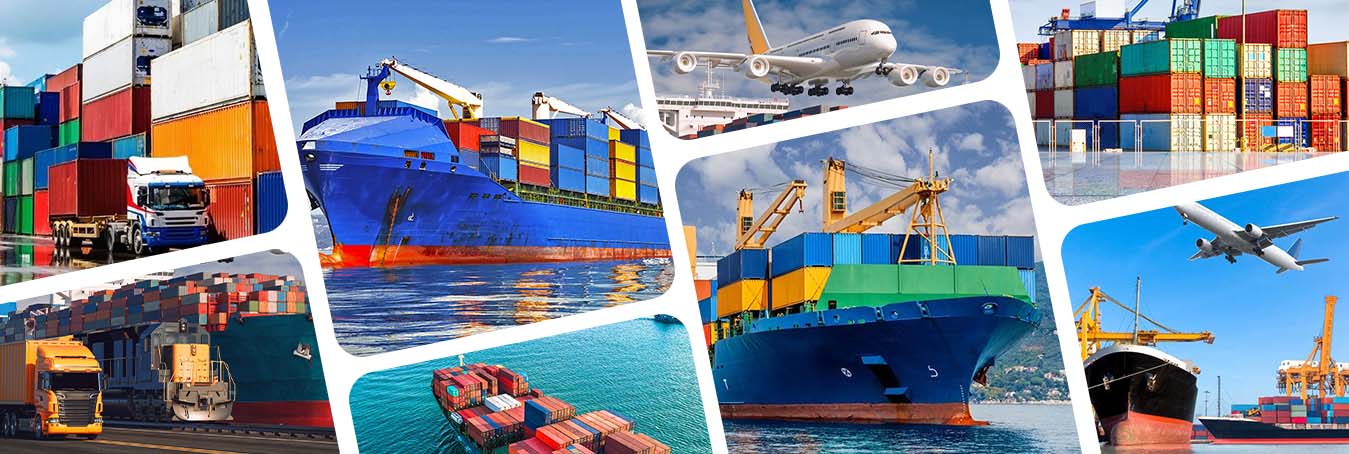
Utilizing a 40-foot High Cube (40HQ) container offers significant volume advantages for lightweight but bulky automotive components. Specifically, the extra foot of height compared to standard 40GP containers allows for more efficient stacking of tires, body panels, and exhaust systems. Consequently, importers can significantly reduce their per-unit shipping costs by maximizing the internal cubic capacity of the vessel space.
Choosing sea freight as your primary mode of transport provides the stability needed for long-term inventory planning. Furthermore, the Full Container Load (FCL) model ensures that your goods are not handled alongside other shippers’ cargo, which drastically reduces the risk of damage during transit. Indeed, for fragile items like windshields or electronic sensors, the security of a dedicated container is indispensable.
Moreover, the Irish market demands a consistent supply of replacement parts to maintain its diverse vehicle fleet. Therefore, establishing a reliable 40HQ FCL best route for auto parts from China to Ireland is a critical step for any serious wholesaler or distributor. By controlling the entire container, you also gain better control over the loading and unloading schedule at both the origin and destination ports.
Identifying the 40HQ FCL best route for auto parts from China to Ireland
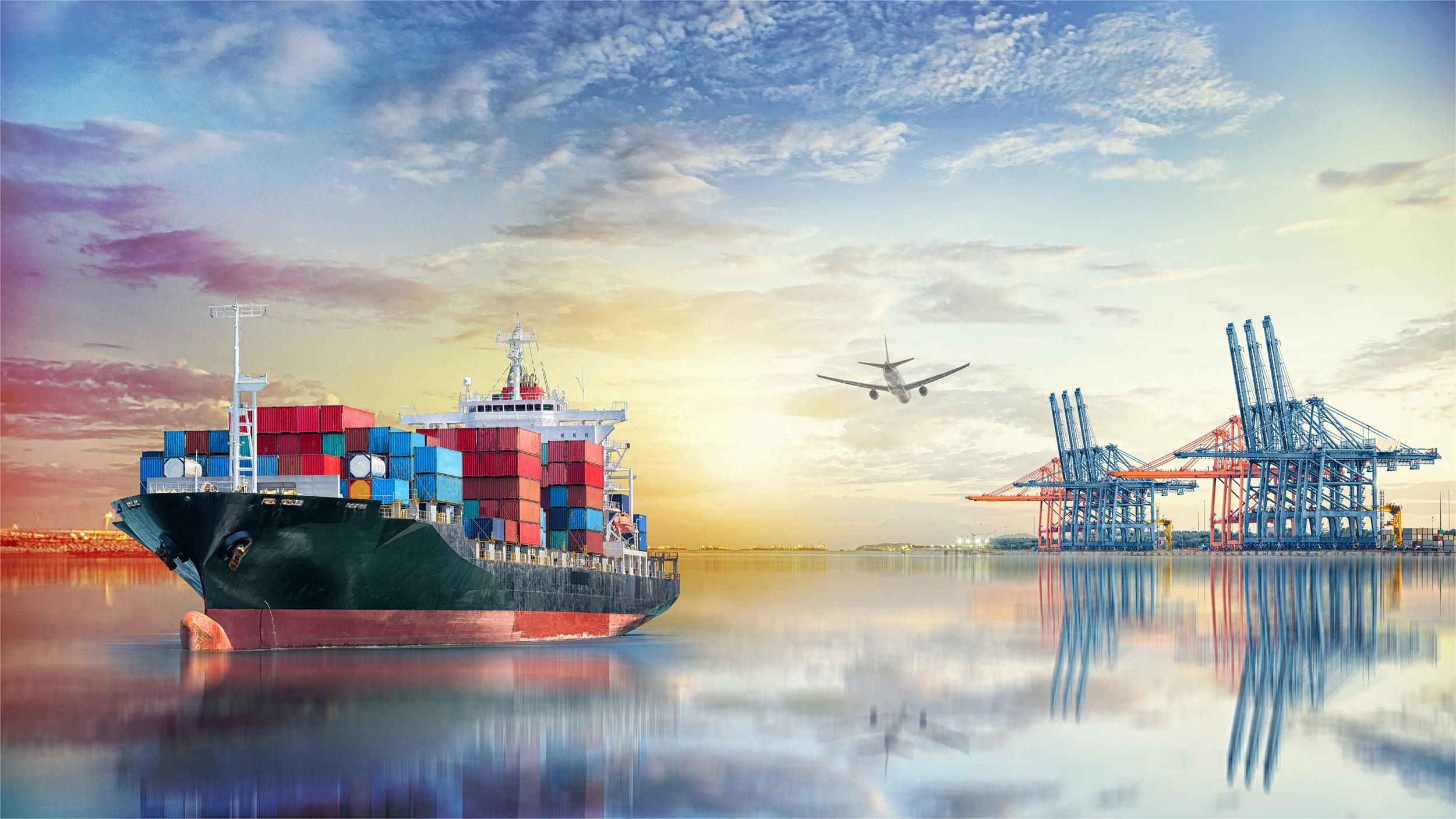
Selecting the optimal maritime path involves balancing transit time against total freight expenditure. Most shipments originate from major Chinese hubs like Shanghai, Ningbo, or Shenzhen, which offer the highest frequency of departures to Northern Europe. From these ports, vessels typically traverse the South China Sea, pass through the Suez Canal, and enter the Mediterranean before heading north toward the Atlantic.
However, recent global events have occasionally necessitated the longer route around the Cape of Good Hope to avoid regional instability. While this alternative adds approximately 10 to 14 days to the delivery schedule, it ensures the safety of the cargo and the predictability of the arrival date. Most major carriers now provide updated tracking and revised ETAs to account for these shifts in the global supply chain.
Dublin Port serves as the primary gateway for Irish imports, handling the vast majority of containerized traffic from Asia. Additionally, the Port of Cork offers an excellent alternative for businesses located in the southern regions of the country. Selecting the right discharge port can significantly influence your inland haulage costs and the speed at which parts reach your local warehouse.
How Does 40HQ FCL Compare to Other Shipping Options?
While FCL is the gold standard for large-scale imports, businesses must often weigh it against alternative methods like LCL or air freight. Air transport is undeniably faster, often delivering parts within 5 to 7 days, but the cost can be prohibitively high for heavy items like engines or transmissions. In contrast, sea freight remains the most economical choice for bulk shipments where time is less critical than the bottom line.
Rail freight via the New Silk Road has emerged as a middle-ground solution for some European destinations, though its application to Ireland is limited by the need for sea-feeder connections. Consequently, the 40HQ FCL best route for auto parts from China to Ireland almost always involves a deep-sea vessel combined with a short-sea transfer from a hub like Rotterdam or Antwerp. This multi-stage process requires careful coordination to avoid lengthy stays in transshipment yards.
| Method | Cost Range (USD) | Transit Time | Best For |
|---|---|---|---|
| 40HQ FCL Sea | $3,200 – $4,800 | 35-45 Days | Bulk inventory and heavy parts |
| LCL Sea | $80 – $150 per CBM | 40-50 Days | Small batches or trial orders |
| Air Freight | $4.50 – $8.00 per kg | 5-8 Days | Urgent repairs and high-value electronics |
| Rail-Sea Hybrid | $2,500 – $3,800 | 25-35 Days | Time-sensitive non-urgent stock |
Understanding the Costs of Shipping Auto Parts to Ireland
Shipping costs for auto parts from China are influenced by several variables beyond the base ocean freight rate. For instance, fuel surcharges (BAF) and currency adjustment factors (CAF) can fluctuate monthly based on global economic conditions. Additionally, peak season surcharges often apply during the busy months of August through October as retailers prepare for the holiday period.
Local charges at the Port of Dublin, including terminal handling charges (THC) and documentation fees, must also be factored into your landed cost calculation. Many first-time importers overlook these destination expenses, which can add several hundred euros to the total bill. Therefore, it is essential to request an all-in quote from your forwarder to avoid unexpected financial surprises upon the container’s arrival.
Note: Freight rates are subject to change based on fuel costs, carrier capacity, and seasonal demand. Contact us for a current quote tailored to your specific shipment.
Navigating Irish Customs and Import Regulations
Successful clearance at the Irish border requires meticulous attention to detail and accurate documentation. You must ensure that every shipment is accompanied by a commercial invoice, a detailed packing list, and a Bill of Lading. Furthermore, utilizing a professional customs brokerage service can prevent costly delays caused by incorrect tariff classification or missing paperwork.
Ireland applies the EU’s Common External Tariff to automotive parts imported from non-EU countries like China. Consequently, you will need to pay both Import Duty and Value Added Tax (VAT) before the Revenue Commissioners release your goods. Understanding the specific HS codes for your products is vital, as duty rates can vary significantly between different types of components, such as brake pads versus infotainment systems.
| Document Name | Purpose | Issued By | Requirement |
|---|---|---|---|
| Commercial Invoice | Determines value for duty | Exporter | Mandatory |
| Packing List | Details contents of 40HQ | Exporter | Mandatory |
| Bill of Lading | Title to the goods | Carrier | Mandatory |
| Certificate of Origin | Confirms manufacturing site | Chamber of Commerce | Recommended |
How to Secure the 40HQ FCL best route for auto parts from China to Ireland
Securing the best route requires proactive booking and a clear understanding of carrier schedules. Many importers prefer direct services that call at major European hubs before transferring to a Dublin-bound feeder vessel. Indeed, minimizing the number of transshipment points reduces the likelihood of cargo being bumped or delayed in congested ports like Singapore.
Additionally, leveraging door to door services can simplify the entire logistics chain. This approach allows a single provider to manage the pickup from the Chinese factory, the ocean crossing, and the final delivery to your Irish facility. As a result, you spend less time managing multiple vendors and more time focusing on your core business operations.
Case Study 1: Engine Components from Shanghai to Dublin
Case Study 1: High-Volume Engine Part Distribution
Route: Shanghai, China to Dublin, Ireland. Cargo: Aluminum engine blocks and cylinder heads, 62 CBM, 18,500 kg. Container: 40HQ FCL.
Shipping Details: Carrier: COSCO. Port of Loading: Shanghai. Port of Discharge: Dublin. Route Type: Transshipment via Rotterdam.
Cost Breakdown: Ocean Freight: $3,450. Origin Charges: $280. Destination Charges: $420. Customs and Duties: $1,150. Total Landed Cost: $5,300.
Timeline: Booking to Loading: 4 days. Sea Transit: 36 days. Customs Clearance: 2 days. Total Door-to-Door: 42 days.
Key Insight: By utilizing a 40HQ container, the client maximized vertical space for palletized engine blocks, reducing the cost per unit by 15% compared to two 20GP containers. Typical rates as of early 2025.
Case Study 2: Suspension Systems from Ningbo to Cork
Case Study 2: Strategic Regional Distribution
Route: Ningbo, China to Cork, Ireland. Cargo: Shock absorbers and coil springs, 58 CBM, 14,000 kg. Container: 40HQ FCL.
Shipping Details: Carrier: MSC. Port of Loading: Ningbo. Port of Discharge: Cork. Route Type: Direct to Antwerp, then feeder to Cork.
Cost Breakdown: Ocean Freight: $3,600. Origin Charges: $310. Destination Charges: $380. Customs and Duties: $950. Total Landed Cost: $5,240.
Timeline: Booking to Loading: 5 days. Sea Transit: 39 days. Customs Clearance: 3 days. Total Door-to-Door: 47 days.
Key Insight: Choosing the Port of Cork saved the client over 400 Euro in inland trucking fees as their warehouse was located in the Little Island industrial estate. Based on Q4 2024 market rates.
Which Option Should You Choose? Decision Framework
Choosing the right shipping strategy depends on your specific business priorities. If your primary goal is cost reduction, sea freight via a 40HQ container is the most logical choice for large volumes. However, if you are facing a stock-out on a critical part, a hybrid sea-air solution might be necessary to keep your customers satisfied.
For shipments destined for Europe, and specifically Ireland, always consider the seasonal volatility of the market. During the Chinese New Year or the Golden Week holidays, factory output halts and vessel space becomes extremely tight. Consequently, booking your 40HQ FCL best route for auto parts from China to Ireland at least 3 to 4 weeks in advance is highly recommended.
Factors Influencing the 40HQ FCL best route for auto parts from China to Ireland
Port congestion remains a significant factor in determining the best route. While Dublin is the most direct entry point, heavy traffic can sometimes lead to berthing delays of several days. In contrast, smaller ports like Waterford or Shannon may offer faster turnaround times for specific types of cargo, provided the feeder connections are available.
Moreover, the choice of carrier can impact the reliability of your delivery schedule. Some lines prioritize certain ports, offering more frequent sailings and better terminal access. Therefore, it is wise to compare the performance metrics of different shipping lines before committing to a long-term contract. Consistent communication with your logistics partner will help you navigate these operational nuances effectively.
Alternative Strategies and Cost-Saving Tips
To optimize your logistics budget, consider consolidating orders from multiple suppliers into a single 40HQ container. This strategy, known as buyer’s consolidation, allows you to benefit from FCL rates even if individual orders do not fill a whole container. Furthermore, optimizing your packaging to minimize wasted space within the container can lead to substantial long-term savings.
Another effective strategy is to negotiate ‘Free Time’ at the destination port. This refers to the period during which you can store the container at the terminal without incurring demurrage charges. By extending this window from the standard 7 days to 14 days, you gain a valuable buffer in case of inland transport delays or warehouse labor shortages. These small adjustments can have a significant impact on your overall supply chain resilience.
Final Thoughts on Shipping Auto Parts to Ireland
Establishing the 40HQ FCL best route for auto parts from China to Ireland is a multifaceted process that requires careful planning and expert execution. By understanding the nuances of container types, maritime routes, and Irish customs regulations, you can create a robust logistics strategy that supports your business growth. Whether you are importing engines, body panels, or electronic components, the right shipping partner makes all the difference.
In summary, while the journey from China to the Emerald Isle is long, it is a well-traveled path with numerous opportunities for optimization. By staying informed about logistics trends and maintaining a flexible approach to route selection, you can ensure that your auto parts arrive safely, on time, and within budget. Start planning your next shipment today to stay ahead of the competition in the Irish automotive sector.
Ready to streamline your logistics?
Ready to optimize your supply chain with the 40HQ FCL best route for auto parts from China to Ireland? Contact our expert team today for a customized freight quote and professional logistics advice. Visit Top China Forwarder to get started. Send Inquiry: https://topchinaforwarder.com
Request Quote