China FCL Door to Door to Seattle: Complete 2025 Shipping Guide
Navigating the complexities of international trade requires a reliable partner to manage your logistics from factory to warehouse. If you are looking for a seamless way to transport large volumes of goods, choosing Top China Forwarder ensures your cargo arrives safely and efficiently. This guide explores the essential aspects of China FCL door to door to Seattle services to help you optimize your supply chain.
What is China FCL Door to Door to Seattle Shipping?
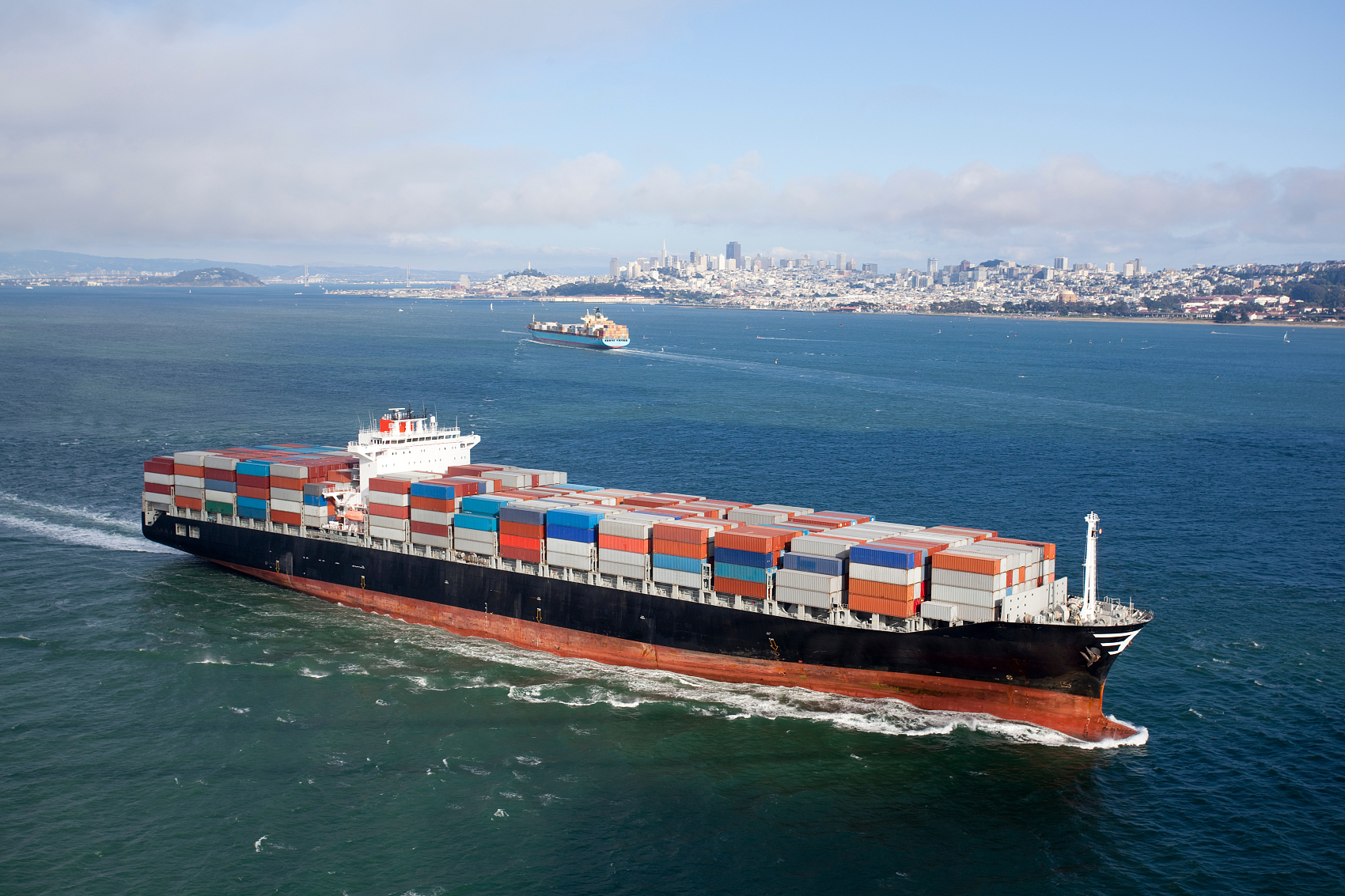
Full Container Load (FCL) shipping involves renting an entire container for your exclusive use, which provides maximum security and efficiency for bulk shipments. Specifically, the door to door model means the freight forwarder handles every step, including pickup at the Chinese factory and final delivery to your Seattle address.
Selecting sea freight for these shipments is the most cost-effective strategy for businesses moving large inventories. Consequently, this service eliminates the need for you to coordinate multiple logistics providers or manage complex port transfers yourself.
This comprehensive solution streamlines the importing process by consolidating all costs into a single quote. Furthermore, it allows for better inventory planning as you have a dedicated container moving directly to your destination without intermediate offloading.
Benefits of the FCL Model
Protection for your goods is significantly higher because the container remains sealed from the point of origin until it reaches your warehouse. Moreover, FCL shipments often face fewer delays compared to consolidated shipments because they do not require sorting at a container freight station.
Efficiency improves because you can maximize the space of a 20GP or 40HQ container based on your specific volume requirements. Therefore, companies with high-volume needs find this method much more predictable for their delivery schedule.
Why Choose FCL Over LCL for Your Seattle-Bound Cargo?
Full container load logistics offer a distinct advantage when your shipment volume exceeds 15 cubic meters. While Less than Container Load (LCL) is useful for small batches, it involves sharing space with other shippers, which increases handling risks.
Additionally, door to door FCL services typically result in faster transit times because the cargo does not wait for other shipments to fill the container. As a result, you gain better control over your supply chain and reduce the likelihood of damage during transshipment.
Compared to LCL, the cost per unit of volume is generally lower when you utilize the entire capacity of the container. Indeed, for many importers, the peace of mind knowing their goods are isolated from other cargo is worth the investment.
How Does China FCL Door to Door to Seattle Compare to Other Shipping Options?
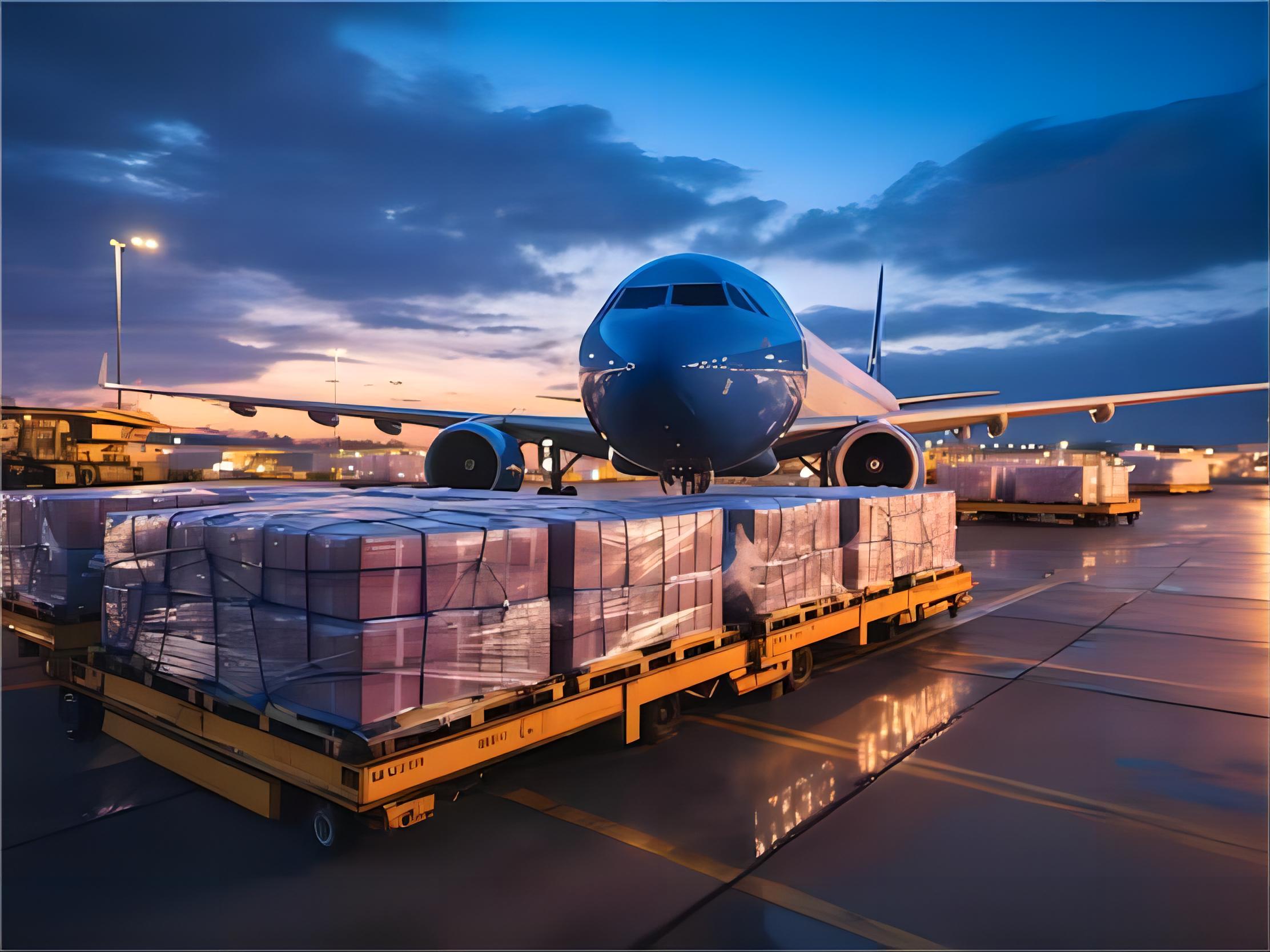
Comparing different transport modes is essential to ensure you are getting the best value for your logistics budget. While sea freight is the standard for heavy goods, some businesses might consider air or hybrid options depending on their deadlines.
Furthermore, shipping to North America involves choosing between West Coast ports like Seattle or East Coast alternatives. Seattle offers one of the shortest ocean routes from major Chinese ports like Shanghai and Ningbo.
In contrast, air freight provides unmatched speed but at a significantly higher cost that can erode profit margins for low-value items. Therefore, FCL remains the preferred choice for the majority of consumer goods and industrial equipment.
| Shipping Method | Cost Range | Transit Time | Best For |
|---|---|---|---|
| FCL Sea Freight | $2,500 – $4,500 | 14 – 22 Days | Large volumes and heavy cargo |
| LCL Sea Freight | $50 – $150 per CBM | 20 – 28 Days | Small shipments under 15 CBM |
| Air Freight | $5 – $12 per KG | 3 – 7 Days | Urgent or high-value goods |
| Sea-Air Hybrid | Moderate | 10 – 14 Days | Balancing cost and speed |
Typical Transit Times and Routes for Seattle Shipments
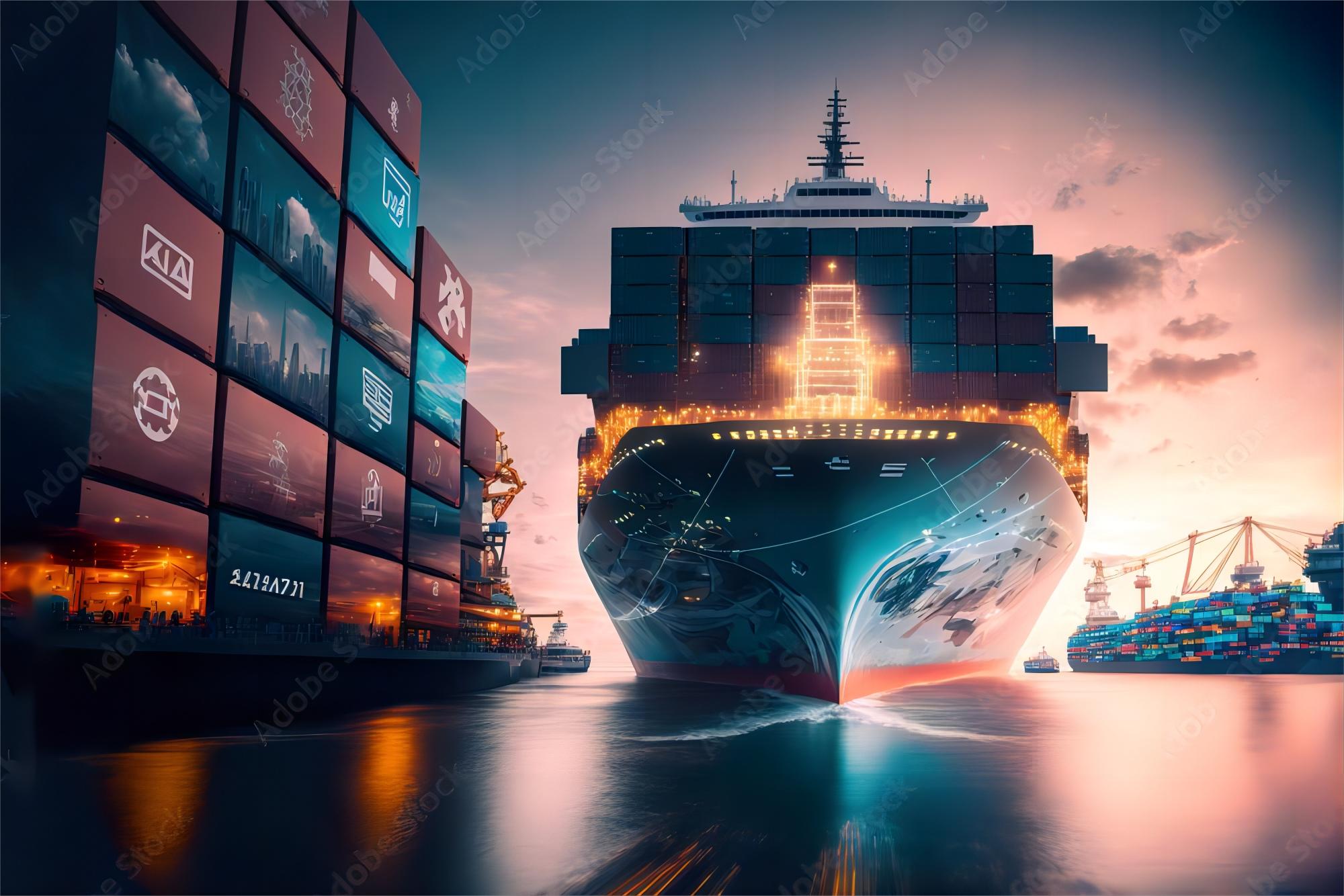
Shipping from China to the Pacific Northwest is relatively fast compared to other US destinations. Specifically, vessels departing from Shanghai or Ningbo can reach the Port of Seattle in approximately 14 to 18 days under normal conditions.
Weather patterns and seasonal demand can influence these timelines, especially during the peak shipping season from August to October. Consequently, you should always account for an additional 5 to 7 days for the door-to-door delivery portion, including customs clearance and trucking.
Selecting a direct route is vital for minimizing the risk of delays at transshipment hubs. Most major carriers offer direct services from East China ports, which ensures a more reliable arrival window for your Seattle warehouse.
Breakdown of Shipping Costs for Full Container Loads
Costs for shipping a full container are influenced by several factors, including the container size, fuel surcharges, and the current market demand. As of early 2025, freight rates have stabilized, though they remain sensitive to global economic shifts.
Port of Seattle congestion can occasionally lead to increased trucking fees or demurrage charges if the container is not picked up promptly. To avoid these surprises, working with a forwarder that provides all-in pricing is the best way to manage your budget.
Note: Freight rates are subject to change based on fuel costs, carrier capacity, and seasonal demand. Contact us for a current quote tailored to your specific shipment.
| Container Type | Max Volume | Estimated Rate | Typical Cargo |
|---|---|---|---|
| 20GP Container | 33 CBM | $2,100 – $2,800 | Heavy machinery, tiles |
| 40GP Container | 67 CBM | $3,200 – $3,900 | General consumer goods |
| 40HQ Container | 76 CBM | $3,500 – $4,200 | Furniture, light electronics |
Navigating Customs Clearance and Documentation Requirements
Clearing customs in Seattle requires precise documentation and compliance with US Customs and Border Protection (CBP) regulations. Using a professional customs brokerage service ensures that your ISF filings and entry summaries are accurate.
Importers must provide a Commercial Invoice, Packing List, and a Bill of Lading to facilitate the process. Additionally, certain products may require specific permits or certificates of origin to qualify for lower duty rates under trade agreements.
Documentation errors are the leading cause of delays at the port, often resulting in expensive storage fees. Therefore, verifying all paperwork before the ship departs China is a critical step in the door to door logistics process.
Realistic Case Studies of Seattle Door to Door Shipments
Examining real-world examples helps illustrate the efficiency and costs associated with this route. These scenarios reflect typical shipments handled during the 2024-2025 period.
Case Study 1: Electronics Distribution. Route: Shanghai to Seattle. Cargo: Consumer Electronics, 65 CBM. Container: 40HQ. Shipping Details: Direct carrier service. Ocean Freight: $3,600. Origin/Destination Charges: $850. Customs: $400. Total Landed Cost: $4,850. Timeline: 16 days sea transit, 21 days total door-to-door. Key Insight: Early ISF filing prevented port hold-ups.
Case Study 2: Home Furniture. Route: Ningbo to Seattle. Cargo: Wooden Furniture, 28 CBM. Container: 20GP. Shipping Details: Major carrier transshipment. Ocean Freight: $2,250. Origin/Destination Charges: $700. Customs: $350. Total Landed Cost: $3,300. Timeline: 19 days sea transit, 26 days total door-to-door. Key Insight: Palletizing the cargo within the FCL improved unloading speed at the warehouse.
Which Option Should You Choose? Decision Framework
Choosing the right shipping strategy depends on your specific business priorities and the nature of your cargo. If your primary goal is cost reduction and you have at least 20 cubic meters of goods, FCL is almost always the superior choice.
If speed is your priority, you might consider air freight, but be prepared for costs that are often five times higher than sea freight. For those with mid-sized shipments, LCL can work, but the increased handling and longer transit times must be weighed against the savings.
High-value or fragile items benefit most from FCL because the container is not opened until it reaches your door. Ultimately, consulting with an experienced freight forwarder will help you determine the most efficient path for your China FCL door to door to Seattle needs.
Simplifying Your Seattle Logistics
Successfully managing China FCL door to door to Seattle shipments requires a balance of proper planning, accurate documentation, and the right logistics partner. By utilizing full containers, you maximize security and minimize the cost per unit for your imports.
Reliability in your supply chain is achieved when you understand the transit times, cost structures, and customs requirements involved. Whether you are shipping electronics, furniture, or industrial parts, the door to door model provides the most convenient path to the US market.
Indeed, as global trade continues to evolve, having a dedicated FCL strategy will keep your business competitive and your inventory levels stable. Let Top China Forwarder handle the complexities so you can focus on growing your business in the Seattle region.
Ready to streamline your logistics?
Streamline your importing process today with our reliable China FCL door to door to Seattle solutions. Our team handles every detail from the factory floor to your Seattle warehouse, ensuring your cargo arrives on time and within budget. Contact us now for a competitive quote and expert logistics advice tailored to your business needs. Visit https://topchinaforwarder.com to get started.
Request Quote