

40HQ FCL Transit Time for Hardware Tools from China to New York
40HQ FCL transit time for hardware tools from China to New York typically spans between 30 and 45 days depending on the specific route and carrier choice. Navigating the complexities of international logistics requires a strategic approach and a reliable partner like Top China Forwarder to ensure your cargo arrives on schedule. This comprehensive guide explores the essential factors influencing your delivery timeline and provides actionable insights for optimizing your hardware tool supply chain.

Understanding 40HQ FCL Transit Time for Hardware Tools from China to New York
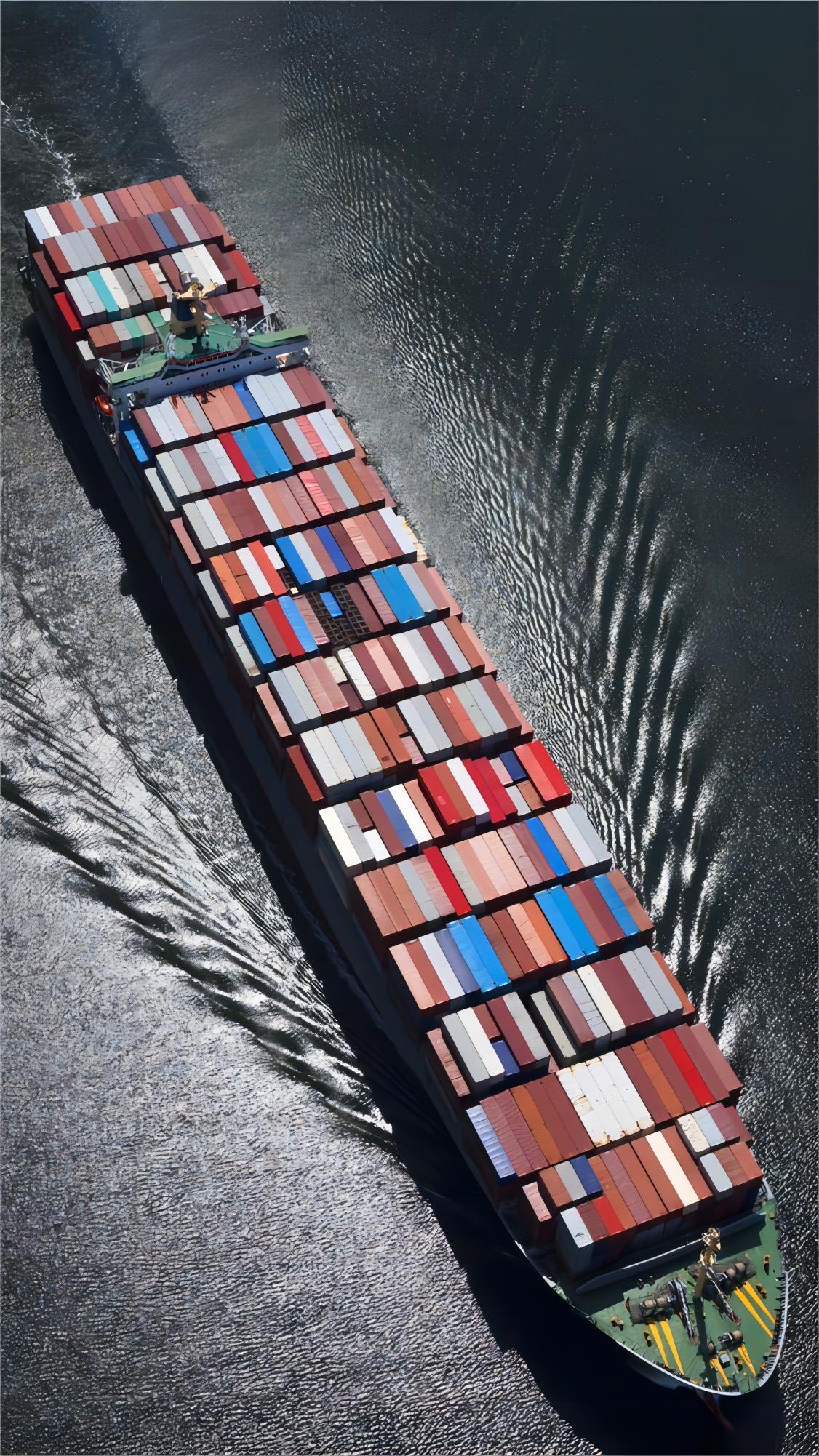
Shipping hardware tools in a 40HQ container is the industry standard for high-volume importers who prioritize cost-efficiency and cargo safety. Furthermore, the 40HQ FCL transit time for hardware tools from China to New York is largely determined by the maritime route taken, whether through the Panama Canal or via the Suez Canal.
Consequently, businesses must account for both sea transit and the time required for origin and destination handling. Selecting sea freight remains the most economical solution for heavy metal goods like wrenches, power drills, and hammer sets.
Moreover, the transit time usually includes several stages, including drayage from the factory, port loading, ocean voyage, and final customs clearance. Therefore, understanding these steps is vital for maintaining a consistent inventory level in the competitive New York market.
Additionally, hardware tools are often high-density items that require careful weight distribution within the container. Indeed, the structural integrity of the 40HQ container allows for maximum volume utilization while protecting sensitive electronic components in power tools from moisture and impact.
Primary Shipping Routes to the North American East Coast
The geographical distance between Chinese manufacturing hubs and the Port of New York necessitates a long-haul maritime strategy. Specifically, most shipments traveling to North America utilize either the All-Water route or the West Coast Land Bridge.
In addition, the All-Water route via the Panama Canal is the most common choice for hardware importers located in the Tri-State area. This route typically takes 32 to 38 days but avoids the additional handling costs associated with rail transshipment from California.
On the other hand, the Suez Canal route is sometimes used for shipments originating from Southern China, though it has faced disruptions in recent months. Nevertheless, carriers continuously adjust their schedules based on global maritime conditions and canal congestion levels.
Subsequently, the West Coast Land Bridge involves shipping to Los Angeles or Long Beach and then moving the container via rail to New York. While this method can reduce transit time to approximately 22 to 28 days, it often incurs higher costs due to the complexity of intermodal logistics.
| Route Type | Average Transit Time | Primary Port of Entry | Pros and Cons |
|---|---|---|---|
| All-Water (Panama) | 32-38 Days | Port of New York/New Jersey | Lower cost, no rail handling |
| All-Water (Suez) | 38-45 Days | Port of New York/New Jersey | Alternative during Panama drought |
| Land Bridge (West Coast) | 22-28 Days | LA/Long Beach to Rail | Faster transit, higher cost |
| Direct Express | 30-32 Days | New York | Premium service, limited space |
How Does Sea Freight Compare to Other Shipping Options?
While 40HQ FCL is the preferred method for bulk hardware, other options exist for different volume and urgency requirements. For instance, air freight provides unparalleled speed for urgent tool replacements or high-value specialty equipment.
However, the cost of air transport for heavy metal tools is often prohibitive for standard inventory replenishment. Consequently, sea freight remains the backbone of the hardware supply chain due to its ability to handle massive weight at a fraction of the cost.
Moreover, LCL (Less than Container Load) is an alternative for smaller shipments, though it often results in longer transit times due to the consolidation process. In contrast, FCL (Full Container Load) provides a dedicated space that reduces the risk of damage and speeds up the unloading process in New York.
| Shipping Method | Cost Range | Transit Time | Best For |
|---|---|---|---|
| 40HQ FCL Sea | $4,500 – $6,000 | 30-45 Days | Bulk inventory and heavy tools |
| LCL Sea Freight | $80 – $150 per CBM | 40-50 Days | Small batches and samples |
| Air Freight | $5.00 – $8.00 per kg | 5-9 Days | Urgent orders and high-value parts |
| Express Service | $8.00 – $12.00 per kg | 3-5 Days | Prototypes and emergency repairs |
Key Factors Influencing Your Delivery Schedule
Several external variables can impact the 40HQ FCL transit time for hardware tools from China to New York. For example, port congestion at major hubs like Shanghai or Ningbo can delay departures by several days during peak seasons.
Additionally, weather conditions in the Pacific or Atlantic Oceans can force vessels to take longer routes or slow down for safety. Therefore, it is essential to build a buffer of at least 5 to 7 days into your supply chain planning.
Furthermore, the efficiency of customs brokerage services plays a critical role in the final delivery phase. If documentation is incomplete, hardware tools may be held for inspection, leading to significant demurrage charges at the New York terminal.
Notably, seasonal trends such as the Chinese New Year or the Q4 holiday rush often lead to equipment shortages and rolled cargo. Consequently, booking your container at least 3 to 4 weeks in advance is highly recommended during these periods.
Cost Analysis for 40HQ FCL Shipments
As of early 2025, freight rates for a 40HQ container from China to New York have stabilized but remain sensitive to fuel surcharges. Typically, ocean freight rates for this route range from $4,500 to $6,000 depending on the departure port and service contract.
Moreover, importers must account for origin charges such as Terminal Handling Charges (THC) and documentation fees, which usually total $300 to $500. At the destination, New York port fees and drayage to your warehouse can add another $800 to $1,200 to the total cost.
Indeed, hardware tools often fall under specific tariff classifications that may attract additional duties. Accordingly, consulting with a logistics expert to verify HS codes can prevent unexpected financial burdens during the import process.
Note: Freight rates are subject to change based on fuel costs, carrier capacity, and seasonal demand. Contact us for a current quote tailored to your specific shipment.
Real-World Case Studies for Tool Shipments
Case Study 1: Efficiency via the Panama Canal
Route: Ningbo, China to New York, USA
Cargo: Professional Hand Tool Sets, 68 CBM, 20,000 kg
Container: 40HQ
Shipping Details:
– Carrier: COSCO
– Port of Loading: Ningbo
– Port of Discharge: New York
– Route Type: All-Water via Panama
Cost Breakdown:
– Ocean Freight: $5,200
– Origin Charges: $400
– Destination Charges: $950
– Customs and Duties: $1,800
– Total Landed Cost: $8,350
Timeline:
– Booking to Loading: 6 days
– Sea Transit: 34 days
– Customs Clearance: 2 days
– Total Door-to-Door: 42 days
Key Insight: Using a direct All-Water service minimized handling and kept the tools in pristine condition.
Case Study 2: Fast-Track via West Coast Land Bridge
Route: Shenzhen, China to New York, USA
Cargo: Electric Power Tools, 62 CBM, 15,000 kg
Container: 40HQ
Shipping Details:
– Carrier: ZIM
– Port of Loading: Yantian
– Port of Discharge: Los Angeles (then Rail to NY)
– Route Type: Intermodal Land Bridge
Cost Breakdown:
– Ocean and Rail Freight: $6,800
– Origin Charges: $350
– Destination Charges: $700
– Customs and Duties: $2,100
– Total Landed Cost: $9,950
Timeline:
– Booking to Loading: 4 days
– Sea Transit: 14 days
– Rail Transit: 7 days
– Customs and Delivery: 4 days
– Total Door-to-Door: 29 days
Key Insight: The Land Bridge route saved 13 days compared to the All-Water route, which was critical for a seasonal product launch.

Logistics Strategies for Hardware Tool Importers
Implementing a door to door shipping strategy can significantly simplify the management of hardware tool imports. This approach allows the forwarder to handle every detail from the factory floor in China to the retail shelf in New York.
Furthermore, consolidating shipments from multiple suppliers into a single 40HQ container can maximize space and reduce per-unit shipping costs. Consequently, many successful importers utilize warehouse storage in China to gather inventory before booking their FCL shipment.
Additionally, investing in high-quality packaging is essential for hardware tools to prevent rust and damage during the long ocean voyage. Specifically, using moisture-absorbing silica packets and reinforced pallets can save thousands of dollars in potential cargo loss.
To summarize, a proactive logistics strategy involves monitoring market trends and maintaining flexible lead times. Therefore, staying informed about port conditions in New York and vessel schedules in China is a competitive necessity.
Which Option Should You Choose? Decision Framework
Choosing the right shipping method depends on your specific business priorities, including budget, speed, and cargo volume. If budget is your primary concern, the All-Water route via the Panama Canal is the most logical choice for a 40HQ container.
However, if speed is a priority due to low stock levels, the West Coast Land Bridge offers a significant time advantage despite the higher price tag. Moreover, for extremely small batches of high-value tools, LCL or even air freight may be more appropriate.
In addition, consider the weight of your hardware tools, as sea freight is much more forgiving of heavy loads than air transport. Consequently, most hardware importers find that FCL sea freight provides the perfect balance of security and affordability.
Final Thoughts on Shipping Hardware Tools to New York
In conclusion, managing the 40HQ FCL transit time for hardware tools from China to New York is a multifaceted process that rewards careful planning. By understanding the different routes, costs, and external factors, you can build a more resilient and efficient supply chain.
Whether you choose the traditional All-Water route or the faster Land Bridge, working with an experienced freight forwarder is the best way to mitigate risks. Start planning your next shipment today to ensure your hardware tools reach the New York market without unnecessary delays.
Ready to streamline your logistics?
Optimizing your 40HQ FCL transit time for hardware tools from China to New York requires expertise and dedication. Contact Top China Forwarder today to receive a customized shipping quote and streamline your international logistics. Our team is ready to help you navigate customs and ensure your tools arrive on time. Reach out now to start your shipment.
Request Quote