

FCL Shipping for Machinery from China to Illinois: A Comprehensive Guide
Transporting heavy equipment requires a strategic approach to ensure safety and cost-efficiency. If you are planning FCL shipping for machinery from China to Illinois, understanding the nuances of ocean freight and inland logistics is essential. By partnering with a reliable partner like Top China Forwarder, businesses can navigate the complexities of international trade while maintaining a streamlined supply chain. This guide provides a detailed roadmap for managing your industrial cargo effectively.
Why Choose FCL Shipping for Machinery from China to Illinois?
Full Container Load (FCL) stands as the gold standard for transporting high-value industrial assets. Unlike Less than Container Load (LCL), FCL provides a dedicated space, reducing the risk of damage from other shippers’ goods. Consequently, this method is ideal for sensitive electronics or heavy CNC machines that require specific lashing and securing protocols.
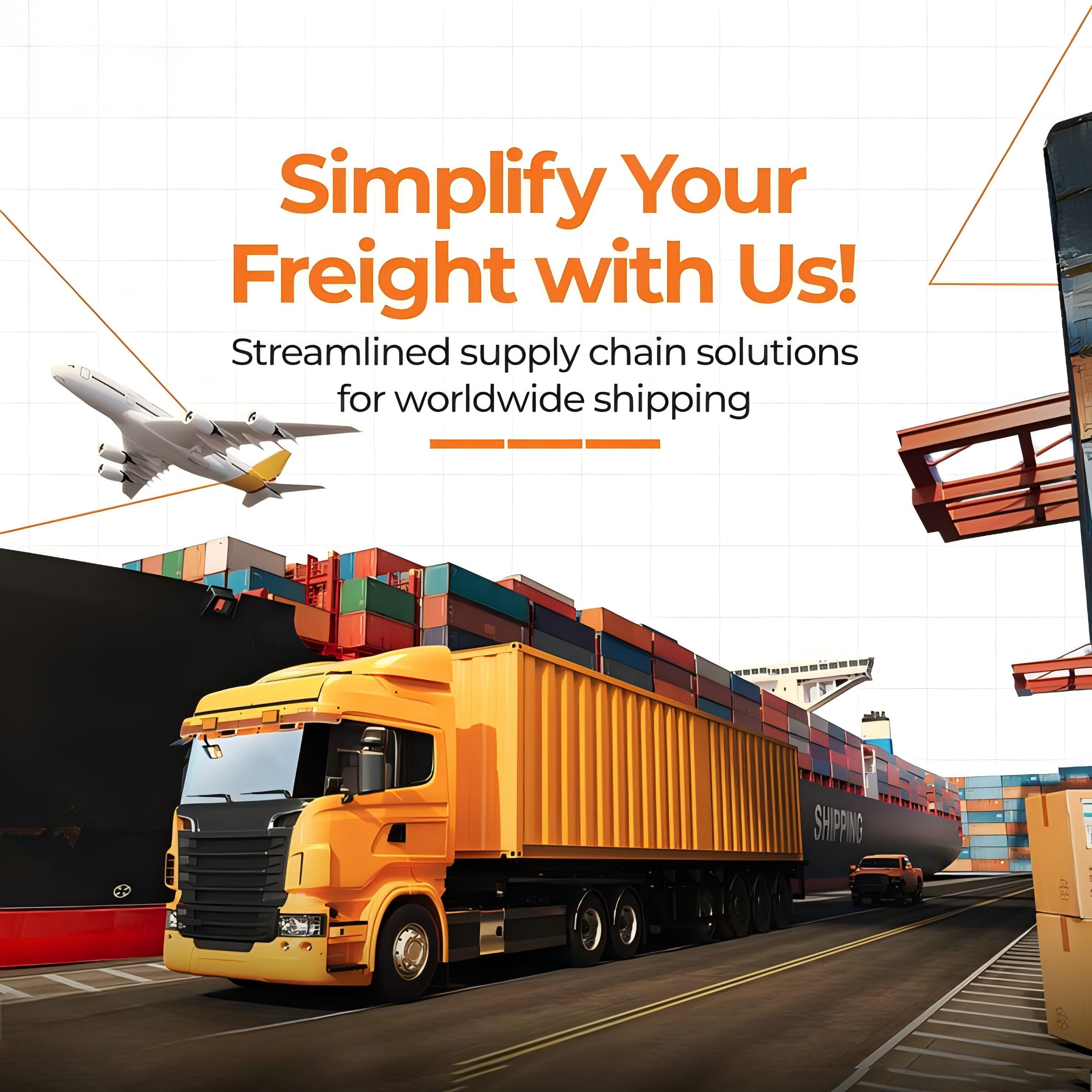
Moreover, FCL shipping for machinery from China to Illinois offers better control over the delivery schedule. Since the container is packed at the factory and remains sealed until it reaches the final destination, the likelihood of theft or mishandling decreases significantly. This security is paramount when moving expensive manufacturing lines or agricultural equipment across the Pacific.
Additionally, using sea freight for full containers is often more economical for large volumes. When the volume of your machinery exceeds 15 cubic meters, the cost per unit drops compared to other methods. Therefore, many Illinois-based manufacturers prefer this approach for their annual procurement cycles.
How Does FCL Compare to Other Shipping Options?
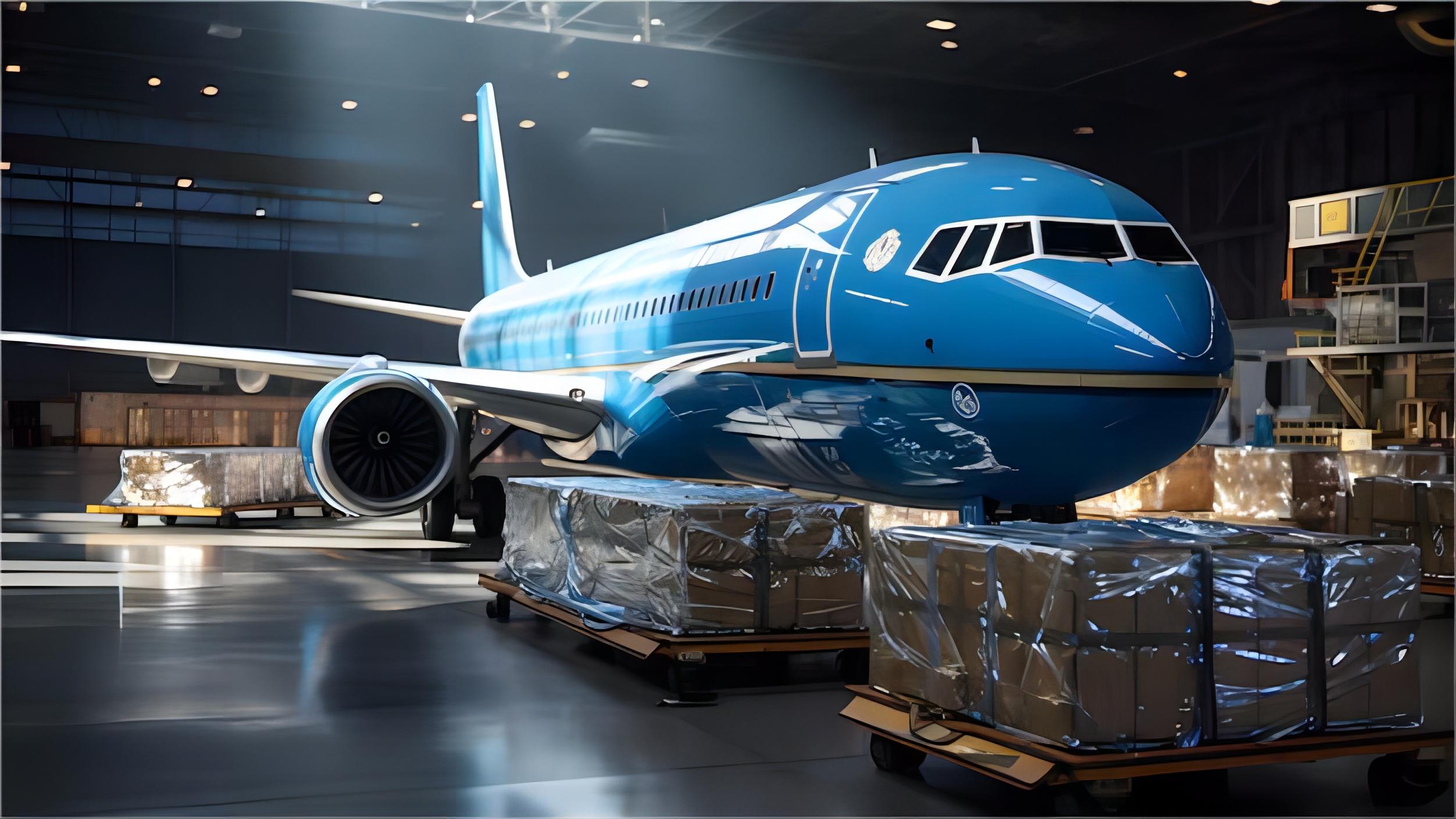
Evaluating different logistics modes is critical for optimizing your budget and timeline. While FCL is excellent for volume, some urgent components might require different handling. For instance, smaller replacement parts are better suited for air freight services, which offer much faster transit times.
However, for the bulk of industrial machinery, ocean freight remains the most viable solution. Rail freight is an alternative for some land-locked regions, but for the China-to-US route, it is not a direct option. Instead, a combination of sea and rail, known as Intermodal Point Interior (IPI), is the standard for reaching Illinois.
To clarify the differences, consider the following comparison table which highlights the trade-offs between speed, cost, and capacity for this specific trade lane.
| Shipping Method | Cost Range | Transit Time | Best For |
|---|---|---|---|
| FCL (20GP/40HQ) | $3,500 – $6,500 | 25 – 40 Days | Heavy Machinery |
| LCL (Per CBM) | $80 – $150 | 35 – 45 Days | Small Equipment |
| Air Freight | $5.00 – $9.00/kg | 5 – 9 Days | Urgent Spare Parts |
| Express | $8.00 – $12.00/kg | 3 – 5 Days | Small Prototypes |
Key Logistics Routes from China to Illinois
Shipping machinery to a landlocked state like Illinois requires a multi-modal strategy. Most shipments originate from major Chinese hubs such as Shanghai, Ningbo, or Shenzhen. These ports offer frequent sailings and competitive rates for FCL shipping for machinery from China to Illinois.
Once the vessel crosses the Pacific, it typically arrives at West Coast ports like Los Angeles or Long Beach. From there, the container is loaded onto a train for transport to the Chicago rail ramps. Alternatively, some shippers choose the all-water route through the Panama Canal to East Coast ports like Savannah or New York, followed by trucking.
Consequently, the choice of port can impact both the price and the arrival date. Using a door to door service ensures that the transition between sea, rail, and road is handled by a single logistics provider, minimizing delays at the Chicago interchange.
Essential Documentation and Customs Compliance
Navigating the regulatory landscape is a vital step in the import process. Machinery often falls under complex Harmonized System (HS) codes that determine the applicable tariffs. Furthermore, the U.S. Customs and Border Protection (CBP) requires precise documentation to prevent delays and penalties.
Crucial documents include the Commercial Invoice, Packing List, and the Bill of Lading. For specialized machinery, you might also need certificates of origin or wood packaging material certifications. Without these, your FCL shipping for machinery from China to Illinois could face expensive storage fees at the port.
In addition, working with a professional customs brokerage firm is highly recommended. They can help identify potential Section 301 tariffs or anti-dumping duties that specifically target Chinese machinery. This proactive approach prevents unexpected costs from eroding your profit margins.
Case Studies: Real-World Machinery Shipments
Examining past shipments provides valuable insights into the practicalities of the China-to-Illinois route. Below are two scenarios based on typical market conditions from late 2024 and early 2025.
Case Study 1: CNC Milling Machines from Ningbo to Chicago Route: Ningbo Port to Chicago via LA (IPI) Cargo: 3 CNC Machines, 22,000 kg total Container: 1 x 40HQ Ocean Freight: $4,850 Origin/Destination Charges: $1,200 Total Landed Cost: $6,050 (Excl. Duties) Transit Time: 28 Days Key Insight: Using a 40HQ provided extra height for the machine heads, avoiding the need for expensive open-top containers.
Case Study 2: Industrial Injection Molds from Shanghai to Joliet Route: Shanghai to Chicago via Prince Rupert Cargo: 8 Sets of Molds, 14 CBM Container: 1 x 20GP Ocean Freight: $3,200 Origin/Destination Charges: $950 Total Landed Cost: $4,150 (Excl. Duties) Transit Time: 24 Days Key Insight: Routing through Prince Rupert, Canada, saved 4 days compared to the congested Los Angeles port.
Cost-Saving Strategies for Machinery Importers
Reducing logistics expenses requires careful planning and timing. For instance, booking your container at least 3 to 4 weeks in advance can help you secure lower rates. Additionally, avoiding the peak season between August and October can save you hundreds of dollars in surcharges.
Another effective strategy is to optimize the packing of your container. If you can fit more equipment into a single 40HQ instead of two 20GP containers, you will significantly reduce your ocean freight costs. Moreover, consolidating multiple orders from different Chinese suppliers into one FCL shipment is a smart move for growing businesses.
Note: Freight rates are subject to change based on fuel costs, carrier capacity, and seasonal demand. Contact us for a current quote tailored to your specific shipment.
Which Option Should You Choose? Decision Framework
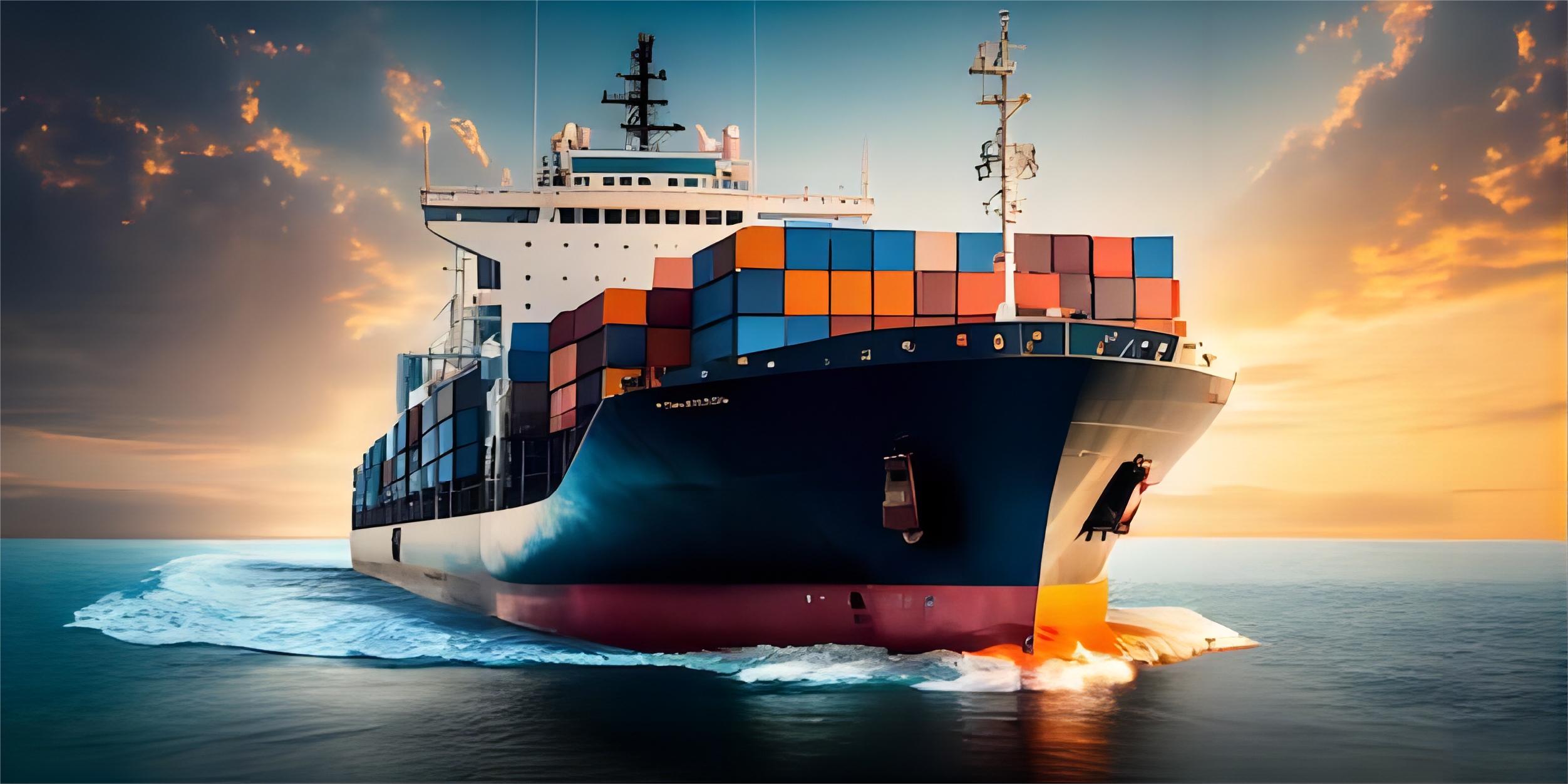
Selecting the right shipping strategy depends on your specific business priorities. If your primary goal is cost-effectiveness and you have a flexible timeline, standard ocean FCL is the clear winner. However, if you are facing a production shutdown, the higher cost of air freight may be justified.
Consider the following criteria for your decision: If the cargo value is high and the volume is over 15 CBM, choose FCL. If the machinery is oversized and cannot fit in a standard box, look into Flat Rack or Breakbulk options. Finally, if you need a hands-off experience, a full door-to-door contract is the most efficient choice.
Ultimately, the best approach involves balancing speed, safety, and budget. By analyzing these factors before the cargo leaves the factory, you can ensure a smooth FCL shipping for machinery from China to Illinois experience.
Final Thoughts on Illinois Machinery Imports
In summary, managing FCL shipping for machinery from China to Illinois requires attention to detail, from choosing the right container to navigating customs. By understanding the routes, costs, and documentation involved, you can avoid common pitfalls and optimize your logistics spend.
Whether you are importing CNC machines, agricultural tools, or textile equipment, the right preparation is key. Remember to consult with logistics professionals to stay updated on the latest market trends and regulatory changes.
Ready to streamline your logistics?
Streamline your industrial supply chain today by requesting a personalized quote. Our experts specialize in FCL shipping for machinery from China to Illinois, ensuring your heavy equipment arrives safely and on time. Send Inquiry link:
Request Quote