Reefer FCL Tracking for Electronics from China to Florida: A 2025 Guide
Shipping sensitive electronic components requires more than just a standard container. Implementing robust reefer FCL tracking for electronics from China to Florida is the only way to guarantee that your high-value cargo arrives in perfect condition. By partnering with Top China Forwarder, you gain access to specialized logistics solutions that prioritize both speed and thermal stability. This guide explores the complexities of temperature-controlled shipping for the electronics industry.
Why is reefer FCL tracking for electronics from China to Florida essential?
Electronics are highly susceptible to environmental factors such as extreme heat and high humidity. Consequently, using sea freight with refrigerated containers (reefers) is the standard for high-volume shipments. These containers maintain a steady climate, preventing the expansion and contraction of delicate circuit boards.
Managing the moisture levels is equally important during the long journey across the Pacific. Without proper humidity control, condensation can form inside the container as it moves through different climate zones. Therefore, real-time tracking allows shippers to monitor these levels and intervene if the equipment fails.
Financial risks associated with damaged electronics are substantial for modern tech companies. Indeed, a single container of high-end servers or lithium-ion batteries can be worth millions of dollars. Maintaining a consistent temperature prevents chemical degradation in batteries and ensures that microchips remain within their operational specifications.
Furthermore, the complexity of the route from China to the East Coast of the United States adds another layer of risk. Shipments must pass through the Panama Canal or navigate around the Cape, exposing the cargo to varying external conditions. Accurate tracking provides the peace of mind that your investment is safe throughout these transitions.
How does temperature control protect electronic components?
Temperature fluctuations can lead to the physical warping of plastic housings and silicon wafers. Moreover, extreme cold can make certain materials brittle, while excessive heat can lead to the melting of adhesives. By utilizing a reefer, you create a stable micro-environment that shields the cargo from these external threats.
Humidity control is perhaps the most critical feature for electronics transported via the ocean. High humidity leads to corrosion on copper connectors and solder joints, which may not be visible until the product fails in the consumer’s hands. Reefers effectively dehumidify the air, keeping the relative humidity below the threshold for oxidation.
Additionally, many modern electronics contain specialized sensors that are sensitive to thermal shock. Rapid changes in temperature during loading or unloading at the Port of Miami can trigger internal errors. Constant monitoring ensures that the transition between the ship and the warehouse is handled with care.
How Does Reefer FCL Compare to Other Shipping Options?
Choosing the right shipping method depends on your budget, timeline, and the sensitivity of your cargo. While air freight is significantly faster, the costs are often prohibitive for large-scale distribution. On the other hand, standard dry containers lack the environmental protections required for high-end tech.
Below is a comparison of the primary methods used for shipping electronics from China to Florida. This analysis highlights the trade-offs between cost, speed, and safety for your supply chain.
| Shipping Method | Cost Range | Transit Time | Best For | Limitations |
|---|---|---|---|---|
| Reefer FCL | $4,500 – $6,500 | 30 – 35 Days | Sensitive Tech | Higher Cost |
| Dry FCL | $3,000 – $4,500 | 30 – 35 Days | Durable Goods | No Temp Control |
| Air Freight | $15,000 – $25,000 | 5 – 7 Days | Urgent Samples | Very Expensive |
| LCL Reefer | $150 – $250/CBM | 35 – 40 Days | Small Batches | Contamination Risk |
What are the primary shipping routes from China to Florida?
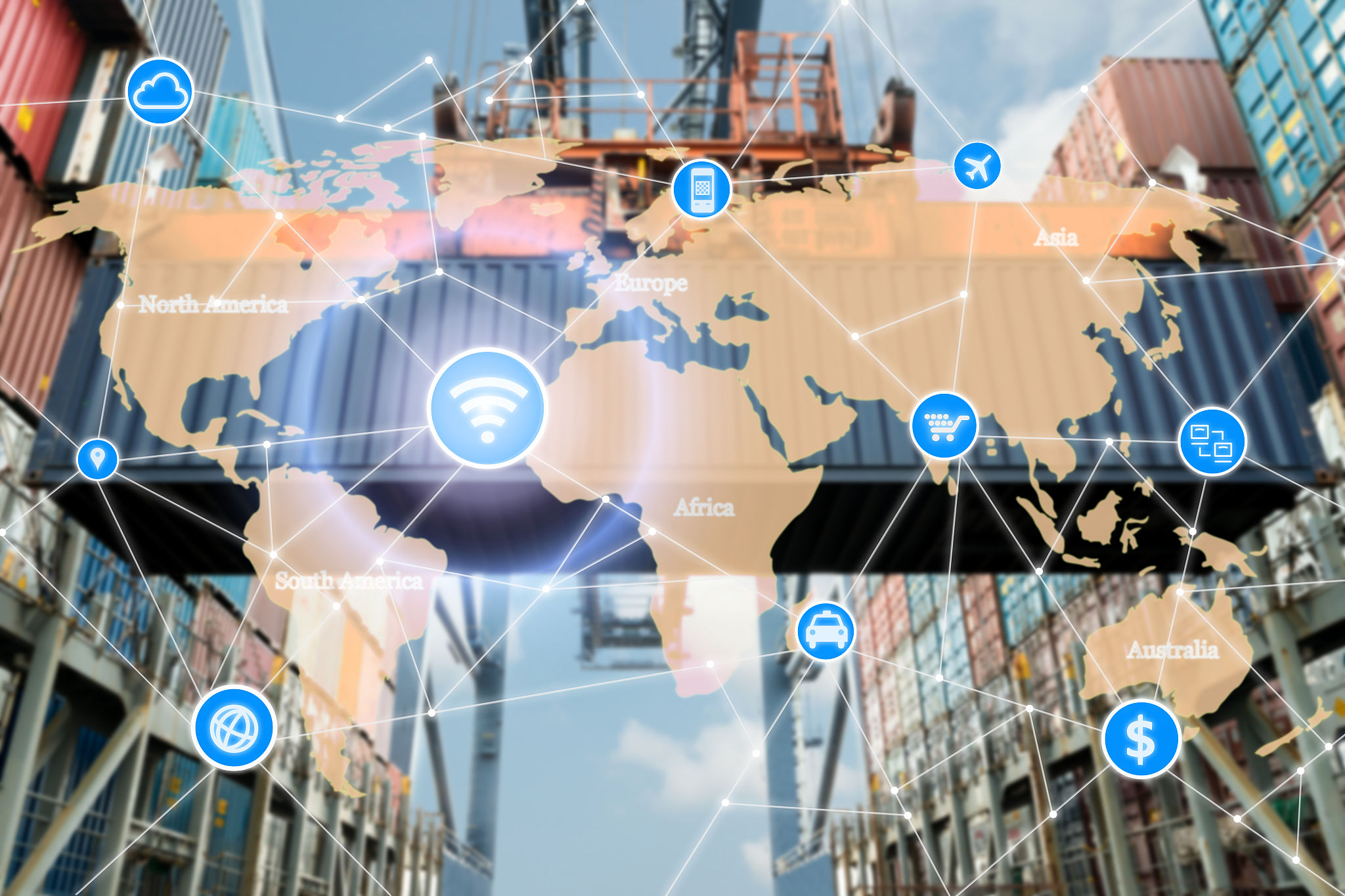
Most shipments destined for Florida originate from major manufacturing hubs like Shenzhen, Ningbo, or Shanghai. These containers typically travel through the Panama Canal to reach ports like Port Miami or Port Everglades. This all-water route is preferred for North America East Coast deliveries to avoid the high costs of transcontinental rail.
Alternatively, some shippers choose to discharge at the Port of Los Angeles and use refrigerated rail services. However, this method involves more cargo handling, which increases the risk of temperature excursions. Direct sea routes to Florida ports are generally safer for sensitive electronics.
Lately, the Port of Jacksonville (JAXPORT) has also become a popular entry point for electronics. It offers excellent connectivity to the rest of the Southeastern United States. Regardless of the port, ensuring that your forwarder has a strong presence at both the origin and destination is vital.
What documents are required for Florida customs clearance?
Navigating the legal requirements for importing electronics into the United States is complex. You must work with an experienced customs brokerage to ensure all paperwork is filed correctly and on time. Errors in documentation can lead to expensive delays and additional storage fees at the port.
Specifically, electronics often require FCC compliance certifications and detailed packing lists. The following table provides a checklist of the essential documents needed for a smooth customs process in Florida.
| Document Name | Purpose | Required By | Key Info |
|---|---|---|---|
| Commercial Invoice | Valuation | CBP | Unit Price, Total |
| Packing List | Cargo Verification | Port Authority | Weight, Dimensions |
| Bill of Lading | Title of Goods | Carrier | Consignee Details |
| FCC Form 740 | Tech Compliance | FCC | Radio Frequency |
Which tracking technologies provide real-time data?
Modern reefer FCL tracking for electronics from China to Florida relies on Internet of Things (IoT) sensors. These devices are placed inside the container to transmit data via satellite or cellular networks. They provide continuous updates on temperature, humidity, and even light exposure, which can indicate if a container has been opened.
Cloud-based dashboards allow logistics managers to view their entire fleet from a single interface. Consequently, if a reefer’s cooling unit fails, the system sends an immediate alert. This allows the carrier to attempt repairs while the ship is still at sea, potentially saving the cargo.
Moreover, GPS tracking provides precise location data, allowing for more accurate delivery schedules. Knowing exactly when a shipment will arrive at the warehouse helps in planning labor and inventory management. This level of transparency is essential for maintaining a lean supply chain.
How can you optimize shipping costs for refrigerated containers?
Reducing expenses in the cold chain requires careful planning and strategic partnerships. One effective method is to utilize door to door services that bundle trucking, ocean freight, and customs clearance. This eliminates the markup from multiple middle-men and streamlines the entire process.
Booking your shipments during off-peak seasons can also result in significant savings. Freight rates typically spike during the months leading up to the holiday season. By adjusting your production schedule, you can take advantage of lower rates in the first and second quarters.
Note: Freight rates are subject to change based on fuel costs, carrier capacity, and seasonal demand. Contact us for a current quote tailored to your specific shipment.

Which Option Should You Choose?
Deciding on the best shipping strategy depends on your specific business priorities. If your primary concern is the bottom line and your electronics are relatively durable, a dry container with desiccant packs might suffice. However, for high-value or sensitive items, the protection of a reefer is indispensable.
Budget priority: If cost is the only factor, consider LCL shipping for smaller volumes, though this increases the risk of handling damage. For large volumes, FCL is always more cost-effective per unit.
Speed priority: If you are facing a product launch deadline, air freight is the only viable option despite the high cost. For steady inventory replenishment, the 30-day sea route is the industry standard.
Cargo type considerations: Items with large lithium batteries or sensitive optical sensors should always be shipped in temperature-controlled reefers to prevent permanent damage.
Case Studies: Successful Electronics Shipments to Florida
Case Study 1: High-End Server Racks from Shenzhen to Miami. A tech firm needed to transport 20 units of sensitive server equipment. We utilized a 40HQ Reefer container with active humidity control. The total transit time was 28 days via the Panama Canal. The landed cost was approximately $6,200, and the cargo arrived with zero defects.
Case Study 2: Precision Sensors from Ningbo to Port Everglades. This shipment involved 15 CBM of delicate industrial sensors. By choosing a 20GP Reefer, the client maintained a strict 20-degree Celsius environment. Despite a 3-day delay at customs, the real-time tracking confirmed the internal temperature remained stable. The total door-to-door time was 35 days, costing $4,800.
Securing Your Electronics Supply Chain
Successfully managing reefer FCL tracking for electronics from China to Florida is a vital component of a modern logistics strategy. By understanding the risks of temperature and humidity, you can make informed decisions that protect your inventory and your reputation. Whether you are shipping servers, batteries, or consumer gadgets, the right technology and partners make all the difference.
To summarize, the combination of advanced IoT tracking and specialized refrigerated containers offers the highest level of security for ocean freight. As market trends evolve, staying ahead of logistics challenges will ensure your business remains competitive in the Florida market.
Ready to streamline your logistics?
Ensure your sensitive electronics are protected with the industry’s most reliable reefer FCL tracking for electronics from China to Florida. Contact Top China Forwarder today to receive a customized quote and secure your 2025 shipping schedule. Visit our website to start your inquiry: Visit https://topchinaforwarder.com
Request Quote