

40GP FCL insurance for solar panels from China to Spain Guide
Shipping renewable energy equipment requires a specialized approach to risk management and logistics planning. When you partner with Top China Forwarder, you gain access to comprehensive 40GP FCL insurance for solar panels from China to Spain that secures your cargo against unforeseen maritime risks. This guide explores the essential components of insuring full container loads to ensure your supply chain remains resilient and cost-effective.

Understanding 40GP FCL insurance for solar panels from China to Spain
Securing 40GP FCL insurance for solar panels from China to Spain is a fundamental step for any importer looking to mitigate financial loss. Solar panels are inherently fragile and sensitive to vibrations, pressure, and moisture during long-haul ocean voyages.
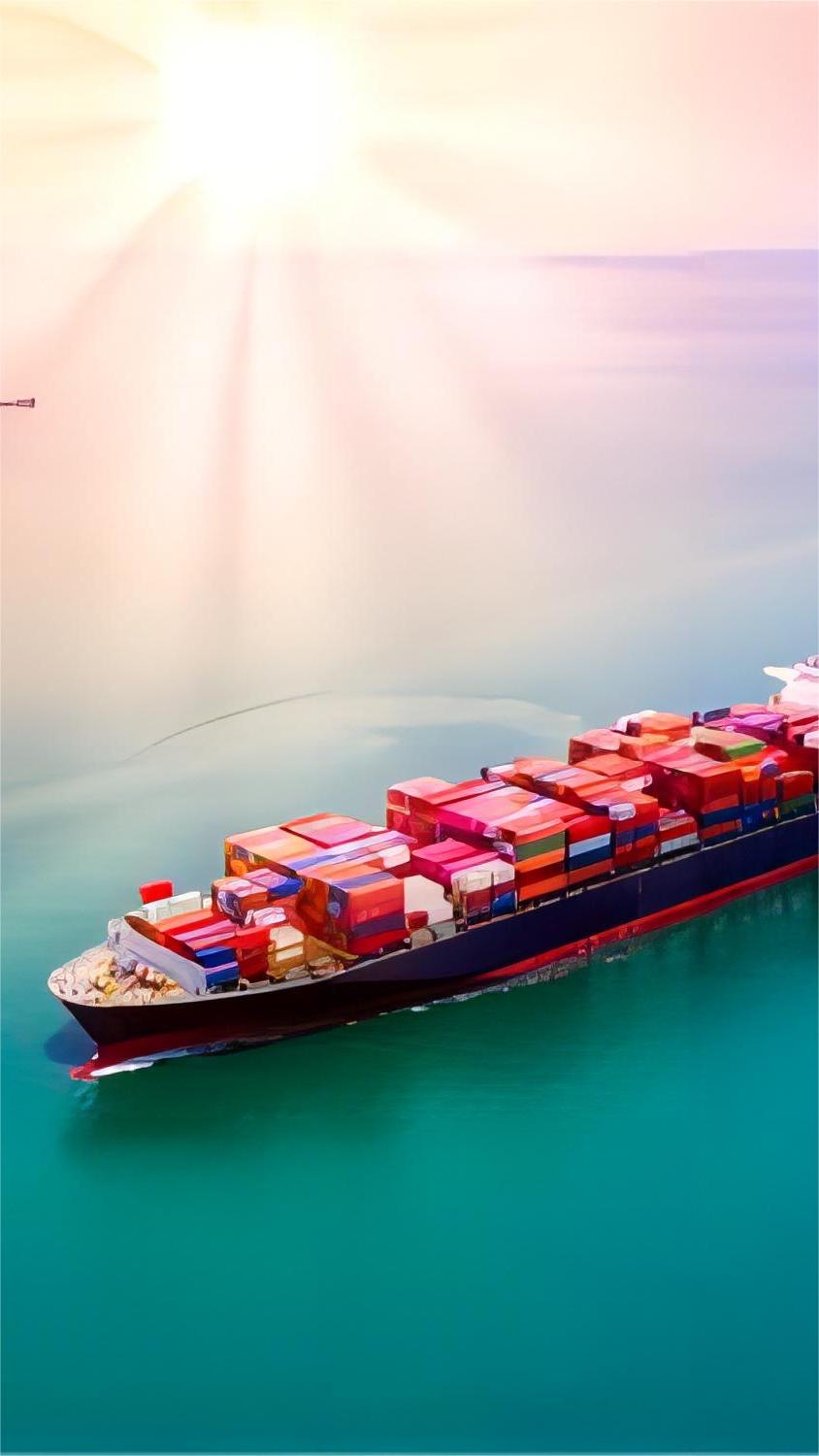
Furthermore, the standard liability offered by carriers is often insufficient to cover the full value of high-tech monocrystalline or polycrystalline modules. Consequently, purchasing a dedicated all-risk insurance policy provides the peace of mind necessary for large-scale energy projects.
Selecting the right coverage involves understanding the specific risks associated with the route from major Chinese ports like Ningbo or Shanghai to Spanish hubs such as Valencia or Barcelona. Most policies will cover theft, damage during handling, and losses resulting from maritime accidents.
How Does 40GP FCL Compare to Other Shipping Options?
Choosing sea freight for solar panels is the most common strategy due to the volume and weight of the cargo. However, it is vital to compare this method with alternatives like rail or air to determine the best fit for your timeline.
Moreover, while sea freight offers the lowest cost per unit, rail freight through the Silk Road provides a faster alternative for urgent project deadlines. Nevertheless, the vibration levels on rail tracks can sometimes pose a higher risk to glass components than the steady motion of a container ship.
Additionally, the insurance premiums for different modes of transport vary based on the historical risk data associated with those routes. For instance, sea freight insurance is typically more affordable because of the established safety protocols of major global carriers.
| Shipping Method | Cost Range (40GP) | Transit Time | Best For |
|---|---|---|---|
| Sea Freight FCL | $2,800 – $3,800 | 30-45 Days | Bulk solar shipments |
| Rail Freight | $4,500 – $6,500 | 18-24 Days | Mid-speed requirements |
| Air Freight | $15,000 – $25,000 | 5-9 Days | Urgent replacements |
| Sea-Air Hybrid | $7,000 – $9,000 | 15-20 Days | Balancing cost/speed |
Why Solar Panel Shipments Need Specialized Insurance
Solar modules are susceptible to micro-cracks that are not always visible to the naked eye upon delivery. Indeed, these cracks can significantly reduce the efficiency of the panels over time, leading to long-term financial losses for the installer.
Therefore, having 40GP FCL insurance for solar panels from China to Spain that includes coverage for hidden damage is essential. Without a robust customs brokerage partner to assist with inspections, identifying these issues at the port of entry becomes much more difficult.
Specifically, insurance policies should be tailored to include ‘Institute Cargo Clauses (A)’ which offer the widest range of protection for new machinery and electronic components. This level of coverage ensures that even minor handling errors by port staff are financially covered.
Current Freight Rates and Insurance Premiums in 2025
Market data suggests that freight rates from China to Europe have stabilized in early 2025 following the disruptions of previous years. Currently, a 40GP container from Shenzhen to Valencia ranges between $2,900 and $3,700 depending on the carrier and seasonal demand.
Insurance premiums typically reflect a percentage of the total invoice value, usually ranging from 0.1% to 0.5%. For a container filled with $100,000 worth of solar panels, the insurance cost might be as low as $200 to $500, which is a negligible expense compared to the potential loss.
Note: Freight rates are subject to change based on fuel costs, carrier capacity, and seasonal demand. Contact us for a current quote tailored to your specific shipment.
| Container Type | Average Freight Cost | Insurance Estimate | Max Capacity |
|---|---|---|---|
| 20GP FCL | $1,800 – $2,500 | $150 – $300 | 28 CBM |
| 40GP FCL | $2,800 – $3,800 | $300 – $600 | 58 CBM |
| 40HQ FCL | $3,000 – $4,200 | $350 – $700 | 68 CBM |
Logistics Trends Affecting China to Spain Routes
Logistics trends in 2025 indicate a shift toward more transparent supply chain tracking and digital insurance claims. As a result, importers can now monitor the environmental conditions inside their containers, such as humidity and shock levels, in real-time.
Meanwhile, the port of Algeciras and the port of Valencia have increased their cargo handling efficiency to accommodate the surge in renewable energy imports. This improvement reduces the time panels spend sitting on docks, which in turn lowers the risk of environmental damage.
Accordingly, many businesses are opting for door to door services that include comprehensive insurance from the factory floor in China to the final installation site in Spain. This end-to-end approach eliminates gaps in coverage that often occur during handovers between different logistics providers.
Real Case Studies: Solar Logistics Success
Case Study 1: High-Efficiency Solar Array. Route: Shanghai, China to Valencia, Spain. Cargo: Tier 1 Solar Panels, 58 CBM, 18,500 kg. Container: 40GP FCL. Shipping Details: Carrier: Maersk. Port of Loading: Shanghai. Port of Discharge: Valencia. Route Type: Direct. Cost Breakdown: Ocean Freight: $3,450. Origin Charges: $450. Destination Charges: $600. Customs and Duties: $1,200. Total Landed Cost: $5,700. Timeline: Booking to Loading: 5 days. Sea Transit: 32 days. Customs Clearance: 3 days. Total Door-to-Door: 40 days. Key Insight: Early insurance booking covered potential delays during transshipment.
Case Study 2: Industrial Solar Farm Components. Route: Ningbo, China to Barcelona, Spain. Cargo: Monocrystalline Modules, 55 CBM, 19,200 kg. Container: 40GP FCL. Shipping Details: Carrier: COSCO. Port of Loading: Ningbo. Port of Discharge: Barcelona. Route Type: Transshipment via Singapore. Cost Breakdown: Ocean Freight: $3,100. Origin Charges: $400. Destination Charges: $550. Customs and Duties: $1,100. Total Landed Cost: $5,150. Timeline: Booking to Loading: 7 days. Sea Transit: 38 days. Customs Clearance: 4 days. Total Door-to-Door: 49 days. Key Insight: Using 40GP FCL insurance protected against minor handling damage during transshipment.

Which Option Should You Choose for Your Solar Project?
Budget priority dictates that sea freight remains the superior choice for most solar importers. If your project has a flexible timeline of at least 45 days, the cost savings of FCL shipping allow for a larger investment in high-quality insurance coverage.
Speed priority may lead you toward rail freight, especially if you are shipping to inland Spanish regions. However, ensure your insurance provider specifically covers rail-related vibrations, as these are distinct from the risks found in maritime transport.
Volume thresholds also play a role in your decision. For shipments exceeding 15 CBM, a 40GP FCL is almost always more economical than LCL, as it reduces handling and minimizes the risk of damage from other shippers’ cargo.
Final Thoughts on Solar Panel Shipping Insurance
In conclusion, the journey from China to Spain is long and fraught with potential hazards for sensitive electronic equipment. Investing in 40GP FCL insurance for solar panels from China to Spain is not just a safety measure but a strategic business decision that protects your bottom line.
By understanding the nuances of freight rates, transit times, and insurance clauses, you can build a more robust supply chain. Always remember to work with experienced forwarders who understand the specific needs of the solar industry to ensure a successful delivery every time.
Ready to streamline your logistics?
Protecting your renewable energy assets starts with the right 40GP FCL insurance for solar panels from China to Spain. Our team of logistics experts is ready to help you navigate the complexities of international shipping and insurance. Visit our contact page to request a personalized quote and ensure your solar panels arrive safely and on time. Visit: https://topchinaforwarder.com/contact-us/
Request Quote