

40HQ FCL shipping from China to France: Ultimate 2025 Logistics Guide
Navigating the complexities of international trade requires a reliable logistics partner like Top China Forwarder to ensure maximum efficiency. When planning 40HQ FCL shipping from China to France, businesses must consider various factors including cost, speed, and reliability. This guide provides a comprehensive breakdown of the processes involved in moving high-volume cargo across the ocean. Whether you are importing electronics or furniture, understanding the nuances of the 40ft High Cube container will help you save money and time.

What is 40HQ FCL shipping from China to France?
FCL stands for Full Container Load, meaning your goods occupy the entire space of a shipping container. Specifically, the 40HQ or 40ft High Cube container offers extra height compared to standard units, providing approximately 76 cubic meters of volume.
Choosing 40HQ FCL shipping from China to France is ideal for businesses with large shipments that require security and cost-efficiency. Since your cargo is not mixed with other shippers, the risk of damage or loss during handling is significantly reduced.
Moreover, this method allows for faster transit because the container does not need to be deconsolidated at a warehouse. Consequently, it remains the most popular choice for high-volume importers in the European market.
Understanding the Costs of 40HQ FCL shipping from China to France
Shipping costs fluctuate based on fuel surcharges, seasonal demand, and carrier capacity. For a typical sea freight shipment, you can expect to pay between 3,000 and 4,500 USD for a 40HQ container.
Additionally, origin charges such as terminal handling and documentation fees usually add a few hundred dollars to the total. On the other hand, destination charges in France include port dues and local delivery costs.
Note: Freight rates are subject to change based on fuel costs, carrier capacity, and seasonal demand. Contact us for a current quote tailored to your specific shipment.
| Expense Category | Estimated Cost (USD) | Description | Frequency |
|---|---|---|---|
| Ocean Freight | $3,000 – $4,500 | Port-to-port transport | Per Container |
| Origin Charges | $300 – $500 | THC, Docs, Seal fees | Per Shipment |
| Destination Fees | $400 – $700 | Unloading and port fees | Per Shipment |
| Insurance | 0.3% – 0.5% | Cargo value protection | Optional |
How Does 40HQ FCL Compare to Other Shipping Options?
While 40HQ FCL is excellent for volume, other methods might suit specific urgent needs. For example, air freight is significantly faster but costs nearly five times more than sea transport.
Furthermore, Rail freight serves as a middle ground, offering faster transit than sea and lower costs than air. Nevertheless, 40HQ FCL remains the champion for cost-per-unit when shipping bulky or heavy items like machinery.
In contrast, LCL or Less than Container Load is better for shipments under 15 cubic meters. However, LCL often involves higher handling risks and longer processing times at the port.
| Shipping Method | Cost Range | Transit Time | Best For |
|---|---|---|---|
| 40HQ Sea FCL | $3,000 – $4,500 | 30 – 40 Days | Large Volume |
| Air Freight | $15k – $25k | 5 – 8 Days | Urgent Cargo |
| Rail Freight | $4,000 – $6,000 | 18 – 22 Days | E-commerce |
| Sea LCL | $50 – $100/CBM | 35 – 45 Days | Small Batches |

Which Option Should You Choose?
Budget priority dictates that you should almost always choose sea freight for non-urgent goods. If your cargo exceeds 30 cubic meters, the 40HQ container provides the best value for your investment.
Speed priority requires a shift toward air or rail solutions if deadlines are tight. Specifically, rail is a fantastic alternative for northern France due to its direct connections from central China.
Volume thresholds are critical; once you hit 15-20 CBM, switching from LCL to a 20GP or 40HQ container usually saves money. Always analyze your total landed cost before making a final decision.
Transit Times and Major Shipping Routes
The journey from China to France typically takes between 30 and 45 days depending on the port of call. Most shipments depart from major hubs like Shanghai, Ningbo, or Shenzhen.
Major French ports such as Le Havre and Marseille receive the bulk of these containers. Consequently, your proximity to these ports will influence the final delivery timeline and local trucking costs.
Direct routes are generally 10 percent more expensive but can save up to a week in transit time. Transshipment via Singapore or Piraeus is common for budget-friendly options.
| Origin Port | Destination Port | Direct/Via | Est. Transit |
|---|---|---|---|
| Shanghai | Le Havre | Direct | 32 Days |
| Shenzhen | Marseille | Direct | 28 Days |
| Ningbo | Le Havre | Singapore | 38 Days |
| Qingdao | Fos-sur-Mer | Direct | 35 Days |
Essential Documentation for Customs Clearance
Proper documentation is the backbone of successful international logistics. You must utilize a professional customs brokerage service to avoid costly delays at the French border.
Key documents include the Commercial Invoice, Packing List, and the Bill of Lading. Additionally, a Certificate of Origin may be required to benefit from specific trade agreements between China and the EU.
Furthermore, ensuring that your HS codes are accurate is vital for calculating duties and VAT correctly. Incorrect classification can lead to fines or even the seizure of your 40HQ container.
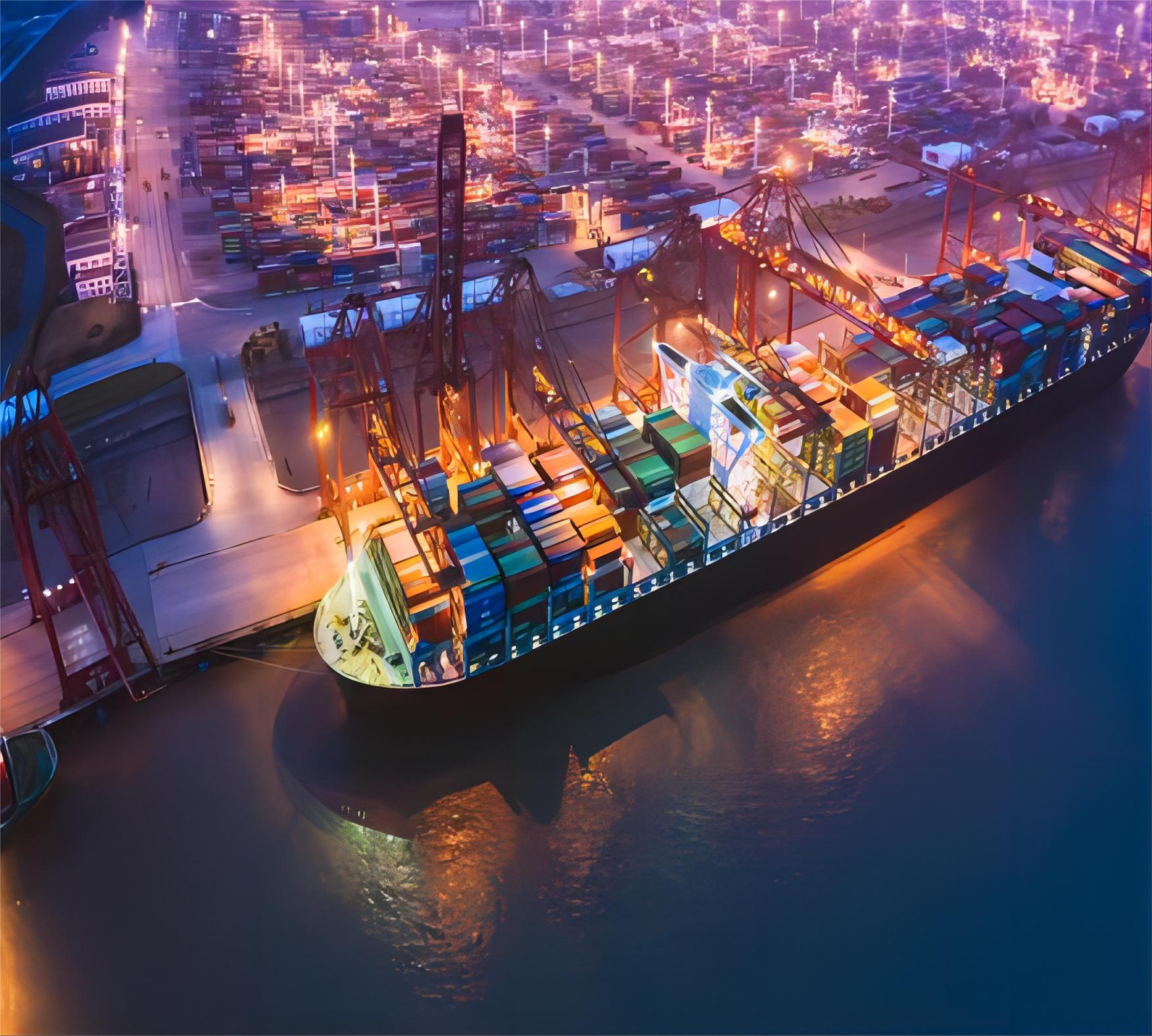
Real-World Case Studies: 40HQ Success Stories
Case Study 1: Electronics from Shenzhen to Le Havre. A French retailer imported 40HQ of consumer electronics. Using a direct sea route, the total landed cost was 4,200 USD with a 30-day transit. The key insight was that early booking secured a lower rate during the peak season.
Case Study 2: Furniture from Ningbo to Marseille. A furniture wholesaler shipped a 40HQ container to southern France. The ocean freight was 3,800 USD and took 33 days. By optimizing the container loading, they fit 15 percent more product, reducing the cost-per-item significantly.
Case Study 3: Industrial Machinery from Shanghai to Lyon. This shipment involved a 40HQ container moved via sea to Marseille and then by truck. Total door-to-door time was 42 days. Utilizing a hybrid transport model saved the client 2,000 USD compared to full rail freight.
Strategies to Reduce Your Shipping Expenses
Reducing costs starts with planning your shipments well in advance of peak seasons. Typically, rates increase by 20 percent between August and October due to holiday demand.
Moreover, consolidating multiple smaller orders into a single 40HQ container can maximize your space utilization. This strategy effectively lowers the freight cost for every cubic meter of goods imported.
Finally, negotiating with multiple carriers or using a freight forwarder with high volume contracts can yield better rates. Often, these professionals have access to tiered pricing that individual shippers cannot reach.
Navigating the Logistics of Door to Door Delivery
For many businesses, door to door shipping is the most convenient option. This service manages everything from the factory floor in China to your warehouse in France.
Specifically, it removes the burden of coordinating between different trucking companies and port authorities. Consequently, you can focus on your core business while experts handle the logistics chain.
When shipping to shipping to Europe, ensure your provider understands the local infrastructure in France. This knowledge prevents issues with narrow streets or restricted delivery zones for large containers.
Mastering Your Import Strategy
To summarize, 40HQ FCL shipping from China to France offers an unparalleled balance of volume and cost for major importers. By understanding the pricing structures and transit timelines, you can make informed decisions that boost your profitability.
Indeed, working with a knowledgeable partner ensures that your documentation and customs processes remain seamless. Start planning your next shipment today to take advantage of the most competitive market rates available.

Ready to streamline your logistics?
Ready to optimize your supply chain with 40HQ FCL shipping from China to France? Contact our expert team today for a customized quote and professional logistics support. Visit our website to learn more about our comprehensive shipping solutions. Send Inquiry: https://topchinaforwarder.com/contact-us/
Request Quote