

Freight Rate for FCL Shipping from China to USA: 2025 Guide
Securing a competitive freight rate for FCL shipping from China to USA is a top priority for businesses managing international supply chains. Navigating the complexities of trans-Pacific logistics requires a deep understanding of market trends and carrier pricing models. By collaborating with an experienced partner like Top China Forwarder, importers can optimize their shipping budgets and ensure reliable delivery schedules. This comprehensive guide provides the essential data and strategies needed to master your container shipping costs in the current market.
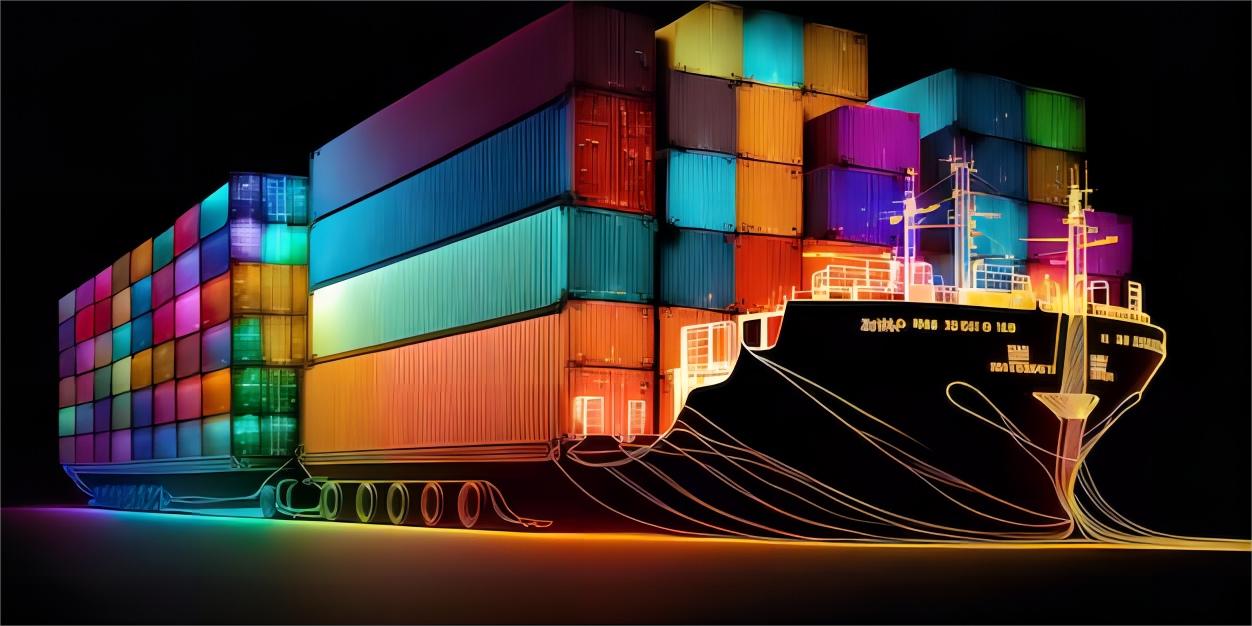
Understanding the Freight Rate for FCL Shipping from China to USA
Determining the exact freight rate for FCL shipping from China to USA involves analyzing several variables that change daily. Ocean freight remains the most cost-effective method for moving large volumes of goods across the Pacific Ocean. However, price volatility is a constant factor that businesses must account for in their financial planning.

Full Container Load (FCL) shipping offers significant advantages over smaller shipment methods. When you book an entire container, you benefit from lower per-unit costs and reduced handling risks. Consequently, most large-scale importers prefer sea freight for its balance of capacity and affordability.
Market conditions in early 2025 show that rates are stabilizing after a period of significant disruption. While global events can still impact pricing, the current environment allows for more predictable budgeting. Furthermore, understanding the base ocean freight versus local surcharges is critical for accurate landed cost calculations.
Importers should also recognize that the port of origin in China significantly affects the final quote. For instance, shipping from Shenzhen might offer different pricing tiers compared to ports in Northern China like Tianjin. Therefore, obtaining localized quotes is essential for precision.
How Does FCL Shipping Compare to Other Shipping Options?
Comparing different logistics modes is vital for choosing the most efficient strategy for your business. While FCL is the standard for bulk goods, alternatives like LCL or air freight might be better for specific scenarios. Indeed, the choice depends on your specific volume, budget, and urgency requirements.
Sea freight generally offers the lowest cost per cubic meter for large shipments. In contrast, air freight provides unmatched speed but at a significantly higher price point. Understanding these trade-offs helps in developing a hybrid logistics strategy that balances speed and cost.
Moreover, the decision between FCL and LCL often hinges on a specific volume threshold. Typically, if your shipment exceeds 15 cubic meters, FCL becomes more economical than paying for individual space in a shared container. This threshold is a key metric for logistics managers to monitor closely.
| Shipping Method | Cost Range | Transit Time | Best For |
|---|---|---|---|
| Sea Freight FCL | $2,500 – $6,500 | 15 – 35 Days | Bulk Inventory |
| Sea Freight LCL | $80 – $250/CBM | 20 – 45 Days | Mid-size Orders |
| Air Freight | $5 – $12/kg | 3 – 7 Days | Urgent Samples |
| Express Service | $8 – $15/kg | 2 – 5 Days | Small Parcels |
Key Factors Influencing Your FCL Shipping Costs
Several external and internal factors dictate the final freight rate for FCL shipping from China to USA. Fuel costs, represented by the Bunker Adjustment Factor (BAF), fluctuate based on global oil prices. Additionally, seasonal demand spikes during the Peak Season (August to October) can drive rates up by 20% or more.
Carrier capacity management also plays a significant role in pricing. When shipping lines reduce the number of active vessels, available space decreases and prices rise accordingly. Conversely, an oversupply of container ships can lead to more competitive rates for importers.
Geopolitical events and port labor situations are unpredictable variables that impact the market. For example, congestion at major West Coast ports like Los Angeles can lead to surcharges and delays. Therefore, staying informed about maritime news is a prerequisite for effective logistics management.
Equipment availability is another critical factor that often goes overlooked. During periods of high demand, finding empty 40HQ containers in China can be difficult, leading to premium pricing. Consequently, booking your shipments well in advance is a proven strategy to mitigate these risks.
Container Size Options and Pricing Differences
Selecting the right container size is a fundamental step in optimizing your freight rate for FCL shipping from China to USA. The most common options are the 20GP, 40GP, and 40HQ containers. Each has a specific capacity and price point that suits different types of cargo.
Standard 20-foot containers are ideal for heavy, dense goods like machinery or tiles. However, the price of a 40-foot container is often only 20-30% higher while offering double the volume. Consequently, many businesses find the 40HQ to be the most cost-effective option for lightweight consumer goods.
Based on Q1 2025 market rates, the price gap between a 40GP and a 40HQ has narrowed significantly. In many cases, carriers offer these at the same rate to simplify their equipment logistics. Meanwhile, specialized containers like reefers or open-tops will always command a much higher premium.
| Container Type | Max Volume | Max Weight | Est. Price Range |
|---|---|---|---|
| 20GP (Standard) | 33 CBM | 28,000 kg | $1,800 – $2,800 |
| 40GP (Standard) | 67 CBM | 26,000 kg | $2,800 – $4,200 |
| 40HQ (High Cube) | 76 CBM | 26,000 kg | $3,200 – $4,800 |
| 45HQ (Extra) | 86 CBM | 25,000 kg | $4,000 – $5,800 |
Transit Times and Route Options to the USA
The destination port in the USA is a major determinant of both the cost and the transit time. Shipping to the West Coast is generally faster and cheaper due to the shorter distance across the Pacific. For instance, a direct vessel from Shanghai to Los Angeles can arrive in as little as 14 days.
East Coast destinations require a longer journey, often through the Panama Canal or the Suez Canal. As a result, transit times to New York or Savannah typically range from 30 to 40 days. Furthermore, these routes often incur higher canal transit fees and fuel surcharges.
Inland destinations involve additional intermodal logistics, such as rail or trucking from the port. This ‘IPI’ (Interior Point Intermodal) shipping adds another layer of cost and time to the final quote. Therefore, choosing the right port of entry is a strategic decision that affects your entire supply chain.
| Route (From China) | US Port | Avg. Transit | Route Type |
|---|---|---|---|
| Shenzhen / Ningbo | Los Angeles | 14 – 18 Days | Direct |
| Shanghai | Seattle | 15 – 20 Days | Direct |
| Qingdao / Xiamen | New York | 32 – 38 Days | Canal Transit |
| Guangzhou | Houston | 28 – 35 Days | All-Water |
Navigating Customs and Documentation for FCL Shipments
Accurate documentation is essential for avoiding costly delays and penalties during the import process. Every FCL shipment must be accompanied by a Bill of Lading, Commercial Invoice, and Packing List. Additionally, specialized products may require certificates of origin or safety data sheets.
Engaging a professional customs brokerage service can streamline this complex phase. These experts ensure that your goods are classified correctly under the Harmonized System (HS) codes. Incorrect classification can lead to overpayment of duties or legal issues with US Customs and Border Protection.
Moreover, the ISF (Importer Security Filing) must be submitted at least 24 hours before the vessel departs from China. Failure to comply with this ’10+2′ rule can result in significant fines and cargo holds. Consequently, maintaining a strict documentation timeline is a non-negotiable part of FCL shipping.
Typical rates as of early 2025 for customs clearance services range from $100 to $200 per entry. While this is a small portion of the total freight rate for FCL shipping from China to USA, its impact on the timeline is massive. Indeed, efficient clearance is the key to maintaining a fast delivery schedule.
Real Case Studies: FCL Shipping from China to USA
Examining real-world examples provides valuable insights into the actual costs and timelines of trans-Pacific shipping. These scenarios reflect the current market conditions and common challenges faced by importers. By reviewing these cases, you can better estimate the requirements for your own cargo.
Case Study 1: Electronics from Shenzhen to Los Angeles. Route: Shenzhen, China to Los Angeles, USA. Cargo: Consumer Electronics, 72 CBM, 15000 kg. Container: 40HQ. Shipping Details: Carrier: COSCO, Port of Loading: Yantian, Port of Discharge: Los Angeles, Route Type: Direct. Cost Breakdown: Ocean Freight: $3,200, Origin Charges: $450, Destination Charges: $600, Customs and Duties: $1,200, Total Landed Cost: $5,450. Timeline: Booking to Loading: 5 days, Sea Transit: 16 days, Customs Clearance: 2 days, Total Door-to-Door: 23 days. Key Insight: Early booking during the off-peak season secured a rate 15% below the market average.
Case Study 2: Textile Import to New York. Route: Ningbo, China to New York, USA. Cargo: Apparel and Textiles, 65 CBM, 10000 kg. Container: 40GP. Shipping Details: Carrier: Maersk, Port of Loading: Ningbo, Port of Discharge: Newark, Route Type: Via Panama Canal. Cost Breakdown: Ocean Freight: $4,800, Origin Charges: $500, Destination Charges: $850, Customs and Duties: $2,500, Total Landed Cost: $8,650. Timeline: Booking to Loading: 7 days, Sea Transit: 34 days, Customs Clearance: 3 days, Total Door-to-Door: 44 days. Key Insight: Using a 40GP instead of a 40HQ saved $300 as the cargo was heavy and did not require extra volume.
Case Study 3: Furniture to Savannah. Route: Shanghai, China to Savannah, USA. Cargo: Home Furniture, 30 CBM, 8000 kg. Container: 20GP. Shipping Details: Carrier: MSC, Port of Loading: Shanghai, Port of Discharge: Savannah, Route Type: Direct All-Water. Cost Breakdown: Ocean Freight: $2,600, Origin Charges: $400, Destination Charges: $700, Customs and Duties: $900, Total Landed Cost: $4,600. Timeline: Booking to Loading: 4 days, Sea Transit: 31 days, Customs Clearance: 2 days, Total Door-to-Door: 37 days. Key Insight: Direct all-water service to the East Coast was more economical than rail transport from the West Coast.

Which Option Should You Choose? Decision Framework
Choosing the right shipping strategy requires a clear assessment of your business priorities. If your primary goal is cost reduction, sea freight FCL is almost always the superior choice for large volumes. However, if you are launching a new product and need it in stock immediately, air freight might justify the expense.
Volume thresholds are a critical part of this decision process. For shipments between 10 and 15 CBM, you should request quotes for both LCL and a 20GP container. Often, the security and speed of a dedicated FCL container outweigh the small price difference of LCL.
Furthermore, consider the final delivery requirements at the destination. A door to door service simplifies the process by handling all drayage and final mile delivery. This is particularly beneficial for importers who do not have their own logistics department to manage multiple vendors.
Budget priority: Choose FCL for shipments over 15 CBM to minimize unit costs. Speed priority: Use air freight for high-value or time-sensitive items. Cargo type: Use FCL for fragile or high-security goods to reduce handling. Geographic focus: Ship to the West Coast for speed or the East Coast to avoid inland rail costs.
Cost-Saving Strategies for FCL Importers
Implementing smart logistics strategies can significantly lower your overall freight rate for FCL shipping from China to USA. One effective method is to consolidate goods from multiple suppliers into a single FCL container at a warehouse in China. This approach reduces the number of individual shipments and simplifies customs entry.
Flexible scheduling is another powerful tool for cost optimization. If you can move your departure date by just a few days, you might catch a lower rate on a different vessel. Additionally, shipping during the ‘slack’ season between February and April often results in the lowest annual rates.
Optimizing your packaging to maximize container utilization is essential for FCL efficiency. Every cubic inch of empty space in a container represents a lost opportunity to reduce your per-unit shipping cost. Therefore, working with suppliers to design stackable or nested packaging can lead to substantial long-term savings.
Finally, always verify the expertise of your logistics provider in the North America trade lane. Local knowledge of port operations and trucking availability can prevent expensive demurrage and detention charges. Reliable communication is the foundation of a cost-effective shipping operation.
Mastering Your FCL Shipping Strategy
Managing the freight rate for FCL shipping from China to USA requires a proactive approach and a deep understanding of the maritime market. By analyzing container sizes, transit routes, and hidden costs, businesses can build more resilient and cost-effective supply chains. Remember that the cheapest quote is not always the best value if it leads to delays or poor service.
Successful importers prioritize reliability and transparency in their logistics partnerships. Utilizing the data and strategies outlined in this guide will help you navigate the complexities of international trade with confidence. Stay informed, plan ahead, and continue to refine your shipping processes to stay competitive in the global marketplace.
Ready to streamline your logistics?
Are you looking to optimize your logistics budget? Contact our experts today to receive a personalized freight rate for FCL shipping from China to USA tailored to your specific business needs. Visit our website to request a free quote and start saving on your next shipment.
Request Quote