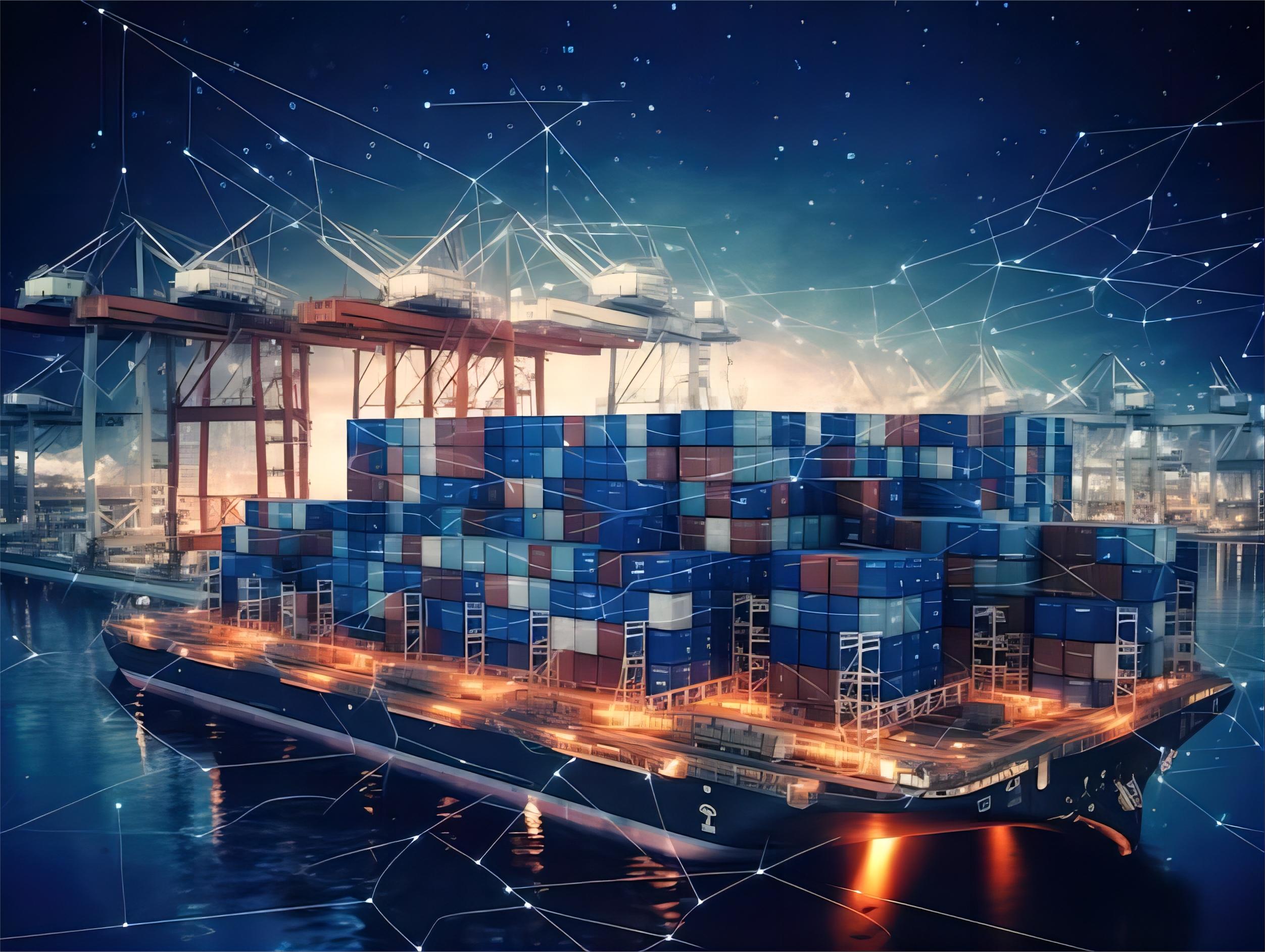
Comprehensive China FCL supply chain solution to Sweden for Businesses
Navigating international logistics requires a robust Top China Forwarder to manage complex routes efficiently. A dedicated China FCL supply chain solution to Sweden ensures your goods arrive safely and on schedule. Consequently, businesses can focus on growth while logistics experts handle the heavy lifting. This guide explores everything from transit times to cost-saving strategies for your Swedish imports.

What is a China FCL supply chain solution to Sweden?
Full Container Load (FCL) shipping represents the most reliable method for moving large volumes of goods across the ocean. When you choose a China FCL supply chain solution to Sweden, you secure an entire container exclusively for your products. This exclusivity minimizes handling and reduces the risk of damage during transit.
Moreover, FCL shipments are generally faster than Less than Container Load (LCL) options because they do not require consolidation. Therefore, your cargo moves directly from the factory to the port and onto the vessel without intermediate stops. This streamlined process is essential for maintaining a consistent inventory flow.
Choosing sea freight through an FCL model provides significant cost advantages for bulk shipments. Specifically, the cost per unit drops significantly as you fill the container to its maximum capacity. In addition, FCL allows for better tracking and more predictable scheduling throughout the journey.
How Does FCL Compare to Other Shipping Options?
Understanding the differences between shipping methods is crucial for optimizing your logistics budget. While FCL is the gold standard for volume, other modes like rail or air may suit specific time-sensitive needs. For example, rail freight offers a middle ground between the speed of air and the economy of sea.
However, sea freight remains the most popular choice due to its massive capacity and lower carbon footprint. Consequently, most Swedish importers prioritize FCL for their primary supply chain needs. Meanwhile, air freight is reserved for high-value or urgent cargo that cannot wait for sea transit.
The following table provides an objective analysis of the viable shipping methods for the China-Sweden route.
| Shipping Method | Cost Range | Transit Time | Best For |
|---|---|---|---|
| Sea Freight (FCL) | $1,800 – $4,200 | 30 – 45 Days | Bulk Inventory |
| Rail Freight | $4,000 – $7,000 | 18 – 25 Days | Mid-range Speed |
| Air Freight | $5 – $12 / kg | 5 – 8 Days | Urgent Samples |
| LCL Sea Freight | $80 – $150 / CBM | 35 – 50 Days | Small Shipments |
Understanding Costs for China FCL supply chain solution to Sweden
Freight rates fluctuate based on seasonal demand, fuel prices, and global economic conditions. For instance, rates typically peak during the months leading up to the holiday season in Europe. Consequently, booking your China FCL supply chain solution to Sweden in advance can lead to substantial savings.
Additionally, you must account for origin charges, such as Terminal Handling Charges (THC) and documentation fees. These costs are standard but can vary slightly depending on the port of loading in China. Therefore, a transparent quote should include all these line items to avoid surprises.
Typical container rates as of early 2025 are reflected in the table below for standard routes from Shanghai to Gothenburg.
| Container Type | Average Rate | Capacity (CBM) | Max Weight |
|---|---|---|---|
| 20GP Container | $1,800 – $2,500 | 33 CBM | 28,000 kg |
| 40GP Container | $2,800 – $3,800 | 67 CBM | 26,000 kg |
| 40HQ Container | $3,000 – $4,200 | 76 CBM | 26,000 kg |
Factors Influencing Your Final Quote
Fuel surcharges often change monthly and can impact the total landed cost of your goods. Furthermore, peak season surcharges are common from August through October. Indeed, staying informed about these trends helps in better budget forecasting.
Note: Freight rates are subject to change based on fuel costs, carrier capacity, and seasonal demand. Contact us for a current quote tailored to your specific shipment.
Strategic Alternatives to FCL Shipping
If your volume does not justify a full container, you might consider rail freight as a viable alternative. This method connects major Chinese hubs like Xi’an or Chengdu directly to European terminals. As a result, you gain a faster transit time than sea freight without the extreme cost of air transport.
Moreover, hybrid solutions such as sea-air combinations are becoming more popular for Swedish importers. For example, goods can be shipped by sea to a Middle Eastern hub and then flown to Stockholm. This approach balances cost and speed effectively for many businesses.
Another option is transshipment via major ports like Singapore or Hamburg, which can sometimes offer lower rates. However, this often adds 5 to 10 days to the total transit time. Therefore, you must weigh the cost savings against your inventory requirements.
Navigating Customs and Compliance in Sweden
Importing into Sweden requires strict adherence to European Union regulations and local customs laws. Utilizing a professional customs brokerage service is highly recommended to ensure compliance. Subsequently, you can avoid costly delays and potential fines at the port of entry.
Furthermore, specific documents like the Bill of Lading, Commercial Invoice, and Packing List are mandatory for every shipment. Without a doubt, missing or incorrect paperwork is the leading cause of delivery interruptions. Accordingly, our team verifies all documentation before the cargo leaves the Chinese port.
The table below outlines the essential documents required for a smooth customs clearance process in Sweden.
| Document Name | Purpose | Required By | Format |
|---|---|---|---|
| Commercial Invoice | Tax Valuation | Swedish Customs | Digital/Original |
| Packing List | Cargo Verification | Port Authorities | Digital/Original |
| Bill of Lading | Title of Goods | Shipping Line | Original/Telex |
| Certificate of Origin | Duty Preferences | Customs | Original |
Which Option Should You Choose?
Determining the right shipping strategy depends on your specific priorities regarding budget and speed. If your primary goal is cost reduction for large volumes, a China FCL supply chain solution to Sweden is the best choice. On the other hand, if you have a tight deadline, rail or air might be necessary.
Additionally, consider the nature of your cargo; fragile or high-value items benefit from the reduced handling of FCL. For instance, electronics and machinery are typically safer in a dedicated container. Consequently, the lower risk of damage often justifies the FCL investment over LCL.
For total convenience, many businesses opt for door to door services. This comprehensive solution covers everything from factory pickup in China to final delivery at your Swedish warehouse. Indeed, it simplifies the entire supply chain management process for the importer.
Real-World Case Studies for Sweden Imports
Examining real-world examples helps illustrate the practical application of these logistics strategies. These cases reflect typical scenarios encountered by businesses importing from China to Europe. Specifically, they highlight the balance between cost, time, and reliability.
Case Study 1: Electronics Distribution in Stockholm Route: Shenzhen, China to Stockholm, Sweden Cargo: Consumer Electronics, 28 CBM, 8,500 kg Container: 40GP Shipping Details: – Carrier: COSCO – Port of Loading: Shenzhen – Port of Discharge: Stockholm – Route Type: Direct Cost Breakdown: – Ocean Freight: $3,200 – Origin Charges: $450 – Destination Charges: $600 – Customs & Duties: $1,200 – Total Landed Cost: $5,450 Timeline: – Booking to Loading: 4 days – Sea Transit: 38 days – Customs Clearance: 2 days – Total Door-to-Door: 44 days Key Insight: Using a direct route minimized handling for sensitive electronics.
Case Study 2: Furniture Retailer in Gothenburg Route: Ningbo, China to Gothenburg, Sweden Cargo: Home Furniture, 65 CBM, 12,000 kg Container: 40HQ Shipping Details: – Carrier: Maersk – Port of Loading: Ningbo – Port of Discharge: Gothenburg – Route Type: Transshipment via Hamburg Cost Breakdown: – Ocean Freight: $3,100 – Origin Charges: $400 – Destination Charges: $550 – Customs & Duties: $900 – Total Landed Cost: $4,950 Timeline: – Booking to Loading: 5 days – Sea Transit: 42 days – Customs Clearance: 3 days – Total Door-to-Door: 50 days Key Insight: Transshipment saved 10% on freight costs during the off-peak season.

Mastering Your Supply Chain to Sweden
Implementing a successful China FCL supply chain solution to Sweden requires careful planning and expert execution. By understanding the costs, transit times, and documentation requirements, you can significantly improve your operational efficiency. Moreover, choosing the right shipping partner ensures that your goods are handled with the highest standards of safety.
Furthermore, staying adaptable to market trends and exploring alternative methods like rail freight can provide a competitive edge. Whether you are shipping electronics, furniture, or industrial machinery, a dedicated FCL strategy offers the security and reliability your business needs. Start optimizing your Swedish imports today for long-term success.
Ready to streamline your logistics?
Ready to optimize your China FCL supply chain solution to Sweden? Contact our expert team today for a personalized quote and professional logistics advice. Let us handle your next shipment with precision and care. Visit our website to Send Inquiry: https://topchinaforwarder.com
Request Quote