

40GP FCL space availability for electronics from China to Netherlands
Securing 40GP FCL space availability for electronics from China to Netherlands is a primary concern for importers managing high-value supply chains. Global trade shifts and seasonal demand often make finding consistent container space difficult for many businesses. By working with a Top China Forwarder, you can navigate these challenges and ensure your electronic goods arrive at their destination on schedule.
Current Market for 40GP FCL Space Availability
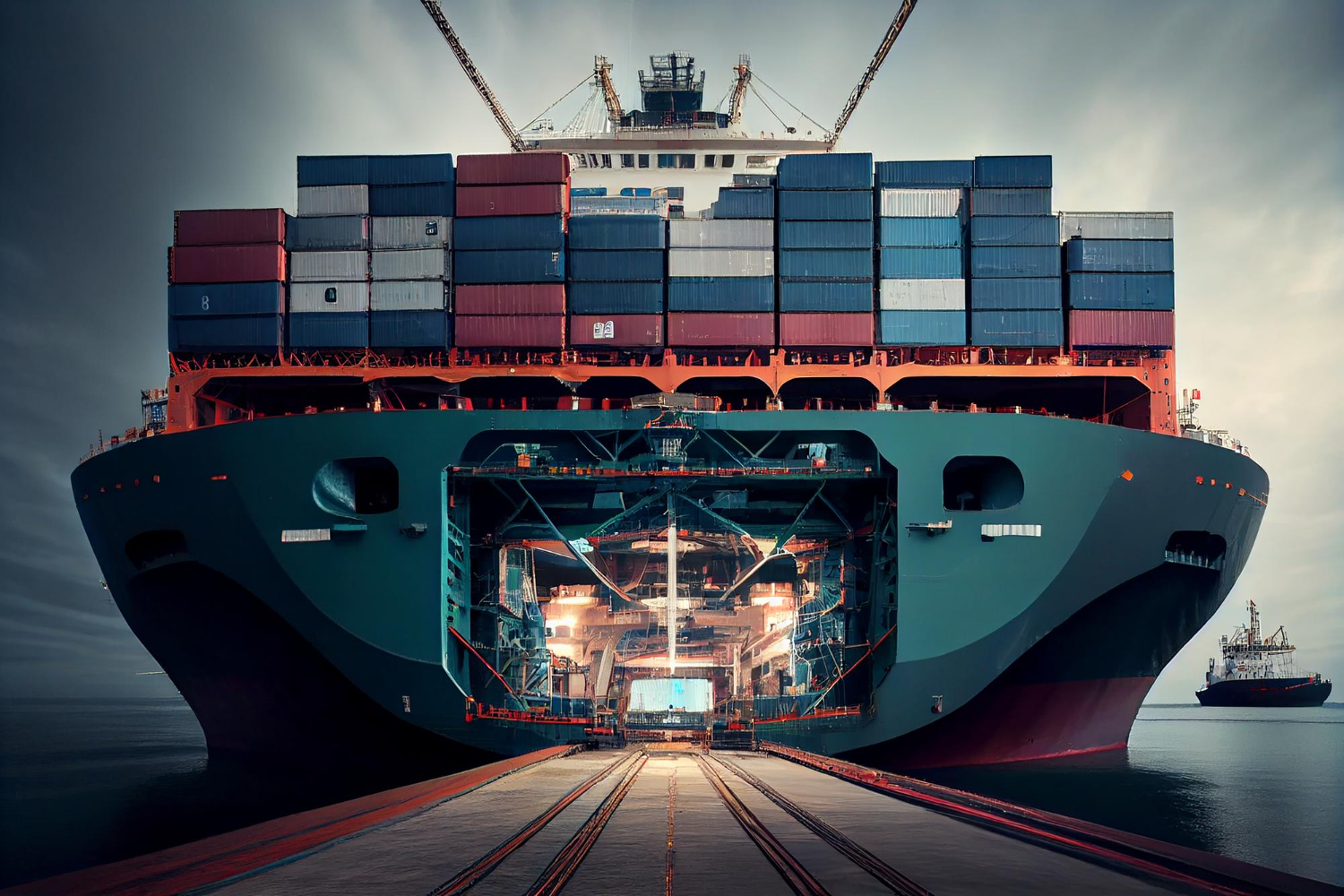
The logistics landscape for shipping to Europe has faced significant volatility over the past few years. Consequently, 40GP FCL space availability for electronics from China to Netherlands remains tight during peak seasons. As of early 2025, market data suggests that while capacity has stabilized, booking leads times are still essential.
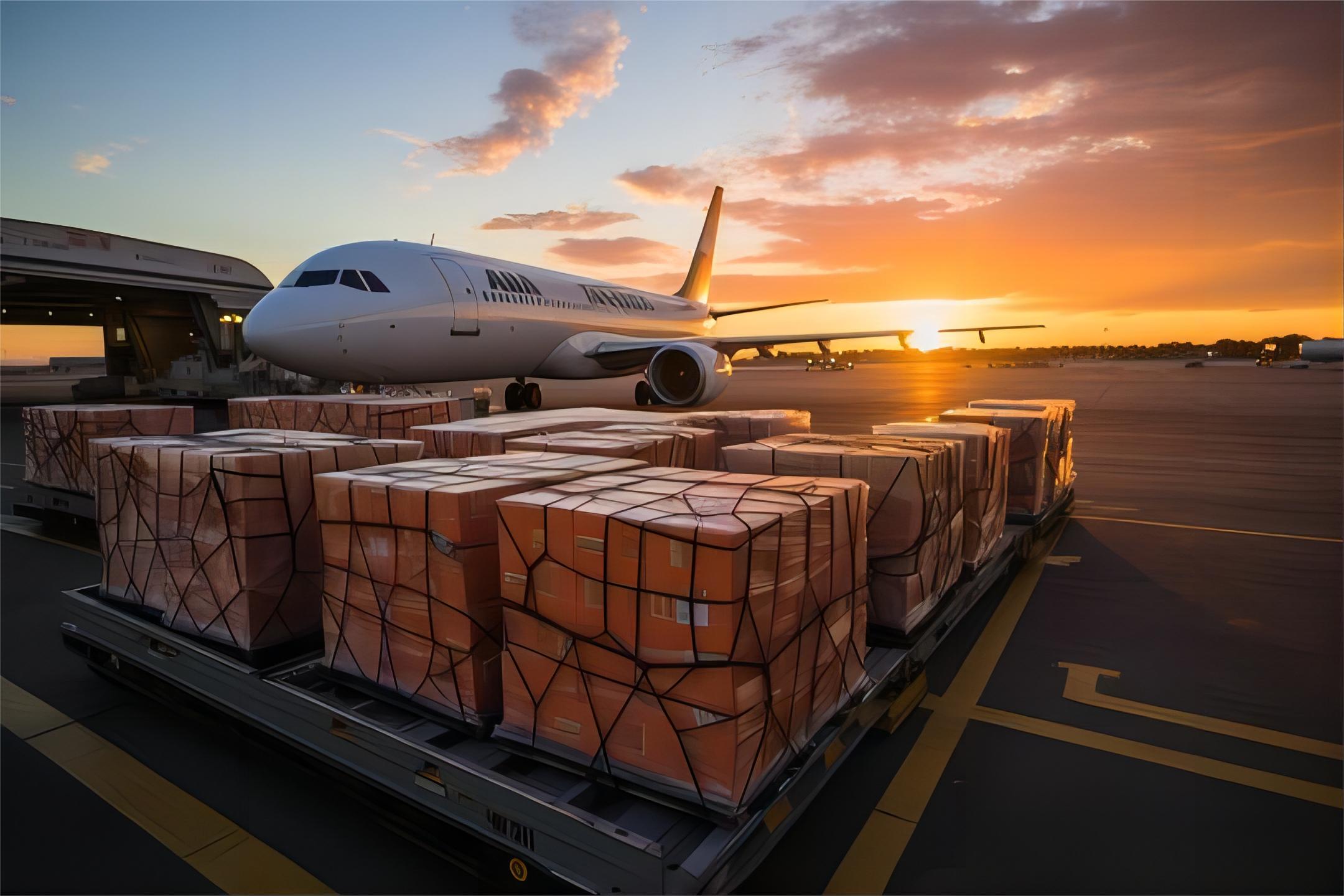
Moreover, electronics require specific handling and often fall under strict safety regulations due to lithium batteries. Therefore, shippers must prioritize carriers that offer both space and the necessary certifications for tech products. Indeed, the demand for consumer electronics in the Netherlands continues to drive high volumes through major ports like Rotterdam.
Additionally, current industry benchmarks indicate that freight rates have found a new baseline after the disruptions of 2024. Nevertheless, geopolitical factors and fuel price fluctuations continue to influence daily shipping costs. Shippers should monitor these trends closely to optimize their procurement strategies.
How Does 40GP FCL Compare to Other Shipping Options?
Choosing the right shipping method depends heavily on your budget, volume, and urgency. While 40GP FCL is the standard for large electronics shipments, other modes offer unique advantages. For instance, smaller shipments might benefit from LCL, while urgent components often require a different approach.
In contrast, rail and air freight provide alternatives when sea routes face congestion or when time-to-market is the highest priority. Understanding these trade-offs is vital for maintaining a lean inventory. We have provided a detailed comparison below to help you evaluate the best fit for your specific cargo needs.
| Shipping Method | Cost Range | Transit Time | Best For | Limitations |
|---|---|---|---|---|
| Sea Freight (40GP) | $2,800 – $4,200 | 30 – 40 Days | Bulk electronics | Longest transit |
| Rail Freight | $4,500 – $6,500 | 18 – 24 Days | Mid-value tech | Limited capacity |
| Air Freight | $15,000 – $25,000 | 5 – 8 Days | Urgent launches | Very high cost |
| LCL Sea Freight | $50 – $120/CBM | 35 – 45 Days | Small batches | Higher risk of damage |
Key Factors Affecting 40GP FCL Space Availability for Electronics
Several variables influence how easily you can book a 40GP container for your tech products. Specifically, the peak season from August to October often sees a massive surge in demand for electronics ahead of the holiday season. During this time, 40GP FCL space availability for electronics from China to Netherlands can drop significantly.
Furthermore, carrier alliances frequently adjust their weekly capacity through blank sailings to maintain freight rate stability. Consequently, even if you have a contract, your space might not be guaranteed without a proactive booking strategy. Shippers are encouraged to book at least 3-4 weeks in advance during high-demand periods.
Utilizing sea freight services requires a deep understanding of these market cycles. For example, planning shipments around Chinese New Year or Golden Week can save thousands of dollars in premiums. Always consult with your forwarder to identify the most stable weeks for container allocation.
Transit Times and Route Efficiency
Direct routes from Shanghai or Shenzhen to Rotterdam are generally the most efficient for electronic goods. These routes typically offer a transit time of 30 to 35 days under normal weather conditions. However, transshipment via ports like Singapore can add 5 to 7 days to the total journey.
Meanwhile, port congestion in either China or the Netherlands can lead to unexpected delays in the delivery schedule. Specifically, the Port of Rotterdam is highly automated but still faces pressure during massive volume surges. Therefore, choosing the right carrier with priority berthing can be a significant advantage.
If speed is a concern, rail freight offers a middle ground that bypasses maritime bottlenecks. This method is increasingly popular for electronics manufacturers located in inland China. It provides a reliable alternative when sea space is restricted or when the Suez Canal route faces disruptions.
| Origin Port | Destination Port | Average Transit | Route Type |
|---|---|---|---|
| Shanghai | Rotterdam | 32 Days | Direct |
| Shenzhen | Rotterdam | 28 Days | Direct |
| Ningbo | Rotterdam | 34 Days | Transshipment |
| Qingdao | Rotterdam | 38 Days | Direct |
Alternative Shipping Strategies for High-Value Goods
When 40GP FCL space availability for electronics from China to Netherlands is low, businesses must adapt their logistics strategies. One effective approach is using a sea-air hybrid solution, which involves shipping by sea to a hub like Dubai and then flying the goods to Amsterdam. This method reduces costs compared to pure air freight while saving time over sea freight.
Another strategy involves diversifying your ports of loading. For instance, if Shanghai is congested, moving cargo through the Port of Xiamen might reveal better container availability. Additionally, some importers choose to split their shipments between FCL and LCL to ensure at least a portion of their stock arrives early.
Furthermore, air freight remains the ultimate backup for high-demand product launches. Although expensive, it eliminates the risks of port strikes or long-term sea transit delays. Businesses should always maintain a small budget for emergency air shipments to prevent stockouts.
Customs Brokerage and Compliance in the Netherlands
Importing electronics into the Netherlands requires strict adherence to European Union regulations, such as CE marking and RoHS compliance. Consequently, having a professional customs brokerage service is essential to avoid costly delays at the border. Incorrect documentation is one of the most common reasons for cargo being held in Rotterdam.
Moreover, electronics are often subject to specific import duties and VAT regulations that vary based on the HS code. Shippers must ensure that all commercial invoices and packing lists are meticulously accurate. Indeed, even a small discrepancy in the description of goods can lead to an intensive customs inspection.
Accordingly, preparing a customs documents checklist can streamline the clearance process. This checklist should include the Bill of Lading, Certificate of Origin, and any necessary battery safety data sheets. Proper preparation ensures that once your 40GP container arrives, it moves quickly to the final delivery stage.
Real Case Studies: China to Netherlands Electronics Shipping
Examining real-world examples helps illustrate the costs and timelines involved in modern logistics. These cases reflect typical scenarios encountered by importers in the current market environment. They highlight the importance of planning and carrier selection for successful delivery.
Case Study 1: High-Volume Smartphone Distribution. Route: Shenzhen to Rotterdam. Cargo: Consumer Electronics, 65 CBM, 18,000 kg. Container: 40GP FCL. Shipping Details: Major carrier, Direct Route. Cost Breakdown: Ocean Freight $3,400, Origin Charges $450, Destination Charges $550, Total Landed Cost $4,400. Timeline: Booking to Loading 5 days, Sea Transit 28 days, Customs Clearance 2 days, Total Door-to-Door 35 days. Key Insight: Early booking during Q3 peak season secured space at a competitive rate.
Case Study 2: Industrial Circuit Board Components. Route: Shanghai to Rotterdam. Cargo: Tech Components, 58 CBM, 12,000 kg. Container: 40GP FCL. Shipping Details: Transshipment via Singapore. Cost Breakdown: Ocean Freight $3,100, Origin Charges $400, Destination Charges $600, Total Landed Cost $4,100. Timeline: Booking to Loading 7 days, Sea Transit 36 days, Customs Clearance 3 days, Total Door-to-Door 46 days. Key Insight: Choosing a transshipment route saved $300 but added 8 days to the schedule.
Note: Freight rates are subject to change based on fuel costs, carrier capacity, and seasonal demand. Contact us for a current quote tailored to your specific shipment.
Which Option Should You Choose for Your Electronics?
Determining the best shipping method requires a balance between cost and speed. If your primary goal is budget optimization and you have a consistent sales forecast, sea freight is the clear winner. For most 40GP FCL shipments, the cost per unit remains the lowest among all transportation modes.
However, if you are dealing with a product launch or a sudden spike in demand, speed becomes the priority. In these cases, rail or air freight should be considered despite the higher price tag. Additionally, cargo type matters; sensitive electronics may benefit from the smoother handling found in air or rail environments.
Finally, consider the volume of your shipment. If you cannot fill a 40GP container, LCL might seem attractive, but the risk of damage increases with multiple handling points. Consequently, many tech companies prefer to wait until they have a full container load to ensure maximum security for their high-value goods.
Mastering Electronics Logistics from China to the Netherlands
Successfully managing 40GP FCL space availability for electronics from China to Netherlands requires a combination of early planning and market intelligence. By understanding the factors that influence capacity and pricing, importers can make informed decisions that protect their bottom line. Furthermore, utilizing diverse shipping methods and professional customs support ensures that your goods reach the Dutch market without unnecessary delays.
As market conditions continue to evolve in 2025, staying flexible remains the key to logistics success. Whether you choose the cost-effectiveness of sea freight or the speed of rail, partnering with a reliable forwarder is essential. Start optimizing your electronics shipping strategy today to stay ahead of the competition in the European market.
Ready to streamline your logistics?
Ensure your supply chain remains resilient by securing 40GP FCL space availability for electronics from China to Netherlands today. Contact our expert team for a personalized quote and professional logistics support. Visit our website to learn more: https://topchinaforwarder.com
Request Quote