

China FCL Factory Pickup to UK: Your Ultimate Shipping Guide
Navigating international logistics, especially for full container load (FCL) shipments, can be complex. Businesses importing goods from China to the United Kingdom often seek reliable and efficient solutions for factory pickup and final delivery. This comprehensive guide, brought to you by Top China Forwarder, explores how to optimize your China FCL factory pickup to UK process, ensuring smooth transit and cost-effectiveness.

Understanding FCL Shipping from China to UK
Full Container Load (FCL) shipping involves reserving an entire shipping container for your cargo. This method is highly favored by businesses with sufficient volume to fill a 20-foot or 40-foot container. Consequently, it offers significant advantages in terms of security and handling.
Choosing FCL for your China FCL factory pickup to UK route provides unparalleled control over your shipment. Your goods remain sealed within the container from origin to destination, minimizing handling and potential damage. Moreover, transit times are generally faster compared to shared container options.
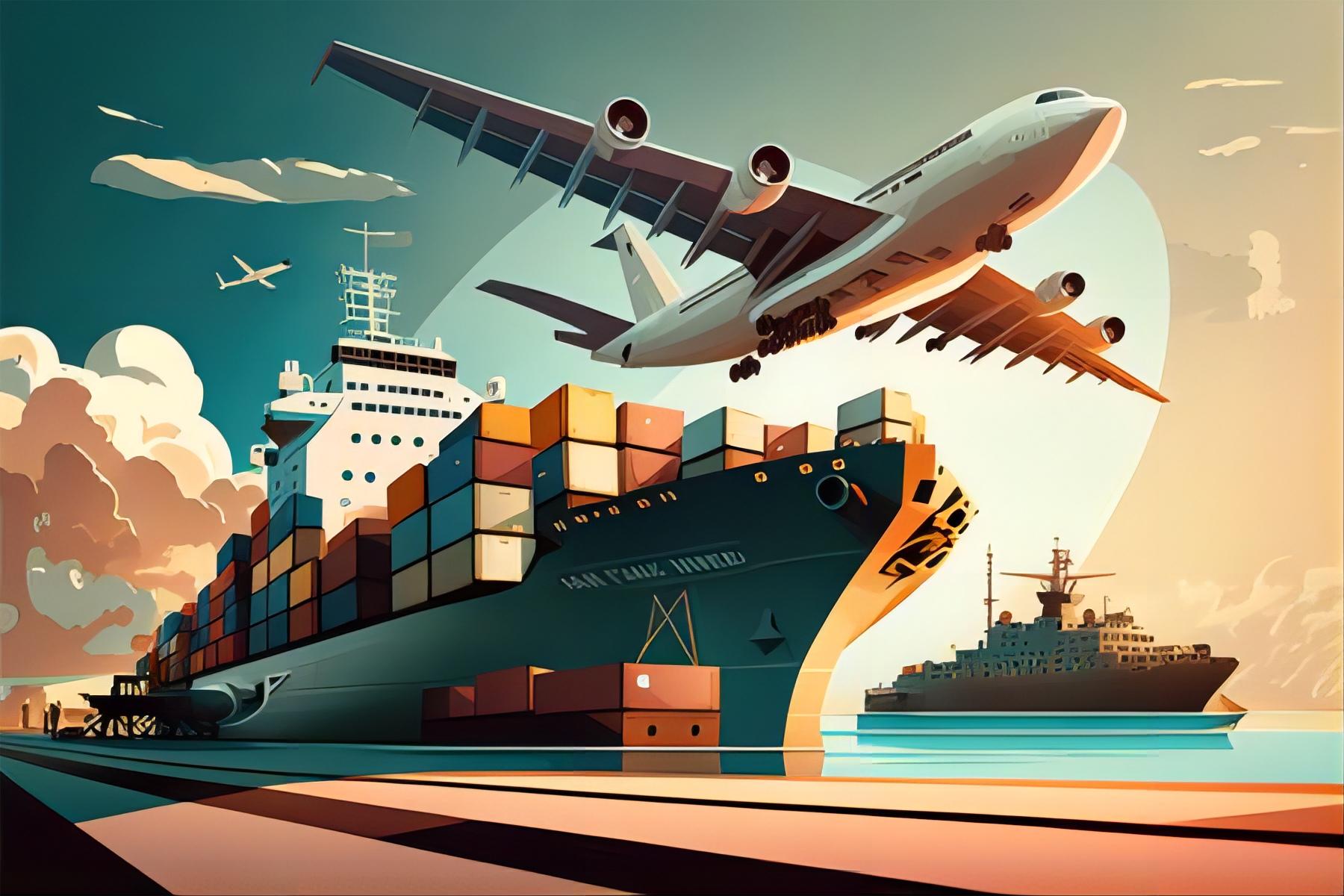
What is FCL and Why Choose It?
FCL means your goods are the sole occupants of a container, whether it is a 20GP, 40GP, or 40HQ. This dedicated space ensures that your cargo is not consolidated with other shippers’ goods. Therefore, it reduces the risk of contamination or misplacement.
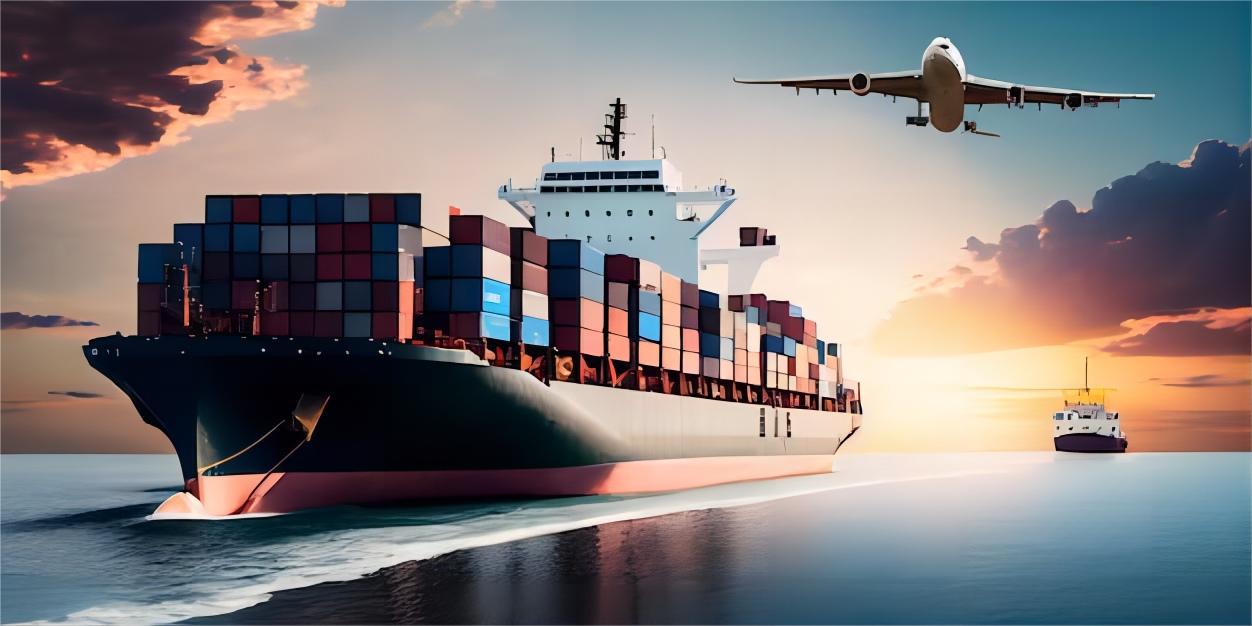
Furthermore, FCL is often more cost-effective per cubic meter for larger volumes. It provides a more predictable shipping schedule, which is crucial for managing your supply chain effectively. Many businesses find FCL essential for their commercial cargo import needs.
Benefits of Factory Pickup for UK Imports
Factory pickup, also known as Ex-Works (EXW) or Free Carrier (FCA), means your freight forwarder collects the goods directly from the manufacturer’s facility in China. This service simplifies logistics for you. It ensures a seamless start to the shipping process.
Moreover, factory pickup provides greater control over the initial leg of your shipment. It also reduces the need for the supplier to arrange domestic transport, potentially saving time and reducing local handling costs. This is a critical step in optimizing your overall China FCL to UK logistics.
The FCL Factory Pickup Process to UK
The journey for your China FCL factory pickup to UK shipment begins at the supplier’s location. A reliable freight forwarder coordinates the container delivery to the factory. They then oversee the loading process.
Subsequently, the loaded container is transported to the nearest port of loading in China. Here, it undergoes export customs clearance before being loaded onto a vessel destined for the UK. Smooth execution at each stage is paramount.
Key Steps from Factory to Port
Initially, your chosen freight forwarder schedules the container delivery to your supplier’s factory. The factory staff loads the goods, sealing the container once complete. This step is vital for cargo security.
Next, the container is drayed to the port, where it passes through Chinese customs for export. All necessary documentation must be meticulously prepared and submitted. This ensures compliance with export regulations and avoids delays.
Documentation Essentials for FCL Shipments
Accurate and complete documentation is indispensable for international shipping, especially for customs brokerage. Missing or incorrect papers can lead to significant delays and penalties. Therefore, diligent preparation is always recommended.
For your China FCL factory pickup to UK shipment, several key documents are required. These ensure smooth customs clearance at both origin and destination. Understanding these requirements simplifies the import process.
| Document | Purpose | Required By |
|---|---|---|
| Commercial Invoice | Details of goods, value, and terms of sale | Customs, Buyer |
| Packing List | Itemizes contents, weights, and dimensions | Customs, Carrier |
| Bill of Lading (B/L) | Contract of carriage, title to goods | Carrier, Buyer |
| Certificate of Origin | Confirms country of manufacture | Customs (for specific goods) |
| Customs Declaration | Formal statement to customs authorities | Customs |
| Import License | Required for restricted goods | UK Authorities (if applicable) |
How Does FCL Factory Pickup Compare to Other Shipping Options?
When planning your China to UK imports, evaluating various shipping methods is essential. While FCL offers many benefits, other options like Less than Container Load (LCL), air freight, and rail freight might suit different needs. Understanding their trade-offs is key.
Each method presents a unique balance of cost, speed, and cargo handling characteristics. Consequently, the best choice depends heavily on your specific cargo type, budget priority, and required delivery schedule. This comparison helps clarify your options.
| Shipping Method | Cost Range (40HQ equivalent) | Transit Time | Best For | Limitations |
|---|---|---|---|---|
| FCL Sea Freight | $3,500-4,500 | 30-38 days | Large volumes, cost-efficiency, non-urgent | Slowest transit |
| LCL Sea Freight | $50-80/CBM | 35-45 days | Small to medium volumes, budget-conscious | Slower, more handling |
| Air Freight | $15,000-25,000 | 5-7 days | Urgent, high-value, small volumes | Highest cost, volume/weight restrictions |
| Rail Freight (Multimodal) | $8,000-12,000 | 20-25 days | Medium urgency, specific routes, cost-effective for Europe | Limited direct UK routes, requires sea leg |
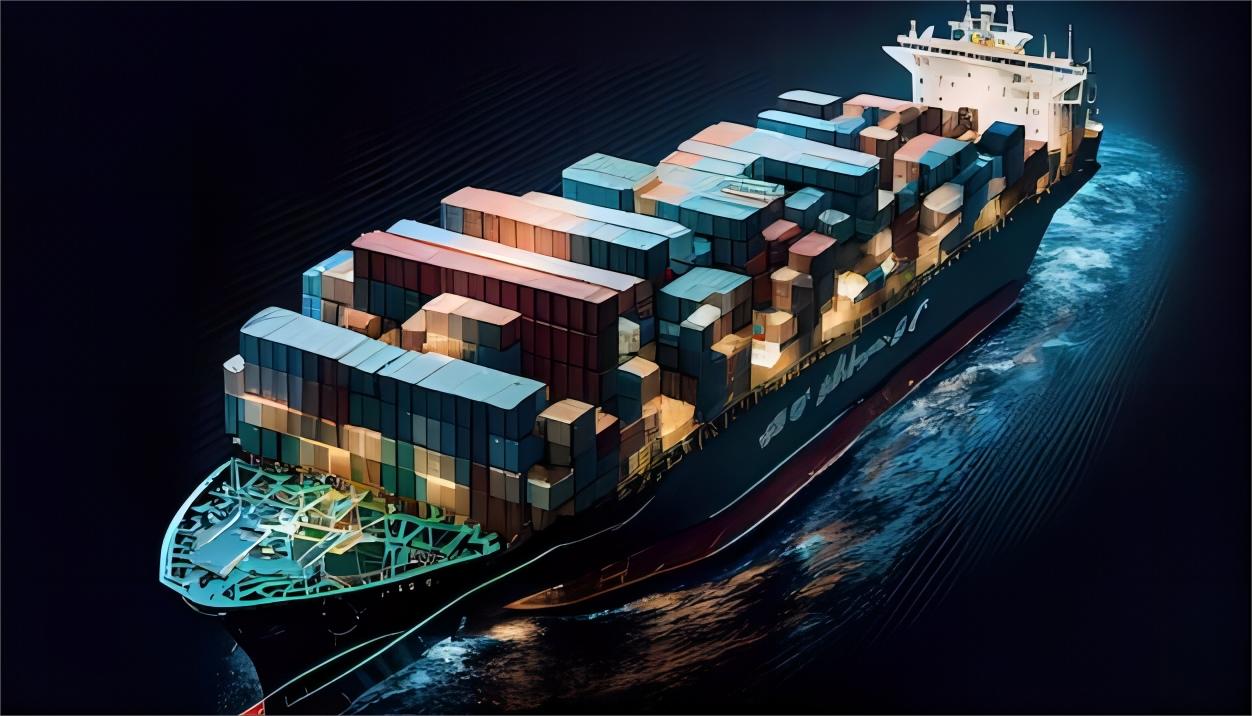
Comparison with LCL, Air Freight, and Rail Freight
FCL is ideal for large volumes, offering dedicated space and often lower per-unit costs. Conversely, LCL (Less than Container Load) is suitable for smaller shipments that don’t fill a full container. With LCL, your goods share space, which can lead to longer transit times due to consolidation and deconsolidation.
Air freight offers unparalleled speed, typically delivering in days rather than weeks, but at a significantly higher cost. Rail freight, while not direct from China to UK without sea leg, can be part of a multimodal solution, offering a middle ground in terms of speed and cost for certain European routes. However, for direct China to UK, sea freight is generally the most common FCL option.
Factors Influencing China FCL to UK Shipping Costs and Transit Times
Several variables significantly impact the final shipping costs and transit times for your China FCL factory pickup to UK shipment. Understanding these elements helps in budgeting and planning. Market dynamics play a crucial role.
Indeed, freight rates are dynamic, influenced by fuel costs, carrier capacity, and seasonal demand. Furthermore, unforeseen events like port congestion or geopolitical issues can also cause fluctuations. Therefore, obtaining a current quote is always advisable.
Key Cost Components of FCL Shipping
Ocean freight rates form the largest component of FCL shipping costs. These vary based on container size, origin/destination ports, and current market rates. Origin charges, such as terminal handling and documentation fees, are also significant.
Additionally, destination charges in the UK, including port fees, customs clearance, and local delivery, add to the total landed cost. Don’t forget potential customs duties and VAT, which are based on your cargo’s value and HS codes. This comprehensive view helps manage your import process effectively.
Determinants of Transit Time for China to UK FCL
The primary factor affecting transit time is the sea journey itself, typically ranging from 30 to 38 days for direct routes to the UK. However, transshipment through intermediate ports can extend this duration by several days. Vessel schedules also play a part.
Moreover, port congestion at either end, customs clearance efficiency, and the final delivery distance within the UK influence the total door-to-door timeline. Therefore, choosing a forwarder with strong port relationships can mitigate potential delays.
Navigating Customs and Regulations for UK Imports
Importing goods into the UK requires strict adherence to customs regulations. Proper documentation and understanding of duties and taxes are paramount for a smooth process. Missteps can lead to significant delays and additional costs.
A knowledgeable freight forwarder, proficient in customs brokerage, is invaluable here. They ensure all necessary declarations are filed correctly and on time. This expertise minimizes potential issues upon arrival in the UK.
UK Import Procedures and Compliance
Upon arrival in a UK port like Felixstowe or Southampton, your FCL shipment must undergo import customs clearance. This involves submitting the necessary documents, including the Bill of Lading, commercial invoice, and packing list. An Entry Summary Declaration (ENS) is also required.
Furthermore, compliance with specific UK product standards and safety regulations is mandatory. Certain goods may require additional licenses or certificates. Ensuring all compliance checks are met prevents your cargo from being held at the border.
Duties, Taxes, and HS Codes
Import duties and Value Added Tax (VAT) are levied on goods entering the UK. The specific duty rate depends on the commodity’s Harmonized System (HS) code. Correctly classifying your goods is therefore critical for accurate calculation.
VAT is typically charged at 20% on the total value of the goods plus duties and shipping costs. Understanding these financial obligations beforehand helps in accurate pricing and budgeting. A freight forwarder can assist with these calculations.
Real-World China FCL Factory Pickup to UK Case Studies
Examining real-world examples illustrates the complexities and solutions involved in China FCL factory pickup to UK shipments. These case studies highlight typical challenges and successful strategies. They provide practical insights for your own imports.
Case Study 1: Electronics Manufacturer
| Detail | Value |
|---|---|
| Route | Shenzhen, China -> Felixstowe, UK |
| Cargo | Consumer electronics, 58 CBM, 12,000 kg |
| Container | 1 x 40HQ |
| Shipping Details | Carrier: Major carrier, Port of Loading: Shenzhen, Port of Discharge: Felixstowe, Route Type: Direct |
| Cost Breakdown (Based on Q3 2024 market rates) | |
| Ocean Freight | $3,800 |
| Origin Charges (THC, documentation) | $450 |
| Destination Charges (THC, port fees, delivery) | $700 |
| Customs & Duties (estimated) | $1,200 |
| Total Landed Cost | $6,150 |
| Timeline | |
| Booking to Loading | 5 days |
| Sea Transit | 32 days |
| Customs Clearance | 3 days |
| Total Door-to-Door | 40 days |
| Key Insight | Early booking during peak season (Q3) secured a favorable rate and container space. Efficient documentation minimized customs delays upon UK arrival. This demonstrates effective China FCL to UK logistics management. |
Case Study 2: Furniture Importer
| Detail | Value |
|---|---|
| Route | Ningbo, China -> Southampton, UK |
| Cargo | Flat-pack furniture, 62 CBM, 10,500 kg |
| Container | 1 x 40HQ |
| Shipping Details | Carrier: Major carrier, Port of Loading: Ningbo, Port of Discharge: Southampton, Route Type: Direct |
| Cost Breakdown (Typical rates as of early 2025) | |
| Ocean Freight | $4,100 |
| Origin Charges (THC, documentation) | $500 |
| Destination Charges (THC, port fees, delivery) | $750 |
| Customs & Duties (estimated) | $1,500 |
| Total Landed Cost | $6,850 |
| Timeline | |
| Booking to Loading | 7 days |
| Sea Transit | 35 days |
| Customs Clearance | 4 days |
| Total Door-to-Door | 46 days |
| Key Insight | Coordination with a reliable door-to-door service ensured seamless pickup from multiple factory locations and final delivery. This minimized handling and reduced the risk of damage for bulky items. |
Case Study 3: Retail Goods Distributor
| Detail | Value |
|---|---|
| Route | Shanghai, China -> Felixstowe, UK |
| Cargo | Mixed retail goods, 28 CBM, 8,000 kg |
| Container | 1 x 20GP |
| Shipping Details | Carrier: Major carrier, Port of Loading: Shanghai, Port of Discharge: Felixstowe, Route Type: Direct |
| Cost Breakdown (Based on current market rates) | |
| Ocean Freight | $2,700 |
| Origin Charges (THC, documentation) | $380 |
| Destination Charges (THC, port fees, delivery) | $650 |
| Customs & Duties (estimated) | $900 |
| Total Landed Cost | $4,630 |
| Timeline | |
| Booking to Loading | 6 days |
| Sea Transit | 33 days |
| Customs Clearance | 3 days |
| Total Door-to-Door | 42 days |
| Key Insight | Despite needing a smaller container (20GP), FCL was chosen for security and speed over LCL. This strategic decision protected high-value goods and maintained a consistent delivery schedule for the retail distributor. |
Choosing the Right Freight Forwarder for Your FCL Shipment
Selecting an experienced freight forwarder is crucial for successful China FCL factory pickup to UK operations. A good partner provides expertise in international regulations and logistics. They also offer valuable support throughout the entire shipping process.
Look for a forwarder with a strong network in both China and the UK, offering comprehensive services from factory pickup to final delivery. Their ability to manage customs, coordinate carriers, and provide transparent communication is invaluable for optimizing your supply chain.
Mastering Your China FCL Factory Pickup to UK Shipments
Effectively managing your China FCL factory pickup to UK logistics is fundamental for successful international trade. By understanding the process, comparing shipping options, and navigating customs, you can optimize your supply chain. This approach ensures cost-efficiency and timely delivery.
Partnering with a reliable freight forwarder like <a href=”https://topchinaforwarder.com”>Top China Forwarder</a> provides the expertise needed to overcome challenges. We help you achieve seamless FCL import operations from China to the UK. Get your personalized quote today.
Get Your Shipping Quote Today
Ready to streamline your China FCL factory pickup to UK shipments? Contact us today for a personalized quote and expert guidance. Our team is prepared to help you navigate complex logistics and ensure a smooth, efficient delivery for your commercial cargo.
Request Quote