

40GP FCL Best Route for Auto Parts from China to Los Angeles
Shipping auto parts from China to Los Angeles demands careful planning for efficiency and cost-effectiveness. The 40GP FCL best route for auto parts from China to Los Angeles can significantly impact your supply chain’s success. Understanding the intricacies of ocean freight ensures timely delivery and competitive pricing. Top China Forwarder specializes in optimizing these complex logistics for businesses like yours.
What is 40GP FCL Shipping for Auto Parts?
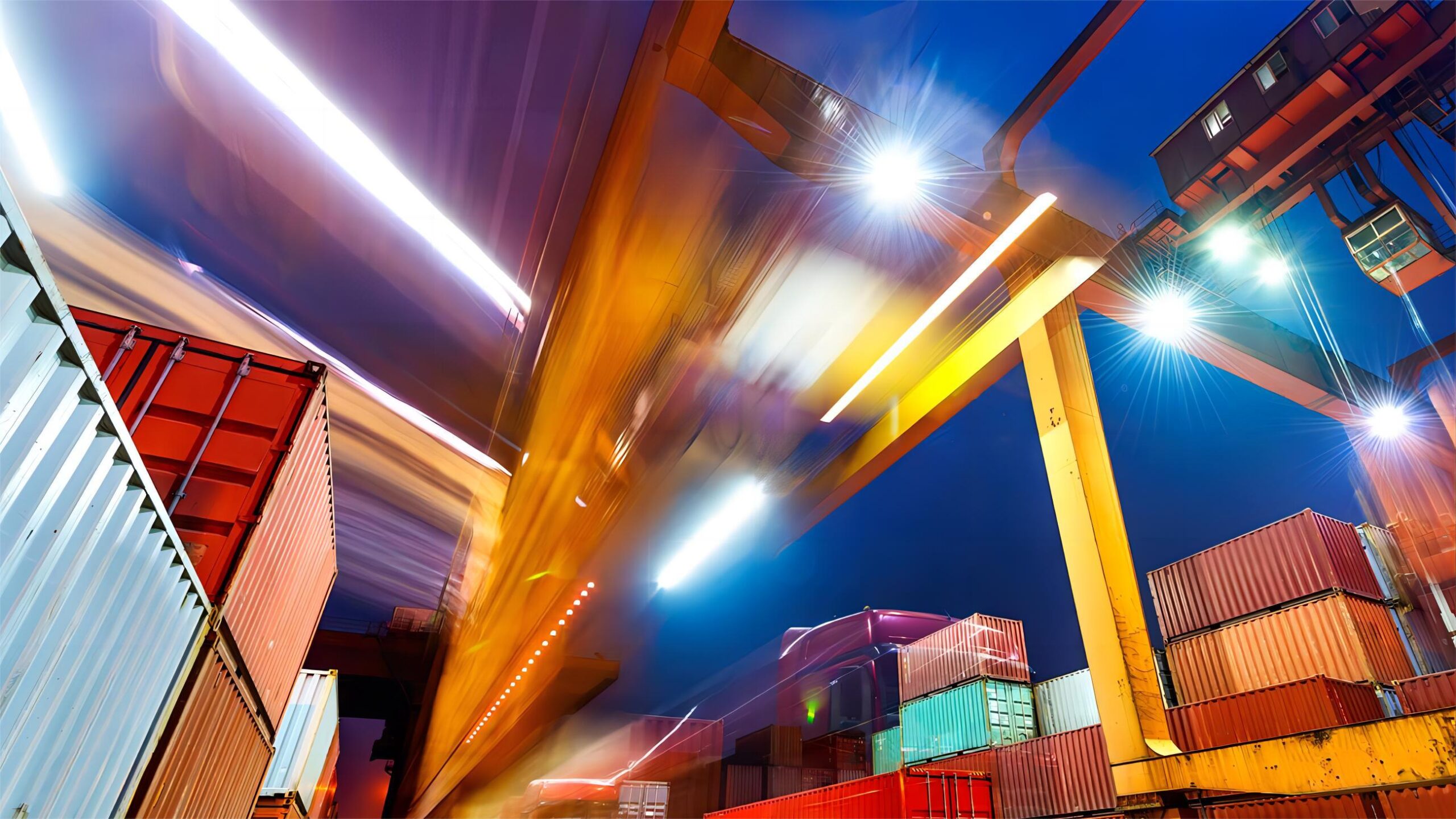
A 40GP container, or 40-foot General Purpose container, is a standard size unit for international ocean freight. It offers substantial capacity, typically around 67 cubic meters, suitable for bulk cargo.
FCL stands for Full Container Load. This means your auto parts shipment occupies the entire container, providing exclusive use. Consequently, this method enhances security and minimizes handling compared to shared containers.
For businesses importing significant volumes of auto components, 40GP FCL shipping is often the most economical choice. It ensures your goods remain undisturbed from origin to destination, which is crucial for sensitive parts. Furthermore, it offers predictable scheduling and reduced risk of damage during transit.
Key Factors for the Best Route from China to Los Angeles
Identifying the optimal route involves balancing several critical factors. Each element plays a pivotal role in the overall efficiency and cost of your auto parts import. Therefore, a comprehensive assessment is essential.
Firstly, transit time is paramount for maintaining supply chain fluidity. Shorter transit means faster inventory turnover and reduced warehousing costs. However, speed often comes with a higher price tag.
Secondly, total shipping costs encompass more than just ocean freight. Origin charges, destination fees, customs duties, and drayage must all be considered. Optimizing these elements is key to competitive pricing.
Moreover, port reliability and potential congestion at both ends significantly impact delivery schedules. Los Angeles and Long Beach are major hubs, but they can experience delays. Consequently, choosing flexible partners is beneficial.
Finally, efficient customs clearance and robust cargo handling procedures are vital. Delays at customs can negate any transit time savings, thus emphasizing the need for meticulous documentation and expert support.
The Optimal Sea Freight Route: China to Los Angeles
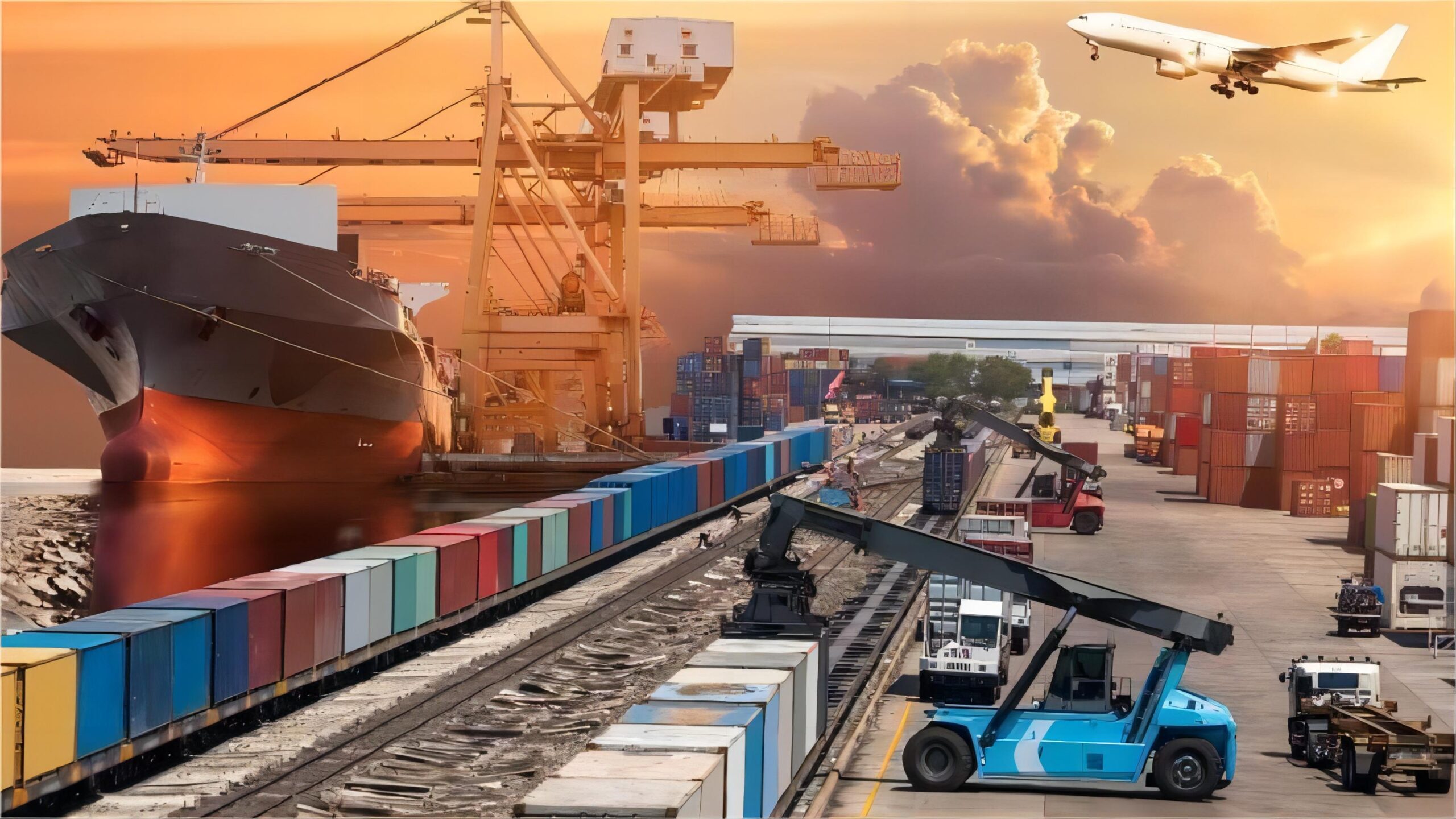
For 40GP FCL auto parts, the most efficient route typically involves direct sea freight services. These originate from major Chinese export hubs and sail directly to the Port of Los Angeles or Long Beach.

Key departure ports in China include Shanghai, Ningbo, Shenzhen, and Qingdao. These ports offer frequent sailings and extensive carrier networks, providing flexibility and competitive rates for sea freight.
Direct routes minimize transshipment points, which reduces handling and potential delays. This streamlined approach contributes to faster transit times and enhanced cargo security. The average sea transit time for this route ranges from 14 to 18 days.
However, transit times can fluctuate based on carrier, vessel capacity, and seasonal demand. Peak seasons, such as before major holidays, often see increased demand and slightly longer schedules. Therefore, booking in advance is always recommended.
Selecting a reputable carrier with a strong presence on the Trans-Pacific route is also crucial. Their reliability directly impacts your delivery schedule and overall supply chain predictability. Look for carriers known for their on-time performance.
How Does 40GP FCL Compare to Other Shipping Options?
Choosing the right shipping method for auto parts depends heavily on your specific needs, particularly regarding cost and urgency. While 40GP FCL is often ideal, alternatives exist for different scenarios. Understanding these options helps in making informed decisions.
Consider the trade-offs between speed, cost, and cargo volume. Each method presents unique advantages and limitations. Therefore, a careful comparison is essential for optimizing your logistics strategy.
The table below provides a clear overview of the primary shipping methods for auto parts from China to Los Angeles. It highlights key differences to guide your selection process.
| Shipping Method | Cost Range (40GP equivalent) | Transit Time (China to LA) | Best For | Limitations |
|---|---|---|---|---|
| Sea FCL (40GP) | $2,500-3,500 | 14-18 days | High volume, heavy, non-urgent auto parts | Slower, port congestion risks |
| Sea LCL | $50-80/CBM (higher per-unit) | 18-25 days | Smaller, lower volume auto parts (under 15 CBM) | More handling, potential delays, higher per-unit cost |
| Air Freight | $4-8/kg (significantly higher) | 3-7 days | Urgent, high-value, lightweight auto parts | Very expensive, volume/weight restrictions |

FCL vs. LCL: When to Choose
For shipments under 15-20 CBM, LCL (Less than Container Load) might seem more economical initially. LCL allows you to pay only for the space your cargo occupies. However, FCL often offers better per-unit costs for larger volumes.
FCL provides greater security and less handling because your auto parts are not consolidated with other shippers’ goods. This reduces the risk of damage or misplacement, which is a significant advantage for valuable components. Transit times for LCL are also generally longer due to consolidation and deconsolidation processes.
If your volume consistently fills a 40GP container, FCL is almost always the superior choice. It offers more control over scheduling and a more direct route. Conversely, LCL is suitable for smaller, less frequent orders where a full container is unnecessary.
Considering Hybrid Solutions and Alternative Strategies
For urgent, high-value components that don’t warrant full air freight, hybrid solutions can be explored. For example, a sea-air option involves shipping by sea to a West Coast port, then air freight for the final domestic leg. This balances cost and speed.
Another strategy involves optimizing inventory levels to allow for longer sea transit times for most parts, reserving air freight only for critical, emergency stock. This approach minimizes overall shipping expenses. Moreover, consolidating multiple smaller orders into a single 40GP FCL shipment can also yield significant savings.
For extremely time-sensitive, lightweight, or high-value auto parts, air freight is undeniably the fastest option. However, its cost is substantially higher, typically several times that of FCL sea freight. Therefore, it is reserved for emergencies or high-profit margin items where speed is critical for sales or production continuity.
Which Option Should You Choose?
If budget is your primary concern and you have sufficient volume, 40GP FCL sea freight is the recommended option. It offers the best balance of cost-effectiveness and capacity for most auto parts importers. Plan ahead to leverage slower transit times.
When speed is paramount for critical components or urgent production needs, air freight is the clear choice. This applies to situations where delays could result in significant financial losses. Be prepared for a much higher shipping cost.
Consider your cargo type: heavy and bulky items like engine blocks or chassis components are best suited for FCL sea freight. For smaller, lighter, or less critical items, LCL or even express services might be adequate. Volume thresholds are crucial; generally, anything over 15-20 CBM makes FCL more cost-efficient.
Note: Freight rates are subject to change based on fuel costs, carrier capacity, and seasonal demand. Contact us for a current quote tailored to your specific shipment.
Navigating Customs and Documentation for Auto Parts
Efficient customs clearance is a non-negotiable aspect of importing auto parts. Errors or omissions in documentation can lead to significant delays and penalties. Therefore, meticulous preparation is essential.
Key documents required typically include a commercial invoice, packing list, and bill of lading. These must accurately describe the goods, their value, and origin. Moreover, proper classification using Harmonized System (HS) codes is critical for duty assessment.
US Customs and Border Protection (CBP) strictly enforces import regulations for automotive products. Some parts may require specific certifications or compliance with safety standards. Consequently, understanding these requirements beforehand prevents complications.
Engaging a professional customs brokerage service is highly recommended. Experts can navigate complex tariffs, ensure compliance, and expedite the clearance process. This minimizes the risk of your auto parts being held up at the port.
Optimizing Your Supply Chain for Auto Parts Imports
Beyond the transit itself, the overall efficiency of your supply chain determines long-term success. Strategic planning for inventory management and warehousing can significantly reduce operational costs. Furthermore, a robust logistics partner supports these efforts.
Implementing just-in-time (JIT) inventory strategies, where feasible, can reduce storage costs and minimize obsolescence. This requires highly reliable shipping channels and accurate delivery schedules. Therefore, working with a dependable forwarder is crucial.
Consider various delivery options, including DDP (Delivered Duty Paid) or DDU (Delivered Duty Unpaid). DDP simplifies the process for the buyer, as the seller handles all duties and taxes. DDU means the buyer is responsible for these upon arrival.
A comprehensive door-to-door service can streamline your entire import process. This service manages everything from factory pickup in China to final delivery in Los Angeles. It reduces administrative burden and ensures seamless coordination across all stages of shipment.
Real-World Case Studies: Auto Parts from China to Los Angeles
Understanding real-world scenarios helps illustrate the practical application of choosing the 40GP FCL best route for auto parts from China to Los Angeles. These examples highlight how strategic logistics planning can lead to successful outcomes. Each case study details key aspects of the shipment.
Based on Q1 2025 market trends, these examples reflect typical rates and transit times. However, individual quotes may vary due to specific cargo, carrier, and market conditions. Always consult with a forwarder for precise figures.
Case Study 1: Large Volume Engine Blocks for a Distributor
A major auto parts distributor needed to import a large consignment of engine blocks. Efficiency and security were paramount for this high-value, heavy cargo. Choosing a direct FCL service was critical for predictable delivery.
This shipment demonstrates the cost-effectiveness and reliability of 40GP FCL for bulky automotive components. Careful planning and carrier selection ensured smooth operations from start to finish.
| Detail | Description |
|---|---|
| Route | Shanghai, China -> Los Angeles, USA |
| Cargo | 25 tons (approx 60 CBM) of engine blocks |
| Container | 40GP FCL |
| Carrier/Service | COSCO |
| Port of Loading | Shanghai |
| Port of Discharge | Los Angeles |
| Route Type | Direct |
| Ocean Freight | $3,100 |
| Origin Charges | $450 |
| Destination Charges | $380 |
| Customs & Duties (est.) | $750 |
| Total Landed Cost | $4,680 |
| Booking to Loading | 5 days |
| Sea Transit | 16 days |
| Customs Clearance | 3 days |
| Total Door-to-Door | 24 days |
| Key Insight | Direct service ensured quick transit. Proactive planning avoided port congestion delays. |
Case Study 2: Mixed Auto Accessories for a Retail Chain
A retail chain required a diverse range of auto accessories for its stores across California. Consolidating these items into a single 40GP FCL shipment proved most efficient. This approach reduced per-unit shipping costs significantly.
Typical rates as of early 2025 show consistent performance for this type of shipment. The forwarder’s expertise in handling diverse cargo types within one container was invaluable. Clear communication ensured all items were accounted for.
| Detail | Description |
|---|---|
| Route | Ningbo, China -> Long Beach, USA |
| Cargo | 20 tons (approx 55 CBM) of various auto accessories |
| Container | 40GP FCL |
| Carrier/Service | Maersk |
| Port of Loading | Ningbo |
| Port of Discharge | Long Beach |
| Route Type | Direct |
| Ocean Freight | $2,850 |
| Origin Charges | $420 |
| Destination Charges | $360 |
| Customs & Duties (est.) | $680 |
| Total Landed Cost | $4,310 |
| Booking to Loading | 6 days |
| Sea Transit | 17 days |
| Customs Clearance | 2 days |
| Total Door-to-Door | 25 days |
| Key Insight | Consistent carrier service maintained schedule. Proper documentation expedited customs processing. |
Current Market Conditions and Future Outlook
The global freight market is dynamic, influencing rates and transit times for auto parts. As of Q1 2025, freight rates from China to the USA West Coast have shown relative stability after earlier disruptions. However, vigilance is always necessary.
Industry trends suggest continued demand for Trans-Pacific routes. Factors like fuel costs, vessel capacity, and geopolitical events can cause fluctuations. Therefore, staying informed about market intelligence is crucial for importers.
Seasonal patterns significantly affect pricing and availability. Rates typically increase by 15-25% during the August-October peak season. Moreover, Chinese New Year closures often lead to a surge in pre-holiday bookings and subsequent rate hikes. Planning around these periods is vital to avoid higher costs and delays.
Market data suggests that while direct services remain robust, port congestion can still be a challenge. Proactive communication with your logistics partner helps mitigate these risks. Consequently, flexibility in scheduling can be a valuable asset.
Choosing the Right Logistics Partner
Navigating the complexities of international shipping, especially for auto parts, requires a reliable logistics partner. An experienced freight forwarder can provide invaluable expertise and support. Their knowledge ensures smooth operations and cost-effective solutions.
Look for a partner with a strong network in both China and the USA. Their ability to manage various aspects, from origin logistics to customs clearance, is paramount. This comprehensive service minimizes your operational burden.
A professional forwarder offers transparency in pricing and communication. They can help you identify the 40GP FCL best route for auto parts from China to Los Angeles tailored to your specific needs. Their guidance helps optimize transit time and reduce overall shipping costs effectively.
Streamlining Your Auto Parts Imports
Successfully importing auto parts from China to Los Angeles hinges on strategic planning and execution. The 40GP FCL best route for auto parts from China to Los Angeles is not merely about transportation; it’s about optimizing your entire supply chain. By understanding key factors, comparing shipping options, and navigating customs effectively, you can achieve significant efficiencies.
Partnering with an experienced logistics provider is paramount for ensuring seamless operations. They offer the expertise to manage complex routes, handle documentation, and mitigate potential challenges. Ultimately, this collaboration safeguards your shipments and supports your business growth. Make informed decisions to secure your competitive edge in the auto parts market.
Need a tailored shipping solution?
Ready to optimize your auto parts supply chain from China to Los Angeles? Contact us today for a personalized quote and expert guidance on the 40GP FCL best route for auto parts from China to Los Angeles. Our dedicated team is prepared to streamline your logistics and ensure timely delivery.