

China FCL Door to Port to Long Beach: Your Ultimate Guide
Shipping a full container load (FCL) from China to Long Beach, California, involves intricate logistics and careful planning. Effectively managing this ‘door to port’ journey is crucial for businesses aiming for efficiency and cost-effectiveness. This comprehensive guide, brought to you by Top China Forwarder, will demystify the process and equip you with essential knowledge for seamless imports.
What is China FCL Door to Port Shipping to Long Beach?
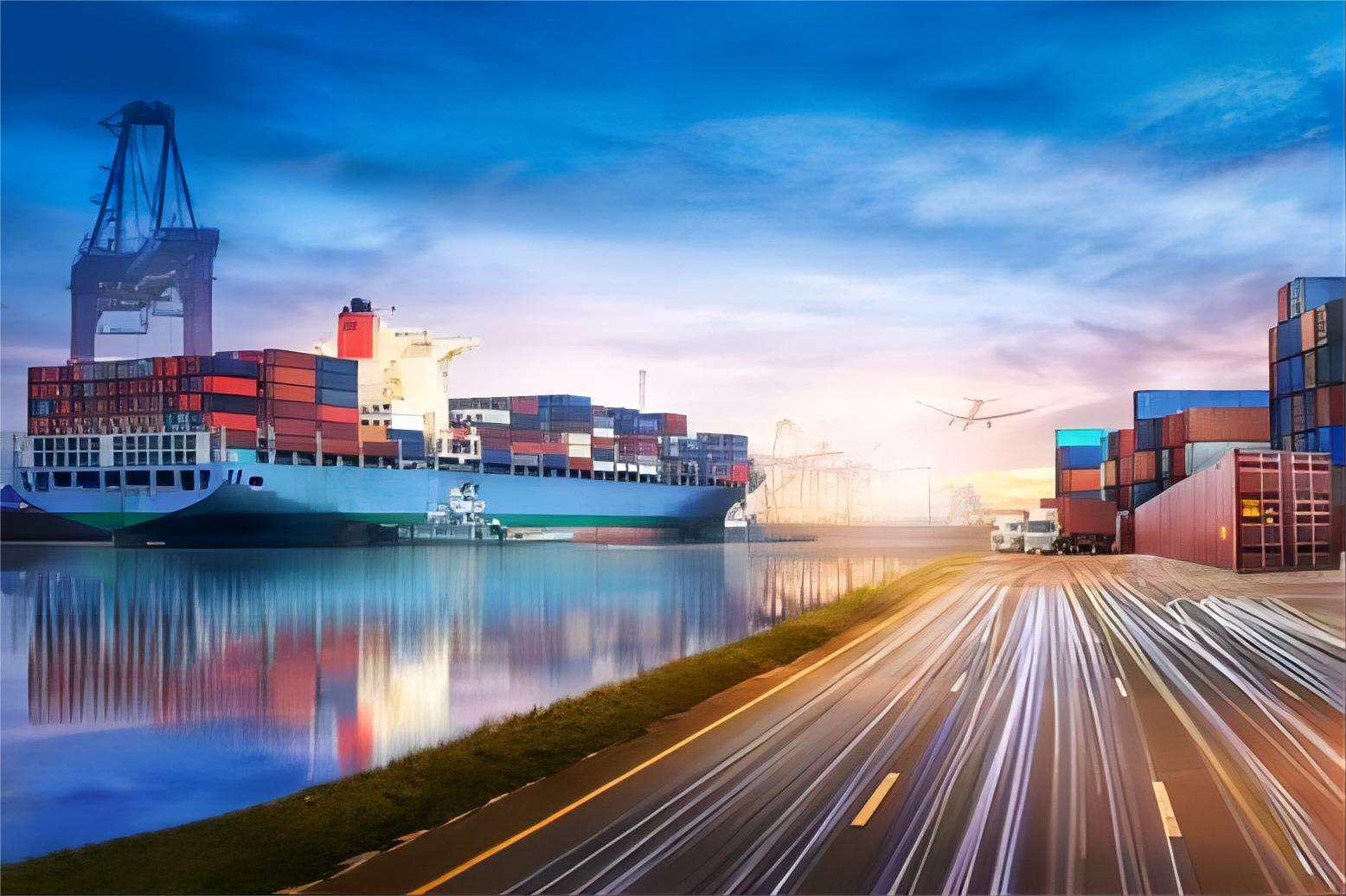
China FCL door to port to Long Beach refers to the process of shipping a full container load from a supplier’s factory or warehouse in China directly to the Port of Long Beach, USA.
This service includes picking up the loaded container from the origin, transporting it to the port of loading in China, ocean transit, and arrival at the destination port.
Essentially, it covers all logistical steps until the container is ready for pickup by the consignee or their designated drayage carrier at Long Beach. This comprehensive solution streamlines the initial stages of international shipping.

Choosing FCL means your cargo occupies an entire container, ensuring security and often faster transit times compared to shared container options.
Why is FCL the Preferred Choice for Shipments to Long Beach?
For businesses importing significant volumes, FCL shipping from China to Long Beach offers numerous advantages.
Firstly, it provides enhanced security and reduced handling, as your goods remain sealed within one container from origin to destination port. This minimizes the risk of damage or loss during transit.
Secondly, FCL typically offers more predictable transit times and schedules. Without the need for consolidation or deconsolidation with other cargo, vessels can depart and arrive more consistently.
Moreover, for larger shipments, the per-unit cost often becomes more economical with FCL compared to less-than-container-load (LCL) options. This makes it a cost-effective FCL solution for substantial cargo volumes.
Understanding Container Types and Capacity for Your Cargo
Selecting the correct container type is fundamental for optimizing your China FCL door to port to Long Beach shipment. Different container sizes cater to various cargo dimensions and weights.
The most common types include 20-foot General Purpose (20GP), 40-foot General Purpose (40GP), and 40-foot High Cube (40HQ) containers. Each offers distinct volumetric and weight capacities.
Careful consideration of your cargo’s total volume and weight is essential to prevent overloading or paying for unused space. Consequently, choosing the right container can significantly impact your overall shipping costs.
| Container Type | External Dimensions (LxWxH) | Approx. Capacity (CBM) | Max Payload (kg) |
|---|---|---|---|
| 20GP | 6.1m x 2.44m x 2.59m | 33 CBM | 28,000 kg |
| 40GP | 12.19m x 2.44m x 2.59m | 67 CBM | 26,000 kg |
| 40HQ | 12.19m x 2.44m x 2.89m | 76 CBM | 26,000 kg |

Navigating the FCL Door to Port Process: From Factory to Vessel
The journey of your FCL shipment from China to Long Beach involves several critical stages, each requiring meticulous coordination. Understanding this process ensures a smoother operation and helps manage expectations.
Initially, once your cargo is ready, a container is delivered to your supplier’s factory for loading. This ‘door’ service ensures convenience and minimizes additional domestic transport.
Subsequently, the loaded container is trucked to the designated port of loading in China, such as Shanghai, Ningbo, or Shenzhen. Here, it undergoes customs clearance and is then staged for vessel loading.
Upon successful loading, the vessel departs, beginning the ocean transit phase. This integrated approach simplifies logistics for the shipper, ensuring seamless cargo handling.
How Does China FCL Door to Port Compare to Other Shipping Options?
When importing from China to Long Beach, businesses have various shipping methods to consider, each with unique cost, speed, and suitability profiles. Comparing these options is vital for making informed logistical decisions.
While FCL door to port offers dedicated container space and efficiency, alternatives like Less than Container Load (LCL) or air freight serve different needs. Understanding these distinctions helps optimize your supply chain.
For instance, LCL is suitable for smaller shipments that don’t fill an entire container, while air freight is reserved for urgent or high-value goods. Therefore, evaluating your priorities is key.
| Shipping Method | Cost Range (40HQ Equivalent) | Typical Transit Time | Best For | Limitations |
|---|---|---|---|---|
| FCL Sea Freight | $2,800 – $3,800 | 14 – 18 days | Large volumes, cost efficiency | Longer transit times |
| LCL Sea Freight | $50 – $80/CBM | 20 – 25 days | Smaller volumes (under 15 CBM) | More handling, potential delays |
| Air Freight | $15,000 – $25,000 | 5 – 7 days | Urgent, high-value, perishable goods | Very high cost, volume/weight limits |
Critical Considerations for Customs Clearance at Long Beach
Successfully clearing customs at the Port of Long Beach is a non-negotiable step for any import from China. Proper documentation and adherence to regulations are paramount to avoid delays and penalties.
Importers must ensure all necessary paperwork, including commercial invoices, packing lists, and bills of lading, is accurate and complete. Additionally, understanding U.S. import duties and taxes is crucial for financial planning.
Working with an experienced customs broker, such as those specializing in customs brokerage, can significantly streamline this complex process. They can help navigate regulations and ensure compliance, ultimately saving time and resources.
Essential Documents for US Imports
Timely submission of accurate documents is crucial for a smooth customs process. Any discrepancies can lead to significant delays and additional costs.
| Document | Purpose | Key Information Required |
|---|---|---|
| Commercial Invoice | Valuation for duties & taxes | Seller/Buyer, goods description, value, currency |
| Packing List | Details of cargo contents | Number of packages, weight, dimensions, marks |
| Bill of Lading (BOL) | Contract of carriage, title to goods | Shipper, consignee, notify party, vessel, port details |
| Arrival Notice | Notification of cargo arrival | Container number, vessel, estimated arrival, charges |
| Importer Security Filing (ISF) | Pre-arrival cargo data for security | 10 data elements, submitted 24 hours prior to loading |
Optimizing Your Supply Chain: Choosing a Reliable Partner
Selecting a competent and reliable freight forwarder is perhaps the most critical decision for optimizing your China FCL door to port to Long Beach supply chain. A good partner acts as an extension of your business.
They possess the expertise to manage all facets of your shipment, from factory pickup in China to port delivery in Long Beach. This includes coordinating inland transport, securing vessel space, and handling complex documentation.
A forwarder proficient in sea freight operations can offer competitive ocean freight rates China to Long Beach and provide proactive communication. Therefore, thorough vetting is essential to find a partner that aligns with your logistical needs and budget.
Case Study 1: Electronics from Shenzhen to Long Beach
A tech company needed to import 20GP containers of consumer electronics from Shenzhen, China, to Long Beach, California, consistently every month. The priority was reliable transit times and cost efficiency.
| Detail | Description |
|---|---|
| Route | Shenzhen, China -> Long Beach, USA |
| Cargo | Consumer Electronics, 28 CBM, 12,000 kg |
| Container | 20GP |
| Shipping Details | Carrier: COSCO, Port of Loading: Yantian, Port of Discharge: Long Beach, Route Type: Direct |
| Cost Breakdown (Q4 2024) | Ocean Freight: $1,850, Origin Charges: $450, Destination Charges: $300, Customs & Duties (est): $1,200, Total Landed Cost: $3,800 |
| Timeline | Booking to Loading: 3 days, Sea Transit: 15 days, Customs Clearance: 2 days, Total Door-to-Port: 20 days |
| Key Insight | Proactive booking during peak season secured competitive rates and avoided port congestion surcharges. Efficient documentation sped up customs clearance. |
Case Study 2: Apparel from Guangzhou to Long Beach
A fashion retailer required urgent shipment of new season apparel from Guangzhou, China, to Long Beach. Speed was a higher priority than absolute lowest cost, but still within a reasonable budget.
| Detail | Description |
|---|---|
| Route | Guangzhou, China -> Long Beach, USA |
| Cargo | Fashion Apparel, 65 CBM, 10,000 kg |
| Container | 40GP |
| Shipping Details | Carrier: Maersk, Port of Loading: Nansha, Port of Discharge: Long Beach, Route Type: Direct |
| Cost Breakdown (Q1 2025) | Ocean Freight: $2,900, Origin Charges: $550, Destination Charges: $350, Customs & Duties (est): $1,500, Total Landed Cost: $5,300 |
| Timeline | Booking to Loading: 4 days, Sea Transit: 16 days, Customs Clearance: 2 days, Total Door-to-Port: 22 days |
| Key Insight | Leveraged a carrier with direct service to minimize transit time. Pre-clearing customs documentation before vessel arrival significantly reduced port dwell time. |
Case Study 3: Furniture from Ningbo to Long Beach
A furniture importer regularly ships large, bulky items from Ningbo, China, to Long Beach. Their challenge was optimizing space utilization in 40HQ containers and managing delivery schedules.
| Detail | Description |
|---|---|
| Route | Ningbo, China -> Long Beach, USA |
| Cargo | Assembled Furniture, 70 CBM, 15,000 kg |
| Container | 40HQ |
| Shipping Details | Carrier: MSC, Port of Loading: Ningbo, Port of Discharge: Long Beach, Route Type: Transshipment via Busan |
| Cost Breakdown (Q3 2024) | Ocean Freight: $3,200, Origin Charges: $600, Destination Charges: $400, Customs & Duties (est): $1,800, Total Landed Cost: $6,000 |
| Timeline | Booking to Loading: 5 days, Sea Transit: 18 days, Customs Clearance: 3 days, Total Door-to-Port: 26 days |
| Key Insight | Careful loading plans maximized container utilization. Utilizing a transshipment route provided cost savings, albeit with a slightly extended transit time, which was acceptable for this cargo type. |
Market Insights and Future Trends in China-USA FCL Shipping
The landscape of China-USA FCL shipping is constantly evolving, influenced by global economic shifts, geopolitical events, and technological advancements. Staying informed about these trends is crucial for effective supply chain management.
As of Q2 2025, freight rates from China to the USA West Coast have shown some stabilization after previous fluctuations, yet remain sensitive to capacity and demand. Port congestion at Long Beach continues to be a factor, necessitating flexible planning.
Moreover, increasing emphasis on sustainability is driving changes in carrier practices and route optimization. Importers should consider partners who prioritize eco-friendly shipping solutions. This forward-looking approach helps in managing supply chain China to California more effectively.
Which Shipping Option Should You Choose for Long Beach?
Deciding on the optimal shipping method for your imports from China to Long Beach depends on several critical factors. A strategic approach ensures both cost-effectiveness and timely delivery.
Consider your budget priority: If minimizing cost is paramount, FCL sea freight is generally the most economical choice for large volumes. However, be prepared for longer transit times.
For speed priority, especially for time-sensitive goods, air freight is unmatched, despite its significantly higher cost. This method is ideal for urgent or high-value items.
Cargo type considerations also play a role. Fragile or high-value items benefit from the reduced handling of FCL. Volume thresholds for switching methods are also important; typically, shipments over 15 CBM benefit from FCL rates.
Ultimately, a balanced consideration of cost, speed, cargo nature, and volume will guide you to the most suitable shipping solution. Furthermore, exploring door to door services might offer additional convenience and integrated logistics.
Conclusion: Mastering Your China FCL Door to Port to Long Beach Shipments
Navigating the complexities of China FCL door to port to Long Beach shipping demands a comprehensive understanding of processes, costs, and potential challenges. From selecting the right container to managing customs, each step is vital for a successful import operation.
By partnering with an experienced freight forwarder, leveraging market insights, and choosing appropriate shipping methods, businesses can significantly optimize their supply chain. This approach ensures efficiency, cost-effectiveness, and reliability for all your full container load needs.
Ultimately, a well-executed logistics strategy for China FCL door to port to Long Beach contributes directly to your business’s bottom line and competitive advantage. Take control of your imports with expert guidance.
Get Your Shipping Quote Today
Ready to streamline your China FCL door to port to Long Beach shipments? Contact our experts today for a personalized quote and discover how our tailored solutions can optimize your logistics. Let us handle the complexities, so you can focus on your business growth.
Request Quote