Insurance for FCL Shipping from China to Denmark: Your Complete Guide
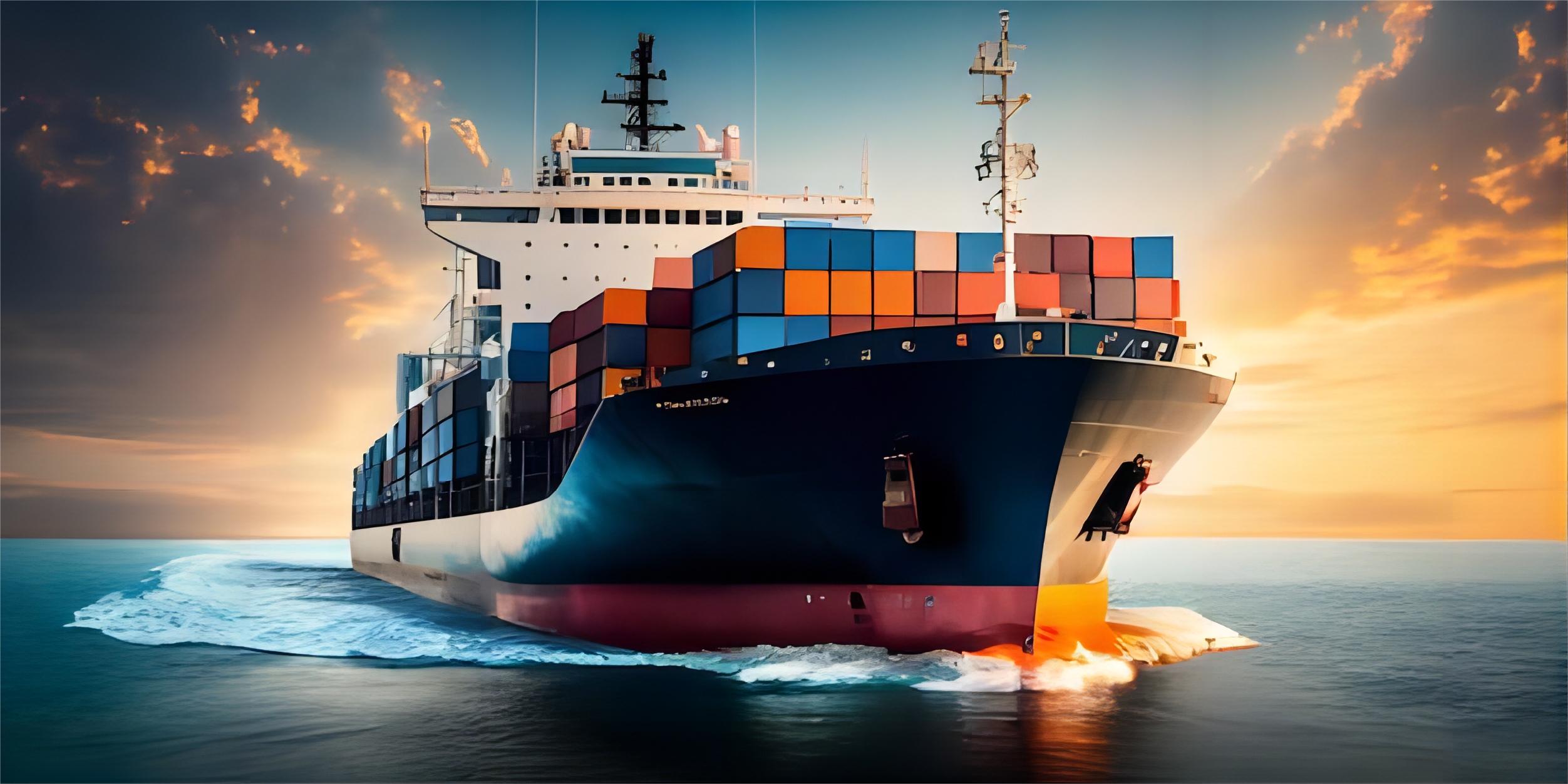
Full Container Load (FCL) shipping from China to Denmark is a cornerstone of global trade, moving vast quantities of goods across continents. However, this journey is not without risks, making robust cargo insurance an absolute necessity. Protecting your investment from potential perils is crucial for a smooth supply chain. Learn how Top China Forwarder can help secure your shipments.
Why is Cargo Insurance Critical for FCL Shipping from China to Denmark?
Shipping goods via FCL from China to Denmark involves a long sea voyage, exposing cargo to numerous risks. These can range from natural disasters and accidents at sea to theft or damage during handling. Without adequate insurance, businesses face significant financial losses, potentially impacting their entire supply chain.
Furthermore, international trade regulations, such as Incoterms, often define who bears the risk at different stages of transit. Even if your Incoterms place responsibility on the seller, you might still want to secure your own coverage. This ensures your business is protected regardless of unforeseen circumstances. Therefore, understanding ‘insurance for FCL shipping from China to Denmark’ is vital for every importer.
Understanding Different Types of Cargo Insurance Coverage
Choosing the right type of cargo insurance is paramount for comprehensive protection. Various policies offer different levels of coverage, tailored to specific risks and cargo types. Knowing these options helps you make an informed decision and manage potential liabilities effectively.
Most importantly, an ‘all-risk’ policy provides the broadest coverage, protecting against most external causes of loss or damage. However, it typically excludes certain perils like war, strikes, riots, or inherent vice of the goods. Specific exclusions should always be reviewed carefully before purchasing any policy.
| Coverage Type | Description | Common Perils Covered | Best For |
|---|---|---|---|
| All-Risk | Broadest coverage, covers most external causes of loss or damage. | Theft, non-delivery, rough handling, weather damage, fire, collision, sinking. | Most commercial goods, high-value items, general cargo. |
| Named Perils/FPA (Free Particular Average) | Covers only specific, named perils. Less comprehensive than all-risk. | Collision, sinking, stranding, fire, general average sacrifice. Excludes theft, non-delivery. | Low-value goods, bulk commodities, where cost is primary concern. |
| With Average (WA) | Covers named perils plus partial losses due to heavy weather, entry of sea water. | Similar to FPA, but also includes partial losses from perils like heavy weather. | Goods susceptible to water damage but not requiring full all-risk protection. |
Key Factors Influencing FCL Shipping Insurance Costs
The cost of ‘insurance for FCL shipping from China to Denmark’ is not static; several variables contribute to the final premium. Understanding these factors allows businesses to better budget and potentially optimize their insurance expenses. This transparency is crucial for effective financial planning.
Primarily, the value of the goods being shipped is the most significant determinant. Higher value cargo naturally incurs a higher premium due to the increased financial risk for the insurer. Therefore, accurate cargo valuation is essential for obtaining a precise quote.
Moreover, the type of goods plays a considerable role. Fragile, perishable, or hazardous materials typically command higher rates compared to durable, non-perishable items. The nature of the commodity directly impacts its vulnerability to damage during transit. Always declare your cargo accurately.
Route and Transit Time
The specific shipping route from China to Denmark and the estimated transit time also influence insurance premiums. Longer routes or those passing through areas known for specific risks, such as piracy or political instability, may result in higher costs. Direct routes generally present fewer risks.
Furthermore, the carrier’s reputation and loss history can affect rates. Reputable carriers with strong safety records often lead to lower premiums. Therefore, choosing a reliable freight forwarder like Top China Forwarder’s sea freight services is a strategic decision for risk mitigation.
Packaging and Container Type
The quality of packaging and the type of FCL container used are critical in preventing damage. Well-secured and appropriate packaging reduces the likelihood of loss or damage, which can positively impact your insurance rates. Proper loading and lashing within the container are also vital.
Additionally, the chosen deductible amount on your policy will affect the premium. A higher deductible typically results in a lower premium, but it means you bear more of the initial loss yourself. Balancing premium cost with potential out-of-pocket expenses is an important consideration.
The Claims Process: What to Do if Damage Occurs?
Despite all precautions, incidents can still happen during transit. Knowing the correct claims process is crucial for a swift and successful resolution. Prompt action and thorough documentation are key to recovering losses from cargo damage or loss.
Firstly, upon discovering any damage or loss, immediate notification to the carrier, freight forwarder, and insurance provider is essential. This often involves documenting the damage with photos and detailed descriptions at the point of receipt. Do not delay this step.
Secondly, gather all relevant shipping documents, including the bill of lading, commercial invoice, packing list, and the insurance certificate. These documents are vital for substantiating your claim. A detailed survey report from an independent surveyor may also be required for significant damages. Working with a freight forwarder who handles customs brokerage can simplify documentation.
How Does FCL Shipping Compare to Other Shipping Options to Denmark?
When importing from China to Denmark, FCL sea freight is often the most cost-effective solution for large volumes. However, other shipping methods exist, each with its own advantages and disadvantages concerning speed, cost, and capacity. Understanding these alternatives helps in making strategic logistics decisions.
Considering the specific requirements of your cargo and delivery timelines is crucial. For instance, while FCL offers economies of scale, it also entails longer transit times. Consequently, urgent or high-value shipments might necessitate different approaches despite higher costs. This comparison is vital for optimizing your supply chain and managing freight rates.
For smaller shipments, Less than Container Load (LCL) might be an option, consolidating your goods with others. Moreover, for time-sensitive cargo, air freight provides significantly faster delivery. However, the cost difference is substantial, impacting overall shipping costs and import/export budgeting.
| Shipping Method | Cost Range (40HQ/1000kg) | Transit Time (China-Denmark) | Best For | Limitations |
|---|---|---|---|---|
| FCL Sea Freight | USD 3,000 – 4,500 (40HQ) | 28 – 35 days | Large volumes, heavy goods, cost-effective, non-urgent. | Slow transit, port-to-port focus, potential for port congestion. |
| LCL Sea Freight | USD 80 – 150 per CBM | 30 – 40 days | Smaller shipments (under 15 CBM), flexible volumes. | Longer transit due to consolidation, higher per-unit cost than FCL. |
| Air Freight | USD 5 – 10 per kg | 3 – 7 days | Urgent, high-value, perishable, small-to-medium shipments. | Very high cost, strict weight/volume limits, higher carbon footprint. |
| Rail Freight | USD 8,000 – 12,000 (40HQ) | 18 – 25 days | Time-sensitive but not urgent, landlocked regions, medium-to-large volumes. | Limited routes, higher cost than sea, potential for transshipment delays. |
Which Option Should You Choose?
The optimal shipping method depends entirely on your business priorities. Consider your budget, urgency, cargo volume, and the nature of the goods. A clear understanding of these factors will guide you toward the most suitable and efficient solution for your imports.
If budget is your primary concern and you have large volumes, FCL sea freight is almost always the best choice. For time-sensitive, high-value, or smaller urgent shipments, air freight becomes a viable, albeit more expensive, alternative. Hybrid solutions, like sea-air, can also offer a balance. Furthermore, for door-to-door delivery, considering a comprehensive service can streamline the process.
Navigating Customs and Documentation for Denmark Imports
Importing goods into Denmark requires meticulous attention to customs regulations and documentation. Proper preparation ensures smooth clearance and avoids costly delays or penalties. Understanding the specific requirements for your FCL shipment is paramount for efficient delivery.
The EU’s customs union means that once your FCL shipment clears customs in Denmark, it can move freely within other EU member states. However, the initial import process demands accuracy. This includes correct classification of goods, accurate valuation, and adherence to all Danish import tariffs and taxes.
Working with an experienced freight forwarder who specializes in door-to-door services can significantly streamline this complex process. They can manage all documentation and liaise with customs authorities on your behalf. This expertise is invaluable for avoiding common pitfalls and ensuring compliance.
Essential Documents for FCL Shipments to Denmark
A comprehensive set of documents is required for customs clearance. Missing or incorrect paperwork can lead to significant delays and storage charges. Therefore, preparing these documents meticulously is a critical step in your shipping process.
Ensuring all details on these documents match perfectly is crucial. Discrepancies can trigger customs inspections or hold-ups. Consequently, double-checking every piece of information before submission is a necessary best practice for all international cargo movements.
| Document | Purpose | Key Information |
|---|---|---|
| Commercial Invoice | Details of goods sold, value for customs. | Seller/buyer info, goods description, quantity, price, Incoterms. |
| Packing List | Details of cargo packaging and contents. | Number of packages, weight, dimensions, container number. |
| Bill of Lading (BOL) | Contract of carriage, title to goods. | Shipper/consignee, carrier, ports, cargo description, container number. |
| Certificate of Origin | Proves country of manufacture for tariffs. | Origin country, goods description, signatures from chambers of commerce. |
| Insurance Certificate | Proof of cargo insurance coverage. | Policy number, coverage type, insured value, parties involved. |
| Import License/Permit | Required for certain regulated goods. | Specific product codes, validity dates, issuing authority. |
Real-World Scenarios: Insuring FCL Shipments to Denmark
To illustrate the practical application of ‘insurance for FCL shipping from China to Denmark’, let’s explore a few realistic case studies. These examples highlight common challenges and effective solutions for safeguarding your cargo. Understanding these scenarios can help you prepare for your own shipments.
These case studies demonstrate how different factors, from cargo type to chosen routes, influence insurance needs and overall logistics. They underscore the importance of tailored risk management strategies. Moreover, they emphasize the value of partnering with experienced logistics providers.
Case Study 1: Furniture Import for Retail Chain
| Detail | Description |
|---|---|
| Route | Shanghai, China -> Aarhus, Denmark |
| Cargo | Flat-pack wooden furniture, 60 CBM, 15,000 kg |
| Container | 1 x 40HQ |
| Shipping Details | |
| Carrier/Service | Major carrier (e.g., Maersk) |
| Port of Loading | Shanghai |
| Port of Discharge | Aarhus |
| Route Type | Direct |
| Cost Breakdown (Based on Q3 2024 market rates) | |
| Ocean Freight | USD 3,800 |
| Origin Charges (THC, documentation) | USD 450 |
| Destination Charges (DDC, import handling) | USD 600 |
| Customs & Duties (estimated 5% of goods value) | USD 2,500 |
| Cargo Insurance (All-Risk, 0.5% of cargo value USD 50,000) | USD 250 |
| Total Landed Cost | USD 7,600 |
| Timeline | |
| Booking to Loading | 7 days |
| Sea Transit | 30 days |
| Customs Clearance | 3 days |
| Total Door-to-Port | 40 days |
| Key Insight | Furniture is susceptible to moisture and impact. All-risk insurance was crucial. The direct route minimized transit time and handling risks. |
Case Study 2: Electronics Components for Manufacturing
| Detail | Description |
|---|---|
| Route | Shenzhen, China -> Copenhagen, Denmark |
| Cargo | Sensitive electronic components, 55 CBM, 12,000 kg |
| Container | 1 x 40HQ |
| Shipping Details | |
| Carrier/Service | Major carrier (e.g., COSCO) |
| Port of Loading | Shenzhen |
| Port of Discharge | Copenhagen |
| Route Type | Transshipment via Hamburg |
| Cost Breakdown (Typical rates as of early 2025) | |
| Ocean Freight | USD 3,600 |
| Origin Charges (THC, documentation) | USD 400 |
| Destination Charges (DDC, import handling) | USD 550 |
| Customs & Duties (estimated 2.5% of goods value) | USD 1,500 |
| Cargo Insurance (All-Risk with extended coverage for electronics, 0.6% of cargo value USD 60,000) | USD 360 |
| Total Landed Cost | USD 6,410 |
| Timeline | |
| Booking to Loading | 5 days |
| Sea Transit | 35 days (including transshipment) |
| Customs Clearance | 4 days |
| Total Door-to-Port | 44 days |
| Key Insight | Transshipment increased transit time and handling points, necessitating robust all-risk insurance with specific clauses for electronics. Timely customs brokerage prevented delays. |
Case Study 3: Apparel Shipment for Fashion Brand
| Detail | Description |
|---|---|
| Route | Ningbo, China -> Esbjerg, Denmark |
| Cargo | Seasonal apparel, 65 CBM, 10,000 kg |
| Container | 1 x 40HQ |
| Shipping Details | |
| Carrier/Service | Major carrier (e.g., MSC) |
| Port of Loading | Ningbo |
| Port of Discharge | Esbjerg |
| Route Type | Direct (with feeder service from Rotterdam) |
| Cost Breakdown (Based on Q1 2025 market rates, post-Red Sea stabilization) | |
| Ocean Freight | USD 4,100 |
| Origin Charges (THC, documentation) | USD 500 |
| Destination Charges (DDC, import handling) | USD 650 |
| Customs & Duties (estimated 12% of goods value) | USD 4,800 |
| Cargo Insurance (All-Risk, 0.45% of cargo value USD 40,000) | USD 180 |
| Total Landed Cost | USD 10,230 |
| Timeline | |
| Booking to Loading | 6 days |
| Sea Transit | 32 days |
| Customs Clearance | 3 days |
| Total Door-to-Port | 41 days |
| Key Insight | Seasonal goods require punctual delivery. Insurance covered potential delays and damage, ensuring product availability. The feeder service added complexity but offered direct access to a smaller port. |
Ensuring Peace of Mind for Your China-Denmark FCL Shipments
Navigating the complexities of international shipping, especially for FCL cargo from China to Denmark, requires careful planning and robust risk management. Comprehensive cargo insurance is not just an option; it’s a strategic necessity to protect your investments and ensure business continuity. Understanding the various types of coverage, factors influencing costs, and the claims process empowers you to make informed decisions.
By partnering with experienced freight forwarders, you can mitigate risks, streamline customs procedures, and achieve greater peace of mind. Investing in the right ‘insurance for FCL shipping from China to Denmark’ safeguards your supply chain against unforeseen events. Ultimately, this proactive approach contributes significantly to your overall import/export success.
Get Your Shipping Quote Today
Ready to secure your next FCL shipment from China to Denmark? Contact our experts today for a personalized insurance quote and comprehensive logistics solutions. We simplify international shipping for your business success.