

Streamlining Your 40HQ FCL Booking Process for Furniture from China to UK
Shipping large volumes of furniture from China to the UK requires a clear understanding of the 40HQ FCL booking process. This comprehensive guide will demystify the complexities, helping you manage everything from freight rates to customs clearance efficiently. For reliable support, explore our services at Top China Forwarder.
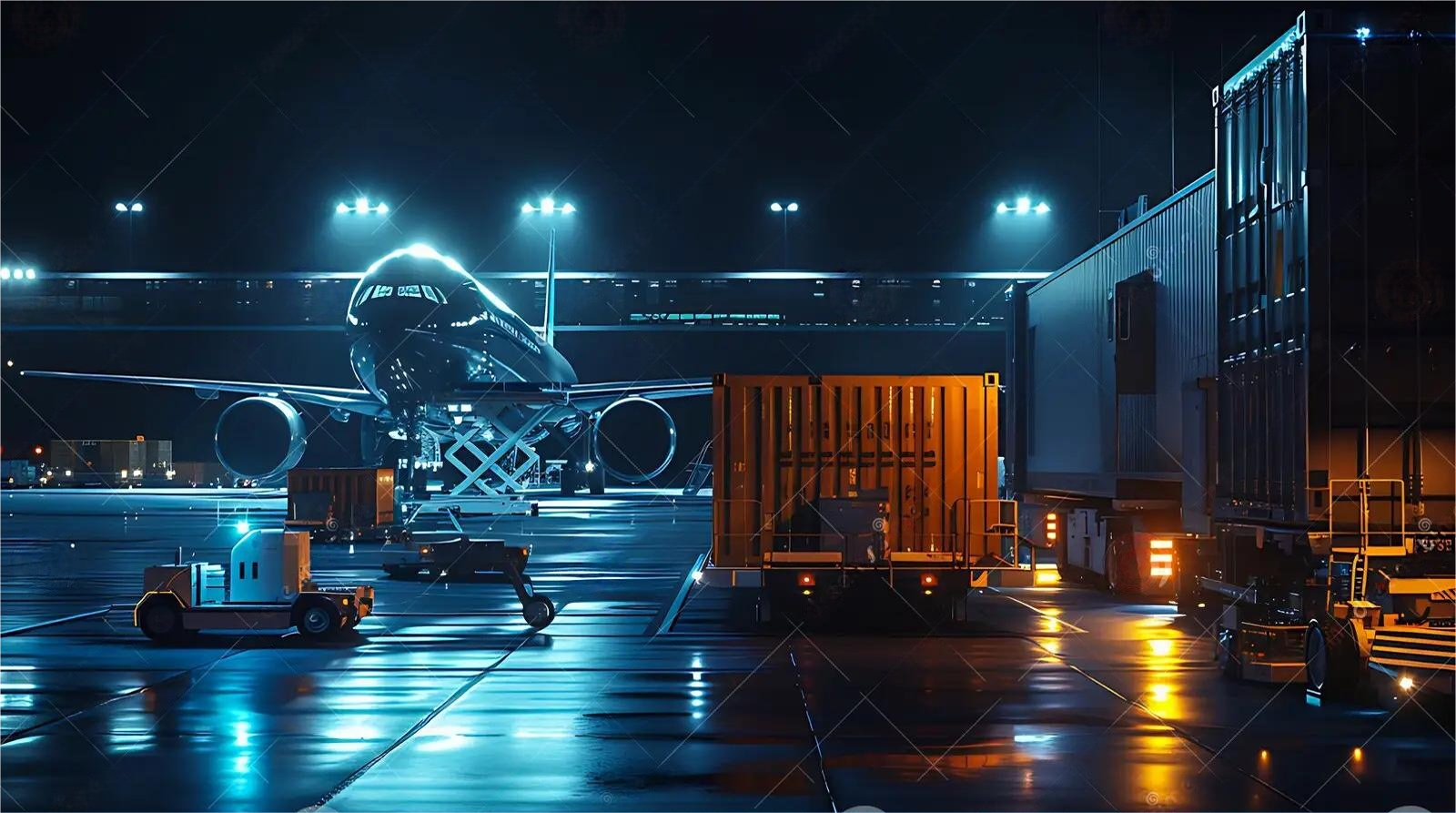
What is a 40HQ FCL and Why Use It for Furniture?
A 40HQ (40-foot High Cube) container is a standard shipping unit, measuring 40 feet long, 8 feet wide, and 9.5 feet high. It offers a larger cubic capacity compared to a standard 40-foot GP (General Purpose) container, making it ideal for bulky cargo like furniture.
Using a Full Container Load (FCL) means your goods occupy the entire container. Consequently, FCL shipping provides enhanced security and faster transit times because there is no need for consolidation or deconsolidation with other shipments. For furniture importers, this dedicated space is crucial for protecting goods.
Navigating the 40HQ FCL Booking Process for Furniture from China to UK
The process of booking a 40HQ FCL for furniture from China to the UK involves several critical stages. Each step requires meticulous attention to detail to ensure a smooth and efficient shipment. Therefore, understanding this flow is paramount for successful importing.
Step 1: Planning and Preparation
Initially, define your cargo details, including dimensions, weight, and quantity of furniture. Furthermore, determine the Incoterms (e.g., FOB, EXW, CIF) with your supplier, as these dictate responsibilities for costs and risks. Proper planning sets the foundation for a successful import operation.
Step 2: Obtaining Quotes and Carrier Selection
Next, gather quotes from various freight forwarders for the 40HQ FCL booking process. Compare freight rates, transit times, and service levels, especially for sea freight. Selecting a reliable partner is vital for managing your furniture shipment effectively.
Step 3: Documentation and Booking Confirmation
Once a forwarder is chosen, confirm your booking and prepare essential documents. This includes the commercial invoice, packing list, and Bill of Lading (B/L). Accurate documentation is crucial for customs clearance and avoiding delays.
Step 4: Pre-Shipment Logistics and Loading
Before the container departs, coordinate with your supplier for container stuffing at the factory or warehouse. Subsequently, arrange drayage (trucking) to transport the loaded container to the port of loading in China. Proper loading techniques prevent damage during transit.
Step 5: Ocean Transit and Tracking
After loading, the container embarks on its ocean voyage to the UK. Most forwarders provide tracking services, allowing you to monitor your shipment’s progress. Regular updates on your cargo’s location provide peace of mind.
Step 6: UK Customs Clearance and Import Duties
Upon arrival in the UK, your furniture shipment must undergo customs clearance. This involves submitting necessary documents to HMRC and paying applicable import duties, VAT, and tariffs. Engaging a customs brokerage service is often beneficial for navigating these complex regulations.
Step 7: Final Delivery and Unloading
Finally, after customs clearance, arrange for inland haulage to transport the container to its final destination in the UK. Many importers opt for a door-to-door service, which handles the entire logistics chain. Efficient unloading and warehousing are the last steps in the process.

Key Considerations for Furniture Shipping from China to UK
Several factors significantly impact the efficiency and cost of shipping furniture. Understanding these can help optimize your logistics strategy. For instance, proper packaging is non-negotiable for delicate furniture items.
Consider, furthermore, marine insurance to protect against unforeseen damages or losses during transit. Seasonal variations also affect freight rates, with peak seasons typically seeing higher costs and longer transit times. Selecting the right ports in both China and the UK is also crucial for minimizing inland transport costs and delays.
| Category | Major China Ports | Major UK Ports | Key Advantage |
|---|---|---|---|
| East China | Shanghai, Ningbo | Felixstowe, Southampton | Direct routes, high frequency |
| South China | Shenzhen, Guangzhou | London Gateway, Liverpool | Proximity to manufacturing hubs |
| North China | Qingdao, Tianjin | Grangemouth, Teesport | Access to northern UK markets |
How Does 40HQ FCL Compare to Other Shipping Options?
While 40HQ FCL is excellent for large furniture volumes, other methods exist, each with its own trade-offs. Comparing these alternatives helps in making informed decisions for your specific needs. Understanding these differences can lead to significant savings.
For example, Less than Container Load (LCL) shipping is an option for smaller volumes, consolidating your goods with others. Air freight, on the other hand, provides speed but at a significantly higher cost. Therefore, choosing the right method depends on your budget, urgency, and cargo characteristics.
| Shipping Method | Cost Range (40HQ equivalent) | Transit Time (China to UK) | Best For | Limitations |
|---|---|---|---|---|
| 40HQ FCL Sea Freight | $3,500 – $4,500 | 30-38 days (sea transit) | Large volume, cost-effective | Longer transit, port congestion risk |
| LCL Sea Freight | $80 – $120 per CBM | 35-45 days (sea transit) | Small to medium volume, flexible | More handling, potential delays |
| Air Freight | $15,000 – $25,000 | 5-7 days | Urgent, high-value, small volume | Very high cost, volume/weight limits |

Which Option Should You Choose?
If budget is your primary concern and you have sufficient volume, FCL sea freight is almost always the most economical choice. However, if speed is paramount for a high-value or urgent furniture delivery, air freight might be necessary, despite its higher cost. For smaller, non-urgent shipments, LCL can be a viable alternative.
Cargo type also influences the decision. Fragile or high-value furniture often benefits from the dedicated space and reduced handling of FCL. Conversely, small, durable items might be suitable for LCL. Always consider the total landed cost and your supply chain objectives.
Real-World Scenarios: 40HQ FCL Furniture Shipments
Case Study 1: Large Volume Retailer
This case illustrates the efficiency of FCL for a major furniture retailer navigating the 40HQ FCL booking process. Their consistent import volume allowed for strategic planning and cost optimization. Based on Q4 2024 market rates, this shipment highlights typical challenges and solutions.
| Detail | Value |
|---|---|
| Route | Foshan, China -> London, UK |
| Cargo | Sofas, dining sets, 55 CBM, 10,000 kg |
| Container | 40HQ |
| Shipping Details | Carrier: COSCO, POL: Shenzhen, POD: Felixstowe, Route Type: Direct |
| Cost Breakdown | Ocean Freight: $4,000, Origin Charges: $550, Destination Charges: $650, Customs & Duties (estimated): $1,800, Total Landed Cost: $7,000 |
| Timeline | Booking to Loading: 7 days, Sea Transit: 35 days, Customs Clearance: 3 days, Total Door-to-Door: 45 days |
| Key Insight | Early booking during peak season secured container space and avoided higher spot rates. |
Case Study 2: Niche Furniture Importer
For a business specializing in custom wooden cabinets, careful handling and precise documentation were paramount. This example, reflecting early 2025 rates, demonstrates managing fragile, high-value items via FCL. Effective communication with the freight forwarder was key to success.
| Detail | Value |
|---|---|
| Route | Shanghai, China -> Manchester, UK |
| Cargo | Custom wooden cabinets, 60 CBM, 8,000 kg |
| Container | 40HQ |
| Shipping Details | Carrier: Maersk, POL: Shanghai, POD: Liverpool, Route Type: Direct |
| Cost Breakdown | Ocean Freight: $3,700, Origin Charges: $500, Destination Charges: $600, Customs & Duties (estimated): $1,500, Total Landed Cost: $6,300 |
| Timeline | Booking to Loading: 10 days, Sea Transit: 38 days, Customs Clearance: 4 days, Total Door-to-Door: 52 days |
| Key Insight | Detailed packaging specifications prevented damage to fragile custom items, despite longer transit. |
Case Study 3: E-commerce Business
An e-commerce company importing flat-pack office chairs required a balance of cost-effectiveness and reasonable transit times. This scenario, based on Q1 2025 market rates, highlights efficient customs coordination. Streamlined processes are essential for maintaining inventory levels and customer satisfaction.
| Detail | Value |
|---|---|
| Route | Ningbo, China -> Birmingham, UK |
| Cargo | Flat-pack office chairs, 65 CBM, 12,000 kg |
| Container | 40HQ |
| Shipping Details | Carrier: MSC, POL: Ningbo, POD: Southampton, Route Type: Direct |
| Cost Breakdown | Ocean Freight: $3,800, Origin Charges: $520, Destination Charges: $620, Customs & Duties (estimated): $1,600, Total Landed Cost: $6,540 |
| Timeline | Booking to Loading: 8 days, Sea Transit: 33 days, Customs Clearance: 3 days, Total Door-to-Door: 44 days |
| Key Insight | Efficient communication with the forwarder expedited customs clearance, minimizing potential delays at a busy port. |

Optimizing Your Supply Chain for Furniture Imports
Beyond the individual shipment, a holistic approach to your supply chain can yield significant benefits. Long-term planning, fostering strong supplier relationships, and leveraging technology are crucial. This strategic perspective helps manage the entire logistics flow, from factory to final customer.
Furthermore, consider consolidating orders or exploring different shipping routes, particularly for shipping to Europe. Implementing robust inventory management systems also reduces storage costs and improves delivery schedules. Proactive management of the supply chain mitigates risks and enhances overall efficiency.
Common Challenges and Solutions in Furniture Logistics
Despite careful planning, challenges can arise in international furniture shipping. Port congestion, for example, can cause unexpected delays, impacting delivery schedules. Proactive communication with your freight forwarder is essential to manage these situations effectively.
Customs delays due to incorrect documentation or new regulations are also common. Therefore, utilizing expert customs brokerage services can prevent such issues. For urgent situations or missing components, an express service might be a viable, albeit more costly, solution. Marine insurance, as previously mentioned, addresses potential damage during transit.
Conclusion
In summary, navigating the 40HQ FCL booking process for furniture from China to UK involves careful planning, detailed documentation, and strategic logistics. By understanding each stage, from initial booking to final delivery, importers can significantly reduce risks and optimize their supply chain. Effective management of this process is crucial for successful furniture imports.
Start Your Shipment
Ready to streamline your furniture imports and master the 40HQ FCL booking process from China to UK? Contact us today for a personalized quote and expert guidance tailored to your specific shipping needs. Our team is prepared to ensure a smooth and efficient logistics experience for your business.
Request Quote