

China FCL Door to Door to Italy: Your Complete Shipping Guide
Navigating international logistics from China to Italy can present significant challenges, from complex customs procedures to variable transit times. For businesses importing large volumes, securing a reliable full container load (FCL) door-to-door service is crucial for efficiency and cost predictability. This comprehensive guide will illuminate the process, helping you optimize your supply chain. Discover how Top China Forwarder simplifies your shipping experience.
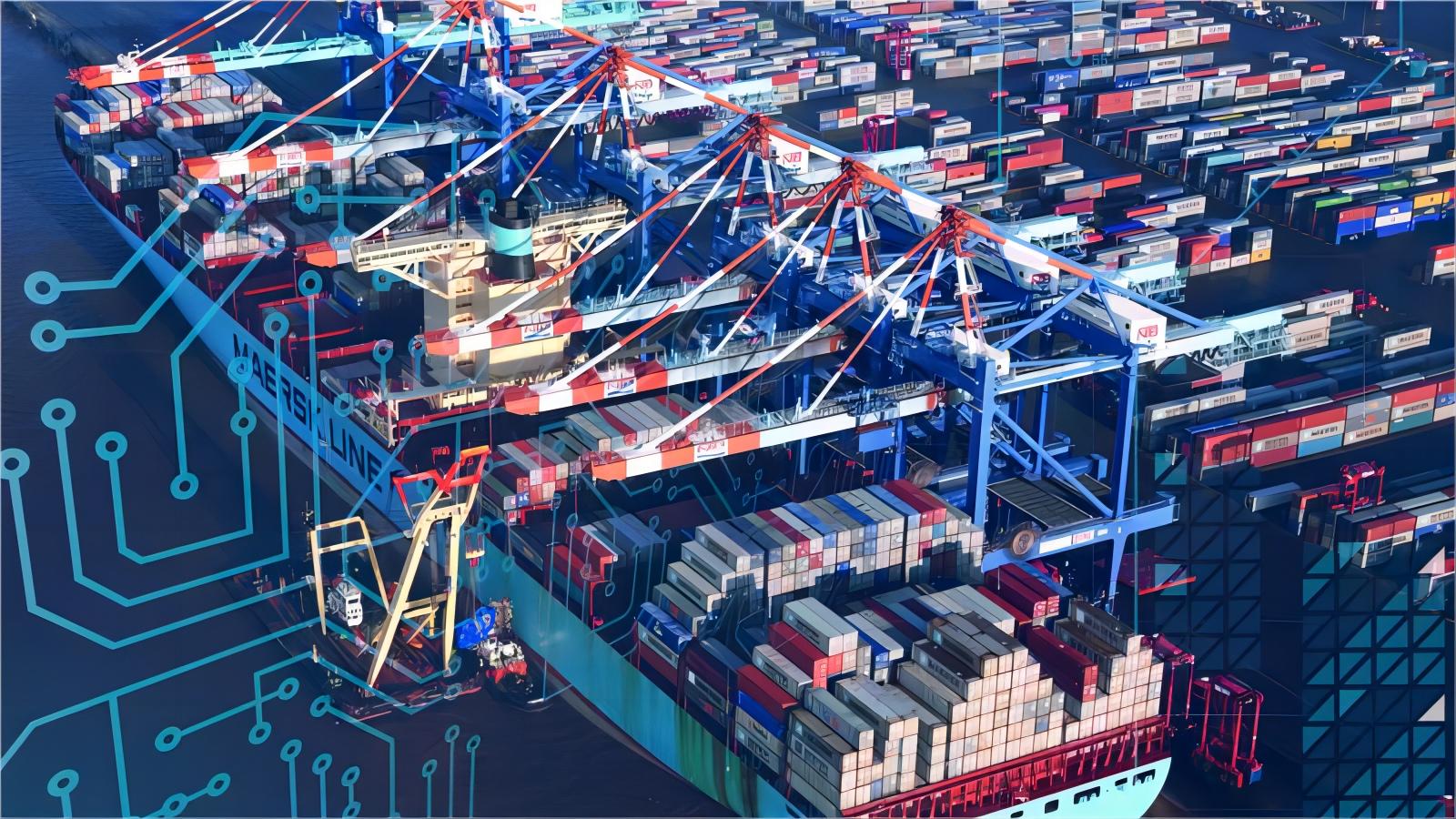
What is China FCL Door to Door to Italy Shipping?
FCL, or Full Container Load, refers to shipping where your goods occupy an entire container, typically 20-foot or 40-foot. This method offers exclusive use of the container, preventing co-mingling with other shippers’ cargo. Consequently, it often leads to faster transit times and reduced risk of damage or loss.
A door-to-door service, moreover, extends this FCL benefit by managing the entire logistics chain. This includes pickup from your supplier in China, ocean freight, customs clearance in both China and Italy, and final delivery to your specified address in Italy. Therefore, it provides a seamless and worry-free solution for your supply chain needs.
Choosing FCL door-to-door means a single point of contact handles all aspects of your shipment. This integrated approach minimizes administrative burdens and potential delays. It ensures a smooth transition of goods from their origin to their final destination.
Why Choose FCL for Your China to Italy Shipments?
Opting for FCL shipping presents several distinct advantages, especially for larger volume imports to Italy. Firstly, it offers enhanced security since your cargo is sealed within its own container. This reduces handling and potential exposure to damage.
Secondly, FCL generally provides quicker transit times compared to Less than Container Load (LCL) shipments. With LCL, containers must be consolidated and deconsolidated, adding extra days to the overall journey. Conversely, FCL containers move directly to their destination port.
Furthermore, FCL can be more cost-effective for larger volumes. Although the upfront cost might seem higher than LCL per container, the per-unit cost for your goods often decreases significantly. This makes it an economical choice for substantial cargo. Ultimately, FCL offers greater control and predictability over your shipping schedule.
Understanding the China to Italy FCL Shipping Process
The FCL door-to-door shipping journey from China to Italy involves several critical stages, each requiring meticulous coordination. Understanding these steps helps in planning and managing expectations. This end-to-end process ensures your cargo moves efficiently across continents and borders.
Firstly, the process begins with cargo pickup from your supplier’s factory in China. The container is then transported to the port of loading. Here, it undergoes origin customs clearance and is loaded onto a vessel destined for Italy. This initial phase sets the groundwork for the entire international transit.
Key Stages of Door-to-Door Delivery
The journey typically encompasses several distinct phases. Initial booking and container arrangement are followed by cargo loading at the origin. Next, the container moves to the port for export customs clearance and vessel loading. The transit time across the sea is the longest segment.
Upon arrival at an Italian port like Genoa or Livorno, the container is discharged. Subsequently, it undergoes import customs clearance, a crucial step for legal entry. Finally, the container is transported by truck or rail to your designated delivery address in Italy, completing the door-to-door cycle. This comprehensive service covers all logistical touchpoints.
Essential Documentation for Customs Clearance
Accurate documentation is paramount for smooth customs clearance in both China and Italy. Any discrepancies can lead to significant delays and additional costs. Therefore, preparing all necessary paperwork meticulously is a non-negotiable requirement for international trade.
Key documents typically include the Commercial Invoice, Packing List, Bill of Lading (B/L), and potentially a Certificate of Origin. Depending on the cargo, additional permits or licenses may be required. Ensuring these documents are correct and complete is vital for avoiding customs complications and ensuring timely delivery.
| Document | Purpose | Issuing Party |
|---|---|---|
| Commercial Invoice | Details of goods, value, and terms of sale | Seller/Exporter |
| Packing List | Contents, weight, dimensions of each package | Seller/Exporter |
| Bill of Lading (B/L) | Contract of carriage, title to goods | Carrier/Forwarder |
| Certificate of Origin | Confirms country of manufacture | Chamber of Commerce |
How Does FCL Compare to Other Shipping Options?
When shipping from China to Italy, several modes of transport are available, each with its own cost, speed, and suitability. While FCL sea freight is a popular choice, understanding its alternatives is crucial for making informed decisions. Factors like cargo volume, urgency, and budget heavily influence the best option.
For instance, air freight offers unparalleled speed but at a significantly higher cost. Rail freight provides a good balance of speed and cost for specific routes, whereas LCL sea freight suits smaller shipments that don’t fill an entire container. Examining these options against your specific needs is essential for optimal logistics planning.
| Shipping Method | Cost Range (40HQ) | Transit Time | Best For |
|---|---|---|---|
| FCL Sea Freight | USD 3,000-4,200 | 28-35 days | Large, non-urgent shipments |
| LCL Sea Freight | USD 80-150/CBM | 35-45 days | Small to medium volume, non-urgent |
| Rail Freight | USD 8,000-12,000 | 18-25 days | Medium to large, time-sensitive |
| Air Freight | USD 12,000-25,000+ | 5-7 days | Urgent, high-value, small volume |
Optimizing Your China FCL Door to Door to Italy Costs and Transit Times
Effectively managing both costs and transit times is paramount for a successful China FCL door to door to Italy operation. Several strategic considerations can help businesses achieve optimal outcomes. Therefore, a proactive approach to logistics planning is highly recommended.
Careful planning and communication with your freight forwarder are key to navigating the complexities of international shipping. Understanding the various factors that influence pricing and delivery schedules allows for better budgeting and inventory management. This ultimately contributes to a more robust supply chain.
Factors Influencing Freight Rates
Numerous elements contribute to the final cost of your FCL shipment. These include the type and size of the container (20GP, 40GP, 40HQ), the specific ports of loading and discharge, and the current market freight rates. Additionally, fuel surcharges, peak season surcharges, and currency exchange rates play a significant role.
Moreover, inland transportation costs in both China and Italy, as well as customs duties and taxes, directly impact the total landed cost. As of Q1 2025, freight rates from China to Europe have stabilized after the 2024 Red Sea disruptions, but remain susceptible to geopolitical events and capacity changes. Always obtain a current quote to ensure accuracy.
Strategies for Cost Reduction
To minimize costs, consider optimizing your container loading to maximize space utilization. Negotiating favorable terms with suppliers for ex-factory pricing can also reduce overall expenses. Booking well in advance often secures better rates, especially outside of peak seasons.
Furthermore, exploring different port options in China and Italy might reveal cost savings due to varying port charges or inland transport efficiencies. For example, using a port like Trieste instead of Genoa for certain Italian destinations could offer a more economical route. Consolidating multiple orders into a single FCL shipment is another effective strategy. Learning about sea freight options can provide further insights.
Real-World China FCL Door to Door to Italy Case Studies
Understanding theoretical concepts is enhanced by reviewing practical examples. These case studies illustrate the typical processes, costs, and timelines involved in real-world FCL shipments from China to Italy. They highlight how various factors influence the overall logistics experience.
These scenarios demonstrate the complexities and successful navigation of international freight. They also provide insight into the value added by a proficient freight forwarder in managing the entire supply chain. Each case reflects typical rates and transit times as of early 2025.
Case Study 1: Furniture Import for Retailer
This case involved a furniture retailer importing household goods for their new store opening. The primary concern was reliable transit time and minimizing potential damage to delicate items. A direct FCL route was chosen for security and speed, ensuring the store opened on schedule.
| Detail | Value |
|---|---|
| Route | Ningbo, China -> Milan, Italy |
| Cargo | Wooden furniture, 58 CBM, 10,000 kg |
| Container | 1 x 40HQ |
| Carrier/Service | Major carrier (e.g., COSCO) |
| Port of Loading | Ningbo |
| Port of Discharge | Genoa |
| Route Type | Direct |
| Ocean Freight | USD 3,950 |
| Origin Charges | USD 450 |
| Destination Charges | USD 600 |
| Customs & Duties (est.) | USD 1,200 |
| Total Landed Cost (est.) | USD 6,200 |
| Booking to Loading | 5 days |
| Sea Transit | 30 days |
| Customs Clearance | 3 days |
| Total Door-to-Door | 38 days |
| Key Insight | Direct route ensured minimal handling and timely delivery, crucial for retail launch. Seamless door to door service proved invaluable. |
Case Study 2: Machinery Components for Manufacturer
A manufacturing company needed to import specialized machinery components from China to maintain production schedules. Their priority was a balance between cost-effectiveness and a reasonable transit time. This led to selecting a standard FCL service with careful customs customs brokerage management.
| Detail | Value |
|---|---|
| Route | Shanghai, China -> Turin, Italy |
| Cargo | Industrial machine parts, 28 CBM, 15,000 kg |
| Container | 1 x 20GP |
| Carrier/Service | Major carrier (e.g., Maersk) |
| Port of Loading | Shanghai |
| Port of Discharge | La Spezia |
| Route Type | Direct |
| Ocean Freight | USD 2,400 |
| Origin Charges | USD 400 |
| Destination Charges | USD 550 |
| Customs & Duties (est.) | USD 950 |
| Total Landed Cost (est.) | USD 4,300 |
| Booking to Loading | 7 days |
| Sea Transit | 32 days |
| Customs Clearance | 4 days |
| Total Door-to-Door | 43 days |
| Key Insight | Proactive customs handling prevented delays, keeping production on schedule. Market rates for Q3 2024 were slightly higher due to seasonal demand. |

Navigating Customs and Regulations for Italy Imports
Importing goods into Italy from China involves adherence to specific customs regulations and procedures. Italy, as an EU member, follows EU customs laws, which can be complex. Proper classification of goods, accurate valuation, and correct documentation are all critical for compliance. Neglecting these aspects can lead to penalties and significant delays.
Working with an experienced freight forwarder who specializes in Europe import regulations is highly advisable. They can guide you through the intricacies of tariffs, VAT, and any specific product-related certifications required. This expertise ensures a smooth and compliant entry for your China FCL door to door to Italy shipments.
Choosing the Right Forwarder for Your China FCL Door to Door Needs
Selecting a competent freight forwarder is perhaps the most critical decision for a successful China FCL door to door to Italy operation. A good forwarder acts as your logistics partner, managing all aspects of the shipment from start to finish. Their expertise can significantly impact transit times, costs, and overall service quality.
Look for a forwarder with extensive experience on the China-Europe route, particularly with FCL and door-to-door services. Verify their network, communication capabilities, and ability to handle customs clearance effectively. A transparent pricing structure and a strong track record of reliability are also essential considerations. For time-sensitive cargo, even exploring rail freight or air freight options with your forwarder might be beneficial for specific urgent components.
Market Insights and Future Trends in China-Italy Logistics
The logistics landscape between China and Italy is constantly evolving, influenced by global economic shifts, technological advancements, and geopolitical factors. Staying informed about these trends can help businesses anticipate changes and adapt their shipping strategies. For example, increasing demand for sustainability is driving innovation in greener shipping methods.
Current market data suggests a continued focus on supply chain resilience and diversification. Automation and digitalization are streamlining processes, from booking to tracking, enhancing efficiency and transparency. Furthermore, the development of new trade routes and infrastructure, such as the Belt and Road Initiative, continues to offer alternative shipping corridors and improved connectivity. Rates typically increase 15-25% during August-October peak season, so planning ahead is crucial.
Conclusion: Master Your China FCL Door to Door to Italy Shipments
Successfully navigating China FCL door to door to Italy shipping requires a clear understanding of the process, meticulous planning, and a reliable logistics partner. By choosing FCL, you benefit from enhanced security, faster transit, and often better cost-efficiency for larger volumes. Crucially, partnering with an experienced freight forwarder simplifies the entire journey, from origin pickup to final delivery.
The market offers various shipping methods, each with unique advantages. Therefore, selecting the right option based on your specific cargo, budget, and urgency is vital. Embracing a comprehensive door-to-door solution mitigates risks and ensures your goods arrive in Italy efficiently and on schedule. Ultimately, this strategic approach to China FCL door to door to Italy logistics empowers your business.
Get Your Shipping Quote Today
Ready to streamline your imports? Get a personalized quote for your China FCL door to door to Italy shipment today. Our experts are standing by to provide tailored solutions and ensure a smooth, efficient delivery process. Visit Top China Forwarder to start your inquiry.
Request Quote