

Fast Customs Clearance from Shenzhen to Belgium: Your Ultimate Guide
Businesses seeking to import goods from China to Europe frequently encounter challenges, particularly with customs procedures. Achieving fast customs clearance from Shenzhen to Belgium is crucial for maintaining efficient supply chains and reducing transit times. This comprehensive guide provides insights into navigating international shipping complexities, ensuring your cargo reaches its destination swiftly and efficiently. Consequently, understanding the process is key to avoiding costly delays and optimizing your logistics.

Understanding the Importance of Fast Customs Clearance
Efficient customs clearance from Shenzhen to Belgium is more than just a formality; it is a cornerstone of modern global trade. Prolonged delays at borders can significantly disrupt supply chains, leading to increased storage costs and missed delivery deadlines. Therefore, proactive management of this critical step is essential for businesses.
Moreover, swift clearance directly impacts your bottom line and customer satisfaction. It ensures that products arrive on time, enabling businesses to meet market demands and maintain a competitive edge. Without a doubt, prioritizing customs brokerage expertise is a wise investment for any importer.
Choosing the Right Shipping Method for Speed and Efficiency
Selecting the optimal shipping method is the first critical step towards achieving fast customs clearance from Shenzhen to Belgium. Each option presents a unique balance of speed, cost, and capacity. Consequently, your choice should align with your specific cargo requirements and delivery urgency.
For instance, air freight offers the fastest transit times, typically 3-7 days, making it ideal for high-value, time-sensitive goods. However, its higher cost per kilogram makes it less suitable for bulk or low-value shipments. Furthermore, air cargo often has stricter dimensional and weight restrictions.
Sea freight, conversely, is the most economical option for larger volumes and heavier cargo. While transit times range from 28-35 days, it provides significant cost savings. Many businesses opt for sea freight to reduce overall shipping costs, especially for non-urgent inventory.
Rail freight presents a compelling middle ground, offering a balance between speed and cost. Typically taking 15-20 days, it is faster than sea freight and more affordable than air freight. This method is gaining popularity for its environmental benefits and reliable delivery schedules.
Finally, express services are designed for urgent, smaller parcels and documents. These door-to-door solutions ensure rapid delivery, often within 2-5 days, but come at a premium price. Therefore, they are best reserved for critical, time-sensitive shipments.
Shipping Method Comparison: Speed, Cost, and Customs Impact
Understanding how each shipping method influences transit times, overall shipping costs, and customs processing is vital. This comparison helps in making an informed decision for your specific import/export needs. Moreover, it highlights the trade-offs involved in balancing speed with budget considerations.
| Shipping Method | Typical Transit Time (Shenzhen to Belgium) | Cost Range (Relative) | Customs Impact | Best For |
|---|---|---|---|---|
| Air Freight | 3-7 days | High | Faster processing due to time-critical nature, but strict documentation required | High-value, urgent, small-to-medium cargo |
| Rail Freight | 15-20 days | Medium | Consistent schedule, organized documentation often leads to smoother clearance | Medium-value, regular shipments, larger volumes than air |
| Sea Freight (FCL/LCL) | 28-35 days | Low | Potential for port congestion delays, requires meticulous documentation for bulk cargo | Large volume, heavy, non-urgent, cost-sensitive goods |
| Express Service | 2-5 days | Very High | Streamlined courier-managed clearance, minimal effort from sender | Small parcels, documents, very urgent items |

Essential Documentation for Seamless Customs Clearance
Accurate and complete documentation is paramount for achieving fast customs clearance from Shenzhen to Belgium. Any discrepancies or missing papers can lead to significant delays, penalties, and even cargo confiscation. Consequently, careful preparation is non-negotiable.
Firstly, a Commercial Invoice detailing the goods, value, and terms of sale is required. This document serves as the basis for customs valuation and duty assessment. Secondly, a Packing List itemizes contents, dimensions, and weights for each package, aiding in inspection and cargo handling.
Furthermore, the Bill of Lading (for sea freight) or Air Waybill (for air freight) acts as the contract of carriage and proof of ownership. These are crucial for releasing the cargo at the destination. Additionally, a Certificate of Origin may be necessary to claim preferential tariffs under trade agreements.
Other vital documents include import licenses, permits for restricted goods, and safety certificates. Ensuring all paperwork aligns perfectly with the physical shipment and regulatory requirements is key. Therefore, working with experienced professionals can mitigate risks significantly.
Strategies for Accelerating Customs Procedures
Implementing effective strategies can significantly reduce customs clearance times and optimize your delivery schedule. Proactive measures are often the most impactful. Without a doubt, preparation is your best defense against delays.
One effective strategy is pre-clearance, where documentation is submitted electronically before the cargo’s arrival. This allows customs officials to review and approve shipments in advance, minimizing physical inspection time. Consequently, goods can be released almost immediately upon arrival.
Moreover, ensuring all documentation is impeccably accurate and complete is fundamental. Double-checking every detail against the physical cargo prevents common errors that trigger manual reviews. A reliable freight forwarder or customs broker can assist with this crucial step, ensuring compliance with Belgian import regulations.
Understanding and adhering to specific Belgian import regulations and tariffs is also vital. Different product categories have varying requirements, duties, and taxes. Staying informed about these specifics helps in avoiding unexpected costs and delays, thereby streamlining the import process.
Finally, utilizing a reputable logistics partner with strong local expertise in both Shenzhen and Belgium can make a substantial difference. They possess the knowledge and connections to navigate complex customs processes efficiently. This partnership ensures smoother door to door delivery and minimizes unforeseen challenges.
How Shipping Options Compare for Shenzhen to Belgium Routes
When planning shipments from Shenzhen to Belgium, evaluating all viable alternatives is critical for optimizing your supply chain. Each shipping method offers distinct advantages and trade-offs concerning cost, transit time, and suitability for various cargo types. As a result, a detailed comparison is essential for informed decision-making.
For instance, while sea freight for a 40HQ container from Shenzhen to Antwerp typically costs $3,000-$4,200 and takes 28-35 days, air freight for a comparable volume could be $15,000-$25,000 but arrives in 5-7 days. This dramatic difference highlights the speed-cost dilemma. Furthermore, for shipments under 15 CBM, LCL (Less than Container Load) sea freight at $50-$80/CBM might be more economical than a full container, despite potentially longer transit times due to consolidation.
Hybrid solutions, such as ‘sea-air’ combinations, offer an interesting alternative. Goods are shipped by sea from Shenzhen to a transit hub like Dubai or Singapore, then transferred to air freight for the final leg to Belgium. This can reduce overall transit time compared to pure sea freight while being more cost-effective than pure air freight. However, it introduces additional handling points, which can sometimes increase complexity.
Considering rail freight is also prudent. From Shenzhen to Belgium, rail offers consistent transit times of 15-20 days, often at a significantly lower cost than air freight. This makes it an attractive option for businesses needing faster delivery than sea freight but without the urgent expense of air cargo. Its environmental footprint is also generally lower, appealing to sustainability-focused companies.
Cost-saving strategies often involve optimizing cargo consolidation and choosing off-peak shipping seasons. Consolidating multiple smaller shipments into a single larger one can reduce per-unit shipping costs. Additionally, avoiding peak seasons (e.g., pre-Chinese New Year, August-October) can lead to lower freight rates and better capacity availability. However, these strategies require careful planning and flexibility in delivery schedules.
| Shipping Method | Cost Range (USD, 40HQ/1000kg equivalent) | Transit Time (Days) | Best For | Limitations |
|---|---|---|---|---|
| Sea Freight (FCL) | $3,000 – $4,200 | 28-35 | Large volumes, heavy goods, cost-sensitive | Slowest, prone to port congestion, longer customs hold |
| Sea Freight (LCL) | $50 – $80/CBM | 30-40 | Smaller volumes (under 15 CBM), cost-sensitive | Slower than FCL due to consolidation, higher risk of damage/loss |
| Rail Freight | $8,000 – $12,000 | 15-20 | Medium urgency, balanced cost/speed, environmentally conscious | Limited capacity, specific departure schedules, not for all cargo types |
| Air Freight | $15,000 – $25,000 | 3-7 | Urgent, high-value, perishable, small-to-medium volume | Most expensive, strict weight/dimension limits, higher carbon footprint |
| Express Service | $25,000 – $40,000 (estimated for 1000kg) | 2-5 | Extremely urgent, very small parcels, documents | Highest cost, minimal volume/weight capacity |

Which Option Should You Choose for Your Shenzhen-Belgium Shipments?
Deciding on the best shipping method requires a clear understanding of your priorities and cargo characteristics. Each business has unique requirements, therefore, a tailored approach is always recommended. This framework helps you assess the most suitable option.
If budget is your primary concern, sea freight, especially LCL for smaller volumes, is almost always the most economical choice. You will, however, need to allow for longer transit times. Consequently, planning well in advance becomes critical.
For speed priority, air freight or express services are unparalleled. These options are ideal for time-critical components, fashion items, or perishable goods. Nevertheless, be prepared for significantly higher shipping costs.
Consider rail freight if you need a reliable balance between cost and speed, and your cargo is not extremely urgent. It offers a faster alternative to sea freight without the premium price of air. This method is particularly suitable for regular, non-perishable shipments.
Cargo type also plays a crucial role. Fragile or high-value items often benefit from the quicker, less-handled transit of air freight. Conversely, bulky raw materials or machinery are best suited for the capacity and cost-efficiency of sea freight. Always match the method to the cargo’s specific needs.
Volume thresholds often dictate the method. For shipments under 2 CBM, express services might be surprisingly competitive. Between 2-15 CBM, LCL sea freight or rail freight are strong contenders. For anything above 15 CBM, a Full Container Load (FCL) via sea or rail usually becomes the most cost-effective solution.
Real-World Success: Case Studies in Shenzhen-Belgium Shipping
Exploring actual shipment scenarios provides tangible insights into optimizing logistics from Shenzhen to Belgium. These case studies highlight diverse challenges and effective solutions. They underscore the importance of strategic planning and expert execution for shipping from China to Europe.
Case Study 1: High-Value Electronics via Air Freight
This case demonstrates how prioritizing speed for high-value goods can optimize market entry. The client needed to quickly launch a new electronics product in the Belgian market. Therefore, air freight was the only viable option to meet tight deadlines.
| Detail | Value |
|---|---|
| Route | Shenzhen, China Brussels, Belgium |
| Cargo | Smartphones & Accessories, 5 CBM, 800 kg |
| Container | Air Cargo Pallet (LCL equivalent) |
| Shipping Details | Carrier/Service: Lufthansa Cargo via Frankfurt. Port of Loading: Shenzhen (SZX). Port of Discharge: Brussels (BRU). Route Type: Direct air freight. |
| Cost Breakdown | Air Freight: $8,500. Origin Charges: $450. Destination Charges: $300. Customs & Duties (estimated): $1,200. Total Landed Cost: $10,450. |
| Timeline | Booking to Loading: 2 days. Air Transit: 2 days. Customs Clearance: 1 day. Total Door-to-Door: 5 days. |
| Key Insight | Rapid market entry achieved through expedited air freight and pre-cleared documentation. Based on Q3 2024 market rates. |
Case Study 2: Bulk Textiles via Sea Freight (FCL)
This example illustrates cost-effective shipping for large volumes of non-urgent goods. A textile importer required a reliable, economical solution for a seasonal clothing collection. Consequently, FCL sea freight proved to be the ideal choice.
| Detail | Value |
|---|---|
| Route | Shenzhen, China Antwerp, Belgium |
| Cargo | Apparel & Fabric Rolls, 65 CBM, 12,000 kg |
| Container | 40HQ |
| Shipping Details | Carrier/Service: COSCO. Port of Loading: Yantian (Shenzhen). Port of Discharge: Antwerp. Route Type: Transshipment via Singapore. |
| Cost Breakdown | Ocean Freight: $3,500. Origin Charges (THC, documentation): $600. Destination Charges: $750. Customs & Duties (estimated): $1,800. Total Landed Cost: $6,650. |
| Timeline | Booking to Loading: 7 days. Sea Transit: 32 days. Customs Clearance: 3 days. Total Door-to-Door: 45 days. |
| Key Insight | Significant cost savings achieved through FCL sea freight, despite longer transit. Careful planning mitigated potential port congestion delays. Typical rates as of early 2025. |
Case Study 3: Industrial Components via Rail Freight
This case demonstrates the value of rail freight for goods requiring moderate speed and cost efficiency. A manufacturer needed to replenish stock of industrial components, balancing urgency with budget constraints. Therefore, rail offered a superior solution.
| Detail | Value |
|---|---|
| Route | Shenzhen, China Liege, Belgium |
| Cargo | Machinery Parts, 20 CBM, 4,500 kg |
| Container | 40GP (LCL equivalent) |
| Shipping Details | Carrier/Service: China-Europe Express Train. Port of Loading: Shenzhen. Port of Discharge: Liege. Route Type: Direct rail service. |
| Cost Breakdown | Rail Freight: $9,500. Origin Charges: $500. Destination Charges: $650. Customs & Duties (estimated): $1,500. Total Landed Cost: $12,150. |
| Timeline | Booking to Loading: 5 days. Rail Transit: 18 days. Customs Clearance: 2 days. Total Door-to-Door: 27 days. |
| Key Insight | Optimal balance of speed and cost for mid-range urgency. Reliable schedule and streamlined customs process due to dedicated rail services. Market data suggests these rates for Q1 2025. |
Navigating Current Market Conditions and Future Trends
The global logistics landscape is constantly evolving, with market conditions significantly impacting shipping from Shenzhen to Belgium. Staying informed about these changes is crucial for effective supply chain management. Consequently, adaptability is key to success.
As of Q1 2025, freight rates from China to Europe have largely stabilized following the 2024 Red Sea disruptions, although some volatility persists. Carriers have adjusted routes, and capacity is gradually returning to pre-disruption levels. However, geopolitical events can introduce new uncertainties.
Seasonal patterns continue to influence freight rates and transit times. Rates typically increase 15-25% during August-October peak season due to holiday shipments. Furthermore, pre-Chinese New Year periods also see a surge in demand and corresponding price hikes. Therefore, planning ahead is always advisable.
Technological advancements are also shaping the future of fast customs clearance from Shenzhen to Belgium. Digital platforms for documentation, AI-powered predictive analytics for transit times, and blockchain for enhanced transparency are becoming more prevalent. These innovations promise even greater efficiency and reduced delays in the coming years. Note: Freight rates are subject to change based on fuel costs, carrier capacity, and seasonal demand. Contact us for a current quote tailored to your specific shipment.
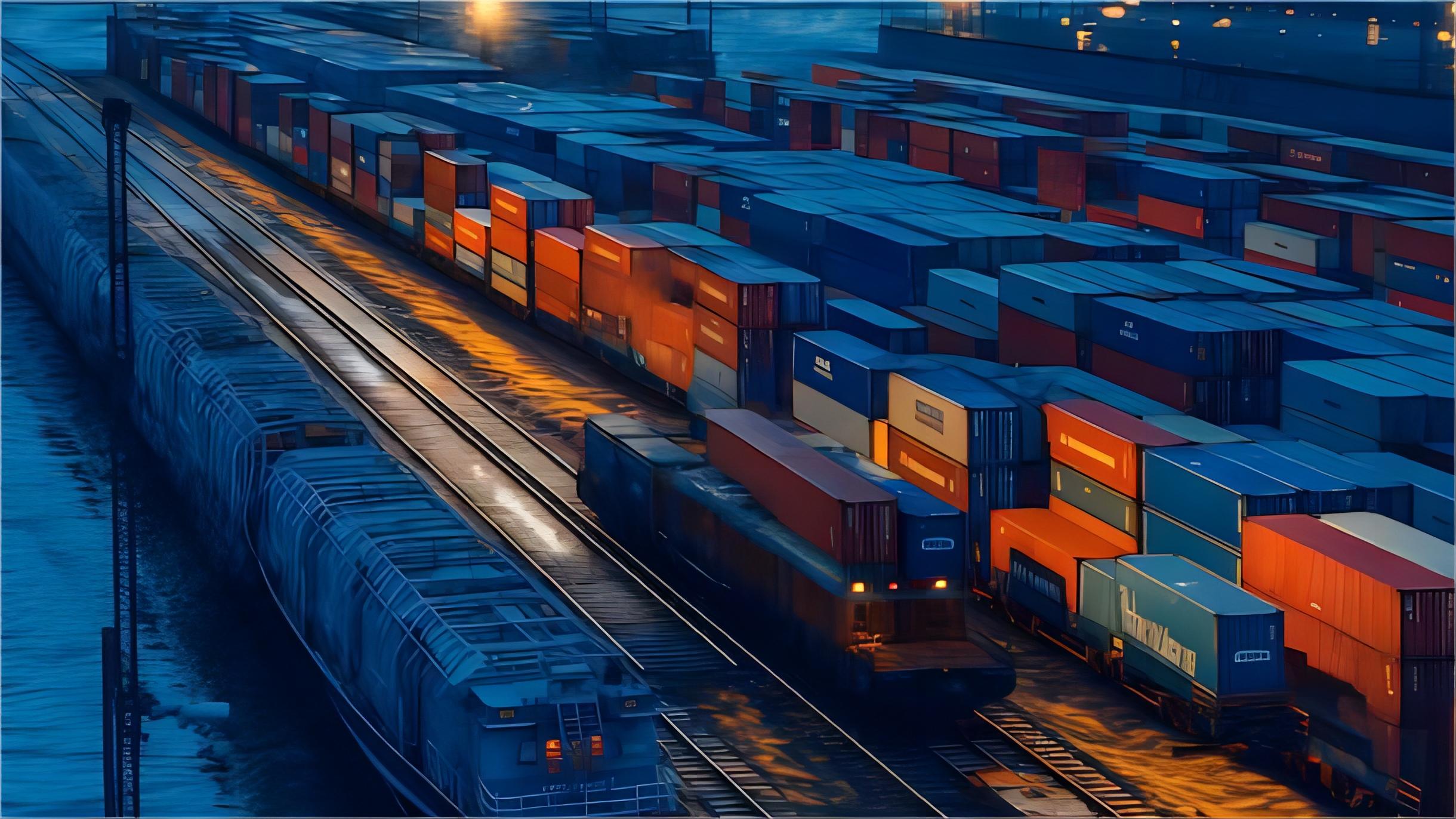
Achieving Seamless and Fast Customs Clearance from Shenzhen to Belgium
In conclusion, ensuring fast customs clearance from Shenzhen to Belgium requires a multifaceted approach, combining strategic shipping method selection, meticulous documentation, and proactive planning. By understanding the intricacies of each option—air, sea, rail, and express—and leveraging expert customs brokerage, businesses can significantly streamline their import processes.
Moreover, staying abreast of market trends and embracing technological advancements will further enhance efficiency and predictability in your supply chain. Ultimately, partnering with a reliable logistics provider is paramount to navigating the complexities of international trade and securing your competitive advantage in the European market.
Ready to streamline your logistics?
Ready to optimize your imports and achieve fast customs clearance from Shenzhen to Belgium? Don’t let customs delays impact your business. Contact Top China Forwarder today for a personalized quote and expert logistics solutions tailored to your unique needs.
Request Quote