

Cheap Sea Freight from Shenzhen to Netherlands: Your Ultimate Guide
Navigating international shipping can often feel complex and costly, particularly when seeking cheap sea freight from Shenzhen to Netherlands. Many businesses struggle to balance speed, reliability, and budget, leading to potential headaches and unexpected expenses. This comprehensive guide will equip you with the knowledge to secure cost-effective and efficient ocean shipping solutions, ensuring your goods arrive safely and on time.
Why Choose Sea Freight from Shenzhen to Netherlands?
For businesses aiming to import goods from China, sea freight consistently offers the most economical solution. This method is particularly advantageous for large volumes or heavy cargo where cost-efficiency is a primary concern. Consequently, it supports sustainable supply chains by reducing per-unit shipping expenses significantly.
Choosing ocean shipping from Shenzhen to the Netherlands provides substantial cost savings compared to other transport modes. Moreover, it accommodates virtually any cargo size or type, from raw materials to finished products. Therefore, it remains the backbone of global trade for many industries seeking affordable ocean shipping Shenzhen to Netherlands.
Understanding Sea Freight Options: FCL vs. LCL
When planning your shipment, understanding the two primary types of sea freight is crucial for optimizing costs. Both Full Container Load (FCL) and Less than Container Load (LCL) offer distinct benefits depending on your cargo volume. Selecting the right option ensures efficiency and helps secure budget-friendly freight forwarding China Netherlands.
| Feature | FCL (Full Container Load) | LCL (Less than Container Load) |
|---|---|---|
| Cargo Volume | Large volumes, entire container | Small volumes, shared container space |
| Cost Efficiency | Lower per-unit cost for large shipments | Cost-effective for smaller shipments |
| Transit Time | Generally faster, direct routing | Potentially slower due to consolidation |
| Flexibility | High, exclusive use of container | Lower, shared space and schedule |
| Handling | Less handling, reduced damage risk | More handling, slightly higher damage risk |
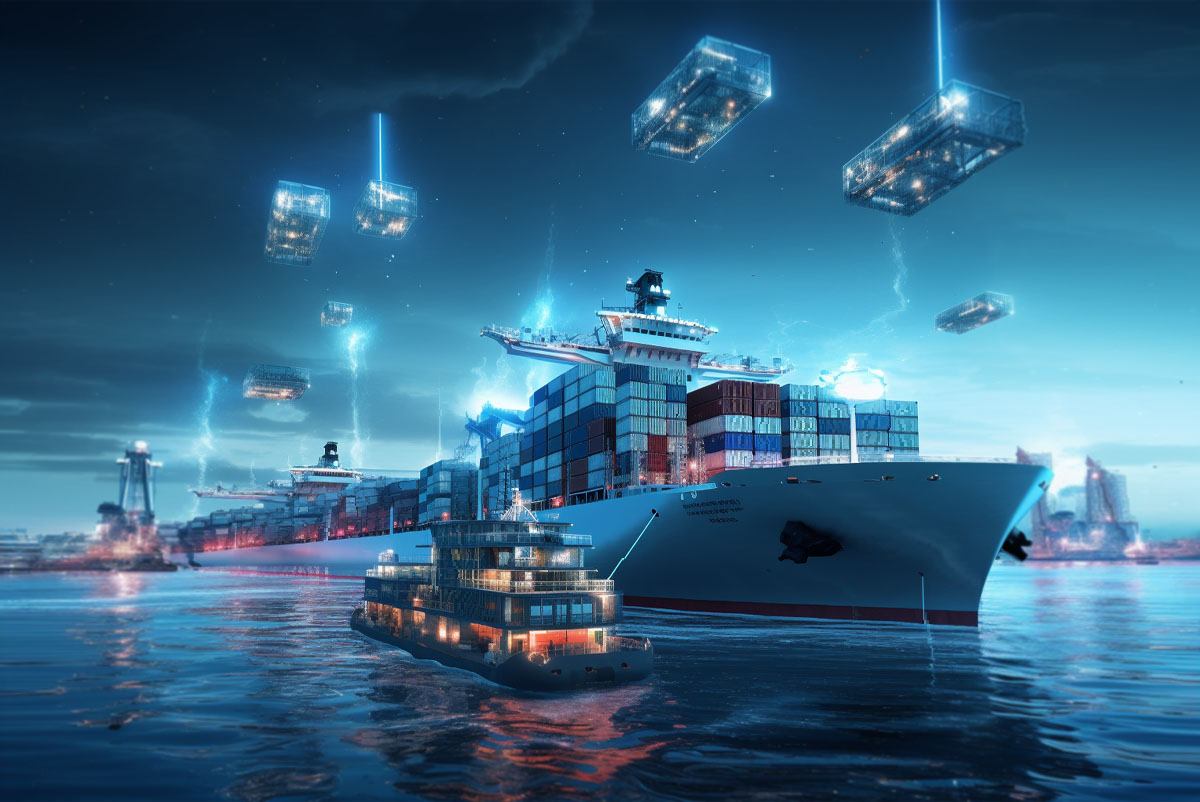
Full Container Load (FCL)
FCL means your goods occupy an entire shipping container, whether it’s completely full or not. This option is typically more cost-effective per cubic meter for larger shipments, especially those exceeding 15-20 CBM. Furthermore, it often results in faster transit times because there’s no need for consolidation or deconsolidation with other cargo, minimizing handling risks.
Less than Container Load (LCL)
LCL involves sharing container space with other shippers’ goods, which is ideal for smaller volumes that don’t fill an entire container. While LCL can be slightly slower due to consolidation processes at both origin and destination ports, it offers significant savings for smaller businesses. Therefore, it’s a popular choice for optimizing shipping costs Shenzhen to Amsterdam when cargo volume is limited.
Key Factors Influencing Sea Freight Costs
Several dynamic factors determine the final cost of shipping to Europe, specifically from Shenzhen to the Netherlands. Understanding these elements empowers you to make informed decisions and find the lowest price FCL LCL Shenzhen Netherlands. These factors include fuel surcharges, seasonal demand, and port congestion.
Firstly, fuel prices directly impact BAF (Bunker Adjustment Factor) surcharges, which can fluctuate frequently. Secondly, peak seasons, such as pre-holiday periods or Chinese New Year, often lead to increased demand and higher rates. Moreover, port congestion at either Shenzhen or Rotterdam can cause delays and additional demurrage charges. Finally, the chosen Incoterms (International Commercial Terms) significantly define who bears the costs and risks at various stages of the journey, impacting your total landed cost and FCL LCL shipping rates Shenzhen to Netherlands.
How Does Sea Freight Compare to Other Shipping Options?
While sea freight is often the go-to for cheap sea freight from Shenzhen to Netherlands, it is essential to consider alternative methods. Each option presents a unique balance of cost, speed, and capacity. Therefore, evaluating your specific needs against these alternatives is crucial for optimal logistics planning.
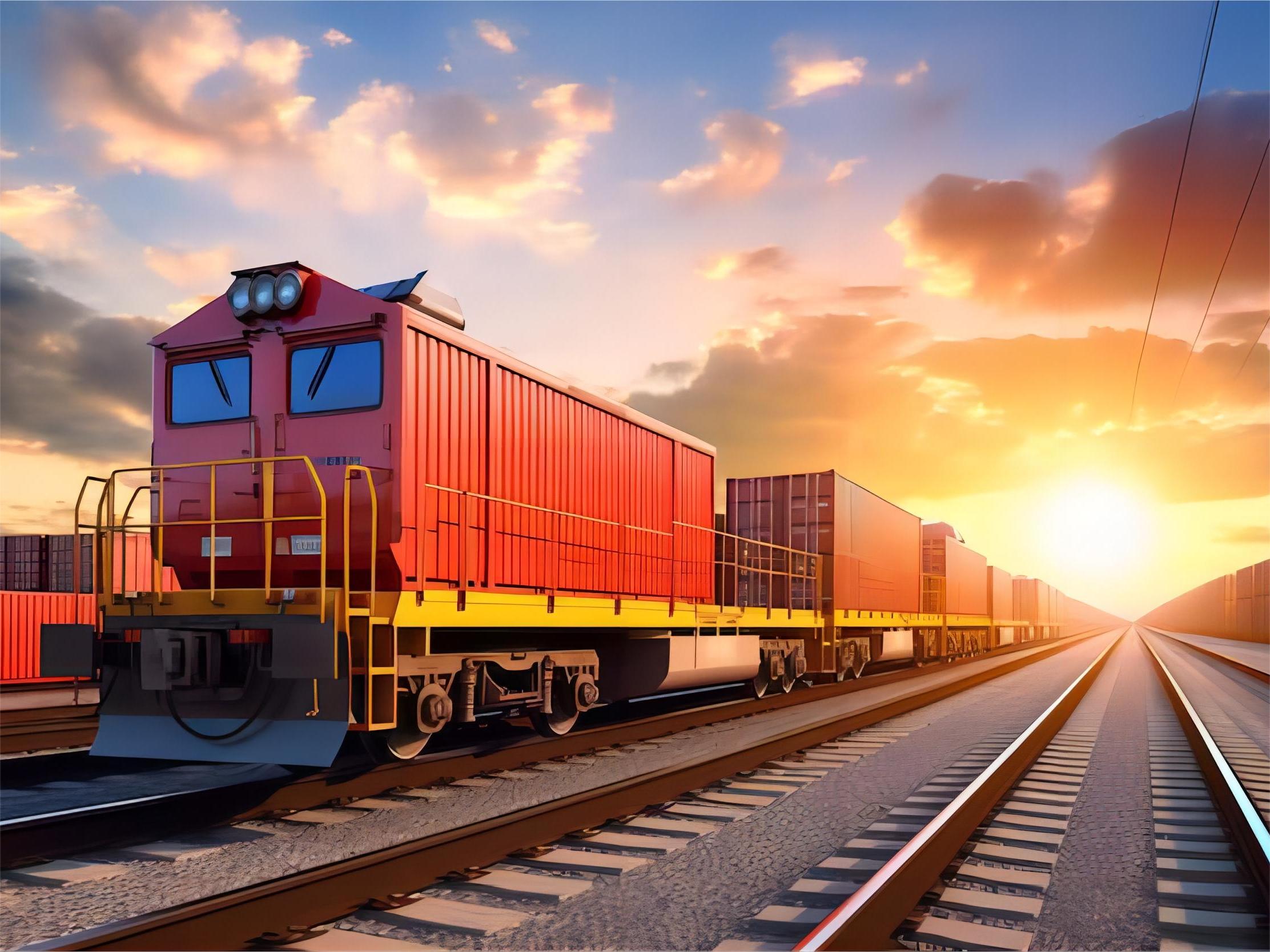
For instance, air freight offers unparalleled speed but at a significantly higher cost. While rail freight provides a middle-ground for other China-Europe routes, it is less common for direct Shenzhen to Netherlands routes without complex transshipments. This comprehensive comparison helps you choose the most suitable shipping solutions China to Europe for your business needs.
| Shipping Method | Cost Range | Transit Time | Best For | Limitations |
|---|---|---|---|---|
| Sea Freight (FCL) | $3,000-$4,200 (40HQ) | 28-35 days | Large volumes, heavy goods, cost-efficiency | Slowest transit time, potential port delays |
| Sea Freight (LCL) | $50-$80/CBM | 35-45 days | Small to medium volumes, budget-conscious | Longer transit, more handling, consolidation delays |
| Air Freight | $5,000-$15,000 (100kg-500kg) | 3-7 days | Urgent, high-value, small shipments | Very high cost, volume/weight restrictions |
| Rail Freight (China-Europe) | $8,000-$12,000 (40HQ) | 18-25 days | Medium urgency, balanced cost/speed (not direct Shenzhen-NL) | Limited routes, capacity constraints, requires inland transfer |
Navigating Customs and Documentation for Netherlands Imports
Successfully importing goods from China to the Netherlands requires meticulous attention to customs procedures and documentation. A single error can lead to costly delays and penalties. Consequently, understanding the requirements is paramount for smooth cargo handling and avoiding disruptions in your supply chain.
Key documents typically include the commercial invoice, packing list, bill of lading, and certificate of origin. Furthermore, specific products may require additional licenses or certifications, like CE marking for certain electronics. Engaging a professional for customs brokerage services can significantly streamline this complex process, ensuring compliance and efficient customs clearance China to Netherlands shipping for your goods.
Real-World Scenarios: Optimizing Your Shenzhen to Netherlands Shipments
Understanding theoretical concepts is one thing; applying them to real-world logistics challenges is another. These case studies illustrate how businesses effectively manage their shipping needs from Shenzhen to the Netherlands. They highlight strategies for achieving reliable sea cargo services Shenzhen to Netherlands while controlling costs, based on current market rates.
Note: Freight rates are subject to change based on fuel costs, carrier capacity, and seasonal demand. Contact us for a current quote tailored to your specific shipment.
Case Study 1: E-commerce Retailer’s Seasonal Stock-Up
This scenario demonstrates how an e-commerce business strategically plans for peak season demand using FCL shipping for their inventory.
| Detail | Value |
|---|---|
| Route | Shenzhen, China -> Rotterdam, Netherlands |
| Cargo | Seasonal apparel, 28 CBM, 4,500 kg |
| Container | 1 x 40GP |
| Shipping Details | Major carrier (e.g., Maersk), Port of Loading: Yantian, Port of Discharge: Rotterdam, Route Type: Direct |
| Cost Breakdown (Based on Q3 2024 market rates) | Ocean Freight: $3,500, Origin Charges: $450, Destination Charges: $600, Customs & Duties (estimated): $1,200, Total Landed Cost: $5,750 |
| Timeline | Booking to Loading: 5 days, Sea Transit: 29 days, Customs Clearance: 3 days, Total Door-to-Door: 37 days |
| Key Insight | Booking FCL well in advance of peak season secured competitive rates and avoided capacity shortages, ensuring timely stock arrival. |
Case Study 2: Small Business Importing Niche Components
This case illustrates how a small importer manages smaller, regular shipments using LCL to maintain inventory without excessive costs.
| Detail | Value |
|---|---|
| Route | Shenzhen, China -> Amsterdam, Netherlands |
| Cargo | Electronic components, 8 CBM, 1,200 kg |
| Container | LCL 8 CBM |
| Shipping Details | Consolidator service, Port of Loading: Shekou, Port of Discharge: Rotterdam, Route Type: Transshipment via Singapore |
| Cost Breakdown (Typical rates as of early 2025) | Ocean Freight: $640 (8 CBM x $80/CBM), Origin Charges: $200, Destination Charges: $350, Customs & Duties (estimated): $400, Total Landed Cost: $1,590 |
| Timeline | Booking to Loading: 7 days, Sea Transit: 38 days, Customs Clearance: 4 days, Total Door-to-Door: 49 days |
| Key Insight | LCL allowed for cost-effective, regular imports, despite slightly longer transit times due to transshipment, supporting consistent supply. |
Case Study 3: Large Manufacturer’s Time-Sensitive Shipment
Here, a manufacturer balances the need for speed with budget constraints by opting for a faster sea route or a hybrid solution during a critical period.
| Detail | Value |
|---|---|
| Route | Shenzhen, China -> Rotterdam, Netherlands |
| Cargo | Industrial machinery parts, 20 CBM, 8,000 kg |
| Container | 1 x 20GP |
| Shipping Details | Major carrier (e.g., COSCO), Port of Loading: Yantian, Port of Discharge: Rotterdam, Route Type: Direct (Premium Service) |
| Cost Breakdown (Based on Q1 2025 market rates, post Red Sea stabilization) | Ocean Freight: $2,800, Origin Charges: $400, Destination Charges: $550, Customs & Duties (estimated): $1,000, Total Landed Cost: $4,750 |
| Timeline | Booking to Loading: 4 days, Sea Transit: 28 days, Customs Clearance: 2 days, Total Door-to-Door: 34 days |
| Key Insight | Investing in a direct, slightly premium sea service reduced transit time by several days, crucial for meeting tight project deadlines. |
Streamlining Your Logistics with Door-to-Door Services
Managing multiple logistics providers for various stages of shipping can be overwhelming and prone to errors. This is where door-to-door services become invaluable. They offer a seamless, integrated solution from the supplier’s factory in Shenzhen to your warehouse in the Netherlands.
Opting for door-to-door sea freight Shenzhen Netherlands simplifies your supply chain significantly. It centralizes accountability, reduces administrative burden, and minimizes potential delays. Consequently, it provides peace of mind and allows you to focus on your core business activities, knowing your cargo is expertly handled every step of the way, including final delivery.
Which Shipping Option Should You Choose? A Decision Framework
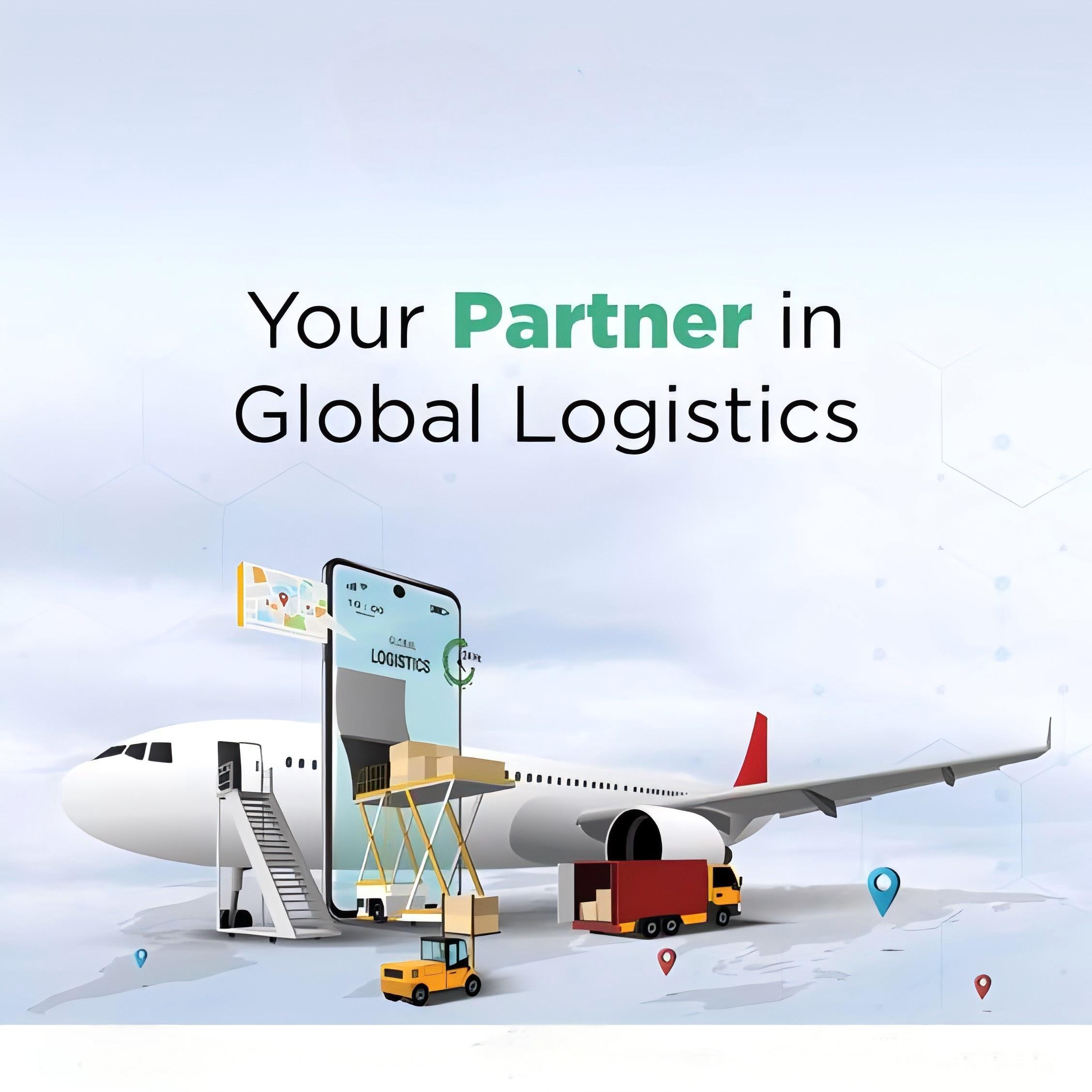
Selecting the right shipping method from Shenzhen to the Netherlands depends heavily on your specific business priorities. There isn’t a one-size-fits-all answer, therefore a structured approach helps. Consider these critical factors to make an informed decision for your import strategy and how to ship goods from Shenzhen to Rotterdam cheaply.
If budget priority is paramount, sea freight, particularly LCL for smaller volumes, is your best option for cost-effective container shipping China to Europe. Conversely, if speed is your top concern for urgent deliveries, air freight is the clear choice, despite its higher cost. For cargo type considerations, sea freight is ideal for heavy, bulky, or non-perishable goods. Finally, volume thresholds for switching methods mean FCL becomes more economical than LCL typically above 15-20 CBM, offering better Shenzhen to Netherlands sea freight rates per unit.
Market Insights and Future Trends in Sea Freight
The global shipping landscape is constantly evolving, influenced by geopolitical events, economic shifts, and environmental regulations. Staying informed about these trends is vital for any business importing from China to Netherlands via sea. For example, recent disruptions like the Red Sea situation significantly impacted transit times and freight rates from China to Europe.
As of Q1 2025, freight rates from China to Europe have largely stabilized after the 2024 Red Sea disruptions, though they remain higher than pre-pandemic levels. Industry average for this route suggests a focus on reliable carriers and diversified routes. Market data suggests that rates typically increase 15-25% during August-October peak season. Moreover, new environmental regulations like the EU Emissions Trading System (ETS) for shipping are set to further influence operational costs and logistics trends, potentially impacting future Shenzhen to Netherlands sea freight rates.
Note: Freight rates are subject to change based on fuel costs, carrier capacity, and seasonal demand. Contact us for a current quote tailored to your specific shipment.
Conclusion
Securing cheap sea freight from Shenzhen to Netherlands involves understanding your options, managing costs, and navigating complex logistics. By carefully evaluating FCL vs. LCL, considering market factors, and leveraging professional services, businesses can achieve significant savings and efficiency. Ultimately, a well-planned shipping strategy is key to successful international trade.
Partnering with an experienced freight forwarder simplifies the entire process. They provide invaluable expertise in customs, documentation, and route optimization. Therefore, choosing the right logistics partner is crucial for ensuring your goods move smoothly and affordably from China to Europe.
Start Your Shipment
Ready to optimize your import process and secure cheap sea freight from Shenzhen to Netherlands? Contact Top China Forwarder today for a personalized quote and expert guidance. Our team is prepared to tailor the perfect logistics solution for your business needs.
Request Quote