

China FCL Customs Clearance to New Jersey: Your Ultimate Guide
Importing full container load (FCL) shipments from China to New Jersey involves a complex but manageable process. Navigating international freight logistics requires precision, especially regarding customs clearance. This comprehensive guide will simplify the journey, ensuring your cargo reaches New Jersey smoothly and efficiently.

What is FCL Shipping and Why Choose it for New Jersey?
Full Container Load (FCL) refers to a shipping method where a single consignee utilizes an entire container. This means your goods are the sole contents of the container, providing exclusive use. Consequently, it minimizes handling and potential damage during transit from China to New Jersey.

Choosing FCL for your imports offers several distinct advantages. For instance, it typically provides faster transit times compared to Less than Container Load (LCL). Moreover, FCL shipping is often more cost-effective for larger volumes, especially when your cargo exceeds 15-20 CBM (cubic meters).
Many businesses import goods that are sensitive, high-value, or simply too large for shared container space. Therefore, FCL ensures greater control over your shipment’s security and schedule. This method is particularly suitable for consistent, high-volume imports destined for the New Jersey market, offering predictable supply chain management.
| Feature | FCL (Full Container Load) | LCL (Less than Container Load) |
|---|---|---|
| Volume | Entire container (e.g., 20GP, 40HQ) | Shared space, typically <15-20 CBM |
| Cost Efficiency | Lower per-unit cost for large volumes | Higher per-unit cost, ideal for small volumes |
| Transit Time | Generally faster and more predictable | Often slower due to consolidation/deconsolidation |
| Cargo Handling | Less handling, reduced damage risk | More handling, higher damage risk |
| Flexibility | Less flexible, fixed container sizes | More flexible, pay for space used |
| Security | Higher security, sealed container | Moderate security, shared container |
Key Steps in China FCL Customs Clearance to New Jersey
Successfully navigating China FCL customs clearance to New Jersey requires careful attention to detail. This multi-stage process ensures compliance with both Chinese export and US import regulations. Understanding each step is crucial for avoiding delays and unexpected costs.
Initially, the process begins with proper preparation of all necessary documentation in China. Subsequently, your freight forwarder arranges the ocean freight booking and container loading. Upon arrival at the Port of New York and New Jersey, US Customs and Border Protection (CBP) takes over for the import clearance.
Ultimately, once customs clearance is granted, your container can be picked up and delivered to its final destination in New Jersey. Each phase demands accurate information and timely submissions. Therefore, a proactive approach is highly recommended.
Essential Documents for FCL Imports
Accurate and complete documentation is the backbone of efficient customs clearance. Missing or incorrect papers can lead to significant delays and penalties. Consequently, thorough preparation is paramount for China FCL customs clearance to New Jersey.
Key documents typically include the Commercial Invoice, Packing List, and Bill of Lading. Furthermore, other essential forms might be required depending on the nature of your goods. These can include certificates of origin, import permits, or specific licenses for regulated products.
| Document | Purpose | Issued By |
|---|---|---|
| Commercial Invoice | Details goods, value, seller/buyer | Seller/Exporter |
| Packing List | Describes contents, weight, dimensions | Seller/Exporter |
| Bill of Lading (BOL) | Contract of carriage, title to goods | Carrier/Freight Forwarder |
| Arrival Notice | Informs consignee of cargo arrival | Carrier/Agent |
| Customs Bond | Guarantees duty/tax payment to CBP | Importer/Broker |
| Importer Security Filing (ISF) | Pre-arrival cargo data for CBP | Importer/Agent |
| Certificate of Origin | Verifies country of manufacture | Chamber of Commerce/Exporter |
Understanding US Customs Entry Procedures
Upon your FCL shipment’s arrival, the formal customs entry process begins. This involves submitting entry documents to CBP and declaring the goods. Moreover, it requires precise classification of your products using Harmonized Tariff Schedule (HTS) codes.
CBP reviews these submissions to assess duties, taxes, and ensure compliance with all US import laws. Furthermore, they may conduct examinations of the cargo. Therefore, engaging a knowledgeable customs broker is invaluable for navigating these intricate procedures smoothly.
How Does FCL Shipping to New Jersey Work?
The journey of your FCL container from China to New Jersey is a well-orchestrated logistical chain. It commences with booking space on a vessel and culminates with delivery to your warehouse. This entire process, primarily relying on sea freight, ensures efficient movement of large volumes.
Initially, your goods are loaded into a container at the origin factory or a consolidation warehouse in China. Subsequently, the container is transported to the port of loading, such as Shanghai or Ningbo. From there, it embarks on its ocean voyage across the Pacific and through the Panama Canal, heading towards the US East Coast.
Upon reaching the Port of New York and New Jersey (Port Newark-Elizabeth Marine Terminal), the container is offloaded. Afterwards, it undergoes the crucial customs clearance process. Once cleared, the container is transferred via drayage to your designated facility. This comprehensive journey highlights the importance of an experienced freight forwarder.
Navigating US Customs Regulations for New Jersey Imports
Adhering to US Customs regulations is paramount for smooth China FCL customs clearance to New Jersey. The US Customs and Border Protection (CBP) enforces a wide array of laws and guidelines. Therefore, understanding these requirements is essential to prevent delays and penalties.
One critical requirement is the Importer Security Filing (ISF), also known as “10+2.” This must be filed at least 24 hours before the vessel departs from China. Furthermore, accurate HTS (Harmonized Tariff Schedule) codes are necessary for proper duty assessment and classification.
Many importers opt to use a licensed customs brokerage service. These professionals ensure all documentation is correct and submitted on time. Consequently, they can significantly streamline the clearance process, minimizing potential pitfalls and ensuring compliance.
How Does FCL Compare to Other Shipping Options to New Jersey?
When importing from China to New Jersey, businesses often consider various shipping methods. While FCL sea freight is a popular choice, other options exist. Understanding the trade-offs between speed, cost, and cargo type is crucial for making informed decisions.
For instance, air freight offers significantly faster transit times. However, it comes at a substantially higher cost. Air cargo is best suited for urgent, high-value, or perishable goods where speed is the primary concern. Conversely, FCL sea freight provides a cost-effective solution for bulkier, less time-sensitive shipments.
Moreover, specialized services like express service cater to very small, urgent parcels. These typically use air cargo networks but offer door-to-door delivery with faster customs processing. Ultimately, the best shipping method depends on your specific business needs and cargo characteristics.
| Shipping Method | Cost Range (40HQ equivalent) | Transit Time (China to NJ) | Best For | Limitations |
|---|---|---|---|---|
| FCL Sea Freight | $4,500-$6,000 | 30-35 days | Large volume, non-urgent, cost-sensitive | Slowest transit |
| LCL Sea Freight | $80-$120/CBM (excl. charges) | 35-45 days | Small volume, non-urgent | More handling, slower, higher per-unit cost |
| Air Freight | $15,000-$25,000 | 5-7 days | Urgent, high-value, perishable, small volume | Very high cost, volume/weight restrictions |
| Express Service | Variable (per kg/lb) | 3-5 days | Very small parcels, urgent documents | Highest per-unit cost, strict weight/size limits |
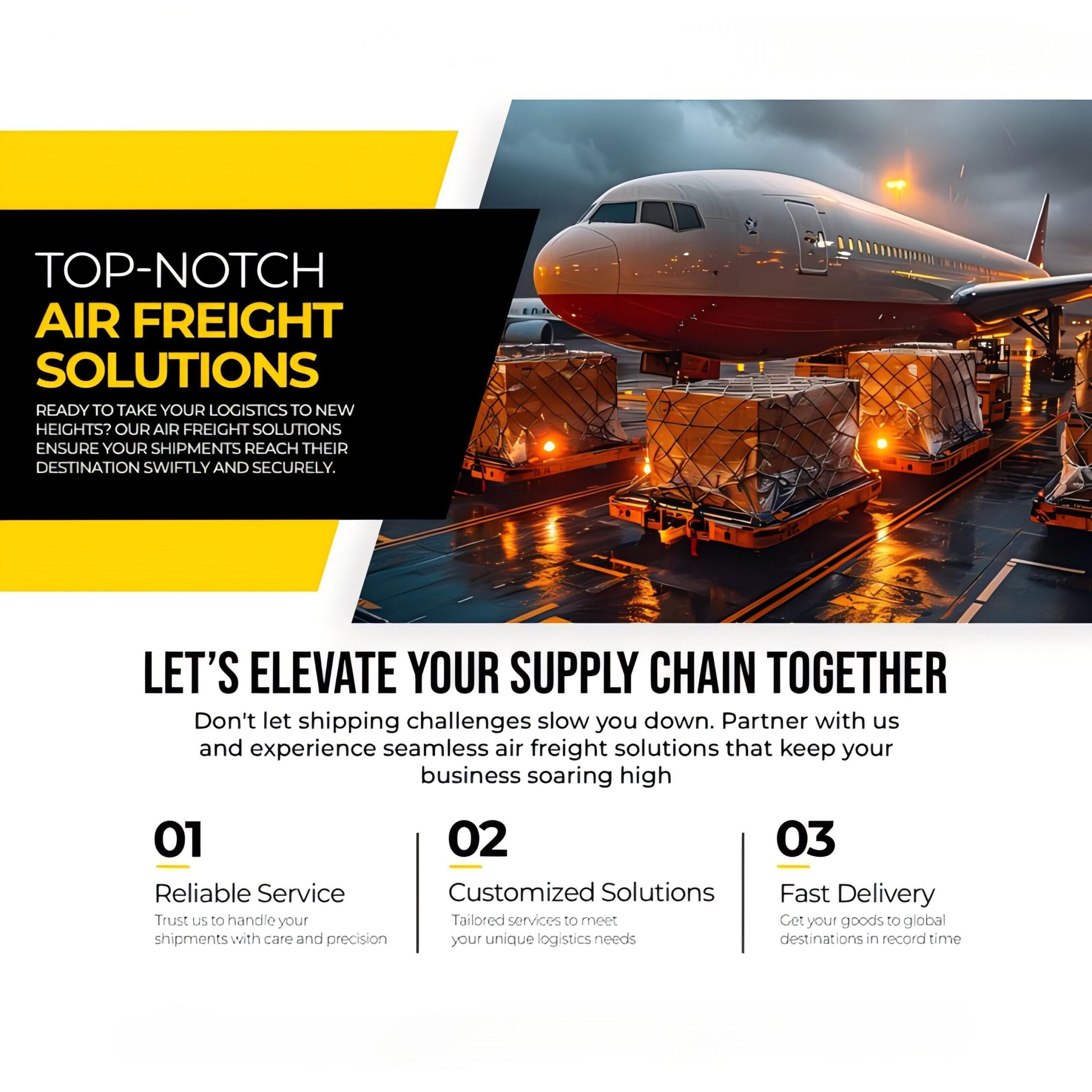
Optimizing Your China FCL Supply Chain to New Jersey
An optimized supply chain is vital for successful China FCL customs clearance to New Jersey. This involves strategic planning and selecting the right partners. Consequently, streamlining your logistics can lead to significant cost savings and improved efficiency.
Firstly, choosing a reputable freight forwarder with extensive experience in the China-US East Coast lane is crucial. Such a partner can provide end-to-end solutions, including origin services, ocean transport, and destination services. Furthermore, they can offer valuable insights into market conditions and potential challenges.
Many companies benefit from a door-to-door service. This comprehensive approach handles everything from factory pickup in China to final delivery in New Jersey. It simplifies the process considerably, allowing you to focus on your core business. Moreover, consolidating shipments or pre-clearing cargo can also contribute to a smoother process.
Cost-Saving Strategies and Trade-offs
Reducing shipping costs often involves balancing speed and convenience. For example, opting for slower transit times during non-peak seasons can yield lower freight rates. Conversely, expedited shipping always incurs a premium.
Consider optimizing container utilization to maximize efficiency. Moreover, negotiating favorable terms with your suppliers and freight forwarders can also reduce expenses. However, always ensure that cost-saving measures do not compromise cargo safety or compliance.
Hybrid Solutions for Enhanced Flexibility
Sometimes, a hybrid approach can offer the best of both worlds. For instance, combining sea freight for the main bulk with air freight for urgent components can balance cost and speed. This strategy is particularly useful for complex projects or just-in-time inventory models.
While direct rail freight from China to New Jersey isn’t viable, combining sea freight with rail or truck for inland distribution from the port can be efficient. This multi-modal approach enhances flexibility. Ultimately, it allows businesses to adapt to varying demands and market conditions.
Real-World Scenarios: China FCL to New Jersey Case Studies
Examining real-world examples helps illustrate the complexities and successes of China FCL customs clearance to New Jersey. These case studies highlight practical considerations and effective strategies. They demonstrate how different factors influence cost and transit times for various cargo types.
Case Study 1: Consumer Electronics Import
| Detail | Value |
|---|---|
| Route | Shenzhen, China -> Newark, New Jersey |
| Cargo | Consumer electronics (small appliances), 25 tons, 60 CBM |
| Container | 1 x 40HQ |
| Shipping Details | Carrier: COSCO; Port of Loading: Shenzhen; Port of Discharge: Port of NY/NJ; Route Type: Direct |
| Cost Breakdown | Ocean Freight: $5,200; Origin Charges: $650; Destination Charges: $550; Customs & Duties (estimated): $450; Total Landed Cost: $6,850 (Based on Q1 2025 market rates) |
| Timeline | Booking to Loading: 5 days; Sea Transit: 30 days; Customs Clearance: 3 days; Total Door-to-Door: 38 days |
| Key Insight | Smooth process achieved due to accurate ISF filing and proactive customs brokerage. The direct route minimized transshipment risks and delays. |

Case Study 2: Apparel and Textiles Shipment
| Detail | Value |
|---|---|
| Route | Ningbo, China -> Elizabeth, New Jersey |
| Cargo | Apparel and textiles, 20 tons, 55 CBM |
| Container | 1 x 40GP |
| Shipping Details | Carrier: MSC; Port of Loading: Ningbo; Port of Discharge: Port of NY/NJ; Route Type: Direct |
| Cost Breakdown | Ocean Freight: $4,600; Origin Charges: $580; Destination Charges: $520; Customs & Duties (estimated): $380; Total Landed Cost: $6,080 (Typical rates as of early 2025) |
| Timeline | Booking to Loading: 7 days; Sea Transit: 32 days; Customs Clearance: 4 days; Total Door-to-Door: 43 days |
| Key Insight | Experienced minor delay due to a routine CBP examination. However, pre-filed documentation and a strong customs bond expedited the release process. |
Case Study 3: Industrial Components for Manufacturing
| Detail | Value |
|---|---|
| Route | Qingdao, China -> Jersey City, New Jersey |
| Cargo | Industrial components (machinery parts), 28 tons, 45 CBM |
| Container | 1 x 20GP |
| Shipping Details | Carrier: OOCL; Port of Loading: Qingdao; Port of Discharge: Port of NY/NJ; Route Type: Transshipment via Busan |
| Cost Breakdown | Ocean Freight: $3,800; Origin Charges: $450; Destination Charges: $480; Customs & Duties (estimated): $320; Total Landed Cost: $5,050 (Industry average for this route) |
| Timeline | Booking to Loading: 6 days; Sea Transit: 38 days; Customs Clearance: 3 days; Total Door-to-Door: 47 days |
| Key Insight | Selected a transshipment route for cost savings, which added about 5-7 days to transit. Despite this, careful planning and continuous tracking ensured timely arrival for production schedule. |
Which Option Should You Choose for Your New Jersey Imports?
Selecting the optimal shipping strategy for your China FCL customs clearance to New Jersey depends on several factors. Consider your budget, urgency, cargo type, and volume thresholds. Each element plays a significant role in determining the most suitable approach.
If budget is your primary concern, FCL sea freight remains the most cost-effective solution for large volumes. Conversely, if speed is paramount, even for larger shipments, air freight is the only viable option. However, prepare for significantly higher costs.
For cargo types that are fragile or high-value, FCL provides a secure, dedicated space. Additionally, if your shipment volume consistently fills a container, FCL offers the best value. Always weigh these considerations against potential delays and market fluctuations.
Market Insights and Pricing Trends for China-NJ FCL
Understanding current market conditions is crucial for budgeting and planning your China FCL customs clearance to New Jersey. Freight rates are dynamic, influenced by global events, fuel costs, and carrier capacity. As of Q2 2024, rates from China to the US East Coast have seen some stabilization.
However, seasonal patterns continue to impact pricing. For example, rates typically increase by 15-25% during the August-October peak season leading up to holidays. Moreover, unexpected events like port congestion or geopolitical tensions can cause sudden spikes.
Therefore, staying informed about logistics trends is essential. Market data suggests that booking well in advance can help secure better rates. Furthermore, maintaining flexibility in your delivery schedule whenever possible can also mitigate higher costs during peak demand periods.
Note: Freight rates are subject to change based on fuel costs, carrier capacity, and seasonal demand. Contact us for a current quote tailored to your specific shipment.
Conclusion
Successfully managing China FCL customs clearance to New Jersey demands a clear understanding of the process. From documentation to selecting the right shipping method, each step is critical. Moreover, partnering with an experienced freight forwarder can significantly simplify these complexities.
By focusing on meticulous planning, adherence to regulations, and strategic decision-making, businesses can achieve smooth and cost-effective imports. Ultimately, mastering your supply chain ensures your goods arrive in New Jersey on time and within budget. This allows you to maintain a competitive edge in the market.
Start Your Shipment
Ready to streamline your China FCL customs clearance to New Jersey? Contact us today for a personalized consultation and a competitive quote. Our experts are dedicated to ensuring your imports are handled efficiently and effectively.
Request Quote