

Optimizing Your China FCL Supply Chain to Germany
“Navigating the complexities of international shipping from China to Germany can be challenging for businesses. Moreover, securing an efficient China FCL supply chain solution to Germany is crucial for maintaining competitive advantage. This comprehensive guide will explore key strategies and insights to streamline your full container load logistics, ensuring timely and cost-effective delivery. Learn more about our services at Top China Forwarder.”
What is FCL Shipping and Why Choose it for Germany?
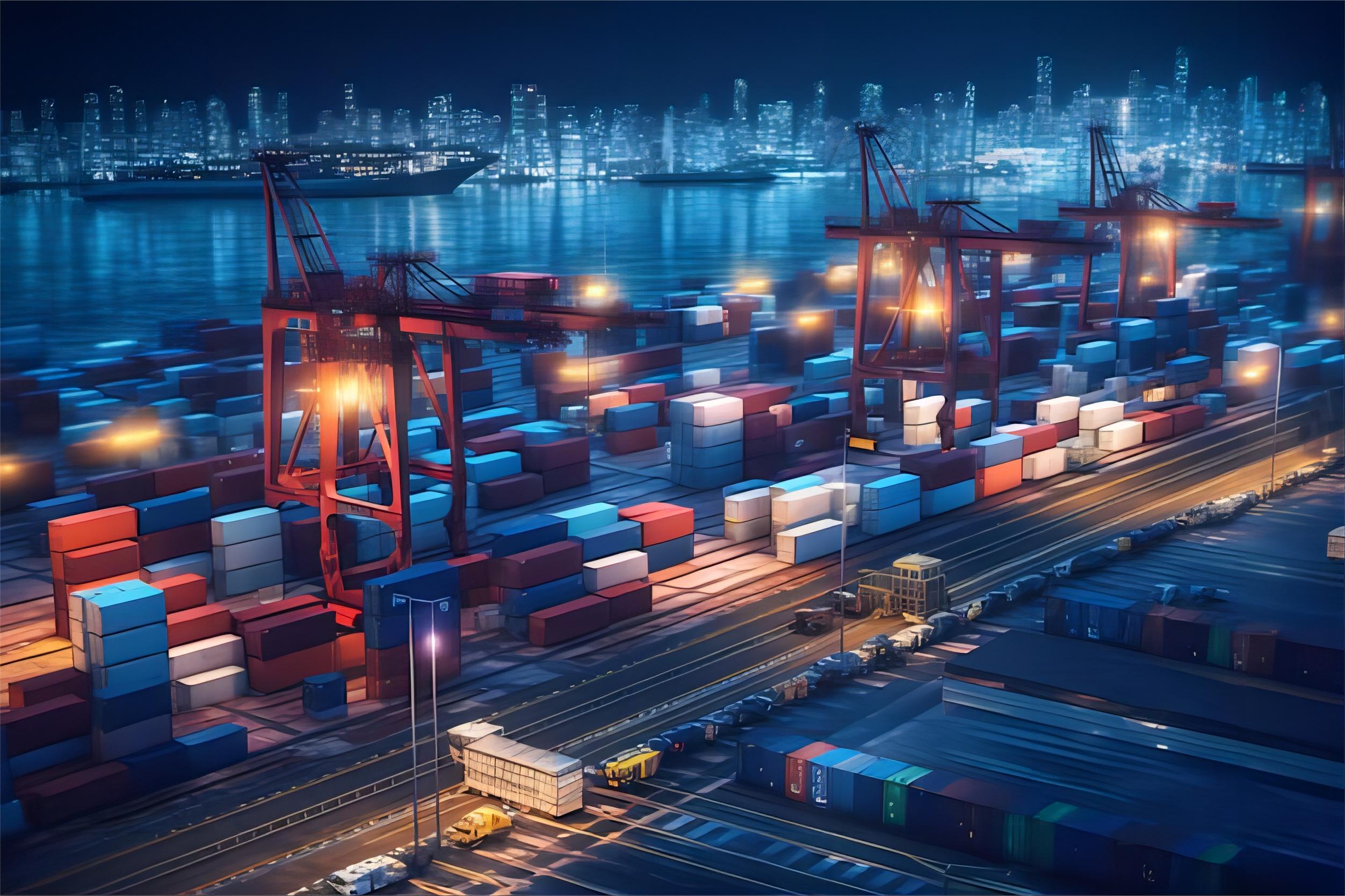
❖Full Container Load (FCL) shipping involves reserving an entire shipping container for your cargo. This method is ideal when your shipment volume is large enough to fill a 20-foot or 40-foot container. Consequently, it offers distinct advantages for businesses importing goods from China to Germany.
Choosing FCL for your China to Germany route provides greater security and efficiency. Your goods remain sealed within the container from origin to destination, minimizing handling and potential damage. Furthermore, FCL often results in faster transit times compared to Less than Container Load (LCL) shipments, as there are no consolidation or deconsolidation delays at intermediate ports.
How Do Shipping Methods Compare for China to Germany FCL?
❖When planning your China FCL supply chain solution to Germany, selecting the right shipping method is paramount. Each option, namely sea freight, rail freight, and air freight, offers a unique balance of cost, speed, and capacity. Therefore, understanding these differences is key to optimizing your logistics strategy.
Consider the specific needs of your cargo, budget constraints, and required delivery schedule. For instance, high-value or time-sensitive goods might warrant air freight, despite its higher cost. Conversely, standard commodities often benefit from the cost-effectiveness of sea or rail transport.
| Shipping Method | Cost Range (40HQ) | Transit Time | Key Characteristics |
|---|---|---|---|
| Ocean Freight (FCL) | $3,000-4,200 | 28-35 days | Most cost-effective, large volumes, slowest |
| Rail Freight (FCL) | $7,000-10,000 | 16-22 days | Faster than sea, secure, mid-volume |
| Air Freight (Cargo) | $15,000-25,000+ | 3-7 days | Fastest, highest cost, urgent/high-value goods |
Optimizing Sea Freight for Your China to Germany FCL Shipments
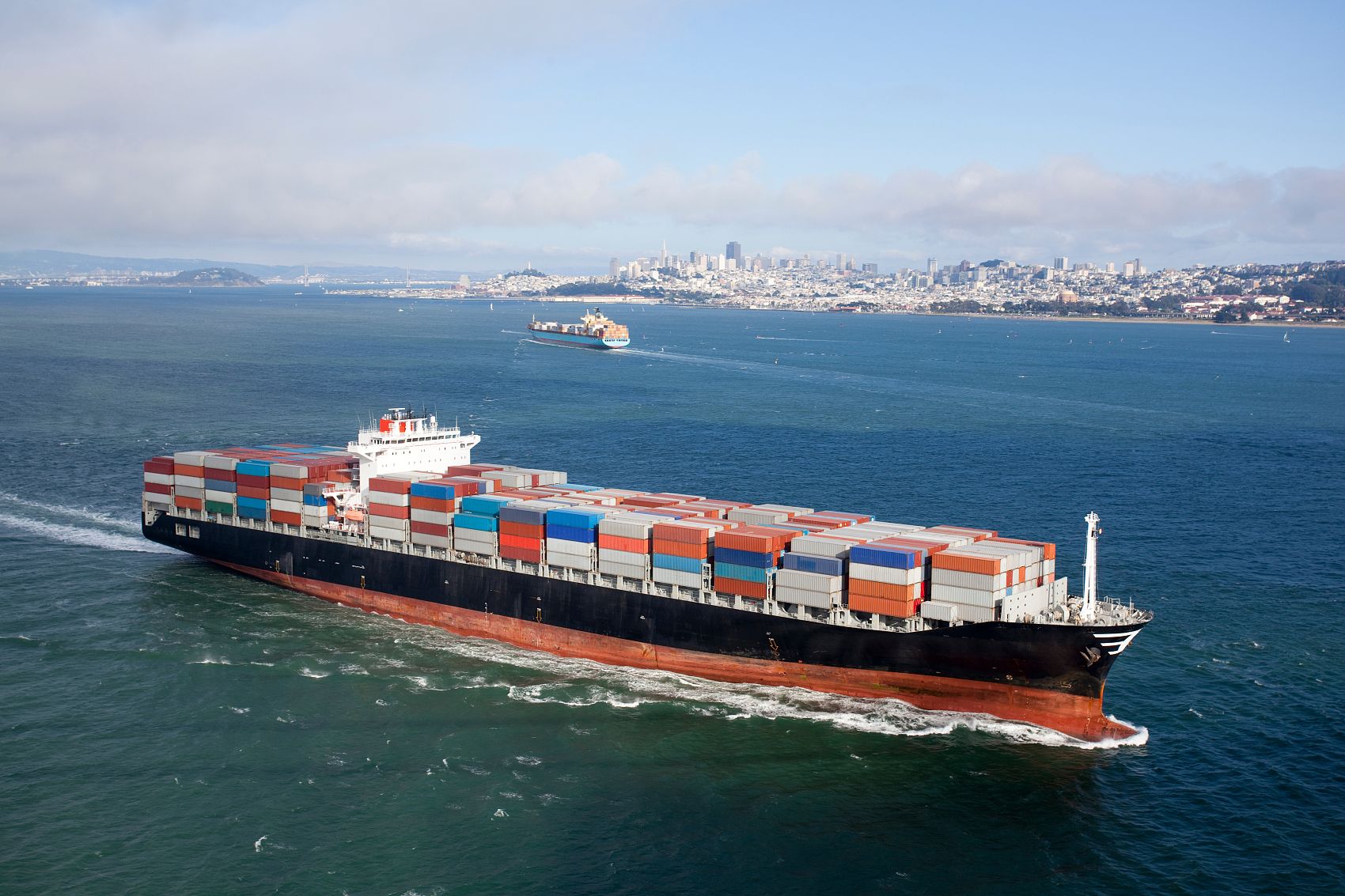
❖Sea freight remains the most popular and cost-effective choice for a China FCL supply chain solution to Germany. Major Chinese ports like Shanghai, Ningbo, and Shenzhen connect directly to key German ports such as Hamburg and Bremerhaven. Consequently, selecting an optimal port combination can significantly impact transit times and overall efficiency.
Furthermore, reliable sea freight services are essential for smooth operations. Factors like carrier reputation, vessel schedules, and direct routes influence the success of your shipment. Therefore, partnering with an experienced freight forwarder is crucial for navigating these complexities effectively.
Key Ports and Routes
Leading Chinese ports for FCL exports include Shanghai, Ningbo, Shenzhen, Guangzhou, and Qingdao. These ports offer extensive connections to Europe. In Germany, Hamburg and Bremerhaven are primary destination ports, serving as major distribution hubs for the European continent. Direct services often offer the best transit times.
Choosing a direct service versus a transshipment route can impact both speed and cost. While direct routes might be slightly more expensive, they typically shave off 5-7 days from the total transit time. Therefore, evaluate whether the time savings justify the additional expense for your specific cargo.
Current Market Conditions and Rates
As of Q1 2025, freight rates from China to Europe have largely stabilized after the Red Sea disruptions experienced in 2024. However, rates remain sensitive to geopolitical events, fuel surcharges, and seasonal demand. Consequently, staying informed about market trends is vital for budgeting.
Rates typically increase by 15-25% during the peak season from August to October, ahead of major Western holidays. Moreover, booking in advance during these periods can help secure better rates and container space. Always request a current quote tailored to your specific needs.
Note: Freight rates are subject to change based on fuel costs, carrier capacity, and seasonal demand. Contact us for a current quote tailored to your specific shipment.
Rail Freight: A Faster Alternative for China to Germany FCL
❖Rail freight, often referred to as the ‘New Silk Road,’ provides a compelling alternative to sea and air for your China FCL supply chain solution to Germany. It offers a balance between speed and cost, being significantly faster than ocean freight and more economical than air freight. This makes rail freight an attractive option for many businesses.
Transit times for rail FCL from major Chinese cities like Chongqing, Chengdu, and Xi’an to German hubs such as Duisburg and Hamburg typically range from 16 to 22 days. This expedited service is particularly beneficial for goods that are not extremely time-sensitive but still require quicker delivery than sea transport can offer. Therefore, consider rail for an optimized delivery schedule.
Navigating Customs and Documentation for German Imports
❖Successful FCL shipping from China to Germany heavily relies on efficient customs clearance. Furthermore, accurate and complete documentation is crucial to avoid delays and penalties. Understanding German import regulations and tariff codes is a fundamental aspect of your supply chain strategy.
Working with experienced professionals for customs brokerage ensures compliance. They can guide you through the complexities of VAT, duties, and specific product regulations. Consequently, this minimizes risks and streamlines the entry process for your goods into the EU.
Essential Documents for FCL Shipments
A range of documents is required for FCL imports into Germany. These include the commercial invoice, packing list, bill of lading (for sea freight) or waybill (for rail/air freight), and a certificate of origin. Additionally, certain goods may require specific licenses, permits, or certificates (e.g., CE marking, phytosanitary certificates).
Ensuring all documents are accurate and consistent across the entire shipment is vital. Discrepancies can lead to significant delays and additional costs at customs. Therefore, meticulous preparation and verification are non-negotiable for a smooth import process.
| Document Type | Purpose | Key Information |
|---|---|---|
| Commercial Invoice | Details of goods, value, seller/buyer | HS code, Incoterms, currency |
| Packing List | Contents of each package/container | Weight, dimensions, quantity |
| Bill of Lading / Waybill | Contract of carriage, title to goods | Shipper, consignee, notify party, vessel/train details |
| Certificate of Origin | Proof of country of manufacture | Used for preferential tariffs |
| Customs Declaration | Formal declaration to authorities | Detailed goods description, value, duties/taxes |
German Import Regulations and Tariffs
Germany, as part of the European Union, adheres to EU import regulations. This includes the Common Customs Tariff (CCT) and various trade agreements. Therefore, understanding the applicable duties and taxes is essential for accurate landed cost calculations. Certain products may also be subject to anti-dumping duties.
Compliance with product safety standards (e.g., CE marking for electronics, REACH for chemicals) is mandatory. Failure to comply can result in goods being held or rejected. Consequently, thorough research into specific product requirements before shipping is strongly advised to prevent costly issues.
Case Studies: Successful China FCL Supply Chain to Germany
❖Examining real-world examples can provide valuable insights into effective FCL logistics. These case studies highlight how businesses have successfully navigated the challenges of shipping from China to Germany. They showcase various strategies for optimizing costs and transit times for diverse cargo types.
Case Study 1: E-commerce Furniture Importer
| Detail | Description |
|---|---|
| Route | Shanghai, China -> Hamburg, Germany |
| Cargo | Flat-pack furniture, 65 CBM, 9,500 kg |
| Container | 1 x 40HQ |
| Shipping Details | |
| – Carrier/Service | COSCO (Direct Service) |
| – Port of Loading | Shanghai |
| – Port of Discharge | Hamburg |
| – Route Type | Direct |
| Cost Breakdown (Based on Q4 2024 rates) | |
| – Ocean Freight | $3,850 |
| – Origin Charges (THC, documentation) | $450 |
| – Destination Charges | $600 |
| – Customs & Duties (estimated) | $1,200 |
| – Total Landed Cost | $6,100 |
| Timeline | |
| – Booking to Loading | 5 days |
| – Sea Transit | 30 days |
| – Customs Clearance | 3 days |
| – Total Door-to-Door | 38 days |
| Key Insight | Early booking during peak season secured competitive rates and direct service, minimizing transit time for faster market entry. |
Case Study 2: Industrial Machinery Manufacturer
| Detail | Description |
|---|---|
| Route | Chongqing, China -> Duisburg, Germany |
| Cargo | Specialized manufacturing equipment, 30 CBM, 15,000 kg |
| Container | 1 x 20GP |
| Shipping Details | |
| – Carrier/Service | China-Europe Railway Express |
| – Port of Loading | Chongqing |
| – Port of Discharge | Duisburg (Rail Terminal) |
| – Route Type | Direct Rail |
| Cost Breakdown (Based on early 2025 rates) | |
| – Rail Freight | $7,800 |
| – Origin Charges (Terminal, documentation) | $350 |
| – Destination Charges | $400 |
| – Customs & Duties (estimated) | $950 |
| – Total Landed Cost | $9,500 |
| Timeline | |
| – Booking to Loading | 7 days |
| – Rail Transit | 18 days |
| – Customs Clearance | 2 days |
| – Total Door-to-Door | 29 days |
| Key Insight | Rail freight provided a critical speed advantage for heavy, time-sensitive machinery, reducing lead time significantly compared to sea freight while remaining cost-effective. |
Case Study 3: Automotive Parts Supplier
| Detail | Description |
|---|---|
| Route | Tianjin, China -> Munich, Germany |
| Cargo | Automotive components (JIT delivery), 15 CBM, 2,500 kg |
| Container | LCL (for urgent parts) |
| Shipping Details | |
| – Carrier/Service | Major Air Cargo Carrier |
| – Port of Loading | Tianjin (TSN) |
| – Port of Discharge | Munich (MUC) |
| – Route Type | Air Freight |
| Cost Breakdown (Based on Q1 2025 rates) | |
| – Air Freight | $12,500 |
| – Origin Charges (Terminal, documentation) | $250 |
| – Destination Charges | $300 |
| – Customs & Duties (estimated) | $700 |
| – Total Landed Cost | $13,750 |
| Timeline | |
| – Booking to Loading | 2 days |
| – Air Transit | 4 days |
| – Customs Clearance | 1 day |
| – Total Door-to-Door | 8 days |
| Key Insight | Utilizing air freight for critical, smaller volume automotive parts ensured Just-In-Time (JIT) delivery, preventing production line stoppages despite the higher per-unit cost. |
Which FCL Shipping Option Should You Choose?
❖Deciding on the best FCL shipping option for your China to Germany route involves a careful evaluation of several factors. Ultimately, the optimal choice aligns with your business priorities. Consider your budget, the urgency of your shipment, and the nature of your cargo. This decision framework helps clarify the most suitable approach.
Sometimes, a hybrid approach might offer the best solution, combining different transport modes for different stages or types of goods. For example, using door-to-door services can simplify coordination across multiple modes. Therefore, a flexible strategy can yield significant benefits.
Decision Framework for Your FCL Shipments
When budget is your primary concern, ocean freight is almost always the most economical option for FCL shipments. However, it requires longer lead times. Plan accordingly to leverage its cost-saving potential.
If speed is paramount, especially for high-value or time-sensitive goods, air freight is the undisputed choice. Be prepared for significantly higher costs, though the rapid delivery can justify the expense.
For a balance between speed and cost, rail freight presents an excellent middle-ground. It significantly cuts down transit times compared to sea, without the premium price tag of air transport. This is particularly good for regular, mid-urgency shipments.
Cargo type also plays a role. Bulky, heavy, or non-perishable items are ideal for sea freight. Fragile or temperature-sensitive goods might benefit from controlled environments offered by specialized rail or air services. Finally, volume thresholds for switching methods are important; typically, anything less than 15 CBM might be more economical via LCL or air cargo.
Cost-Saving Strategies and Trade-offs
To reduce FCL shipping costs, consider booking well in advance, especially during peak seasons. Furthermore, optimizing container loading to maximize space utilization can lower per-unit freight rates. Consolidating orders to fill a full container is another effective strategy.
However, these savings often come with trade-offs, such as longer lead times or less flexibility. For instance, opting for transshipment routes instead of direct services can save money but adds transit days. Therefore, a careful analysis of these trade-offs is crucial for sustainable logistics.
Leveraging Technology for an Advanced China FCL Supply Chain
❖Modern logistics increasingly relies on technology to enhance efficiency and visibility. Implementing advanced tracking systems and digital platforms can significantly improve your China FCL supply chain solution to Germany. This includes real-time cargo tracking and automated documentation processes.
Digital tools offer greater transparency, allowing businesses to monitor their shipments from origin to destination. Consequently, this proactive approach helps in identifying potential delays early and mitigating risks. Explore how technologies can transform your logistics operations.
Why Partner with a Professional China Forwarder for Germany FCL?
❖Navigating the complexities of international FCL shipping requires expertise and a robust network. Partnering with a professional freight forwarder specializing in the China to Germany route offers numerous benefits. They provide invaluable guidance on regulations, routes, and cost optimization.
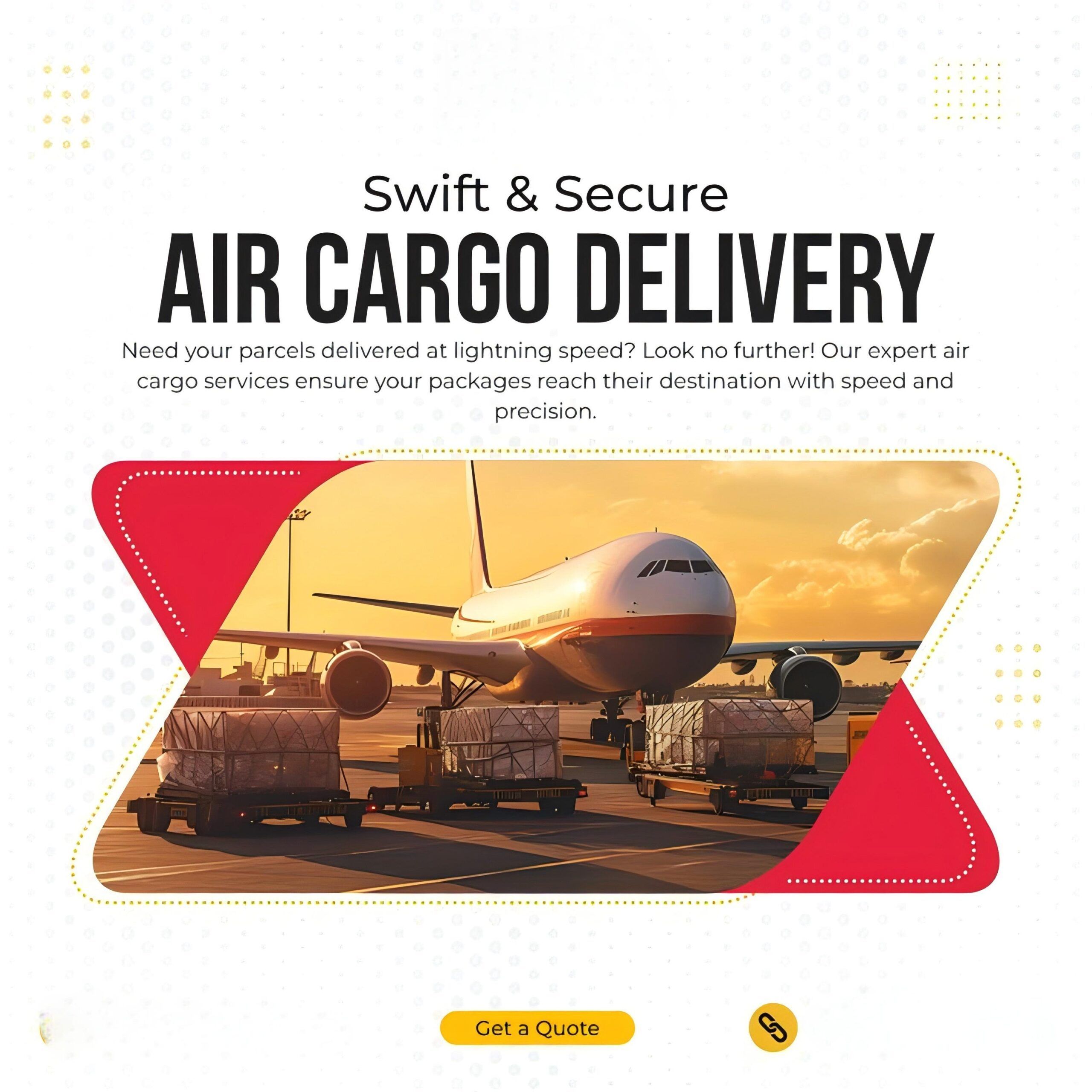
An experienced forwarder can manage everything from cargo handling and customs clearance to final delivery. This comprehensive support ensures a seamless and stress-free shipping experience. For example, they can arrange efficient air freight solutions for urgent needs. Their expertise is vital for a reliable supply chain.
Your Reliable Partner for China FCL to Germany Logistics
Establishing an efficient China FCL supply chain solution to Germany is fundamental for businesses seeking to thrive in the European market. By carefully considering shipping methods, navigating customs, and leveraging technological advancements, you can achieve significant logistical advantages. Always prioritize clear communication and proactive planning.
Ultimately, partnering with a knowledgeable freight forwarder simplifies these intricate processes, ensuring your goods arrive safely and on time. Their expertise in FCL shipping from China to Germany is invaluable. We are committed to providing tailored and effective logistics solutions for your business needs.
Ready to streamline your logistics?
Ready to optimize your China FCL supply chain solution to Germany? Contact our expert team today for a personalized quote and discover how we can streamline your full container load shipments. Let us help you achieve efficient, cost-effective, and reliable logistics for your business.
Request Quote