

Shipping from China: Your Ultimate Guide to Global Logistics
The global marketplace increasingly relies on efficient logistics, and shipping from China stands as a cornerstone of international trade. Businesses worldwide seek reliable, cost-effective solutions to move goods from this manufacturing powerhouse. This comprehensive guide will illuminate the complexities, offering insights into various freight methods, costs, and strategies to streamline your supply chain. For personalized assistance with your global logistics, explore the services offered by Top China Forwarder.
Understanding the Landscape of Shipping from China
The vast manufacturing capabilities of China make it a crucial hub for global commerce. Consequently, understanding the nuances of shipping from China is vital for importers worldwide. This process involves navigating various regulations, optimizing transit times, and managing diverse freight options.
Success in international trade, furthermore, hinges on meticulous planning and execution. Importers must consider factors like cargo type, urgency, budget, and destination to select the most appropriate shipping strategy. Ultimately, informed decisions lead to significant cost savings and improved supply chain efficiency.
Key Considerations for Importers
Firstly, cargo characteristics significantly impact shipping choices. Dimensions, weight, fragility, and hazardous nature all play a role in determining suitable transport methods. For instance, bulky, non-urgent goods are often best suited for sea freight.
Secondly, transit time expectations are paramount. Businesses needing rapid delivery will prioritize air freight or express services, despite higher costs. Conversely, longer lead times allow for more economical options like ocean or rail transport.
Moreover, the destination country’s import regulations and customs procedures require careful attention. Non-compliance can lead to delays, penalties, and increased expenses. Therefore, partnering with an experienced freight forwarder is often beneficial.
What Are the Primary Shipping Methods from China?
When considering shipping from China, several distinct methods are available, each offering unique advantages. Your choice will depend on a careful balance of speed, cost, and cargo volume. Indeed, selecting the right method is critical for efficient logistics.
Ultimately, understanding these options helps businesses make informed decisions. This section explores the main transportation modes, providing clarity on their typical applications and benefits. Moreover, it highlights how each method caters to different import needs.
Sea Freight: The Cost-Effective Giant
Sea freight remains the most popular and economical option for shipping from China, especially for large volumes and heavy goods. It involves transporting goods in containers aboard cargo ships. Businesses often choose this method for its unparalleled cost-effectiveness.
Consequently, it is ideal for non-urgent, bulk shipments, offering significant savings compared to air transport. Moreover, importers can opt for Full Container Load (FCL) or Less than Container Load (LCL) services depending on their cargo size. Learn more about reliable sea freight options.
Air Freight: Speed for Urgent Shipments
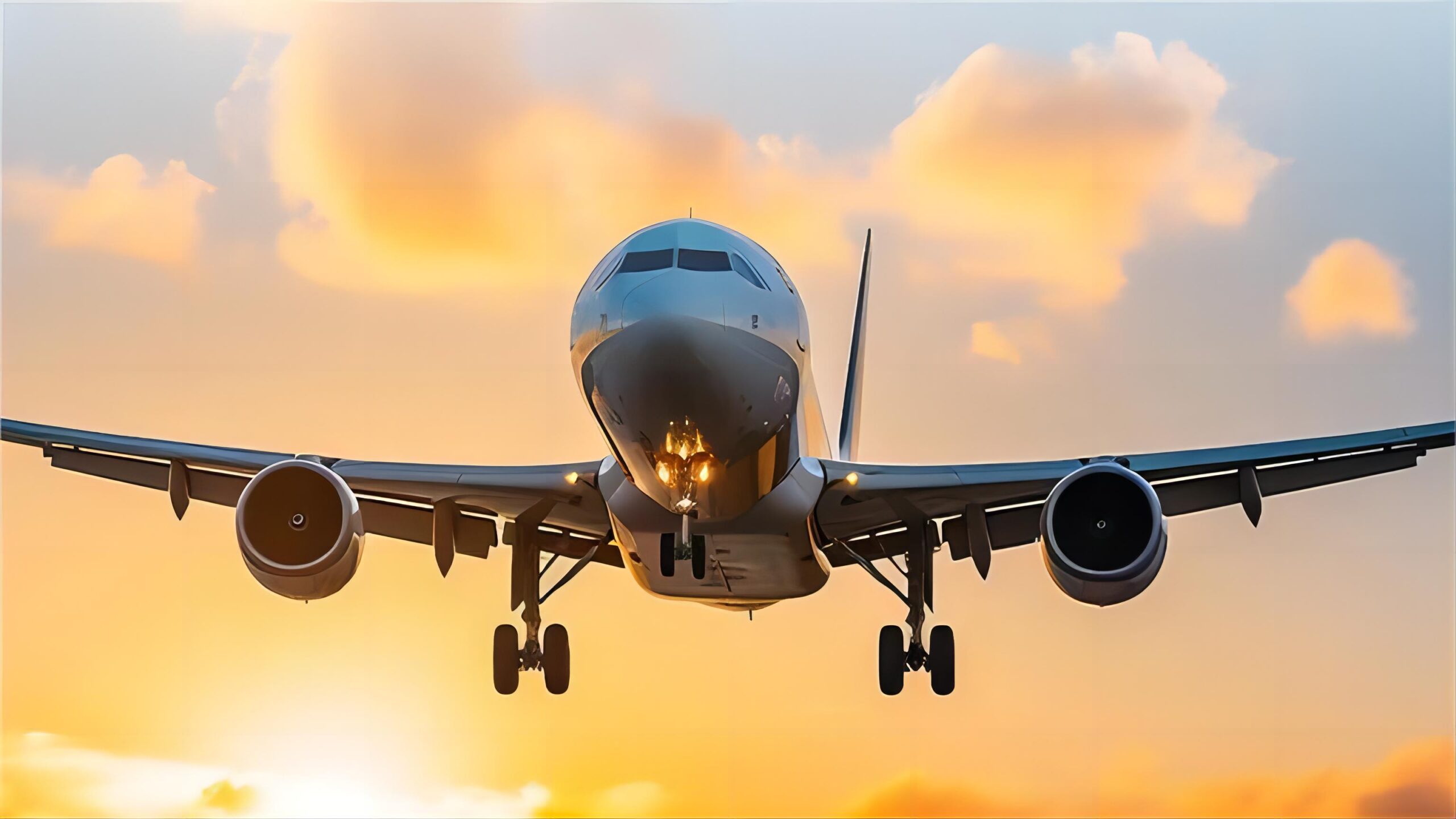
For time-sensitive goods, air freight provides the fastest transit times from China to global destinations. Although more expensive than sea freight, it is indispensable for urgent deliveries, perishable items, or high-value goods. Air cargo utilizes passenger planes or dedicated freighter aircraft.
Therefore, businesses needing quick replenishment or meeting tight deadlines frequently choose this method. Air freight offers enhanced security and reduced handling, minimizing the risk of damage. Explore efficient air freight solutions for your critical shipments.
Rail Freight: The Land Bridge Advantage
Rail freight has emerged as a viable middle-ground solution for shipping goods from China to Europe and parts of Central Asia. It offers a balance between the speed of air freight and the cost-effectiveness of sea freight. This method leverages the extensive railway networks.
Typically, transit times are significantly shorter than ocean shipping but more affordable than air. Rail freight is particularly beneficial for high-value goods that are not extremely urgent. Discover the benefits of rail freight for Eurasian routes.
Express Shipping: Door-to-Door Convenience
Express shipping, often handled by major courier companies, offers unparalleled speed and door-to-door service for smaller, high-value, or urgent parcels. This method simplifies the logistics process for businesses. It includes customs clearance and final delivery.
Moreover, express services are ideal for samples, documents, or e-commerce shipments requiring rapid turnaround. While generally more expensive per kilogram, the convenience and speed can justify the cost. For seamless delivery, consider comprehensive door-to-door services.
How Does Shipping from China Compare to Other Options?
Choosing the optimal shipping method from China requires a thorough comparison of available options. Each mode of transport presents a unique set of trade-offs concerning cost, speed, and capacity. Understanding these differences is crucial for strategic logistics planning.
Consequently, businesses must evaluate their specific needs against the characteristics of each shipping solution. This comprehensive comparison table helps illustrate the distinct advantages and limitations of various freight methods. It aids in making informed decisions for your supply chain.
| Shipping Method | Cost Range | Transit Time | Best For | Limitations |
|---|---|---|---|---|
| Sea Freight | Low | 20-45 days | Bulk, heavy, non-urgent goods | Slower, port-to-port only (usually), potential delays |
| Air Freight | High | 3-8 days | Urgent, high-value, perishable, smaller shipments | Expensive, size/weight restrictions, environmental impact |
| Rail Freight | Medium | 15-25 days | High-value, non-urgent to Europe/Central Asia | Limited to specific routes, less flexible than sea |
| Express Service | Very High | 1-5 days | Samples, documents, e-commerce, small urgent parcels | Very expensive per kg, limited cargo size |

Which Option Should You Choose?
Your final decision for shipping from China should align with your business priorities and cargo specifics. For example, if budget is your primary concern, sea freight will almost always be the most economical choice. Conversely, speed mandates the use of air freight or express services.
Furthermore, consider the type of cargo you are shipping. Perishable goods or electronics often require faster, more secure methods. Volume thresholds also play a role; for instance, LCL sea freight is suitable for smaller volumes that don’t fill a full container.
Ultimately, a decision framework based on budget, speed, and cargo type will guide you. For large, non-urgent shipments, sea is ideal. For urgent, smaller items, express is best. Rail offers a balanced solution for specific Eurasian routes.
Navigating Customs and Documentation When Shipping from China
Customs clearance is a critical, often complex, step in the process of shipping from China. Proper documentation ensures smooth passage of goods through international borders. Therefore, understanding the requirements is paramount to avoid delays and penalties.
Moreover, inaccurate or incomplete paperwork can lead to significant disruptions in your supply chain. Businesses must comply with both export regulations in China and import regulations in the destination country. This careful attention prevents unforeseen costs and transit issues. For expert handling of your import/export declarations, consider professional customs brokerage services.
| Document Name | Purpose | Key Details |
|---|---|---|
| Commercial Invoice | Details of goods, value, seller/buyer | HS Code, Unit Price, Total Value, Payment Terms |
| Packing List | Contents of each package, dimensions | Quantity, Weight, Dimensions, Package Marks |
| Bill of Lading (B/L) | Contract of carriage, title to goods | Shipper, Consignee, Notify Party, Vessel, Port Details |
| Air Waybill (AWB) | Contract for air transport, not title | Similar to B/L but for air cargo |
| Certificate of Origin | Proof of goods’ country of manufacture | Required for preferential tariffs, trade agreements |
| Import License | Permission to import specific goods | Required for controlled items (e.g., certain chemicals) |
Essential Documents Checklist
To facilitate efficient customs clearance, several key documents are typically required. Preparing these in advance can significantly speed up the entire shipping process. Accuracy in every detail is absolutely essential.
Furthermore, specific goods or destinations may require additional permits or certifications. Always confirm the latest requirements with your freight forwarder or customs broker. This proactive approach ensures compliance and prevents delays.
Optimizing Your Shipping Costs from China
Managing shipping costs from China is a major concern for businesses looking to maintain competitive pricing and healthy margins. Freight rates are dynamic, influenced by a multitude of factors. Therefore, strategic planning is essential to minimize expenses.
Consequently, understanding these underlying cost drivers allows importers to implement effective cost-saving strategies. Furthermore, proactive measures can significantly reduce overall logistics expenditures. This section delves into key factors and practical tips.
Factors Influencing Freight Rates
Numerous elements contribute to the final freight rate when shipping from China. Firstly, the chosen shipping method (sea, air, rail, express) has the most significant impact. Secondly, cargo volume and weight directly affect costs, especially for LCL and air freight.
Moreover, the origin and destination ports, along with the specific route, play a crucial role. Seasonal demand, fuel surcharges, and carrier capacity also cause rates to fluctuate. Incoterms chosen dictate who pays for which part of the journey, impacting the landed cost.
Cost-Saving Strategies
To effectively reduce your shipping costs from China, several strategies can be employed. Firstly, consolidate smaller shipments into larger ones to qualify for FCL rates or better LCL pricing. Secondly, consider slower, more economical shipping methods if transit time allows.
Additionally, negotiating favorable contracts with freight forwarders can yield significant savings. Optimizing packaging to reduce volumetric weight is also beneficial, particularly for air and express cargo. Finally, planning ahead and avoiding peak season surcharges can significantly lower expenses.
Real-World Scenarios: Successful Shipping from China
Examining real-world case studies provides practical insights into the complexities and solutions involved in shipping from China. These examples illustrate how different businesses navigate their unique logistics challenges. Consequently, they highlight effective strategies for various cargo types and routes.
Moreover, these scenarios demonstrate the importance of selecting the right shipping method and partner. They showcase typical costs, transit times, and potential challenges. Based on Q3 2024 market rates, these examples offer a realistic perspective.
Case Study 1: Bulk Electronics to Europe
This case involved a European electronics distributor importing consumer gadgets. The primary goal was cost efficiency for a regular, high-volume supply. Sea freight was the clear choice given the cargo’s nature and non-urgent delivery schedule.
The shipment navigated typical market conditions, including standard port congestion. Careful planning with the freight forwarder ensured all documentation was in order, preventing customs delays. This facilitated a smooth and cost-effective delivery.
| Header | Value |
|---|---|
| Route | Shenzhen, China Hamburg, Germany |
| Cargo | Consumer Electronics (e.g., smart home devices), 60 CBM, 15,000 kg |
| Container | 40HQ |
| Shipping Details | Carrier/Service: Major carrier (e.g., Maersk), Port of Loading: Shenzhen, Port of Discharge: Hamburg, Route Type: Direct |
| Cost Breakdown | Ocean Freight: $3,800, Origin Charges (THC, documentation): $450, Destination Charges: $550, Customs & Duties (estimated): $1,200, Total Landed Cost: $6,000 |
| Timeline | Booking to Loading: 5 days, Sea Transit: 28 days, Customs Clearance: 3 days, Total Door-to-Door: 36 days |
| Key Insight | Optimizing container utilization and choosing a direct route saved both cost and time, essential for bulk electronics. |
Case Study 2: Urgent Apparel to North America
An e-commerce fashion retailer needed a fast turnaround for a new clothing line launch in the US. Speed was paramount to capitalize on seasonal trends, making air freight the only viable option. The cargo was relatively light but high-value.
Despite the higher cost, the rapid transit time allowed the retailer to meet market demand promptly. The freight forwarder managed express customs clearance, further reducing delays. This ensured the collection launched on schedule.
| Header | Value |
|---|---|
| Route | Shanghai, China Los Angeles, USA |
| Cargo | Seasonal Apparel, 5 CBM, 1,200 kg |
| Container | LCL Air Cargo |
| Shipping Details | Carrier/Service: Major airline cargo (e.g., Cathay Pacific Cargo), Airport of Loading: Shanghai Pudong (PVG), Airport of Discharge: Los Angeles (LAX), Route Type: Direct |
| Cost Breakdown | Air Freight: $5,500, Origin Charges (documentation, handling): $300, Destination Charges: $250, Customs & Duties (estimated): $800, Total Landed Cost: $6,850 |
| Timeline | Booking to Loading: 2 days, Air Transit: 4 days, Customs Clearance: 1 day, Total Door-to-Door: 7 days |
| Key Insight | Prioritizing speed for a time-sensitive product launch justified the higher air freight cost, ensuring market entry advantage. |
Case Study 3: Heavy Machinery to Australia
A construction company in Australia imported specialized heavy machinery components. The shipment was oversized and required careful handling and specific vessel types. Sea freight was again chosen for its capacity to handle such cargo.
The challenge was coordinating oversized cargo loading and ensuring compliance with Australian import regulations for industrial equipment. The freight forwarder provided expert guidance on documentation and special equipment handling. This resulted in a successful, albeit complex, delivery.
| Header | Value |
|---|---|
| Route | Ningbo, China Sydney, Australia |
| Cargo | Heavy Machinery Components, 30 CBM, 25,000 kg |
| Container | 20GP (Oversized) |
| Shipping Details | Carrier/Service: Major carrier (e.g., COSCO), Port of Loading: Ningbo, Port of Discharge: Sydney, Route Type: Direct |
| Cost Breakdown | Ocean Freight: $1,800, Origin Charges (special handling, documentation): $600, Destination Charges: $400, Customs & Duties (estimated): $700, Total Landed Cost: $3,500 |
| Timeline | Booking to Loading: 7 days, Sea Transit: 15 days, Customs Clearance: 2 days, Total Door-to-Door: 24 days |
| Key Insight | Expertise in handling oversized cargo and navigating specific country import regulations was crucial for this specialized shipment. |
The Role of a Reliable Freight Forwarder in Shipping from China
Navigating the complexities of shipping from China can be daunting for many businesses. A professional freight forwarder acts as an indispensable partner, simplifying the entire logistics process. Consequently, they ensure your goods move efficiently and compliantly.
Indeed, their expertise minimizes risks, reduces costs, and saves valuable time. From customs documentation to carrier selection, a freight forwarder manages every detail. This partnership allows you to focus on your core business operations.
Why Partner with an Expert?
Firstly, freight forwarders possess extensive knowledge of international shipping regulations and customs procedures. This expertise prevents costly delays and ensures compliance. They stay updated on changing trade laws and requirements.
Secondly, they leverage their network of carriers and negotiate favorable freight rates. This often results in better pricing than businesses could secure independently. Moreover, they can offer consolidated shipping options for smaller cargo.
Furthermore, a good forwarder provides end-to-end supply chain visibility and proactive communication. They can manage unexpected issues, such as port congestion or rerouting, effectively. This comprehensive support is invaluable for seamless global trade.
Conclusion
In conclusion, successful shipping from China demands a deep understanding of freight methods, meticulous planning, and adherence to regulations. Businesses can choose from economical sea freight to rapid air and express services, balancing speed and cost. Leveraging a reliable freight forwarder is crucial for navigating these international waters, optimizing supply chain, and ensuring timely delivery. Mastering shipping from China is key to thriving in today’s global economy.

Ready to streamline your logistics?
Ready to streamline your shipping from China operations and reduce logistics headaches? Contact us today for a personalized quote and expert consultation. Our team is dedicated to providing efficient, reliable, and cost-effective shipping solutions tailored to your specific needs. Experience the difference of working with a trusted logistics partner.
Request Quote