

40HQ FCL shipping from China to Florida: The Ultimate 2025 Logistics Guide
Managing 40HQ FCL shipping from China to Florida requires a deep understanding of ocean routes and North American logistics requirements. Businesses frequently encounter complex challenges when moving large volumes of goods across the Pacific or through the Suez Canal to reach the US East Coast. By partnering with a reliable logistics provider like Top China Forwarder, importers can streamline their supply chain and ensure timely delivery to the Sunshine State. This comprehensive guide explores everything from port selection to cost-saving strategies for your high-cube container shipments.
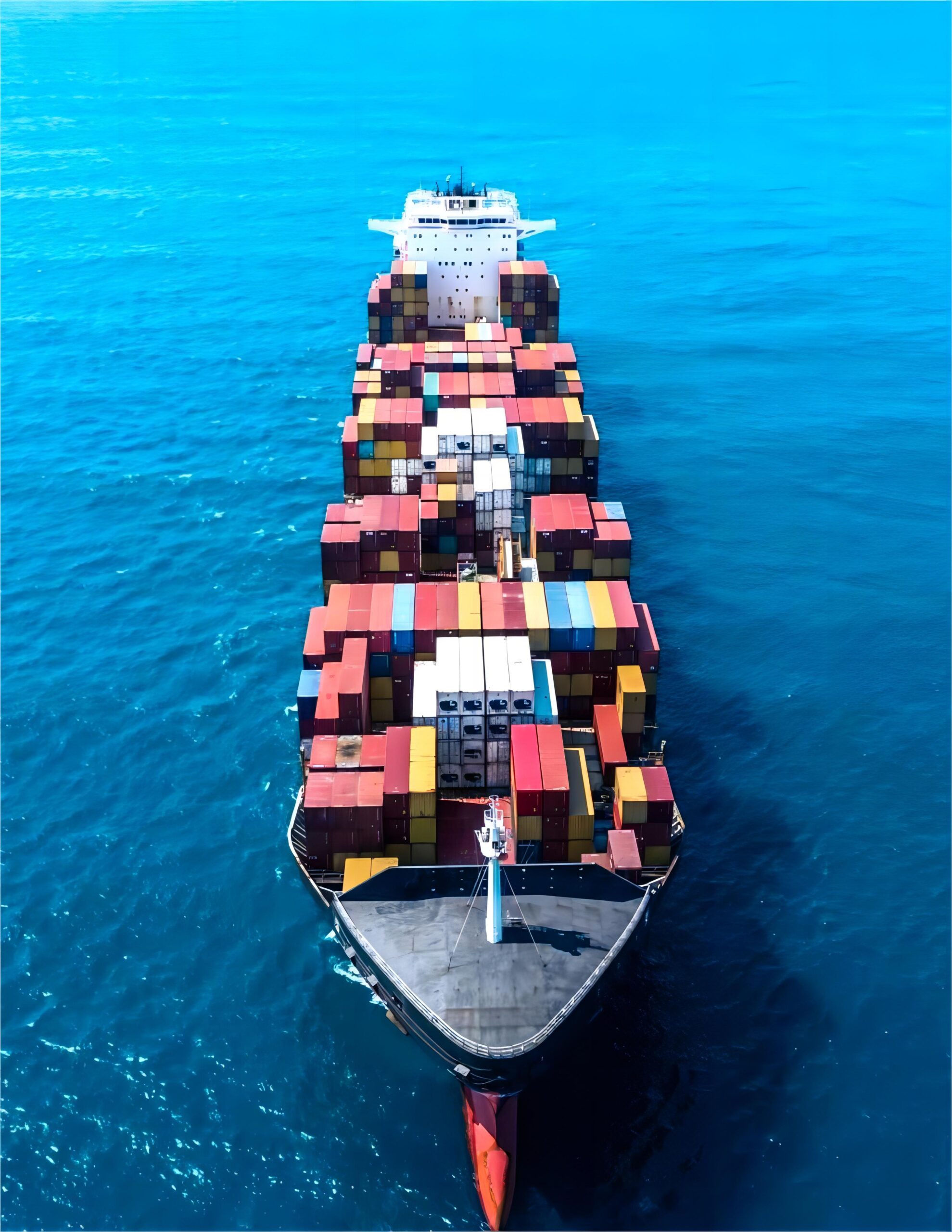
What is 40HQ FCL shipping from China to Florida?
FCL stands for Full Container Load, meaning you occupy the entire space of a container for your cargo alone. Specifically, the 40-foot High Cube (40HQ) container offers extra vertical space compared to standard 40GP units.
Choosing sea freight for these shipments is the most economical method for large-scale imports. Furthermore, this method provides better security as the container remains sealed from the point of origin to the final destination.
Florida serves as a massive gateway for the Southeastern United States, making this route vital for retail and industrial sectors. Consequently, understanding the specific mechanics of this transit is essential for maintaining inventory levels.
Importers often prefer the 40HQ because it accommodates bulky or tall items that would not fit in standard containers. Therefore, it has become the industry standard for furniture, machinery, and high-volume consumer goods.
Why Choose a 40HQ Container for Florida Shipments?
Capacity remains the primary reason why businesses opt for 40HQ containers over smaller alternatives. A standard 40HQ provides approximately 76 cubic meters of space, which is about 9 cubic meters more than a 40GP.
Additional height allows for stacking more layers of pallets, effectively reducing the shipping cost per unit. Moreover, the price difference between a 40GP and a 40HQ is often negligible, making the latter a better value proposition.
Shipping to Florida involves long distances, so maximizing every square inch of the container is a financial necessity. Indeed, many importers find that they can fit 20 to 22 standard pallets inside a single 40HQ unit.
Reliability is another factor, as major carriers prioritize these standard sizes in their vessel planning. Accordingly, you are less likely to face equipment shortages when booking 40HQ containers compared to specialized refrigerated or open-top units.
Key Ports for 40HQ FCL shipping from China to Florida
China hosts several major ports that facilitate massive export volumes to the United States. Shanghai, Ningbo-Zhoushan, and Shenzhen are the most common points of departure for Florida-bound cargo.
On the receiving end, Florida offers multiple deep-water ports capable of handling large container vessels. Port Miami and Port Everglades are the primary hubs for South Florida distribution.
Jacksonville (JAXPORT) serves as a critical entry point for the Northern Florida and Georgia markets. Meanwhile, Port Tampa Bay provides essential access to the Gulf Coast and Central Florida regions.
Selecting the right port depends on your final warehouse location and the available carrier strings. For instance, a shipment to Orlando might be more cost-effective via Jacksonville than Miami due to lower inland drayage fees.
| China Port | Florida Port | Direct/Transship | Regional Focus |
|---|---|---|---|
| Shenzhen | Miami | Direct (Suez/Panama) | South Florida |
| Shanghai | Jacksonville | Transshipment | North Florida |
| Ningbo | Tampa | Transshipment | Central Florida |
| Qingdao | Port Everglades | Direct | Southeast Florida |
Transit Times for 40HQ FCL shipping from China to Florida
Transit times vary significantly based on whether the vessel crosses the Pacific to the West Coast or travels directly to the East Coast. Direct water routes to Florida typically take between 30 and 45 days.
Utilizing customs brokerage services early in the process can prevent unnecessary delays once the ship reaches the US. Specifically, the Panama Canal route is faster than the Suez Canal route for most East Coast destinations.
Weather conditions and seasonal congestion at the Panama Canal can occasionally add 5 to 10 days to the schedule. However, most carriers provide reliable weekly departures from major Chinese hubs to ensure consistency.
Fast-track services are available for urgent cargo, though they come at a premium price. To summarize, importers should plan for at least a six-week lead time from the moment the container leaves the factory.
How Does 40HQ FCL Compare to Other Shipping Options?
Evaluating different logistics methods is crucial for optimizing your budget and timeline. While 40HQ FCL is ideal for large volumes, smaller shipments might benefit from other modes.
Shipping to North America offers various possibilities depending on the urgency of the cargo. For example, air freight is significantly faster but costs much more per kilogram.
Rail-sea combinations are also gaining traction for shipments entering via the West Coast and moving by train to Florida. Nevertheless, the direct sea route remains the most stable choice for high-cube containers.
Without a doubt, the cost-per-CBM for a 40HQ container is the lowest among all options for full-scale inventory replenishment. Consider the following comparison to see how FCL stacks up against alternatives.
| Shipping Method | Cost Range (USD) | Transit Time | Best For |
|---|---|---|---|
| 40HQ FCL Sea | $4,500 – $6,500 | 30-45 Days | Bulk Inventory |
| LCL Sea Freight | $150 – $300 /CBM | 35-50 Days | Small Batches |
| Air Freight | $6 – $12 /kg | 5-9 Days | Urgent Samples |
| Sea-Rail Hybrid | $5,500 – $7,500 | 22-28 Days | Mid-speed Needs |
Alternative Strategies for Florida Logistics
Importers should consider alternative strategies when market conditions fluctuate or capacity tightens. One approach is the ‘Mini-Land Bridge,’ where containers arrive at Los Angeles and travel by rail to Florida.
Another strategy involves using LCL shipping for smaller, frequent restocks to maintain cash flow. Additionally, some businesses use Florida’s Foreign Trade Zones (FTZs) to defer duty payments until the goods enter the domestic market.
Hybrid solutions like sea-air via hubs in the Middle East or West Coast can balance speed and cost. For instance, you might ship 80% of your stock via 40HQ FCL and 20% via air to handle immediate demand.
Cost-saving can also be achieved by consolidating cargo from multiple suppliers in China into a single 40HQ container. Consequently, you reduce the number of individual bills of lading and customs entries required.
Which Option Should You Choose?
Budget priority dictates that 40HQ FCL is the superior choice for any shipment exceeding 15 cubic meters. If your goods are lightweight but high-volume, the extra height of the HQ container is indispensable.
Speed priority necessitates a move toward air freight or the expedited sea-rail routes via the West Coast. On the other hand, if your cargo is heavy and dense, a standard 20GP or 40GP might be sufficient.
Cargo type considerations play a role as well; fragile items benefit from the reduced handling of a Full Container Load. Specifically, door to door services provide the most convenience for businesses without their own logistics teams.
Volume thresholds usually suggest that once you hit 15-20 CBM, the price of a full 20-foot container is cheaper than LCL. Similarly, if you exceed 35 CBM, moving to a 40-foot or 40HQ container becomes the most logical financial decision.
Case Studies: Realistic 40HQ FCL shipping from China to Florida Scenarios
Reviewing real-world examples helps in understanding the actual costs and timelines involved in this route. These cases reflect market conditions observed in late 2024 and early 2025.
Case Study 1: Electronics Distribution. Route: Shenzhen to Miami. Cargo: Consumer Electronics, 65 CBM. Container: 40HQ. Carrier: COSCO. Ocean Freight: $5,100. Origin/Dest Charges: $950. Total Landed Cost: $6,050. Sea Transit: 32 days. Total Door-to-Door: 42 days. Key Insight: Early booking during the pre-CNY rush saved the client $800 in peak season surcharges.
Case Study 2: Furniture Import. Route: Ningbo to Jacksonville. Cargo: Home Furniture, 72 CBM. Container: 40HQ. Carrier: Maersk. Ocean Freight: $5,850. Origin/Dest Charges: $1,100. Total Landed Cost: $6,950. Sea Transit: 38 days. Total Door-to-Door: 48 days. Key Insight: Using a 40HQ allowed the importer to fit 15% more inventory than a standard 40GP, significantly lowering the cost per sofa.
Note: Freight rates are subject to change based on fuel costs, carrier capacity, and seasonal demand. Contact us for a current quote tailored to your specific shipment.
Maximizing Efficiency in 40HQ FCL shipping from China to Florida
Documentation accuracy is the most significant factor in avoiding costly port storage fees and demurrage. You must ensure that the ISF (Importer Security Filing) is submitted at least 24 hours before the ship leaves China.
Proper palletization can also maximize the use of the 40HQ’s vertical space. Furthermore, using dunnage bags and moisture absorbers protects your investment during the long humid voyage through the tropics.
Negotiating ‘free time’ at the destination port provides a buffer for inland trucking arrangements. Indeed, having 10 to 14 days of free time can save thousands of dollars if your warehouse is temporarily at capacity.
Working with a forwarder that has a strong presence in both Shenzhen and Miami ensures better communication. Accordingly, any issues with local customs or truckers can be resolved in real-time across different time zones.
Final Thoughts on Florida Bound FCL Shipments
Successfully executing 40HQ FCL shipping from China to Florida is a cornerstone of growth for many US-based enterprises. By understanding the nuances of port selection, container dimensions, and transit times, you can significantly reduce your landed costs.
Market conditions in 2025 suggest that while rates have stabilized, proactive planning remains essential to avoid seasonal spikes. Moreover, the choice of a 40HQ container provides the volume flexibility needed for modern high-capacity retail demands.
Always prioritize documentation compliance and choose experienced partners to navigate the complexities of international trade. With the right strategy, your Florida-bound cargo will arrive safely, efficiently, and within budget.

Ready to streamline your logistics?
Ready to optimize your supply chain with 40HQ FCL shipping from China to Florida? Our team of experts is standing by to provide you with a competitive quote and a seamless shipping experience. Contact Top China Forwarder today to secure your space and take advantage of the best market rates for 2025. Visit our website to send an inquiry and get started on your next successful shipment.
Request Quote