

40HQ FCL sailing schedule for textiles from China to France: 2025 Guide
Shipping high-volume textile goods requires a reliable 40HQ FCL sailing schedule for textiles from China to France to ensure inventory reaches European markets on time. Working with a professional Top China Forwarder allows businesses to navigate complex logistics routes with confidence and precision. This comprehensive guide explores the latest transit times, costs, and strategic options for your textile supply chain.
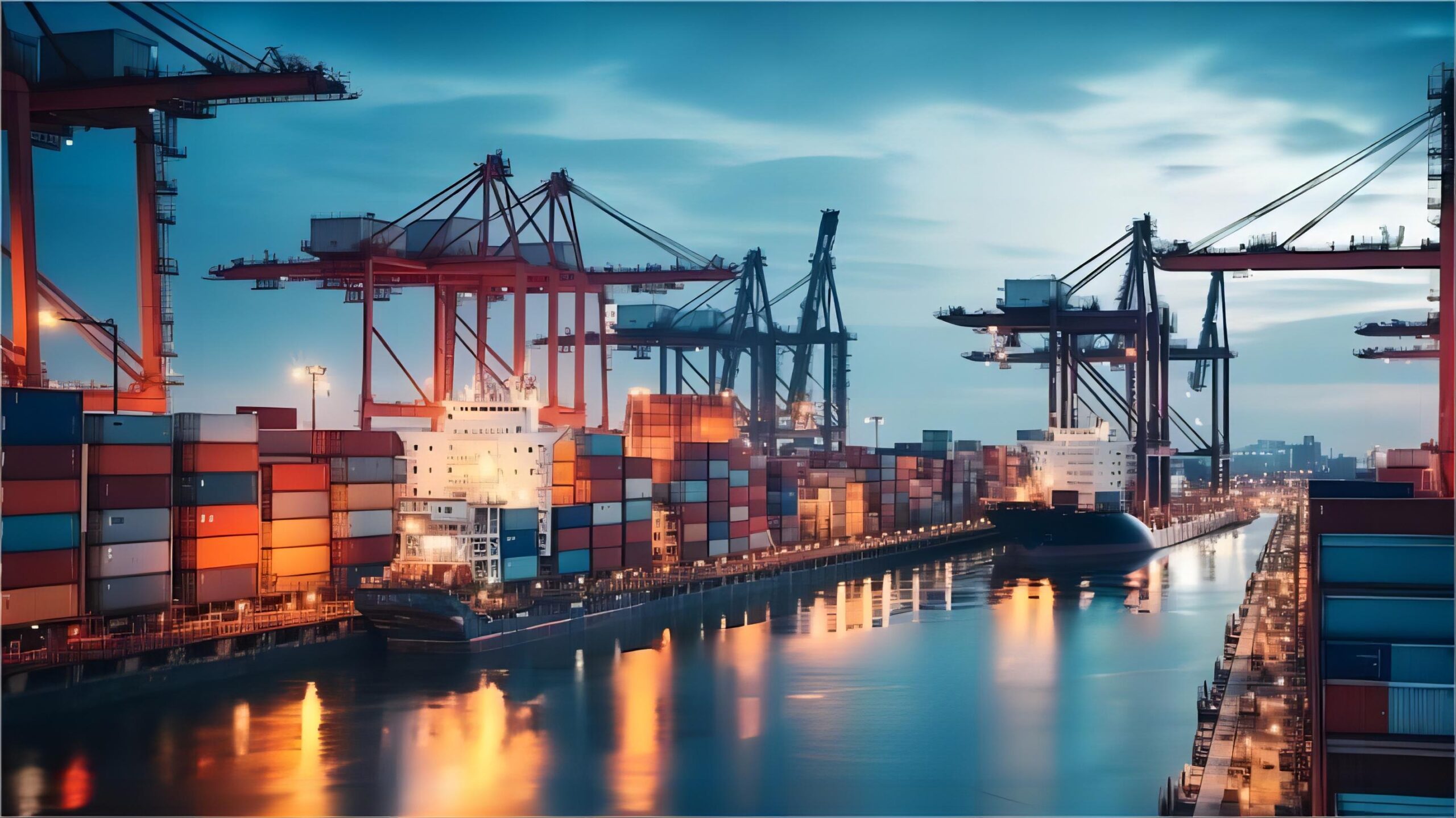
What is the 40HQ FCL sailing schedule for textiles from China to France?
Determining the most efficient 40HQ FCL sailing schedule for textiles from China to France involves analyzing carrier rotations and port congestion levels. Most major shipping lines provide weekly departures from primary Chinese hubs like Shanghai, Ningbo, and Shenzhen to French ports such as Le Havre and Marseille.
Consequently, businesses must align their production timelines with these specific departure windows to avoid costly warehouse storage fees. Selecting a high-cube container is particularly beneficial for textiles because these goods often have high volume but relatively low weight, allowing for maximum space utilization.
Moreover, the sailing schedule typically spans 30 to 45 days depending on the specific route and whether the vessel is direct or involves transshipment. Understanding these timelines is essential for maintaining a lean supply chain and meeting the seasonal demands of the French fashion industry.
How Does 40HQ FCL Compare to Other Shipping Options?
Choosing between different transport modes requires a careful balance of speed, cost, and reliability. While sea freight remains the most popular choice for bulk textiles, other alternatives exist for urgent or smaller shipments.
Furthermore, shippers must evaluate the trade-offs between Full Container Load (FCL) and Less than Container Load (LCL) when volumes do not fill a 40HQ unit. For those moving massive quantities of fabric or apparel, FCL provides better security and lower per-unit costs compared to shared containers.
Additionally, businesses should consider the following table to determine which logistics strategy aligns best with their current budgetary and timeline requirements.
| Shipping Method | Cost Range (USD) | Transit Time | Best For |
|---|---|---|---|
| 40HQ FCL Sea | $3,000 – $4,200 | 30-40 Days | Bulk Textiles/High Volume |
| LCL Sea Freight | $50 – $120/CBM | 35-45 Days | Small Textile Samples |
| Rail Freight | $4,500 – $6,000 | 18-22 Days | Mid-range urgency |
| Air Freight | $15,000 – $25,000 | 5-7 Days | High-fashion/Urgent |
Key Ports and Transit Times for Textile Shipments
Major ports in China serve as the starting point for most textile exports destined for the European market. Shanghai and Ningbo are the leading hubs for fabric production, while Shenzhen handles a significant portion of ready-to-wear garments.
On the other hand, French ports like Le Havre serve as the primary gateway for Northern France and Paris, whereas Marseille-Fos handles cargo for Southern regions. Transit times fluctuate based on weather conditions, seasonal peaks, and carrier efficiency levels.
Typical schedules for 2025 indicate that direct routes from Shenzhen to Marseille are often the fastest sea-based options available to importers.
| Port of Loading | Port of Discharge | Transit Time | Frequency |
|---|---|---|---|
| Shanghai | Le Havre | 34-38 Days | Weekly |
| Ningbo | Le Havre | 35-40 Days | Weekly |
| Shenzhen | Marseille | 28-32 Days | Weekly |
| Qingdao | Le Havre | 38-42 Days | Bi-weekly |

Case Study 1: Cotton Apparel from Ningbo to Le Havre
A French retailer required a steady 40HQ FCL sailing schedule for textiles from China to France to restock their spring collection. The shipment originated in Ningbo and consisted of 65 CBM of cotton t-shirts packed in a single 40HQ container.
Specifically, the vessel departed on March 5th and arrived at Le Havre on April 10th, totaling a 36-day ocean transit. By utilizing door to door services, the client avoided the complexities of coordinating multiple local transporters.
As a result, the total landed cost including ocean freight, terminal charges, and local delivery was approximately $4,800, allowing the retailer to maintain their profit margins.
Case Study 2: Synthetic Fabrics from Shanghai to Marseille
A textile manufacturer in Lyon imported 25 tons of polyester rolls using a 40HQ container to maximize vertical space. They selected a direct sailing from Shanghai to Marseille to minimize the risk of damage during transshipment at intermediate ports.
Indeed, the shipment benefited from a stable 2025 market rate of $3,500 for the ocean leg. The carrier maintained its schedule despite minor port congestion, delivering the cargo to the factory within 38 days of the initial booking.
Consequently, this successful shipment highlights the importance of choosing carriers with high schedule reliability for heavy industrial textile materials.
Alternative Strategies for Textile Logistics
When the standard 40HQ FCL sailing schedule for textiles from China to France is too slow, shippers should consider hybrid solutions. Sea-air combinations involve shipping goods by sea to a hub like Dubai and then flying them to France, cutting transit time by half.
Alternatively, air freight remains the best option for high-value designer labels that must reach Paris boutiques within a week. While significantly more expensive, the speed of air transport can justify the cost for time-sensitive fashion launches.
Meanwhile, rail freight through the Silk Road provides a middle ground, offering faster transit than sea but at a lower price point than air. This method is increasingly popular for textile companies looking to reduce their carbon footprint while maintaining a faster-than-sea schedule.

Customs and Documentation for Textiles in France
Navigating French customs requires precise documentation to avoid delays and additional inspections. Importers must provide a Commercial Invoice, Packing List, and a Bill of Lading that clearly describes the textile composition and origin.
Furthermore, hiring a professional customs brokerage service ensures that all Harmonized System (HS) codes are correctly applied. Textiles often face specific trade regulations and anti-dumping duties that vary based on the material and country of origin.
Therefore, preparing these documents well in advance of the vessel arrival is the best way to ensure a smooth transition from the port to the final destination in Europe.
| Document Name | Purpose | Required By | Timing |
|---|---|---|---|
| Bill of Lading | Title of Goods | Carrier/Customs | At Loading |
| Commercial Invoice | Valuation | Customs | Pre-arrival |
| Certificate of Origin | Duty Calculation | French Customs | Pre-arrival |
| Packing List | Cargo Verification | Port Authorities | At Loading |
Which Option Should You Choose?
Selecting the right shipping method depends largely on your budget priority and the urgency of your inventory needs. If cost reduction is your primary goal, sticking to the standard 40HQ FCL sailing schedule for textiles from China to France is the most logical choice.
However, if you are dealing with a seasonal stockout or a late production run, the speed of rail or air may be necessary. Shippers should also account for the volume threshold; once your shipment exceeds 15 CBM, moving from LCL to a 20GP or 40HQ container becomes much more cost-effective.
In contrast, small sample shipments are almost always better handled via express services to ensure they arrive in time for quality approval before mass production begins.
Final Thoughts on Textile Shipping Schedules
Managing a 40HQ FCL sailing schedule for textiles from China to France requires careful planning and a deep understanding of the global maritime landscape. By selecting the right ports, carriers, and containers, businesses can significantly reduce their transit times and overall logistics costs.
Reliable partners and accurate documentation remain the cornerstones of a successful import operation in the competitive French textile market. As market conditions evolve in 2025, staying informed about schedule changes and freight rate trends will help you maintain a resilient and efficient supply chain.
Note: Freight rates and schedules are subject to change based on fuel costs, carrier capacity, and seasonal demand. Always contact us for a current quote tailored to your specific textile shipment.

Ready to streamline your logistics?
Are you ready to optimize your 40HQ FCL sailing schedule for textiles from China to France? Our expert team is standing by to provide competitive rates and reliable logistics solutions tailored to your textile business. Contact us today to request a quote and secure your space on the next departing vessel. Visit Top China Forwarder to learn more about our specialized sea freight services.
Request Quote