

40HQ FCL container shortage solution for auto parts from China to New York
Finding a 40HQ FCL container shortage solution for auto parts from China to New York is essential for maintaining a steady supply chain in the competitive automotive market. Many importers currently face significant delays due to equipment imbalances and high seasonal demand across the Pacific. By partnering with a reliable Top China Forwarder, businesses can navigate these logistical hurdles and ensure their components arrive at East Coast ports on schedule. This guide explores diversified shipping strategies and alternative routes to keep your inventory flowing despite the ongoing equipment crunch.
Why is there a 40HQ FCL container shortage for auto parts from China to New York?
Global trade imbalances often lead to a lack of 40-foot high cube containers at major Chinese manufacturing hubs like Ningbo and Shanghai. Consequently, the automotive industry suffers because these large containers are the standard for bulky car parts and high-volume accessories. Moreover, the long transit times to the US East Coast mean that equipment takes longer to return to the origin, worsening the local deficit.
Seasonal peaks, such as the pre-Lunar New Year rush or the Q4 holiday surge, further strain the available supply of shipping units. Therefore, importers must understand that the shortage is not just a lack of steel boxes but a symptom of wider supply chain congestion. Furthermore, port strikes or labor disputes in New York can lead to vessels bypassing the port, leaving empty containers stranded where they are not needed.
Rising demand for electric vehicle components has added additional pressure on the 40HQ supply as manufacturers scale up production rapidly. In addition, many carriers prioritize shorter routes to the West Coast to maximize equipment turnover, leaving East Coast importers with fewer options. Indeed, navigating this landscape requires a proactive approach and a deep understanding of current logistics trends.
What are the best alternatives to 40HQ FCL shipping?
When the 40HQ FCL container shortage solution for auto parts from China to New York requires immediate action, Less than Container Load (LCL) shipping is a viable fallback. Although LCL involves sharing space with other shippers, it allows you to move smaller batches of parts without waiting for a full container to become available. Additionally, sea freight providers often have better availability for LCL slots during peak shortages.
Utilizing 40GP (General Purpose) or 20GP containers can also bridge the gap, even if they offer less vertical space than a high cube. While this might require re-evaluating your packing density, it is often better to ship in a smaller container than to wait weeks for a 40HQ. Furthermore, some forwarders suggest ‘NOR’ or Non-Operating Reefer containers, which are refrigerated units used as dry storage to balance equipment flow.
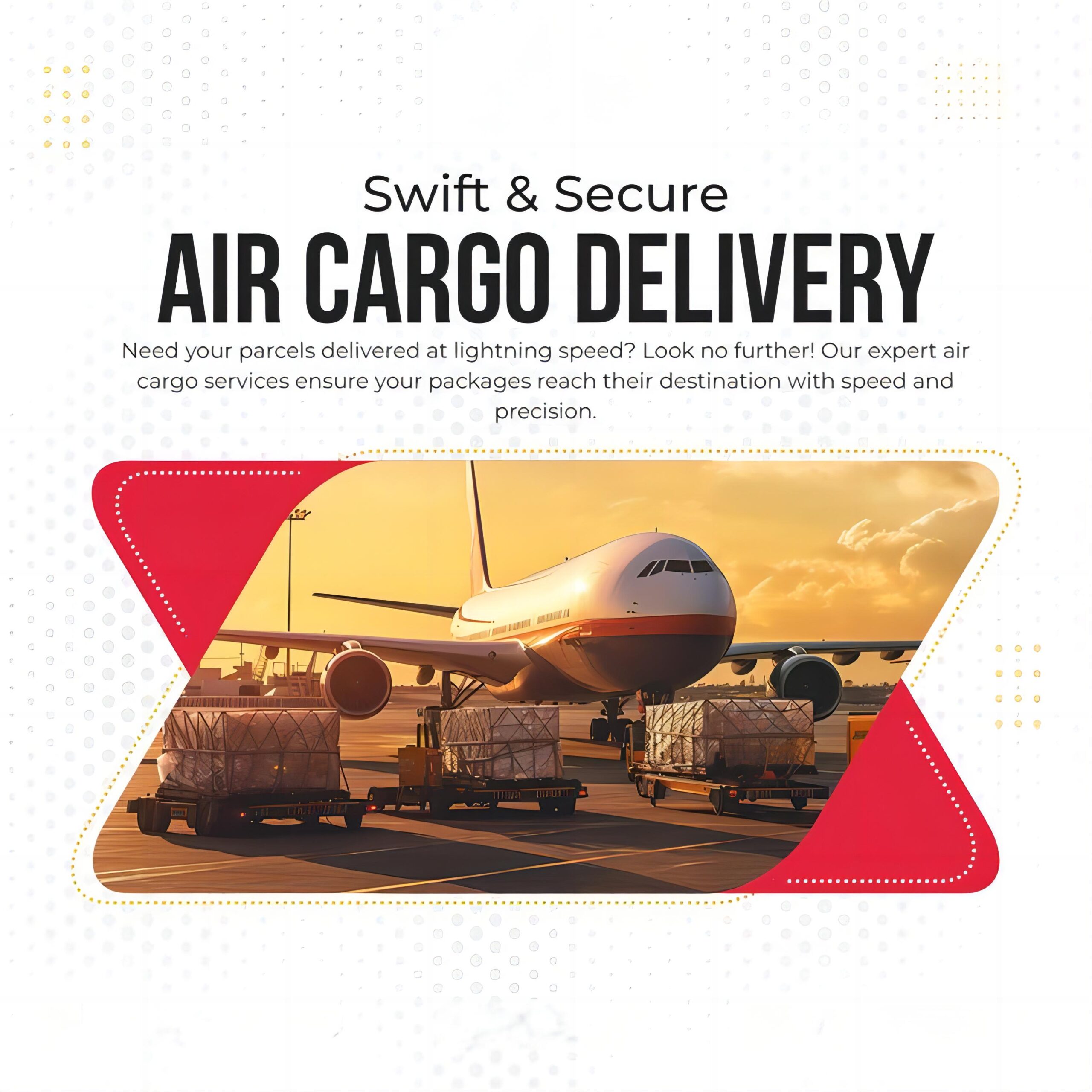
Air transport remains the fastest alternative for urgent shipments of high-value automotive components. While the cost is significantly higher, air freight ensures that assembly lines in New York do not stop due to missing parts. Consequently, many businesses maintain a hybrid strategy, using ocean freight for the bulk of their inventory and air for critical restocking.
How Does 40HQ FCL Compare to Other Shipping Options?
Comparing different shipping methods is crucial for determining the most cost-effective and timely solution for your business. For instance, while FCL offers the lowest per-unit cost, the lack of equipment can make it the most unpredictable during a shortage. On the other hand, LCL provides flexibility but may involve higher handling risks at consolidation warehouses.
Direct shipping to New York via the Panama or Suez Canal takes longer than shipping to the West Coast and using rail. Nevertheless, the door-to-door cost of an all-water service is often more attractive for heavy auto parts. To summarize, each method has distinct trade-offs regarding speed, price, and reliability that must be weighed against your current inventory needs.
| Shipping Method | Cost Range (USD) | Transit Time | Best For |
|---|---|---|---|
| 40HQ FCL | $4,500 – $6,000 | 30-35 Days | High-volume bulk orders |
| LCL (per CBM) | $80 – $150 | 35-42 Days | Smaller, frequent batches |
| Air Freight (kg) | $4.50 – $7.00 | 5-8 Days | Urgent assembly parts |
| 40GP (Standard) | $4,000 – $5,500 | 30-35 Days | Heavy, low-profile parts |
Can multimodal transport solve the New York equipment crunch?
Multimodal transport combines different modes of shipping to bypass traditional bottlenecks. For example, shipping from China to a West Coast port like Long Beach and then using rail to New York can save time. However, this ‘land bridge’ approach is often more expensive than all-water routes due to the additional handling and rail fees.
Implementing a door to door service that utilizes multiple carriers can provide more flexibility during a 40HQ FCL container shortage. By diversifying the ports of entry, you can avoid the most congested terminals in the New York and New Jersey area. Additionally, using regional ports on the East Coast like Savannah or Charleston and trucking the goods to New York might be a faster alternative during peak times.
Logistics providers often suggest sea-air combinations for shipments originating in inland China. This involves trucking parts to a major hub, flying them to a mid-point like Dubai or Singapore, and then finishing the journey by sea. Without a doubt, these creative solutions are becoming standard practice for resilient automotive supply chains.
Which customs and documentation steps are required for New York imports?
Importing auto parts into the United States requires strict adherence to Customs and Border Protection (CBP) regulations. Specifically, you must provide an accurate Commercial Invoice, Packing List, and Bill of Lading for every shipment. Moreover, automotive components often fall under specific safety standards set by the Department of Transportation (DOT), requiring additional certification.
Securing a professional customs brokerage service is the most effective way to prevent costly delays at the Port of New York. Experienced brokers can help classify your parts correctly under the Harmonized Tariff Schedule (HTS), ensuring you pay the correct duty rates. Furthermore, they can manage the ISF (Importer Security Filing) which must be submitted 24 hours before the ship leaves China.
Market data suggests that documentation errors are a leading cause of port storage fees, also known as demurrage. To avoid these, ensure that all descriptions are clear and that the country of origin is marked on every part. In addition, having a continuous customs bond in place will speed up the clearance process for regular importers.
| Document Name | Responsibility | Purpose | Timing |
|---|---|---|---|
| ISF (10+2) | Importer/Broker | Security Screening | 24h before loading |
| Commercial Invoice | Supplier | Valuation and Duty | At time of booking |
| Packing List | Supplier | Cargo Verification | At time of loading |
| DOT Form HS-7 | Importer | Safety Compliance | Upon arrival |
Real Case Studies: Overcoming the 40HQ Shortage
Case Study 1: An auto accessory wholesaler in Queens faced a 3-week delay for 40HQ containers in Ningbo. By switching to two 20GP containers, they managed to ship their inventory within 4 days. Although the freight cost increased by 15%, they avoided a total stockout during their busiest sales month.
Case Study 2: A large dealership group required urgent engine components from Shenzhen to New York. Due to the 40HQ FCL container shortage solution for auto parts from China to New York being unavailable, they opted for an LCL shipment combined with a small air freight parcel. This hybrid approach ensured the service center remained operational while the bulk of the order followed by sea.
Case Study 1: Equipment Substitution Strategy
Route: Ningbo, China to New York, USA
Cargo: Alloy Wheels, 65 CBM, 12,000 kg
Container: 2 x 20GP (Substitute for 40HQ)
Shipping Details:
– Carrier: COSCO
– Port of Loading: Ningbo
– Port of Discharge: New York/New Jersey
– Route Type: Direct via Panama Canal
Cost Breakdown:
– Ocean Freight: $5,200
– Origin Charges: $450
– Destination Charges: $600
– Customs Duties: $1,300
– Total Landed Cost: $7,550
Timeline:
– Booking to Loading: 5 days
– Sea Transit: 32 days
– Customs Clearance: 2 days
– Total Door-to-Door: 39 days
Key Insight: Substituting 40HQ with 20GP units allowed the shipper to bypass a 20-day wait for high-cube equipment.
Case Study 2: High-Priority LCL Conversion
Route: Shanghai, China to New York, USA
Cargo: Brake Pads and Rotors, 12 CBM, 8,500 kg
Container: LCL (Less than Container Load)
Shipping Details:
– Carrier: Major LCL Consolidator
– Port of Loading: Shanghai
– Port of Discharge: New York
– Route Type: Transshipment via Busan
Cost Breakdown:
– Ocean Freight: $1,440
– Origin Charges: $200
– Destination Charges: $550
– Customs Duties: $900
– Total Landed Cost: $3,090
Timeline:
– Booking to Loading: 3 days
– Sea Transit: 38 days
– Customs Clearance: 3 days
– Total Door-to-Door: 44 days
Key Insight: Using LCL provided immediate space availability when FCL bookings were being rolled by the carrier.
Which Option Should You Choose? A Decision Framework
Choosing the right 40HQ FCL container shortage solution for auto parts from China to New York depends on your specific priorities. If your primary concern is the lowest possible cost, waiting for a 40HQ or using a 40GP is usually the best path. Conversely, if your assembly line is at risk of shutting down, air freight is the only logical choice regardless of the expense.
Volume thresholds also play a major role in this decision. For shipments under 15 CBM, LCL is almost always more economical than a full container. However, once you exceed 20 CBM, the costs of LCL handling and documentation begin to outweigh the benefits of a 20GP FCL unit. Therefore, analyzing your total landed cost is essential before making a booking.
| Priority | Recommended Method | Volume Threshold | Key Benefit |
|---|---|---|---|
| Budget | 40GP FCL | > 25 CBM | Lowest freight rate |
| Speed | Air Freight | Any volume | Fastest delivery |
| Flexibility | LCL Shipping | < 15 CBM | No equipment wait |
| Reliability | Multimodal Rail | > 20 CBM | Bypasses port congestion |
How to mitigate future container shortages?
Planning your shipments at least 4-6 weeks in advance is the most effective way to secure equipment. By providing forwarders with a long-term forecast, they can pre-book space and equipment with carriers before the peak season hits. Additionally, establishing strong relationships with multiple North America focused logistics partners can provide you with more options when one carrier is short on boxes.
Diversifying your supplier base across different regions in China can also help. If Ningbo is experiencing a severe 40HQ shortage, your supplier in Guangzhou might have better access to equipment through the Port of Nansha. Furthermore, consider investing in inventory management software that alerts you to potential delays, allowing you to trigger alternative shipping plans earlier.
Note: Freight rates are subject to change based on fuel costs, carrier capacity, and seasonal demand. Contact us for a current quote tailored to your specific shipment.
Summary of Logistics Strategies for New York Auto Part Imports
Navigating the 40HQ FCL container shortage solution for auto parts from China to New York requires a blend of foresight, flexibility, and expert partnership. Whether you choose to substitute equipment, utilize LCL, or pivot to air freight, the goal is to maintain a resilient supply chain that can withstand market fluctuations. By understanding the trade-offs between cost and speed, and ensuring all customs documentation is in order, you can successfully manage the complexities of international trade. Stay proactive and keep your inventory moving toward the New York market with these proven strategies.
Ready to streamline your logistics?
Stop letting equipment shortages stall your automotive business. Contact us today to secure your 40HQ FCL container shortage solution for auto parts from China to New York and get a custom quote for your next shipment. Visit our inquiry page to start: Send Inquiry link
Request Quote