

40HQ FCL Booking Process for Machinery from China to Netherlands
Navigating the 40HQ FCL booking process for machinery from China to Netherlands requires a strategic approach to ensure safety and cost-efficiency. Importers often face challenges with heavy equipment logistics, ranging from container selection to complex customs clearance procedures in Rotterdam. By partnering with Top China Forwarder, you can streamline your supply chain and avoid common pitfalls associated with international trade. This guide provides a comprehensive breakdown of how to manage your machinery shipments effectively while optimizing your logistics budget.
Understanding the 40HQ FCL Booking Process for Machinery from China to Netherlands
Starting the 40HQ FCL booking process for machinery from China to Netherlands involves several critical steps that determine the success of your shipment. Initially, you must identify the exact dimensions and weight of your machinery to confirm that a 40-foot High Cube container is the most appropriate choice. High Cube containers offer an extra foot of vertical space compared to standard containers, which is often vital for industrial equipment. Consequently, this additional space allows for better cushioning and securing of delicate components.
Moreover, the booking process begins with requesting a quote from a reliable freight forwarder who specializes in heavy cargo. You should provide detailed information, including the pick-up location in China and the final delivery address in the Netherlands. Therefore, accurate data at this stage prevents unexpected surcharges or delays during the transit phase. Most businesses prefer Full Container Load (FCL) shipping for machinery because it reduces the risk of damage from other shippers’ cargo.
Additionally, once you accept the freight quote, the forwarder will secure a space on a vessel departing from major ports like Shanghai, Ningbo, or Shenzhen. This booking confirmation includes the Estimated Time of Departure (ETD) and Estimated Time of Arrival (ETA). Meanwhile, you must coordinate with your supplier to ensure the machinery is ready for container loading on the scheduled date. Proper timing is essential to avoid detention and demurrage fees at the port of loading.
Why Choose 40HQ Containers for Machinery Shipments?
Choosing a 40HQ container is a standard practice for many industrial importers because of the volume-to-cost ratio. When utilizing sea freight, the extra height of the 40HQ container accommodates taller machines that would otherwise require expensive Open Top containers. Furthermore, the structural integrity of these containers provides a secure environment for heavy loads during the long voyage across the ocean.
Specifically, the 40HQ container provides approximately 76 cubic meters of space, which allows for significant internal bracing and sea-worthy packaging. Nevertheless, you must ensure that the weight of the machinery does not exceed the maximum payload capacity of the container. Overloading can lead to safety hazards and legal issues at both the origin and destination ports. Indeed, balancing the weight distribution inside the container is just as important as the total weight itself.
In addition, using FCL instead of Less than Container Load (LCL) ensures that your machinery remains untouched from the point of loading to the point of unloading. This isolation is crucial for high-value equipment that requires specific environmental conditions or specialized handling. Consequently, many Dutch importers find that the 40HQ FCL option offers the best balance of protection and price for large-scale industrial projects.
How Does 40HQ FCL Compare to Other Shipping Options?
Comparing different shipping methods is a vital part of the 40HQ FCL booking process for machinery from China to Netherlands. While sea freight is the most common choice, alternatives like rail freight or air freight might be more suitable depending on your timeline. For instance, rail freight via the New Silk Road offers a middle ground between the speed of air and the economy of sea. However, rail containers have stricter size limitations that might not accommodate all types of machinery.
On the other hand, air freight is reserved for urgent replacement parts or smaller high-tech equipment due to its extremely high cost. Most machinery importers only use air freight when a production line is down and every day of delay costs thousands of euros. To summarize, the choice depends on your budget, the urgency of the delivery, and the physical characteristics of the cargo. Below is a detailed comparison of the most viable shipping methods for the China-to-Netherlands route.
| Shipping Method | Cost Range (USD) | Transit Time | Best For |
|---|---|---|---|
| Sea Freight FCL | $3,000 – $4,500 | 30-40 Days | Heavy Machinery |
| Rail Freight | $4,500 – $6,500 | 18-22 Days | Urgent Large Units |
| Air Freight | $15,000+ | 5-8 Days | Small Parts |
| Sea-Air Hybrid | $8,000 – $10,000 | 15-20 Days | Time-Sensitive Cargo |
Transit Times and Port Selection for Netherlands Shipments
Understanding transit times is a key component of the 40HQ FCL booking process for machinery from China to Netherlands. Most shipments to the Netherlands arrive at the Port of Rotterdam, which is the largest and most efficient port in Europe. Depending on the port of origin in China, the sea voyage typically takes between 30 and 40 days. For example, a direct vessel from Shanghai to Rotterdam is generally faster than a shipment involving transshipment in Singapore.
Furthermore, you must account for the time required for inland transportation within China and the Netherlands. After the container arrives in Rotterdam, it must clear customs and then be transported via truck or barge to its final destination. Therefore, the total door-to-door timeline is usually 10 to 15 days longer than the actual port-to-port transit time. Planning for these durations helps in maintaining an accurate production schedule for your facility.
Notably, seasonal factors such as the Chinese New Year or peak shipping seasons in late Q3 can extend these timelines significantly. During these periods, port congestion and equipment shortages are common, leading to potential delays in the 40HQ FCL booking process for machinery from China to Netherlands. Accordingly, booking your shipment at least 3-4 weeks in advance is highly recommended to secure space and equipment.

Customs Compliance and Machinery Documentation
Navigating the legal requirements is a mandatory part of the 40HQ FCL booking process for machinery from China to Netherlands. You must ensure that all machinery meets European Union safety standards, often indicated by the CE marking. Without proper certification, the Dutch customs authorities may refuse entry or require expensive modifications. Consequently, working with a professional customs brokerage service is essential for a smooth import experience.
Additionally, you will need a set of standard documents, including the Commercial Invoice, Packing List, and Bill of Lading. For machinery, a detailed technical description and the correct HS Code are vital for determining the applicable import duties and VAT. Inaccurate classification can lead to heavy fines or prolonged inspections at the border. Indeed, the precision of your paperwork is just as important as the physical security of your cargo.
Furthermore, some machinery may require specific export licenses from the Chinese government or import permits in the Netherlands. It is advisable to verify these requirements well before the container leaves the factory. Meanwhile, your forwarder can help you prepare the necessary declarations to ensure that the 40HQ FCL booking process for machinery from China to Netherlands proceeds without administrative hurdles.
Real Case Studies for Machinery Shipments
Reviewing real-world examples can provide valuable insights into the 40HQ FCL booking process for machinery from China to Netherlands. These cases highlight the importance of planning and the typical costs involved in 2024 and 2025 market conditions. By examining successful shipments, you can better prepare for your own logistics challenges and identify potential areas for cost savings.
Case Study 1: CNC Machinery from Ningbo to Rotterdam
Route: Ningbo, China to Rotterdam, Netherlands. Cargo: 3 CNC Milling Machines, 68 CBM, 18,000 kg. Container: 40HQ FCL. Shipping Details: Direct service via major carrier. Cost Breakdown: Ocean Freight $3,850, Origin Charges $450, Destination Charges $600, Customs Duties $1,200. Total Landed Cost: $6,100. Timeline: Booking to Loading 5 days, Sea Transit 32 days, Customs 3 days. Key Insight: Early booking secured a lower rate during the Q3 peak season.
Case Study 2: Industrial Food Processing Equipment from Shanghai
Route: Shanghai, China to Amsterdam via Rotterdam. Cargo: Automated Bakery Line, 72 CBM, 15,500 kg. Container: 40HQ FCL. Shipping Details: Transshipment via Singapore. Cost Breakdown: Ocean Freight $4,100, Origin Charges $500, Destination Charges $750, Customs Duties $2,500. Total Landed Cost: $7,850. Timeline: Booking to Loading 7 days, Sea Transit 38 days, Customs 4 days. Key Insight: Detailed HS code classification saved 3% on import duties.
Cost Analysis for 40HQ FCL Machinery Shipments
Analyzing the costs involved in the 40HQ FCL booking process for machinery from China to Netherlands is essential for maintaining profitability. Freight rates are influenced by several factors, including fuel prices, container availability, and global trade demand. As of early 2025, rates have stabilized but remain sensitive to geopolitical events. Therefore, obtaining a current quote that includes all potential surcharges is the only way to ensure an accurate budget.
In addition to the base ocean freight, you must consider local charges at both ends of the journey. These include Terminal Handling Charges (THC), documentation fees, and port security fees. For machinery, specialized loading or lashing services inside the container may also add to the total cost. Nevertheless, investing in high-quality packing and securing is necessary to prevent expensive damage during the voyage. Note: Freight rates are subject to change based on fuel costs, carrier capacity, and seasonal demand. Contact us for a current quote tailored to your specific shipment.
Which Option Should You Choose for Your Equipment?
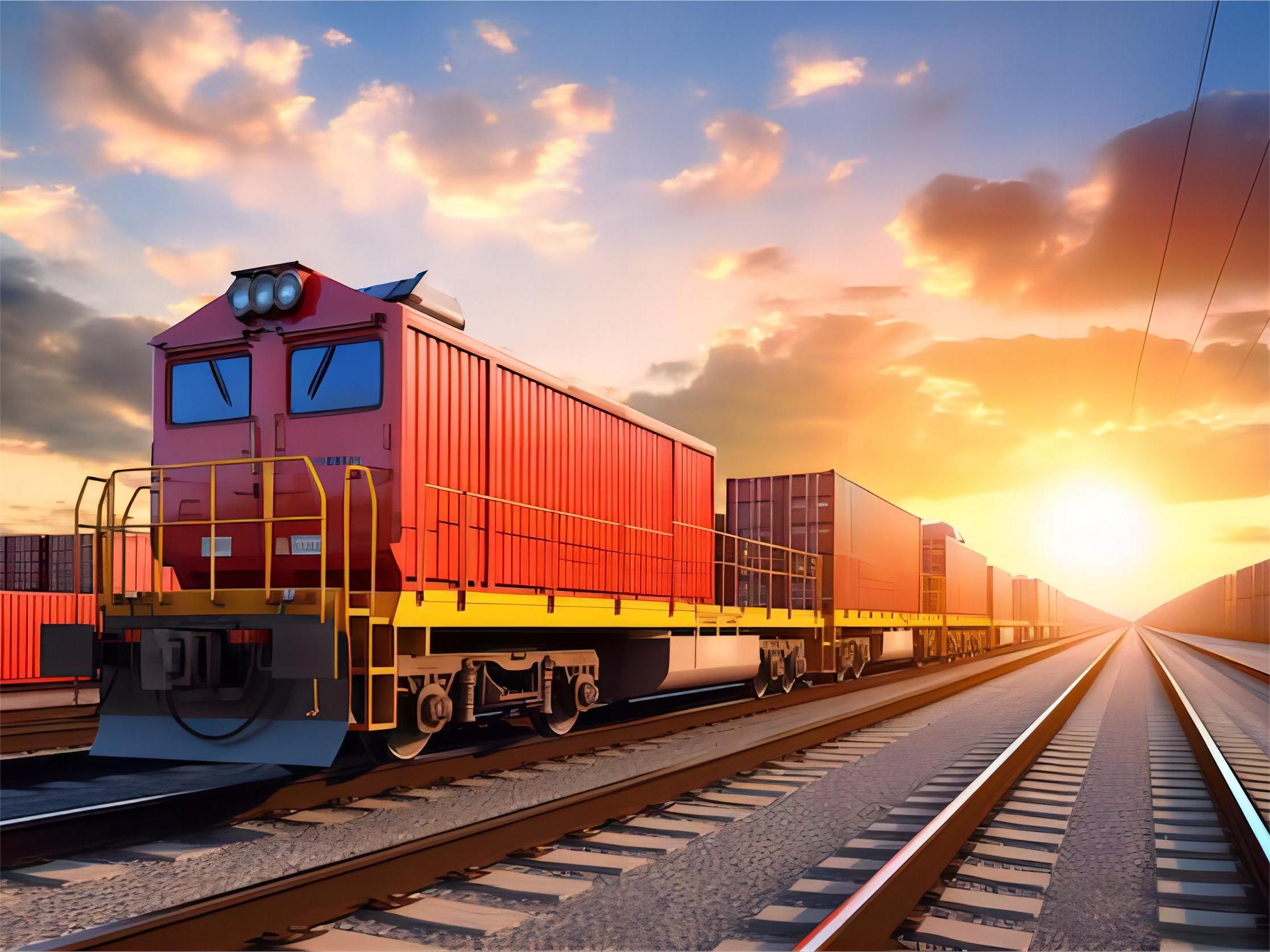
Determining the best logistics strategy depends on your specific business priorities and the nature of the machinery. If your primary goal is cost reduction and you have a flexible schedule, the standard 40HQ FCL sea freight route is almost always the best choice. However, if you are facing a strict project deadline, considering a door to door rail service might be worth the additional investment. This option provides a faster transit time while still offering the protection of a full container.
Moreover, you should evaluate the volume of your shipments. If you regularly import machinery, establishing a long-term contract with a forwarder can provide more stable pricing and guaranteed space. Conversely, for one-off shipments, spot market rates might offer temporary savings but come with higher risks of roll-overs. Ultimately, the 40HQ FCL booking process for machinery from China to Netherlands should be tailored to your risk tolerance and operational requirements.
Final Thoughts on Shipping Machinery to the Netherlands
Successfully managing the 40HQ FCL booking process for machinery from China to Netherlands requires a blend of careful planning and expert execution. By understanding the nuances of container selection, transit times, and customs requirements, you can significantly reduce the complexity of your international logistics. Remember that the cheapest option is not always the best, especially when dealing with high-value industrial equipment that requires specialized handling.
Furthermore, staying informed about market trends and maintaining open communication with your freight forwarder will help you navigate any challenges that arise. Whether you are importing a single machine or an entire production line, the 40HQ FCL booking process for machinery from China to Netherlands remains a cornerstone of efficient trade between these two major economic regions. Focus on quality, compliance, and reliability to achieve long-term success in your importing business.
Ready to streamline your logistics?
Streamline your 40HQ FCL booking process for machinery from China to Netherlands today. Contact our expert logistics team to receive a personalized quote and ensure your heavy equipment arrives safely and on time. Visit our inquiry page to get started with a professional shipping partner.
Request Quote