

40GP FCL insurance for solar panels from China to California: Complete Guide
Shipping renewable energy components across the Pacific requires a robust risk management strategy to protect your financial investment. Securing comprehensive 40GP FCL insurance for solar panels from China to California ensures that your high-value cargo remains protected against unforeseen transit damages or loss. This specialized logistics route involves complex handling and long sea voyages that necessitate specialized coverage tailored for photovoltaic equipment.
Why Secure 40GP FCL Insurance for Solar Panels from China to California?
Solar panels are inherently fragile and sensitive to vibration, pressure, and moisture during long-distance ocean transit. Consequently, standard carrier liability rarely covers the full value of the equipment in the event of a major maritime incident. Therefore, obtaining a dedicated insurance policy is the only way to guarantee full financial recovery if the glass panels crack or the cells suffer micro-cracks.
Furthermore, the 40GP container size allows for efficient stacking, but it also increases the total value of the cargo within a single unit. As a result, a single loss event could result in hundreds of thousands of dollars in damages without proper coverage. Indeed, most professional importers consider this insurance a mandatory operating expense rather than an optional add-on.
How Does 40GP FCL Compare to Other Shipping Options?
Choosing the right shipping method depends on your budget, timeline, and the total volume of solar panels being imported. While sea freight remains the most popular choice for bulk shipments, other alternatives exist for different business needs. For instance, smaller shipments might utilize LCL, while urgent prototypes might require air freight services.
Moreover, the cost-benefit analysis favors FCL for large-scale solar projects due to the lower per-unit shipping cost. On the other hand, air freight offers unmatched speed but comes with a significantly higher price tag that can erode project margins. Additionally, direct sea routes to California are faster than transshipment options through third-party ports.
| Shipping Method | Cost Range | Transit Time | Best For |
|---|---|---|---|
| 40GP FCL | $2,500 – $3,500 | 14 – 18 Days | Large bulk orders |
| LCL Shipping | $50 – $90/CBM | 20 – 25 Days | Small test batches |
| Air Freight | $5 – $9/kg | 3 – 7 Days | Urgent replacements |
| 40HQ FCL | $2,800 – $3,800 | 14 – 18 Days | High-volume panels |
Understanding the Cost of 40GP FCL Insurance for Solar Panels from China to California
Insurance premiums for solar panels are typically calculated as a percentage of the total CIF value of the cargo. Specifically, most insurers charge between 0.1 percent and 0.3 percent of the invoice value plus ten percent. However, these rates can fluctuate based on the specific packing methods used and the historical claim record of the shipper.
Additionally, market data suggests that rates for renewable energy equipment have stabilized in early 2025 following previous supply chain disruptions. Nevertheless, shippers should always request a current quote to account for seasonal risk adjustments or changes in carrier safety ratings. Typical rates as of early 2025 reflect a competitive market for trans-Pacific routes.
Steps to Secure 40GP FCL Insurance for Solar Panels from China to California
First, you must provide a detailed commercial invoice and a comprehensive packing list to the insurance provider. These documents allow the insurer to assess the total risk and determine the appropriate premium for the voyage. Subsequently, ensure that the policy includes ‘All Risks’ coverage to protect against theft, water damage, and accidental breakage.
Second, coordinate with your freight forwarder to ensure the insurance certificate is issued before the vessel departs the loading port. This timing is critical because coverage must be in place before the cargo is handled by port authorities. Finally, verify that the policy covers the entire journey from the factory in China to the final destination in California.
The Importance of Professional Customs Brokerage
Navigating the import regulations in the United States requires expert knowledge of current tariffs and solar panel anti-dumping duties. Utilizing an experienced customs brokerage service ensures that all paperwork is filed correctly to avoid costly port storage fees. Furthermore, accurate documentation is essential if you ever need to file an insurance claim for damaged goods.
Indeed, many insurance claims are denied simply because the cargo was not properly declared or the values did not match the customs entry. Therefore, maintaining a seamless link between your logistics provider and your insurance agent is vital for risk mitigation. As a result, professional brokerage services provide an extra layer of security for your supply chain.
Benefits of Door to Door Logistics for Solar Shipments
Implementing a door to door shipping strategy minimizes the number of touchpoints where damage is likely to occur. Specifically, this method involves a single provider managing the cargo from the Chinese factory floor directly to the California job site. Consequently, the risk of mishandling during transfers between different carriers is significantly reduced.
Moreover, this integrated approach simplifies the insurance process by providing a clear chain of custody throughout the transit. If damage is discovered upon arrival, having a single point of contact makes the investigation and claim process much more efficient. In addition, it allows for better scheduling of local drayage and crane services at the destination.
Shipping to North America: California Port Analysis
California serves as the primary gateway for solar imports into North America, with the ports of Los Angeles and Long Beach handling the majority of volume. These ports offer advanced infrastructure for containerized cargo but can occasionally face congestion during peak seasons. Therefore, planning your shipment arrival outside of the Q4 peak can help reduce delays and associated costs.
Furthermore, the proximity of these ports to major solar markets in the Mojave Desert and Central Valley makes them ideal for logistics efficiency. However, shippers must stay informed about local labor trends and port productivity metrics that might impact transit times. In contrast to East Coast ports, the California route offers the shortest sea transit time from major Chinese hubs like Shanghai or Ningbo.
Real-World Case Studies for Solar Panel Logistics
Case Study 1: High-Efficiency Module Shipment. Route: Ningbo, China to Los Angeles, USA. Cargo: 600 Solar Panels, 72 CBM. Container: 40GP FCL. Shipping Details: Direct service via COSCO. Total Landed Cost: 4,200 USD excluding duties. Sea Transit: 15 days. Key Insight: Professional packing and ‘All Risks’ insurance prevented losses despite heavy weather during the crossing.
Case Study 2: Commercial Solar Array Project. Route: Shanghai, China to Long Beach, USA. Cargo: 750 Solar Panels, 78 CBM. Container: 40GP FCL. Shipping Details: Direct service via Maersk. Total Landed Cost: 4,550 USD including insurance. Sea Transit: 16 days. Key Insight: Using a single door-to-door provider reduced handling risks and streamlined customs clearance at the Port of Long Beach.
Which Option Should You Choose?
If your priority is cost-effectiveness for a large project, the 40GP FCL remains the industry standard for solar panel imports. On the other hand, if you are testing a new supplier with a small batch, LCL might be more appropriate despite higher per-unit risks. Furthermore, always prioritize ‘All Risks’ insurance coverage regardless of the container size to ensure comprehensive protection.
Budget-conscious importers should focus on direct routes to California to minimize transit time and handling fees. Meanwhile, those with urgent deadlines might consider hybrid sea-air solutions if direct air freight is too expensive. Ultimately, the best choice balances the value of the cargo with the required speed of delivery and the level of risk tolerance.
Market Intelligence and Price Reference
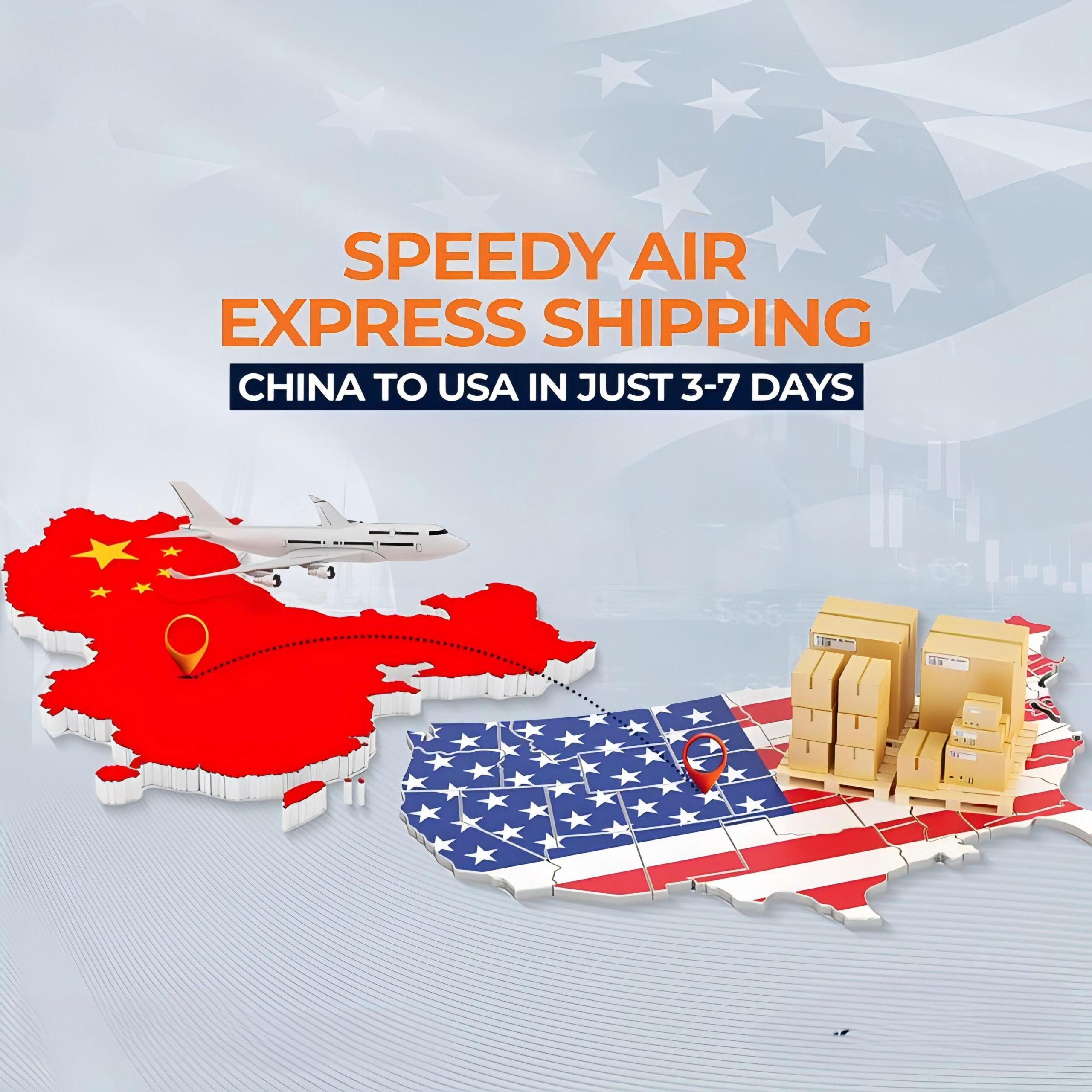
According to industry benchmarks, freight rates for the China to California route have remained relatively stable as of Q1 2025. Specifically, shippers can expect to pay between 2,500 and 3,500 USD for a 40GP container depending on the carrier and departure city. Moreover, seasonal variations typically see a price increase of 15 to 25 percent during the August to October period.
Note: Freight rates are subject to change based on fuel costs, carrier capacity, and seasonal demand. Contact us for a current quote tailored to your specific shipment. Market data suggests that early booking and flexible departure dates can lead to significant cost savings for savvy importers.
Final Thoughts on Solar Panel Cargo Protection
In summary, the complexities of international logistics make 40GP FCL insurance for solar panels from China to California an essential component of a successful import business. By understanding the risks associated with ocean transit and choosing the right insurance coverage, you can safeguard your company against significant financial loss. Moreover, partnering with experienced logistics providers ensures that your panels arrive safely and on schedule.
Furthermore, the combination of professional customs brokerage and door-to-door services provides the highest level of security for your supply chain. As the demand for renewable energy continues to grow in California, maintaining a resilient and insured logistics pipeline will remain a competitive advantage. Therefore, always prioritize comprehensive cargo protection to ensure the long-term success of your solar installations.
Ready to streamline your logistics?
Protect your renewable energy investment today by securing the most reliable 40GP FCL insurance for solar panels from China to California. Our team of logistics experts is ready to provide you with a comprehensive quote that covers every mile of your cargo’s journey. Visit our website to request a personalized shipping and insurance consultation for your next solar project. Send Inquiry to get started with a professional freight forwarder.
Request Quote