

40GP FCL container shortage solution for electronics from China to Spain
Finding a reliable 40GP FCL container shortage solution for electronics from China to Spain is now a critical task for European importers. High demand for consumer tech and global logistical disruptions have made standard equipment scarce at major Chinese ports. By partnering with a Top China Forwarder, businesses can navigate these challenges through strategic planning and alternative equipment sourcing. This guide explores how to maintain your delivery schedules despite the current equipment crunch.
Why Is There a 40GP FCL Container Shortage for Electronics?
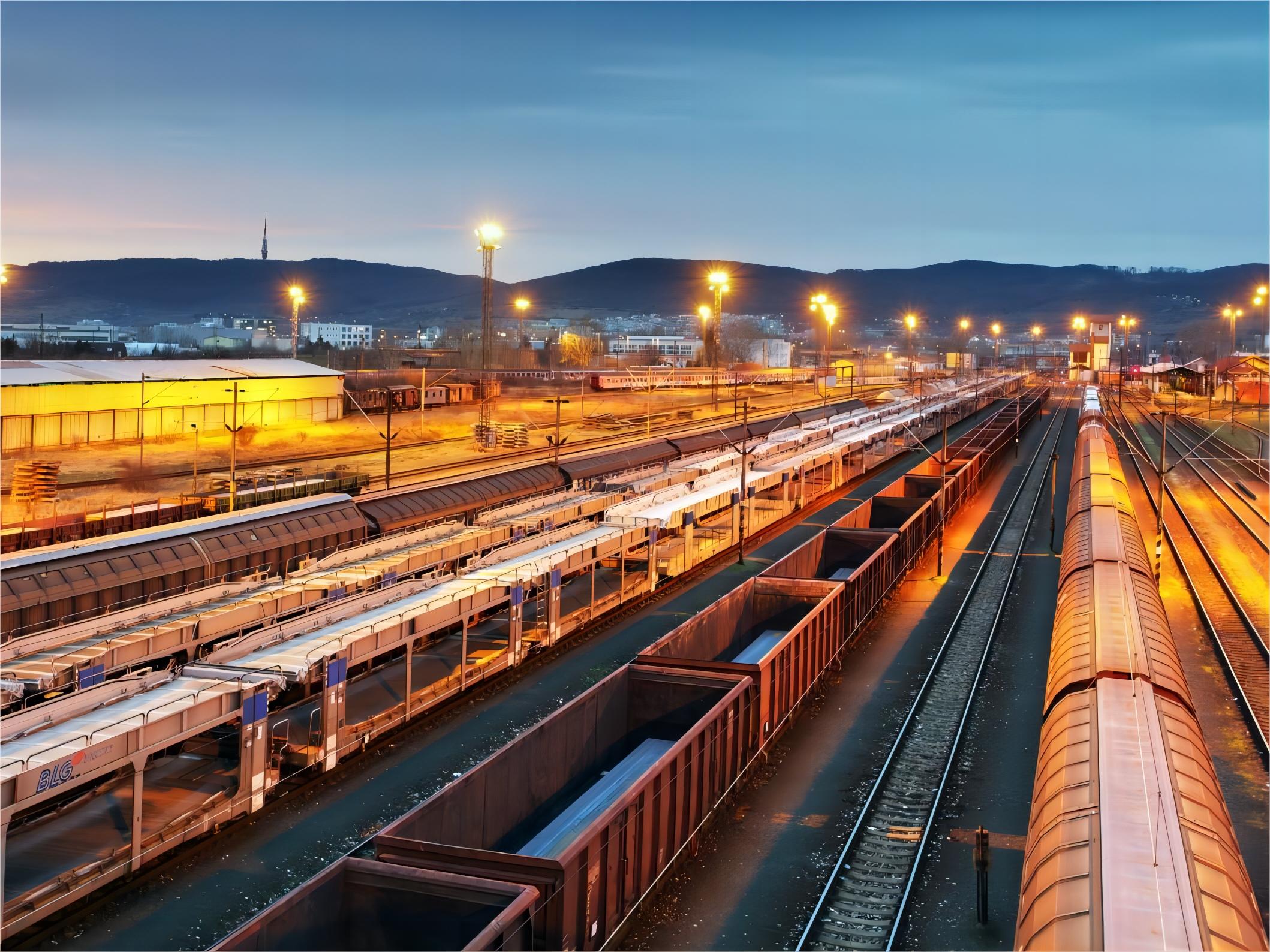
Several factors contribute to the current equipment scarcity affecting the China to Spain route. Primarily, the surge in global e-commerce demand has led to a massive imbalance in container distribution. Moreover, port congestion in major hubs like Shanghai and Ningbo often prevents the timely return of empty 40GP units.
Electronics manufacturers typically prefer the 40GP container due to its ideal dimensions for palletized tech goods. However, when these units are stuck in North American or other European ports, the supply in China drops significantly. Consequently, freight rates fluctuate as shippers compete for the limited available inventory.
Additionally, seasonal peaks such as the lead-up to Black Friday and the Christmas season exacerbate the problem. During these times, carriers often prioritize high-volume contracts, leaving smaller electronics exporters searching for an immediate 40GP FCL container shortage solution for electronics from China to Spain.
How Does 40GP FCL Compare to Other Shipping Options?
Understanding the landscape of available logistics methods is essential when standard containers are unavailable. While sea freight remains the most cost-effective choice, it is not the only way to move electronics to Spain. Different modes offer varying levels of speed, security, and cost-efficiency.
For instance, air freight provides unmatched speed but comes at a significantly higher price point. On the other hand, rail freight offers a middle ground that has become increasingly popular for high-value electronics. Shippers must weigh these factors against their specific budget and inventory requirements.
The following table provides an objective analysis of the primary shipping methods available for this specific route. Use this data to determine which alternative fits your current supply chain needs during a container crunch.
| Shipping Method | Cost Range | Transit Time | Best For |
|---|---|---|---|
| 40GP Sea FCL | $2,800 – $3,800 | 30-40 Days | Bulk Electronics |
| 40HQ Sea FCL | $3,000 – $4,200 | 30-40 Days | High Volume Goods |
| Air Freight | $15,000+ | 5-8 Days | Urgent Shipments |
| Rail Freight | $4,500 – $6,500 | 18-24 Days | Time-Sensitive Tech |

Top Solutions for the 40GP FCL Container Shortage
One effective strategy involves switching from 40GP to 40HQ (High Cube) containers. Although 40HQ units are slightly more expensive, they are often more readily available in carrier inventories. Furthermore, the extra foot of height allows for more cargo, which can lower the per-unit shipping cost.
Another viable option is utilizing door to door services that combine multiple transport modes. These services often include flexible equipment sourcing as part of the package. Consequently, the forwarder takes on the burden of finding available containers across different port terminals.
Exporters should also consider LCL (Less than Container Load) shipping for smaller electronics batches. While it involves sharing space with other shippers, it bypasses the need for a dedicated 40GP unit. This approach ensures that your products keep moving even when full containers are out of stock.
The Role of Rail Freight as an Alternative
In recent years, rail freight has emerged as a powerhouse for China-Europe trade. This method is particularly suitable for electronics because it offers a smoother ride with less vibration than sea travel. Moreover, the transit time to Spain is roughly half that of traditional ocean shipping.
Rail services typically utilize specialized containers that are managed separately from the ocean-going 40GP pool. Therefore, when sea containers are in short supply, rail often remains a stable alternative. This reliability makes it a cornerstone of any 40GP FCL container shortage solution for electronics from China to Spain.
Which Option Should You Choose?
Selecting the right strategy depends on your specific business priorities and the nature of your electronics cargo. If your primary goal is cost reduction, staying with sea freight while opting for 40HQ or LCL is usually the best path. However, if your stock levels are dangerously low, the speed of air or rail is worth the investment.
Regarding the cargo type, lithium-battery-powered devices require specific certifications and handling. Not all shipping methods or container types are equally equipped to handle these hazardous materials. Always verify with your logistics partner that your chosen 40GP FCL container shortage solution for electronics from China to Spain complies with safety regulations.
Volume thresholds also play a major role in this decision-making process. For shipments under 15 CBM, LCL is almost always more economical than waiting for a 40GP container. Conversely, for large-scale distributions, securing a 40HQ or a dedicated rail block might be the only way to meet market demand.
Real Case Studies for Electronics Shipping
The following examples illustrate how different companies managed the equipment shortage during peak seasons. These cases reflect realistic market conditions and the strategies used to overcome logistics hurdles. Reviewing these scenarios can help you visualize the potential outcomes for your own shipments.
Case Study 1: Smartphone Components to Valencia
Route: Shenzhen, China to Valencia, Spain. Cargo: Smartphone screens and circuit boards, 28 CBM, 8,500 kg. Container: LCL (28 CBM). Shipping Details: Carrier: Major ocean carrier via transshipment in Singapore. Port of Loading: Shenzhen. Port of Discharge: Valencia.
Cost Breakdown: Ocean Freight: $2,100. Origin Charges: $450. Destination Charges: $600. Customs and Duties: $1,200. Total Landed Cost: $4,350. Timeline: Booking to Loading: 4 days. Sea Transit: 34 days. Customs Clearance: 2 days. Total Door-to-Door: 40 days. Key Insight: Using LCL allowed the shipper to move goods immediately instead of waiting 3 weeks for a 40GP unit.
Case Study 2: High-End Laptops to Barcelona
Route: Shanghai, China to Barcelona, Spain. Cargo: Premium laptops, 65 CBM, 12,000 kg. Container: 40HQ (Solution for 40GP shortage). Shipping Details: Carrier: COSCO Direct Service. Port of Loading: Shanghai. Port of Discharge: Barcelona.
Cost Breakdown: Ocean Freight: $3,650. Origin Charges: $500. Destination Charges: $700. Customs and Duties: $4,500. Total Landed Cost: $9,350. Timeline: Booking to Loading: 7 days. Sea Transit: 31 days. Customs Clearance: 3 days. Total Door-to-Door: 41 days. Key Insight: Opting for a 40HQ container provided the necessary space and availability that 40GP lacked at the time.
Customs and Documentation for Electronics in Spain
Importing electronics into Spain requires meticulous attention to documentation and compliance. Spanish customs authorities are particularly strict regarding CE marking and safety certifications for electronic devices. Failure to provide the correct paperwork can lead to expensive storage fees and delivery delays.
Utilizing a professional customs brokerage service is highly recommended for electronics importers. These experts ensure that all HS codes are correctly applied, which directly impacts the duties and taxes you will pay. Furthermore, they can help navigate the specific VAT requirements for the Spanish market.
To streamline the process, prepare your commercial invoice, packing list, and Bill of Lading well in advance. Having these documents ready allows for pre-clearance in many cases, which significantly reduces the time your cargo spends at the port. This efficiency is vital when you are already dealing with a 40GP FCL container shortage solution for electronics from China to Spain.
| Document Type | Purpose | Required For | Timeline |
|---|---|---|---|
| Commercial Invoice | Value Declaration | Customs/Tax | Before Departure |
| Packing List | Content Detail | Inspection | Before Departure |
| CE Certificate | Safety Compliance | EU Entry | At Manufacturing |
| Bill of Lading | Title of Goods | Delivery | After Loading |
Cost Analysis and Market Trends for 2025
As we move into 2025, freight rates from China to Europe are expected to stabilize, though equipment shortages may persist. Market data suggests that rates for 40GP and 40HQ containers will remain within the $2,800 to $4,500 range depending on the season. Consequently, budgeting for these fluctuations is essential for maintaining profit margins.
Industry average for the China to Spain route indicates that direct sailings are roughly 15 percent more expensive than transshipment options. However, for high-value electronics, the reduced risk of damage during handling often justifies the higher cost. Shippers should monitor fuel surcharges and peak season surcharges closely.
Note: Freight rates are subject to change based on fuel costs, carrier capacity, and seasonal demand. Contact us for a current quote tailored to your specific shipment. Staying informed about these logistics trends allows you to adjust your 40GP FCL container shortage solution for electronics from China to Spain as market conditions evolve.
Optimizing Your Supply Chain for Future Shortages
Proactive planning is the best defense against future container shortages. By establishing long-term relationships with forwarders, you gain better access to equipment during times of scarcity. Moreover, diversifying your shipping ports in China can provide more options when one hub is congested.
Implementing a multimodal strategy is another way to build resilience. For example, using air freight for small, high-margin components while shipping bulk items by sea ensures that production never stops. This balanced approach mitigates the risks associated with any single transport mode.
Indeed, the logistics landscape is constantly changing. Businesses that adapt by using data-driven decision-making and flexible shipping methods will always have a competitive edge. Finding a 40GP FCL container shortage solution for electronics from China to Spain is not just about solving a current problem, but about building a better supply chain for the future.
Final Thoughts on Securing Container Space
Successfully navigating a 40GP FCL container shortage solution for electronics from China to Spain requires a combination of flexibility and expert local knowledge. Whether you choose to upgrade to 40HQ units, utilize rail freight, or pivot to LCL shipping, the key is to act quickly and stay informed.
By understanding the market trends and leveraging the right shipping alternatives, you can protect your electronics supply chain from the impact of equipment scarcity. Remember that the cheapest option is not always the most reliable, especially when dealing with high-value tech goods that demand timely delivery.
Ready to streamline your logistics?
Are you struggling to find equipment for your next shipment? Contact our expert team today to secure a reliable 40GP FCL container shortage solution for electronics from China to Spain and keep your business moving forward.
Request Quote