

20GP FCL Detention Prevention for Lighting from China to Italy: Expert Guide
Managing international logistics requires precision, especially when handling 20GP FCL detention prevention for lighting from China to Italy. Importers often face unexpected costs at Italian ports due to paperwork errors or logistics bottlenecks. Top China Forwarder provides the expertise needed to navigate these complex maritime regulations. This guide offers actionable strategies to streamline your lighting shipments and protect your bottom line.
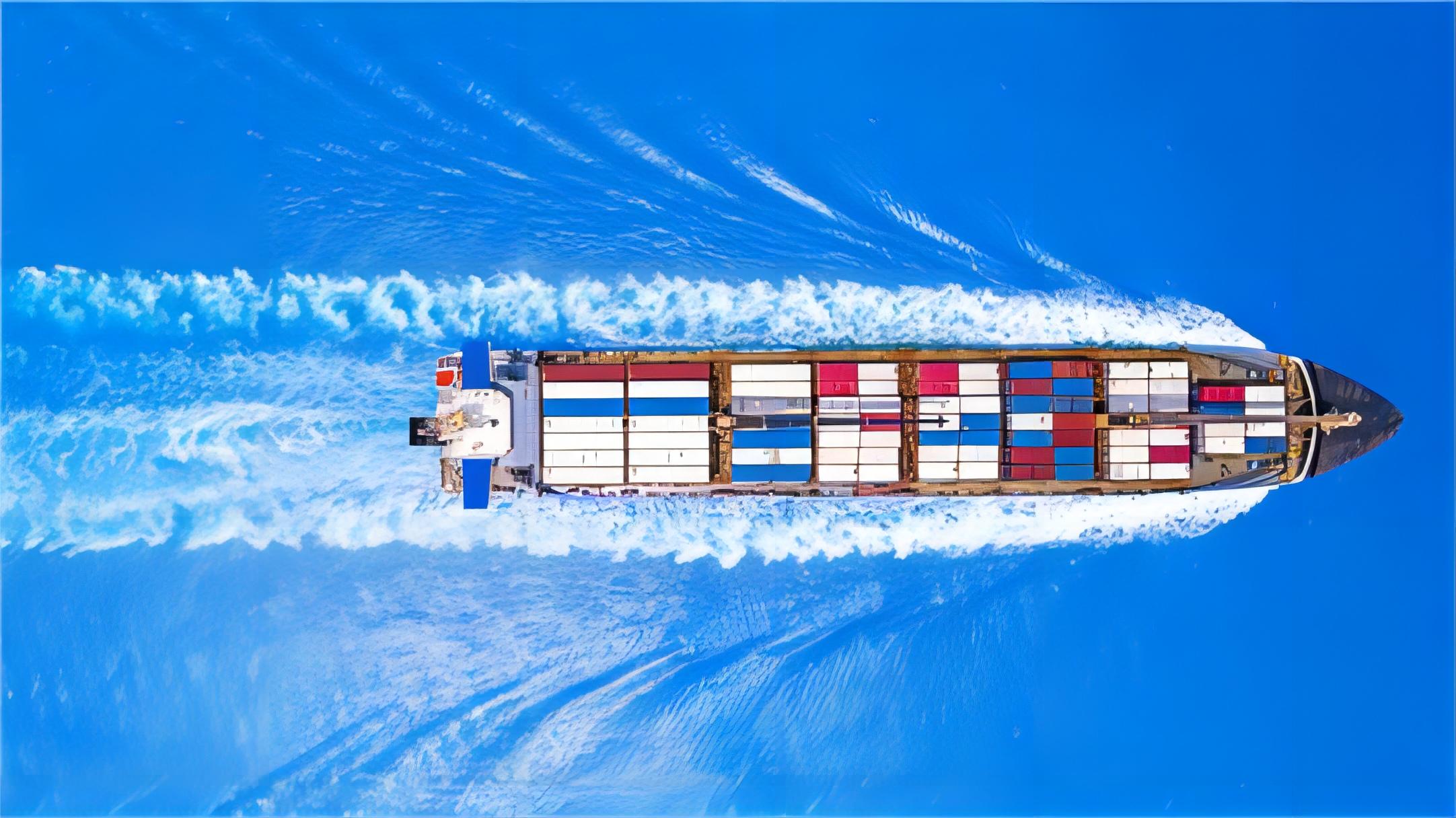
Understanding 20GP FCL Detention for Lighting Shipments
Detention charges occur when a container is held outside the port terminal beyond the agreed free time. For lighting products, this usually happens during the inland transport phase in Italy. Consequently, importers must understand the specific timeline allowed by carriers like MSC or COSCO.
Moreover, lighting fixtures are often fragile and require careful handling during destuffing. If the unloading process takes too long, the empty 20GP container cannot be returned to the depot on time. Therefore, planning the labor and warehouse space in advance is essential for cost control.

Additionally, many Italian warehouses have strict operating hours that can conflict with delivery schedules. If a truck arrives late on a Friday, the container might sit over the weekend, triggering daily fees. Without a doubt, proactive scheduling is the first step in effective 20GP FCL detention prevention for lighting from China to Italy.
Why Lighting Products Face Unique Risks in Italy
Lighting products exported from China must comply with strict European Union safety standards. For instance, the CE marking and RoHS compliance are mandatory for all electrical goods entering the Italian market. If documents are missing, customs will hold the container for inspection.
Furthermore, customs officials in ports like Genoa or La Spezia often prioritize inspections for electrical components. This scrutiny can lead to delays that eat into your container free time. As a result, having a robust customs brokerage strategy is vital.
In addition, lighting shipments often involve multiple SKUs with different tariff codes. An error in even one code can trigger a full physical inspection of the 20GP container. Meanwhile, the clock on your detention-free period continues to tick regardless of the delay cause.
Strategic 20GP FCL Detention Prevention for Lighting from China to Italy
The most effective way to prevent detention is to negotiate extended free time during the booking phase. Standard free time is usually 7 days, but you can often request 14 or 21 days for the sea freight leg. This buffer provides a safety net against unforeseen local delays.
Secondly, ensure all commercial invoices and packing lists are shared with the Italian consignee before the vessel departs China. Early document review allows for corrections while the cargo is still in transit. Consequently, you avoid the last-minute panic that often leads to container storage and detention.
Indeed, using a door to door service can simplify the entire process. A single provider manages both the ocean transit and the final mile delivery in Italy. This integration ensures that the return of the empty container is prioritized by the trucking company.

How Does Sea Freight Compare to Other Shipping Options?
While 20GP FCL is the standard for lighting, other modes of transport offer different advantages. For example, rail freight has become a popular alternative for shipments to Northern Italy. However, the cost structures and detention rules for rail differ significantly from ocean transport.
In contrast, air freight is much faster but carries a significantly higher price tag. It is usually reserved for high-value designer lighting or urgent project deadlines. To summarize, each method requires a different approach to time management and documentation.
Below is a comparison of the primary shipping methods available for the China to Italy route.
| Sea Freight (20GP) | $1,800 – $2,500 | 30 – 35 Days | Bulk Lighting Orders | Higher Detention Risk |
| Rail Freight | $3,500 – $5,000 | 18 – 22 Days | Mid-range Budget | Terminal Congestion |
| Air Freight | $8,000 – $12,000 | 5 – 7 Days | Urgent Samples | Very High Cost |
| Express Service | $100 – $500 (Small) | 3 – 5 Days | Spare Parts | Weight Limits |
Decision Framework: Which Option Should You Choose?
If your primary goal is budget optimization, 20GP FCL remains the most economical choice. However, you must account for the potential hidden costs of detention if your Italian warehouse is far from the port. For shipments to Milan or Turin, rail freight might offer a more predictable schedule.
On the other hand, if you are shipping to Europe for a seasonal launch, speed might outweigh cost. In such cases, choosing a carrier with the fastest transit time to Italy is better than choosing the cheapest. Always verify the carrier’s reputation for container release speed at the destination port.
Market data suggests that freight rates are subject to change based on fuel costs, carrier capacity, and seasonal demand. Contact us for a current quote tailored to your specific shipment. Industry average for this route typically peaks during the third quarter.
Real Case Studies for Lighting Shipments to Italy
Case Study 1: Shenzhen to Genoa. Cargo: LED Ceiling Lights, 18 CBM, 4500 kg. Container: 20GP. Shipping Details: MSC direct service from Yantian. Ocean Freight: $2,100. Origin Charges: $350. Destination Charges: $420. Customs: $1,200 (VAT/Duty). Total Landed Cost: $4,070. Sea Transit: 32 days. Total Door-to-Door: 42 days. Key Insight: Extended 14-day detention free time prevented costs when the warehouse had a labor strike.
Case Study 2: Ningbo to La Spezia. Cargo: Industrial Floodlights, 22 CBM, 6000 kg. Container: 20GP. Shipping Details: COSCO via Piraeus transshipment. Ocean Freight: $1,950. Origin Charges: $320. Destination Charges: $450. Customs: $1,500. Total Landed Cost: $4,220. Sea Transit: 38 days. Total Door-to-Door: 48 days. Key Insight: Pre-clearing customs 5 days before arrival saved 3 days of port storage and helped avoid detention.
Note: These rates are based on Q4 2024 market conditions. Freight rates are subject to change based on fuel costs, carrier capacity, and seasonal demand. Contact us for a current quote tailored to your specific shipment.
Cost-Saving Strategies and Documentation Checklist
To maximize savings, avoid shipping during the Golden Week or Lunar New Year holidays. During these periods, space is tight and carriers are less likely to grant extended free time. Furthermore, consolidate your lighting components into a single 20GP to avoid the higher per-unit costs of LCL.
Another effective strategy is to use a customs bond in Italy. This allows for faster cargo release even if the final duty payment is still being processed. Consequently, the container can leave the port faster, reducing the risk of exceeding the detention-free period.
Ensure your documentation includes the following: Commercial Invoice (clear descriptions), Packing List (accurate weights), Certificate of Origin, CE Compliance Declaration, and Bill of Lading. Missing any of these will almost certainly lead to detention charges.
Mastering Your Lighting Logistics
To summarize, successful 20GP FCL detention prevention for lighting from China to Italy requires a combination of early planning and expert partnerships. By understanding the causes of delays and negotiating favorable terms, you can significantly reduce your logistics overhead.
Indeed, the Italian market offers great opportunities for Chinese lighting manufacturers who can master the supply chain. Always stay updated on the latest customs regulations and shipping trends to maintain your competitive edge. With the right approach, you can ensure your products arrive on time and within budget.
Ready to streamline your logistics?
Stop wasting money on avoidable container fees today. Contact our experts to secure a customized 20GP FCL detention prevention for lighting from China to Italy strategy and get a competitive quote for your next shipment. Send Inquiry
Request Quote