

Table of Contents
As international supply chains become increasingly time-sensitive, companies across Europe are shifting toward trusted rail freight from China to Netherlands to ensure reliable shipping performance and reduced lead-time variability. Moreover, importers want predictable transit, efficient customs procedures, and cost-effective logistics that do not expose their shipments to port congestion or volatile air cargo pricing. Because rail freight offers this balance, it has grown into one of the most dependable modes for China–Europe trade.

Why Trusted Rail Freight From China to Netherlands Is Gaining Popularity
Because importers are under pressure to replenish inventory quickly while controlling costs, they naturally seek solutions that minimize risk and improve shipping time. Rail freight provides the ideal middle path, offering:
- Faster arrival than traditional sea freight
- Far lower cost than air transport
- Stable weekly departures
- Less disruption from port backlogs
- Smooth inland distribution across Europe
Additionally, rail logistics now benefit from modern terminals, stronger cross-border coordination, and expanded Belt and Road routes—making the service more dependable than ever.
Therefore, importing through rail freight gives businesses predictable delivery cycles, better inventory planning, and improved market responsiveness.
How the China–Europe Rail System Ensures Trusted Delivery Performance
Because the China–Europe rail system has expanded over the past decade, shipments now move across optimized inland corridors supported by modern handling stations and streamlined border procedures. Key Chinese rail freight origins include:
- Chongqing
- Yiwu
- Chengdu
- Xi’an
- Zhengzhou
- Wuhan
These hubs connect directly with major Dutch logistics gateways like Rotterdam, Tilburg, Venlo, and Amsterdam. Moreover, the Netherlands provides highly efficient rail-to-truck and rail-to-warehouse links, which reduces the overall delivery time into Belgium, Germany, France, and Scandinavia.
Therefore, importers gain access to a mature network that maintains reliability—even during volatile seasons.
What Routes Support Trusted Rail Freight to the Netherlands?
Because each route offers different strengths, businesses can choose based on shipping time, manufacturing location, and consolidation needs.
Main China → Netherlands Rail Corridors
- Yiwu → Tilburg
- Chongqing → Rotterdam
- Zhengzhou → Venlo
- Xi’an → Amsterdam
- Chengdu → Tilburg
- Wuhan → Rotterdam
Additionally, these corridors support both FCL (full container) and LCL (less-than-container) options—making rail freight accessible for importers of all sizes.
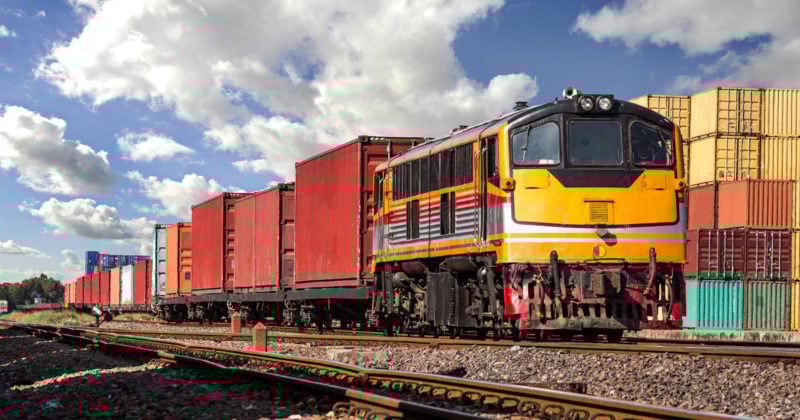
How Fast Is Rail Freight From China to the Netherlands?
Transit times generally range between 18 and 28 days, depending on origin, customs workload, and seasonal factors. Although minor fluctuation is possible, rail shipping remains far more consistent than ocean freight.
Table 1: Typical Transit Times (China → Netherlands)
| Route | Transit Time (Days) |
|---|---|
| Yiwu → Tilburg | 19–23 |
| Chongqing → Rotterdam | 18–22 |
| Zhengzhou → Venlo | 20–25 |
| Chengdu → Amsterdam | 22–28 |
| Xi’an → Rotterdam | 20–26 |
Because rail avoids overbooked ports, container shortages, and vessel rollovers, it gives importers significantly more predictability.
What Does Trusted Rail Freight From China to Netherlands Cost?
Because rail freight fills the gap between ocean and air in both price and performance, companies see it as a cost-efficient transport mode. Pricing varies based on cargo type, route selection, volume, and seasonal demand.
Table 2: Estimated Rail Freight Prices
| Service Type | Estimated Cost Range |
|---|---|
| LCL (per CBM) | USD 150–220 |
| FCL 40HQ | USD 6,200–7,800 |
| Sensitive Cargo Fee | USD 80–180 |
| Origin Handling | USD 30–60 |
| EU Terminal & Trucking | USD 40–110 |
Moreover, rail freight’s stability makes it easier for businesses to maintain consistent budgeting and avoid the unpredictable volatility of air cargo markets.
Which Cargo Types Benefit Most From Rail Freight?
Because rail freight provides stable, moderately fast transportation, it is suitable for a variety of industries:
- Electronics and computer accessories
- Automotive parts and machinery
- Apparel, footwear, and fashion goods
- E-commerce replenishment stock
- Home appliances
- Hardware and tools
- Packaged, non-hazardous chemicals
- Outdoor equipment and sporting goods
Additionally, rail freight reduces vibration compared to long ocean voyages, making it more suitable for semi-fragile goods.
How Rail Freight Strengthens Supply Chains in the Netherlands
Since the Netherlands is one of Europe’s top logistics hubs, trusted rail freight from China to Netherlands integrates seamlessly into its inland distribution system. Dutch rail terminals connect with:
- EU cross-border trucking
- Large bonded warehouses
- Fulfillment centers in Rotterdam, Venlo, and Tilburg
- Last-mile delivery networks across Benelux and Germany
Therefore, rail freight helps businesses:
- Reduce storage time
- Improve replenishment cycles
- Gain stronger visibility
- React faster to demand fluctuations
Additionally, rail shipments reduce exposure to maritime congestion—a major benefit for importers with urgent stock requirements.
What Documentation Do You Need for Smooth Rail Freight Clearance?
Because accurate documentation speeds customs processing, importers must prepare all paperwork in advance.
Table 3: Required Customs Documents
| Document | Purpose |
|---|---|
| Commercial Invoice | Declared value & product details |
| Packing List | Weight, dimension, and package info |
| HS Codes | Classification for EU tariffs |
| Certificate of Origin | Needed for select cargo types |
| Rail Waybill | Transport authorization document |
| EORI Number | Required for EU importers |
Proper documentation reduces the risk of inspection delays and ensures steady cargo flow through the EU entry point.
Why Work With a Trusted Freight Forwarder?
Although rail freight is reliable, the route coordination—customs handling, consolidation, and inland delivery—requires professional planning. Therefore, importers benefit greatly from working with an experienced freight forwarder.
A trusted forwarder provides:
- Optimized schedules and routing
- Professional customs preparation
- Real-time shipment tracking
- Risk reduction during transit
- Competitive pricing
- Door-to-door options
Furthermore, a forwarder ensures that each stage—from factory pickup to Dutch warehouse delivery—remains smooth and predictable.
How Top China Forwarder Helps Importers Ship With Confidence
As a leading logistics provider, Top China Forwarder offers trusted rail freight from China to Netherlands with:
- Multiple weekly China–Netherlands rail departures
- FCL and LCL consolidation
- Professional documentation & customs support
- Real-time tracking and proactive updates
- Door-to-door delivery across the Netherlands
- Competitive, transparent pricing
Moreover, our team minimizes delays by selecting the best origin hubs, optimizing loading plans, and managing every milestone until the shipment arrives safely.
Conclusion
Trusted rail freight from China to Netherlands provides importers with a powerful mix of reliability, speed, and cost efficiency. Moreover, the expanding China–Europe rail network helps businesses improve supply chain flow, reduce disruptions, and maintain stable lead times.
Because modern importers need predictable schedules and smooth customs experiences, rail freight has become a key logistics strategy for European businesses. And with a partner like Top China Forwarder, companies receive professional coordination, transparent communication, and fully optimized transport plans—ensuring every shipment arrives on time and in perfect condition.
Need a quote?
Ready to get started? Contact us now to request a free shipping quote.
Frequently Asked Questions (FAQ)
How long does railway shipping from China to Japan take?
Most routes offer two to five weekly departures, giving importers excellent scheduling flexibility.
Can I ship LCL cargo via rail freight?
Yes, LCL is ideal for mixed cartons or small shipments and helps companies avoid the cost of booking a full container.
Does rail freight avoid port congestion?
It does, since rail moves across inland corridors and bypasses busy maritime terminals.
Are high-value items safe on rail routes?
Yes. Rail freight has controlled handling processes and improved tracking, making it suitable for sensitive electronics.
What happens if customs selects my cargo for inspection?
Inspections result in short delays, but accurate documents significantly reduce the risk and speed up clearance.