

Trusted FCL Shipping from Shenzhen to Australia: Your Complete Guide
“Navigating international freight can be complex, especially when seeking trusted FCL shipping from Shenzhen to Australia. Businesses often face challenges with reliability, transit times, and unexpected costs. This comprehensive guide provides solutions for securing efficient and secure full container load shipments, ensuring your cargo arrives safely.”
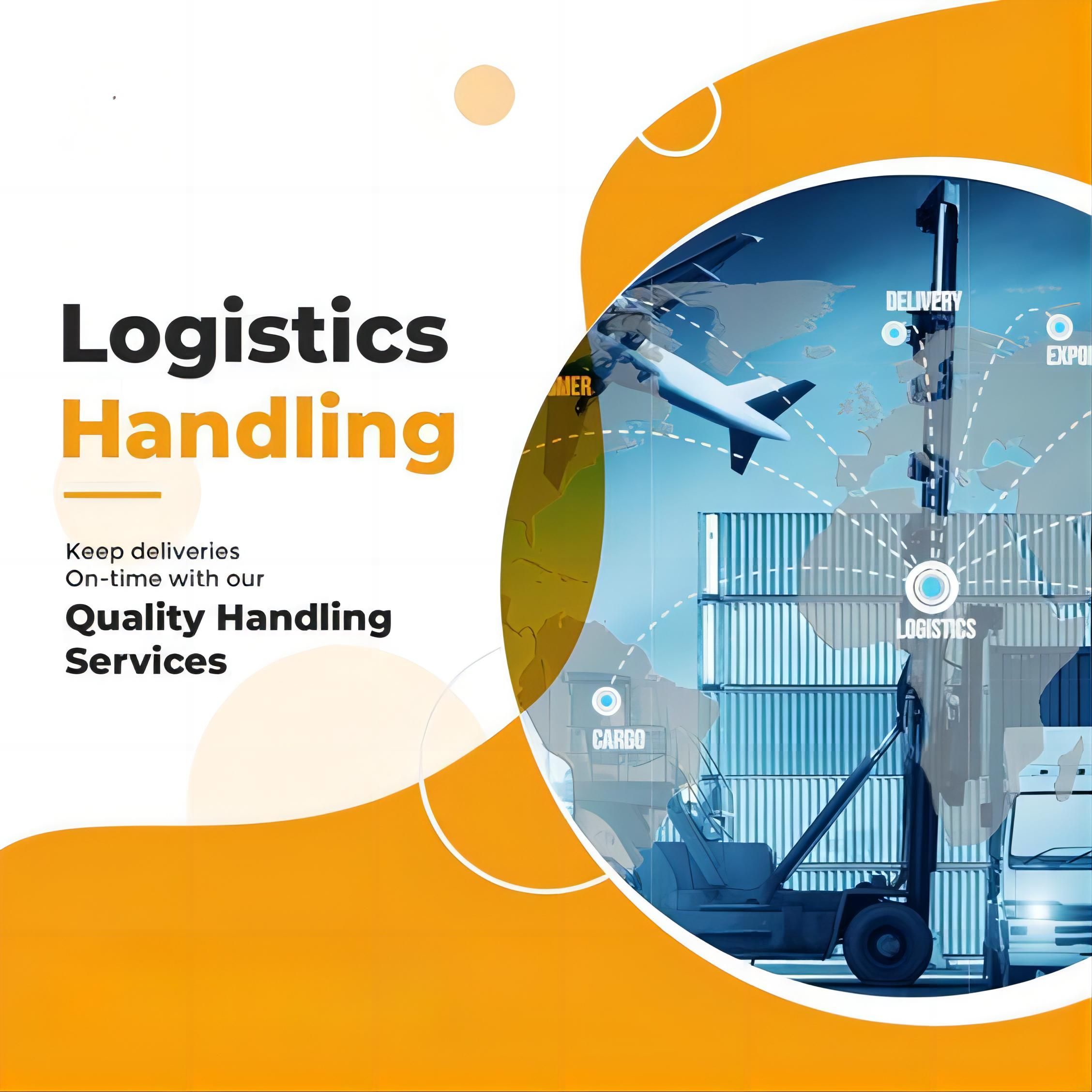
Why Choose Trusted FCL Shipping from Shenzhen to Australia?
❖Opting for Full Container Load (FCL) shipping offers significant advantages for businesses moving goods from Shenzhen to Australia. FCL means your cargo occupies an entire container, providing dedicated space and enhanced security. Consequently, this method reduces handling risks and minimizes delays associated with consolidating multiple shipments.
Furthermore, choosing a trusted forwarder ensures expert management of your logistics chain. Experienced professionals handle everything from port operations in Shenzhen to customs clearance in Australia. This comprehensive service guarantees a smoother import/export process, ultimately saving you time and resources.
Understanding FCL Shipping: What Does it Entail?
❖FCL shipping involves booking an entire container for your goods, regardless of whether it’s completely full. This approach is ideal for larger shipments that can utilize a 20-foot or 40-foot container. Indeed, it provides exclusive use of the container, thereby preventing co-mingling with other consignments.
The process typically begins with cargo pickup from your supplier in Shenzhen, followed by transport to the port. Subsequently, the container is loaded onto a vessel bound for Australia. Upon arrival, the container undergoes customs inspection before being delivered to its final destination. Therefore, understanding each step is crucial for successful delivery.
The Journey: Shenzhen to Australia FCL Shipping Routes and Transit Times
❖The primary FCL shipping routes from Shenzhen typically involve direct services or transshipment via major hubs. Direct routes offer faster transit times but might be slightly more expensive. Conversely, transshipment options can extend the delivery schedule but may provide more flexibility in carrier selection.
Common ports of discharge in Australia include Sydney, Melbourne, Brisbane, and Fremantle. Transit times for FCL shipments from Shenzhen to these ports generally range from 12 to 18 days for direct services. However, these times can vary based on the specific carrier, vessel schedule, and prevailing logistics trends. For instance, peak seasons or unforeseen port congestion can sometimes add several days to the journey.

Cost Factors in Trusted FCL Shipping from Shenzhen to Australia
❖Understanding the various cost components is vital for effective budget planning in FCL shipping. Ocean freight rates represent a significant portion of the total shipping costs, influenced by factors like fuel surcharges and carrier capacity. Moreover, local charges at both the port of loading (Shenzhen) and port of discharge (Australia) contribute to the overall expense.
Additionally, customs duties and taxes levied by Australian authorities are crucial considerations. These are calculated based on the cargo’s value and type. Finally, ancillary services such as cargo handling, trucking, and insurance also factor into the total landed cost. Therefore, obtaining a detailed quote from a reliable sea freight provider is highly recommended.
Note: Freight rates are subject to change based on fuel costs, carrier capacity, and seasonal demand. Contact us for a current quote tailored to your specific shipment.
| Cost Category | Description | Typical Range (USD) | Notes |
|---|---|---|---|
| Ocean Freight | Base cost for container transport | $1,400 – $2,000 (40HQ) | Shenzhen to major Australian ports (Q1 2025) |
| Origin Charges | Terminal Handling (THC), Documentation, Sealing | $200 – $400 | Paid at Shenzhen port |
| Destination Charges | THC, Delivery Order, Port Service | $300 – $600 | Paid at Australian port |
| Customs Brokerage | Clearance, tariff classification | $150 – $300 | Mandatory for Australian imports |
| Import Duties & Taxes | GST (10%), applicable duties | Variable (10-20% of CIF value) | Depends on product type and value |
| Trucking (Australia) | Port to final warehouse delivery | $200 – $800 | Depends on distance from port |
Navigating Customs and Documentation for Australian Imports
❖Successful FCL shipping to Australia hinges on meticulous customs compliance and accurate documentation. Australian customs regulations are stringent, requiring precise declarations and adherence to import guidelines. Consequently, any discrepancies can lead to significant delays and penalties.
A professional customs brokerage service is indispensable for navigating these complexities. They ensure all necessary permits and certificates are in order, from commercial invoices to packing lists and bills of lading. Without a doubt, proper documentation facilitates a smooth clearance process, minimizing disruptions to your supply chain.
| Document Type | Purpose | Issuing Party | Importance |
|---|---|---|---|
| Commercial Invoice | Details of goods, value, seller, buyer | Seller/Exporter | Crucial for customs valuation and duties |
| Packing List | Itemizes contents, weights, dimensions | Seller/Exporter | Aids in cargo verification and handling |
| Bill of Lading (B/L) | Contract of carriage, title to goods | Carrier/Forwarder | Legal document for cargo ownership and release |
| Certificate of Origin | Confirms country of manufacture | Chamber of Commerce | May qualify for preferential tariffs |
| Import Permit (if applicable) | Required for restricted goods | Australian Government Agency | Essential for specific regulated items (e.g., certain foods, chemicals) |
How Does FCL Shipping Compare to Other Shipping Options?
❖When considering shipping from China to Australia, FCL is just one of several options. It’s essential to compare it against alternatives like Less than Container Load (LCL) and Air Freight to determine the most suitable method for your specific needs. Each method presents a unique balance of cost, speed, and cargo handling characteristics.
For example, while air freight offers unparalleled speed, its cost can be prohibitive for bulky or heavy shipments. Conversely, LCL provides a cost-effective solution for smaller volumes, but it comes with longer transit times and increased handling. Therefore, understanding these trade-offs is key to making an informed decision about your logistics strategy.
| Shipping Method | Cost Range | Transit Time | Best For | Limitations |
|---|---|---|---|---|
| FCL Sea Freight | Low to Medium | 12-18 days | Large volume, heavy, non-urgent cargo; dedicated container security | Slower than air, requires full container volume |
| LCL Sea Freight | Low (per CBM) | 20-30 days | Small to medium volume cargo; cost-sensitive | Longer transit, more handling, potential for delays |
| Air Freight | High | 3-7 days | Urgent, high-value, perishable, or small, light cargo | High cost, weight/volume restrictions, environmental impact |

Which Shipping Option Should You Choose for Your Australia-Bound Cargo?
❖Selecting the optimal shipping method requires evaluating your priorities and cargo characteristics. Consider your budget, urgency, and the nature of the goods being transported. This decision framework helps streamline your logistics planning and ensures cost-efficiency.
If budget is your primary concern, FCL or LCL sea freight are typically the most economical options. However, if speed is paramount, air freight becomes the only viable choice, despite its higher cost. For instance, perishable goods or time-sensitive product launches necessitate faster transit. Ultimately, a balanced approach considers all these factors.
Budget Priority
For businesses prioritizing cost-effectiveness, FCL shipping offers excellent value for larger volumes. LCL is suitable for smaller shipments where you only pay for the space you use. Both options are significantly cheaper than air freight, especially for heavy or bulky items. Consider door-to-door services for a comprehensive cost package.
Speed Priority
When time is critical, air freight from Shenzhen is the fastest solution, typically delivering within 3-7 days. While more expensive, it ensures rapid market entry or replenishment. Conversely, FCL sea freight, despite being slower, offers predictable transit times once the vessel departs. Express service is another option for smaller, urgent parcels; learn more about express service solutions.
Cargo Type and Volume Considerations
The type and volume of your cargo heavily influence the best shipping method. Fragile or high-value goods often benefit from the dedicated space and reduced handling of FCL. For volumes exceeding 15-20 CBM, FCL generally becomes more economical than LCL. Conversely, very small shipments may be better suited for air freight or express couriers. Moreover, specialized cargo might require specific container types or handling, which FCL can accommodate.
Ensuring Reliability: Key Considerations for Trusted FCL Shipping
❖Achieving truly trusted FCL shipping from Shenzhen to Australia requires careful attention to several critical aspects. Selecting a reputable freight forwarder with a proven track record is paramount. Look for partners with strong relationships with major carriers and extensive experience on the China-Australia route. Indeed, their expertise directly impacts the reliability of your shipments.
Furthermore, robust communication and transparent tracking capabilities are essential. You should receive regular updates on your cargo’s status, from departure to arrival. Comprehensive cargo insurance also provides a vital safety net against unforeseen events, safeguarding your investment. These elements collectively contribute to a reliable and stress-free shipping experience.
Real-World Success: Case Studies in FCL Shipping to Australia
❖These real-world examples illustrate the practical application of trusted FCL shipping from Shenzhen to Australia. Each scenario highlights different cargo types, routes, and cost considerations, providing tangible insights into effective logistics management. Understanding these cases can help you benchmark your own shipping requirements and expectations.
Based on Q3 2024 market rates, these examples reflect typical logistics trends and pricing. Always remember that actual rates can fluctuate due to market conditions, fuel surcharges, and seasonal demand variations. Therefore, these figures should be used as a guideline for planning.
Case Study 1: Consumer Electronics to Sydney
| Detail | Description |
|---|---|
| Route | Shenzhen, China Sydney, Australia |
| Cargo | Consumer electronics (small appliances), 60 CBM, 15,000 kg |
| Container | 2 x 40HQ |
| Shipping Details | Carrier: COSCO, Port of Loading: Shenzhen, Port of Discharge: Sydney, Route Type: Direct |
| Cost Breakdown | Ocean Freight: $3,600, Origin Charges: $700, Destination Charges: $1,000, Customs & Duties (estimated): $2,500, Total Landed Cost: $7,800 |
| Timeline | Booking to Loading: 5 days, Sea Transit: 15 days, Customs Clearance: 3 days, Total Door-to-Door: 23 days |
| Key Insight | Efficient direct route minimized transit time, crucial for fast-moving electronics. Pre-cleared documentation prevented delays. |
Case Study 2: Furniture Shipment to Melbourne
| Detail | Description |
|---|---|
| Route | Shenzhen, China Melbourne, Australia |
| Cargo | Flat-pack furniture, 28 CBM, 8,000 kg |
| Container | 1 x 40GP |
| Shipping Details | Carrier: MSC, Port of Loading: Shenzhen, Port of Discharge: Melbourne, Route Type: Direct |
| Cost Breakdown | Ocean Freight: $1,600, Origin Charges: $350, Destination Charges: $550, Customs & Duties (estimated): $1,800, Total Landed Cost: $4,300 |
| Timeline | Booking to Loading: 7 days, Sea Transit: 17 days, Customs Clearance: 4 days, Total Door-to-Door: 28 days |
| Key Insight | Securing a 40GP container provided optimal space utilization for bulky, lightweight furniture. Careful packing was key to avoiding damage. |
Case Study 3: Textiles to Fremantle (Perth)
| Detail | Description |
|---|---|
| Route | Shenzhen, China Fremantle, Australia |
| Cargo | Apparel and textiles, 18 CBM, 5,000 kg |
| Container | 1 x 20GP |
| Shipping Details | Carrier: Maersk, Port of Loading: Shenzhen, Port of Discharge: Fremantle, Route Type: Transshipment via Singapore |
| Cost Breakdown | Ocean Freight: $1,200, Origin Charges: $300, Destination Charges: $450, Customs & Duties (estimated): $1,000, Total Landed Cost: $2,950 |
| Timeline | Booking to Loading: 6 days, Sea Transit: 22 days, Customs Clearance: 3 days, Total Door-to-Door: 35 days |
| Key Insight | Transshipment route offered a more competitive rate for this smaller FCL volume to Western Australia, balancing cost and extended transit time. |
Your Partner for Trusted FCL Shipping to Australia
Securing trusted FCL shipping from Shenzhen to Australia is fundamental for businesses aiming for efficiency and reliability in their supply chain. By understanding the intricacies of FCL, comparing options, and partnering with experienced professionals, you can confidently navigate the complexities of international logistics. Ultimately, a well-managed shipping strategy ensures your goods arrive on time and within budget.
Indeed, choosing the right logistics partner significantly impacts your overall success. Therefore, prioritize expertise, transparency, and comprehensive service to optimize your shipping operations. We are committed to providing seamless and reliable full container load solutions for your business needs.
Ready to streamline your logistics?
Ready to streamline your import process? Contact us today for a personalized quote on trusted FCL shipping from Shenzhen to Australia. Our team is prepared to offer expert guidance and tailored solutions for your unique cargo needs. Learn more at Top China Forwarder.
Request Quote