

Train Freight China to UK: The Ultimate Guide
Navigating international logistics can be complex, particularly when importing goods from China to the UK. While sea and air freight are common, train freight offers a compelling alternative for businesses seeking a balance of speed and cost-effectiveness. This comprehensive guide explores everything you need to know about shipping goods from China to the UK by train, helping you make informed decisions for your supply chain.

Why Consider Train Freight China to UK?
Train freight from China to UK has rapidly emerged as a viable solution for international trade. This method leverages the extensive Eurasian Land Bridge, offering significant advantages over traditional shipping routes. Consequently, many businesses are now exploring this option for their cargo.
Furthermore, rail transport provides a crucial middle ground between the slow, inexpensive nature of sea freight and the fast, costly characteristics of air freight. Therefore, it presents an optimal choice for various types of shipments. Moreover, it addresses specific supply chain needs effectively.
Understanding the China to UK Rail Route and Transit Times
The primary route for train freight China to UK is the New Silk Road, also known as the Eurasian Land Bridge. This extensive network connects major Chinese logistics hubs like Xi’an, Chongqing, and Chengdu with European destinations, including the UK. Transit typically involves passing through countries such as Kazakhstan, Russia, Belarus, Poland, Germany, and France.
Generally, the transit time China UK train freight ranges from 18 to 25 days, depending on the origin and destination points. This includes rail journey, customs clearance, and final delivery. Comparatively, this is considerably faster than sea freight which can take 30-40 days. However, it is slower than air freight which takes 5-7 days.
Moreover, direct services to the UK usually terminate at rail hubs like Duisburg or Łódź, then proceed via intermodal transport to UK ports or rail terminals. Therefore, understanding the full journey is crucial for accurate delivery schedule planning. Furthermore, careful coordination with your freight forwarder is essential.
Comparing China to UK Rail Freight Costs
China to UK rail shipping costs are typically more competitive than air freight but higher than sea freight. However, the exact cost depends on several factors, including cargo volume, weight, container type (FCL or LCL), and current market conditions. For instance, peak seasons or fuel surcharges can influence freight rates.
Generally, a 40ft container (FCL) from China to the UK by rail might cost between $8,000 and $12,000. Conversely, LCL (Less than Container Load) rates are calculated per cubic meter (CBM) or per 100 kg. LCL train freight China UK often becomes more economical for smaller shipments, especially those under 15 CBM. It is advisable to obtain a detailed quote for precise cost estimates.
Note: Freight rates are subject to change based on fuel costs, carrier capacity, and seasonal demand. Contact us for a current quote tailored to your specific shipment.
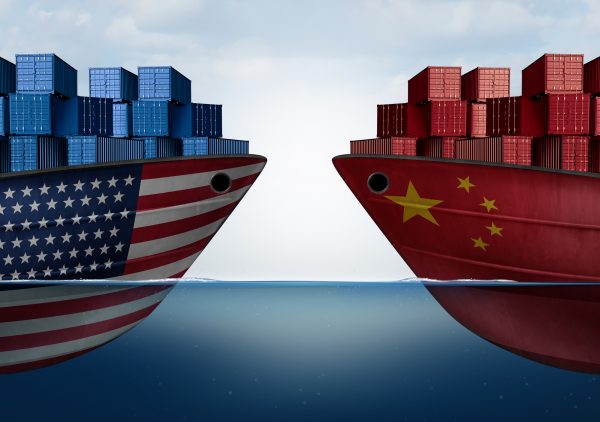
How Does Rail Freight Compare to Other Shipping Options?
Choosing the right shipping method from China to the UK is critical for supply chain efficiency. While train freight offers a unique balance, it is important to understand its position relative to sea and air options. Each method has distinct advantages and limitations regarding speed, cost, and capacity.
Consider your specific import/export needs and cargo type when evaluating these alternatives. For example, high-value, time-sensitive goods might warrant air freight, whereas bulk commodities often suit sea freight. Furthermore, hybrid solutions can sometimes offer the best of both worlds. Moreover, we provide comprehensive rail freight services to meet diverse requirements.
| Shipping Method | Cost Range (40HQ/CBM) | Transit Time (Days) | Best For | Limitations |
|---|---|---|---|---|
| Sea Freight | $3,500-4,500 (40HQ) | 30-40 | Large volumes, heavy goods, lowest cost | Slowest transit, port congestion risks |
| Rail Freight | $8,000-12,000 (40HQ) | 18-25 | Mid-speed, cost-effective for urgent goods | Less capacity than sea, not for all locations |
| Air Freight | $15,000-25,000 (Equivalent 40HQ) | 5-7 | Time-sensitive, high-value, small shipments | Highest cost, limited cargo size/weight |
| Express Service | Varies by package (e.g., $5-15/kg) | 3-5 | Small parcels, documents, e-commerce | Very high cost for bulk, weight limits |
Alternative Strategies and Decision Framework
For budget-priority shipments, sea freight remains the most economical option, albeit with longer transit times. Conversely, if speed is the paramount concern, air freight is unmatched for its rapid delivery. However, it comes at a premium cost. Therefore, a careful assessment of your priorities is essential.
Cargo type considerations also play a significant role. For instance, oversized or heavy machinery is generally better suited for sea transport. On the other hand, fragile or perishable goods might benefit from faster rail or air options. Additionally, hybrid solutions like sea-rail or air-rail combinations can optimize both cost and speed for specific routes. We also offer door-to-door services for seamless logistics.
Navigating Customs and Documentation for China to UK Rail Freight
Efficient customs clearance is paramount for seamless train freight China to UK operations. Both origin and destination customs procedures must be meticulously handled. Consequently, working with an experienced freight forwarder is highly recommended. They can ensure all necessary paperwork is prepared correctly.
Key documents typically include the commercial invoice, packing list, bill of lading (or CIM consignment note for rail), certificate of origin, and import/export licenses. Furthermore, compliance with UK import regulations and VAT requirements is essential. Our customs brokerage services streamline this complex process. Therefore, minimizing delays and potential penalties is achieved.
Real-World Scenarios: Train Freight China to UK Case Studies
To illustrate the practical applications and benefits of train freight, let’s examine a few real-world examples. These case studies highlight how businesses leverage rail services for their diverse shipping needs. They also demonstrate the efficiency and challenges involved in cross-continental logistics.
Based on Q3 2024 market rates, these scenarios reflect typical costs and transit times. However, actual rates can vary due to market fluctuations and specific service requirements. Therefore, always seek a current quote for your unique shipment. Additionally, port congestion or customs delays can occasionally impact timelines.
Case Study 1: E-commerce Retailer’s Seasonal Inventory
| Detail | Description |
|---|---|
| Route | Chongqing, China -> Felixstowe, UK |
| Cargo | Electronics accessories, 25 CBM, 4,500 kg |
| Container | LCL 25 CBM (shared 40HQ) |
| Shipping Details | Carrier: China Railway Express. Port of Loading: Chongqing. Port of Discharge: Duisburg (rail), Felixstowe (sea feeder). Route Type: Intermodal (Rail-Sea). |
| Cost Breakdown | Rail Freight: $8,500. Origin Charges: $450. Destination Charges: $600. Customs & Duties (estimated): $1,200. Total Landed Cost: $10,750. |
| Timeline | Booking to Loading: 5 days. Rail Transit: 20 days. Customs Clearance: 3 days. Total Door-to-Door: 28 days. |
| Key Insight | This LCL train freight China UK solution provided a cost-effective balance for seasonal inventory, arriving faster than pure sea freight and cheaper than air. The intermodal leg from Duisburg to Felixstowe was efficiently managed, avoiding direct rail to UK terminals which can be less frequent for LCL. |
Case Study 2: Industrial Components for Manufacturing
| Detail | Description |
|---|---|
| Route | Xi’an, China -> London Gateway, UK |
| Cargo | Automotive parts, 40HQ, 22,000 kg |
| Container | 40HQ (Full Container Load) |
| Shipping Details | Carrier: Major rail operator. Port of Loading: Xi’an. Port of Discharge: Hamburg (rail), London Gateway (sea feeder). Route Type: Intermodal (Rail-Sea). |
| Cost Breakdown | Rail Freight: $9,800. Origin Charges: $600. Destination Charges: $750. Customs & Duties (estimated): $2,500. Total Landed Cost: $13,650. |
| Timeline | Booking to Loading: 7 days. Rail Transit: 19 days. Customs Clearance: 4 days. Total Door-to-Door: 30 days. |
| Key Insight | For critical industrial components, the reliable freight forwarder ensured a stable supply chain. The rail-sea combination optimized for cost while still being faster than conventional ocean routes. However, a slight delay was encountered at the Hamburg transfer point due to port congestion, highlighting the need for buffer time. |
Optimizing Your Supply Chain with Train Freight
Integrating train freight from China to UK into your logistics strategy can significantly optimize your supply chain. This method offers enhanced predictability compared to sea freight, which is often subject to weather delays and port congestion. Consequently, businesses can plan their inventory more precisely.
Furthermore, rail transport is generally considered a more sustainable shipping option due to lower carbon emissions per ton-km compared to air freight. This aligns with growing global demand for eco-friendly logistics trends. Therefore, it not only improves efficiency but also supports corporate social responsibility initiatives. Moreover, our team can help you analyze if this is the best option for your specific needs.
The Future of China to UK Logistics: Embracing Rail Freight
In conclusion, train freight from China to UK offers a robust and increasingly popular solution for international shipping. It strikes an excellent balance between the speed of air freight and the cost-effectiveness of sea freight, making it ideal for a wide range of goods. Furthermore, its environmental advantages and growing reliability solidify its position as a key player in global logistics.
By understanding the routes, costs, and operational nuances, businesses can leverage this mode of transport to enhance their supply chain resilience and efficiency. Ultimately, partnering with an experienced freight forwarder like Top China Forwarder ensures a smooth and successful shipping experience. We are committed to providing reliable freight solutions for your cargo.
Start Your Shipment
Ready to explore the benefits of train freight from China to UK for your business? Our team of experts is here to provide tailored solutions and competitive quotes. Contact us today to optimize your shipping strategy and enhance your supply chain efficiency.
Request Quote