

Streamline China FCL DDP Shipping to Illinois
Embarking on the journey of importing from China to Illinois can present complex logistical challenges, particularly concerning Full Container Load (FCL) and Delivered Duty Paid (DDP) terms. Many businesses frequently grapple with managing intricate customs procedures, duty payments, and the crucial final mile delivery. This comprehensive guide, brought to you by Top China Forwarder, aims to demystify the entire process, ensuring a smooth, predictable, and highly efficient supply chain for your valuable cargo.
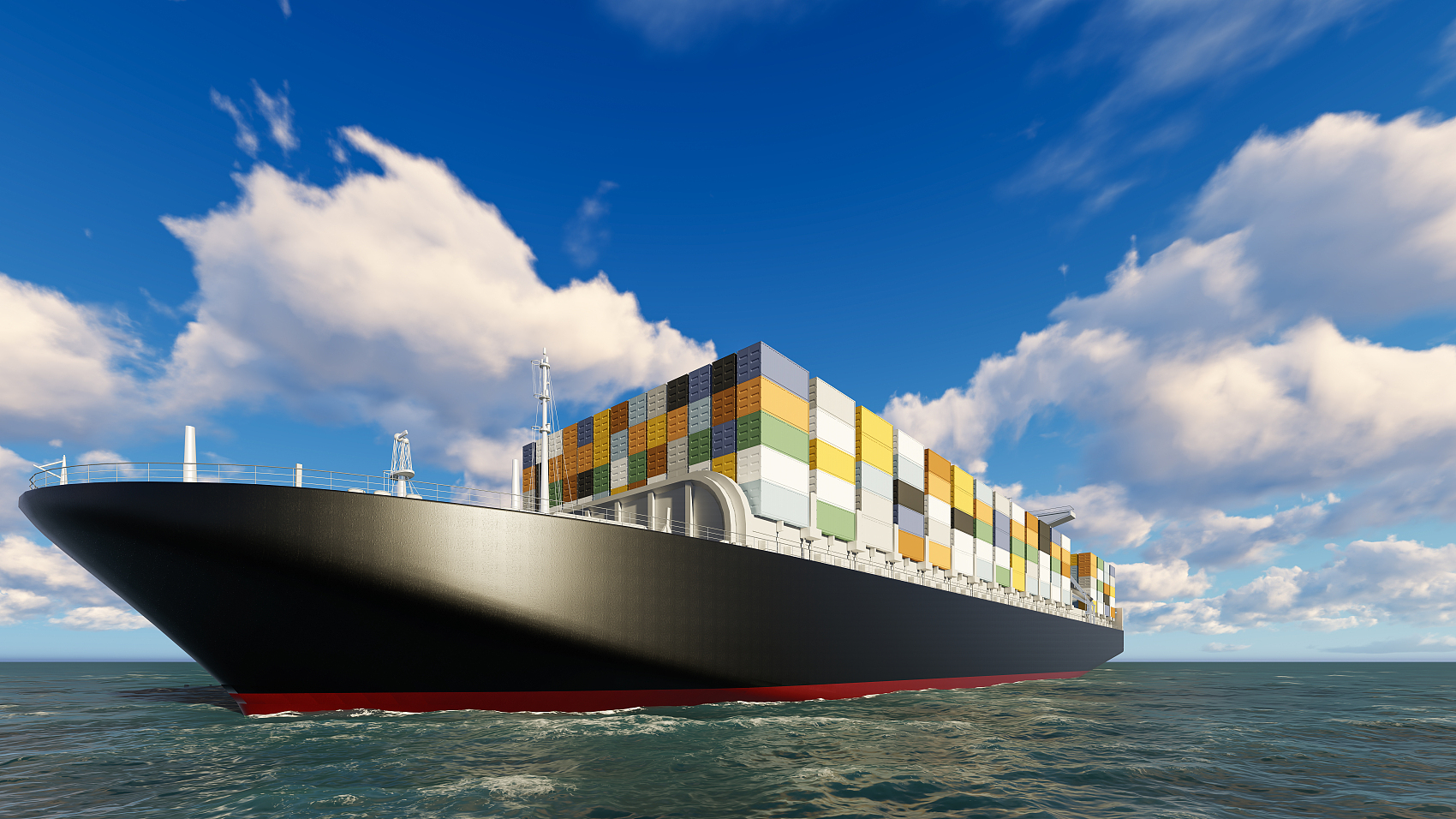
What is China FCL DDP Shipping to Illinois?
Understanding the core components of your shipping terms is paramount for successful international trade. FCL DDP shipping from China to Illinois represents one of the most comprehensive and hassle-free logistics solutions available to importers. It significantly simplifies the entire import process.
FCL, or Full Container Load, means your goods occupy an entire shipping container, typically a 20-foot or 40-foot unit. This method is ideal for larger volumes of cargo, offering enhanced security and often more favorable freight rates per unit compared to sharing container space.
DDP, Delivered Duty Paid, signifies that the seller (or their designated freight forwarder) assumes all responsibilities and costs associated with delivering the goods to your specified address in Illinois. This includes freight, insurance, customs clearance, and paying all duties and taxes. Consequently, you, as the buyer, receive your shipment with minimal direct involvement in the complex logistics chain.
Why Choose FCL for Your Shipments to Illinois?
Selecting Full Container Load (FCL) for your shipments to Illinois offers distinct advantages, particularly for businesses importing substantial volumes. This method provides unparalleled control and efficiency throughout the transit process. Moreover, it is generally the most cost-effective option for larger consignments.
Firstly, FCL shipments guarantee dedicated container space, meaning your cargo is not consolidated with other shippers’ goods. This significantly reduces handling and the risk of damage or misplacement, ensuring your products arrive in pristine condition. Furthermore, it often translates to faster transit times as there are no delays awaiting consolidation or deconsolidation.
Secondly, FCL offers superior security. Your container is sealed at the origin and typically remains untouched until it reaches its final destination in Illinois. This minimizes opportunities for theft or tampering. Therefore, for valuable or sensitive goods, FCL is often the preferred choice.
Finally, from a cost perspective, once your cargo volume exceeds approximately 15-20 cubic meters, FCL generally becomes more economical than Less than Container Load (LCL). You pay a flat rate for the entire container, which can lead to significant savings per unit as your volume increases. This makes FCL an astute financial decision for growing businesses.
Understanding the DDP Advantage for Illinois Importers
The Delivered Duty Paid (DDP) Incoterm simplifies the import process dramatically for businesses in Illinois. This shipping arrangement places nearly all responsibility on the seller or their chosen freight forwarder, providing a clear and predictable cost structure for the buyer. It truly offers a seamless, hands-off experience.
With DDP, the supplier handles every aspect of the shipment from their factory in China right to your doorstep in Illinois. This includes managing inland transportation at origin, ocean freight, destination port charges, customs brokerage, and crucially, the payment of all applicable import duties and taxes. As a result, you avoid any unexpected fees upon arrival.
This comprehensive service significantly reduces the administrative burden on the importer. You no longer need to worry about complex customs declarations, calculating tariffs, or coordinating multiple logistics providers. Consequently, DDP allows you to focus on your core business operations, rather than navigating international shipping complexities.
Furthermore, DDP provides excellent cost control and predictability. The total landed cost of your goods is known upfront, eliminating hidden charges and budgetary surprises. This transparency is invaluable for financial planning and accurate product pricing. Ultimately, DDP offers peace of mind and operational efficiency for your supply chain.
Key Steps in China FCL DDP Shipping to Illinois
Navigating the entire process of China FCL DDP shipping to Illinois involves several critical stages, each requiring meticulous attention. A reliable freight forwarder like Top China Forwarder manages these steps for you, ensuring a smooth journey from origin to destination. Understanding these phases helps in better planning.

The journey typically begins with cargo consolidation at the origin and pre-carriage to the port. Once goods are loaded onto the vessel, ocean transit commences, often taking several weeks. Upon arrival at a US port, the most complex phase of customs clearance and duty payment begins, all handled by the DDP provider. Finally, the cargo is delivered to your specified address in Illinois.
Therefore, choosing an experienced logistics partner is crucial. They will coordinate all these moving parts, from securing optimal sea freight rates to managing intricate paperwork. This expertise minimizes potential delays and ensures compliance with all international and local regulations. The goal is always a hassle-free, door-to-door delivery.
Origin Logistics and Export Clearance
This initial phase involves collecting your FCL cargo from the supplier’s factory in China and transporting it to the port of loading. It also includes essential export customs clearance procedures, ensuring all documentation complies with Chinese export laws. Proper handling here prevents delays later in the process.
Your forwarder will prepare necessary export declarations, obtain permits, and manage all local charges. The container is then loaded onto the vessel. This meticulous preparation at the origin sets the foundation for a successful international shipment.
Ocean Freight Transit
Once loaded, the container embarks on its ocean voyage from a major Chinese port (e.g., Shanghai, Ningbo, Shenzhen) to a US port (e.g., Los Angeles, Long Beach, Savannah, New York). The transit time varies significantly based on the chosen route and carrier. Direct services are generally faster but may be pricier.
During this stage, your forwarder monitors the vessel’s progress. They provide updates on estimated arrival times. This transparency keeps you informed about your cargo’s location, helping you plan for its arrival in Illinois.
Destination Logistics, Customs Clearance, and Duty Payment
Upon arrival at the US port, the DDP service truly shines. The freight forwarder handles all port charges, offloading, and the complex import customs clearance process. This includes filing ISF (Importer Security Filing) and customs entries, as well as paying all duties, taxes, and other government fees.
Crucially, under DDP terms, these costs are covered by the seller or their agent, meaning you face no unexpected bills from US Customs and Border Protection. This eliminates a significant source of stress and potential delays for importers. It is a key benefit of DDP shipping.
Moreover, the forwarder ensures compliance with all US import regulations, preventing penalties or seizures. They manage the release of your cargo from customs. This comprehensive service guarantees a smooth transition from port to inland transport.
Final Delivery to Illinois
After customs clearance, the container is transferred to an inland carrier for drayage to its final destination in Illinois. This could involve rail freight or truck transportation, depending on the distance and specific location within Illinois. The forwarder coordinates this last leg of the journey.
The DDP service includes this final delivery, ensuring your FCL shipment arrives directly at your warehouse or facility. This end-to-end management provides a true door-to-door solution, allowing you to receive your goods without any logistical headaches. The entire process is handled seamlessly.
How Does FCL DDP Compare to Other Shipping Options?
Choosing the right shipping method for your imports from China to Illinois is a critical decision that impacts cost, speed, and logistical complexity. While FCL DDP offers unparalleled convenience, other options might suit different business needs or cargo types. Therefore, understanding the alternatives is essential.
For instance, if speed is your absolute priority, air freight can deliver goods in days rather than weeks, albeit at a significantly higher cost. Conversely, if your cargo volume is small, Less than Container Load (LCL) sea freight might be more economical than FCL, despite longer transit times and more handling. Each method has its unique trade-offs.
Moreover, different Incoterms like FOB (Free On Board) or EXW (Ex Works) place more responsibility on the buyer. While potentially offering more control, these terms also require the importer to manage more aspects of the shipping process, including appointing forwarders, customs clearance, and duty payments. It is important to weigh the convenience of DDP against the potential cost savings or control offered by other options.
| Shipping Method | Cost Range (40HQ approx.) | Transit Time (China to Illinois) | Best For | Limitations |
|---|---|---|---|---|
| FCL DDP Sea Freight | $5,000 – $7,500 | 35-45 days | Large volumes, cost-efficiency, hassle-free | Slower than air, requires full container |
| LCL DDP Sea Freight | $300 – $600 per CBM | 40-55 days | Smaller volumes (under 15 CBM), cost-effective | Slower, more handling, less secure than FCL |
| Air Freight (DDP) | $10,000 – $25,000 | 5-10 days | Urgent, high-value, perishable goods | Very high cost, volume/weight restrictions |
| FOB Sea Freight (FCL) | $4,000 – $6,500 (plus destination costs) | 30-40 days | Large volumes, buyer control over destination | Buyer handles US customs, duties, and local delivery |
Alternative Strategies for Illinois Importers
For businesses with varying needs, several alternative strategies can be employed. If you have fluctuating cargo volumes, a hybrid approach combining FCL for core products and LCL for smaller, urgent replenishments might be optimal. This balances cost-efficiency with flexibility, adapting to market demands.
Consider utilizing FOB terms if you have a reliable customs broker and freight forwarder network in the US. This gives you greater control over destination charges and local delivery, potentially leading to cost savings if managed efficiently. However, it requires more hands-on involvement from your team.
Furthermore, for time-sensitive, high-value goods, combining sea freight for the bulk of your shipment with express service or air freight for critical components or samples can prevent production delays. This strategy ensures a nimble supply chain, allowing for quick adjustments when necessary. It is about balancing speed and cost effectively.
Which Option Should You Choose?
The optimal shipping solution largely depends on your priorities: budget, speed, cargo type, and volume. If budget is your primary concern and you have large, non-urgent shipments, FCL DDP is often the best choice, offering predictable costs and minimal hassle. It simplifies financial planning immensely.
However, if speed is paramount, especially for high-value or perishable goods, air freight or express service will be more suitable, despite the higher cost. For smaller volumes (under 15 CBM) where you still prioritize cost-effectiveness over speed, LCL sea freight can be a viable alternative to FCL, though it comes with more handling and potentially longer transit.
If you possess extensive in-house logistics expertise and prefer greater control over each segment of the shipping process, terms like FOB or EXW might be considered. These options allow you to select your own providers for different legs of the journey, potentially optimizing costs. Ultimately, align your choice with your specific business model and operational capabilities.
Navigating Customs and Compliance for Illinois Imports
Successfully importing goods into Illinois from China demands a thorough understanding of US customs regulations and compliance requirements. Incorrect documentation or non-compliance can lead to significant delays, fines, or even cargo seizure. Therefore, diligent preparation is absolutely crucial.
Key documents typically include the commercial invoice, packing list, bill of lading (for sea freight), and potentially a certificate of origin. Furthermore, depending on the product type, additional permits or licenses from agencies like the FDA, EPA, or FCC may be necessary. For instance, electronics, food products, and certain textiles have specific import requirements.
Under DDP terms, your freight forwarder manages these complexities on your behalf, acting as the importer of record. They ensure that Harmonized System (HS) codes are correctly applied, duties and taxes are accurately calculated and paid, and all necessary declarations are filed with US Customs and Border Protection (CBP). This expertise is invaluable in avoiding pitfalls.
It is also important to be aware of anti-dumping and countervailing duties (AD/CVD) that may apply to specific Chinese products. These can significantly impact the landed cost of your goods. Staying informed about trade policies and potential tariff changes is vital for strategic planning. Your DDP partner should provide guidance on these matters.
Typical Transit Times and Costs for China FCL DDP to Illinois
When planning your China FCL DDP shipping to Illinois, understanding typical transit times and associated costs is fundamental for effective supply chain management. These factors can fluctuate significantly based on market conditions, chosen carrier, and specific ports. Therefore, accurate forecasting is essential.
For FCL sea freight from major Chinese ports (e.g., Shanghai, Ningbo, Shenzhen) to a US West Coast port (like Los Angeles or Long Beach), port-to-port transit typically ranges from 14 to 20 days. Adding rail transit to Illinois and final truck delivery, the total door-to-door time often falls within 35 to 45 days. East Coast routes (e.g., via New York/New Jersey or Savannah) might see port-to-port times of 28-35 days, leading to a total of 40-50 days to Illinois.
Regarding costs, a 40HQ container via FCL DDP from China to Illinois can range from approximately $5,000 to $7,500. This comprehensive price includes ocean freight, origin charges, destination charges, customs brokerage, duties, taxes, and inland delivery to your Illinois address. These rates are based on current market trends as of early 2025, but are subject to change.
Several factors influence these costs, including fuel surcharges, peak season demand (e.g., Q3-Q4 before holidays), carrier capacity, and global events like port congestion. For example, Q4 peak season rates can be 15-25% higher than off-peak periods. Therefore, securing quotes in advance and maintaining flexibility are key strategies for managing costs effectively.
Note: Freight rates are subject to change based on fuel costs, carrier capacity, and seasonal demand. Contact us for a current quote tailored to your specific shipment.
Case Studies: Real-World China FCL DDP Shipping to Illinois
Examining real-world examples helps illustrate the practical application and benefits of China FCL DDP shipping to Illinois. These case studies highlight how businesses successfully manage their imports, overcoming common challenges and achieving efficient delivery. Each scenario demonstrates a unique aspect of the DDP service.
These examples reflect typical rates and timelines based on Q3 2024 to early 2025 market conditions. While specifics vary, the underlying principles of DDP convenience and cost predictability remain consistent. Understanding these scenarios can inform your own import strategy effectively.
Case Study 1: Automotive Parts Importer
| Detail | Description |
|---|---|
| Route | Ningbo, China Chicago, IL, USA |
| Cargo | Automotive spare parts, 60 CBM, 12,000 kg |
| Container | 1 x 40HQ |
| Shipping Details | Carrier/Service: COSCO (Major carrier); Port of Loading: Ningbo; Port of Discharge: Los Angeles (LA), then rail to Chicago; Route Type: Transshipment via LA |
| Cost Breakdown | Ocean Freight: $4,800; Origin Charges (THC, documentation): $450; Destination Charges (LA): $600; Rail to Chicago: $1,200; Drayage to warehouse: $400; Customs & Duties (estimated): $1,800; Total Landed Cost: $9,250 |
| Timeline | Booking to Loading: 5 days; Sea Transit: 18 days; Rail Transit: 7 days; Customs Clearance: 3 days; Total Door-to-Door: 33 days |
| Key Insight | DDP simplified the complex rail intermodal transfer and customs, ensuring critical parts arrived on schedule without unexpected fees for the Illinois distributor. |
Case Study 2: Retail Goods Distributor
| Detail | Description |
|---|---|
| Route | Shenzhen, China Springfield, IL, USA |
| Cargo | Seasonal retail clothing and accessories, 65 CBM, 8,000 kg |
| Container | 1 x 40HQ |
| Shipping Details | Carrier/Service: Maersk (Major carrier); Port of Loading: Shenzhen; Port of Discharge: Long Beach (LB), then rail to Chicago, truck to Springfield; Route Type: Transshipment via LB |
| Cost Breakdown | Ocean Freight: $5,100; Origin Charges (THC, documentation): $480; Destination Charges (LB): $650; Rail to Chicago: $1,250; Truck to Springfield: $550; Customs & Duties (estimated): $2,100; Total Landed Cost: $10,130 |
| Timeline | Booking to Loading: 7 days; Sea Transit: 20 days; Rail Transit: 8 days; Customs Clearance: 4 days; Total Door-to-Door: 39 days |
| Key Insight | The DDP service ensured timely delivery for peak season inventory, managing all tariffs and taxes, which was crucial for their retail launch deadlines. |
Case Study 3: Industrial Equipment Supplier
| Detail | Description |
|---|---|
| Route | Shanghai, China Peoria, IL, USA |
| Cargo | Small industrial machinery components, 25 CBM, 18,000 kg |
| Container | 1 x 20GP |
| Shipping Details | Carrier/Service: Evergreen (Major carrier); Port of Loading: Shanghai; Port of Discharge: Los Angeles (LA), then rail to Chicago, truck to Peoria; Route Type: Transshipment via LA |
| Cost Breakdown | Ocean Freight: $3,000; Origin Charges (THC, documentation): $400; Destination Charges (LA): $550; Rail to Chicago: $1,100; Truck to Peoria: $450; Customs & Duties (estimated): $1,500; Total Landed Cost: $7,000 |
| Timeline | Booking to Loading: 6 days; Sea Transit: 19 days; Rail Transit: 7 days; Customs Clearance: 3 days; Total Door-to-Door: 35 days |
| Key Insight | Despite the heavy weight of the 20GP, DDP managed all aspects, including specialized handling and complex duty calculations, providing a predictable landed cost. |
Optimizing Your Supply Chain: Tips for Illinois Importers
For Illinois businesses engaged in importing from China, continuous optimization of your supply chain is key to maintaining competitiveness and profitability. Even with DDP, proactive strategies can further enhance efficiency and reduce potential disruptions. Therefore, adopting best practices is highly recommended.
Firstly, selecting a highly reputable and experienced freight forwarder is paramount. Look for partners with a proven track record in China-US routes, specific expertise in DDP, and strong local networks in Illinois. Their knowledge of customs regulations and logistics trends can save you significant time and money. Furthermore, clear communication channels are essential.
Secondly, leverage technology for better visibility and control. Utilize tracking systems, predictive analytics, and digital platforms to monitor your shipments in real-time. This allows for proactive problem-solving and better inventory management, reducing the impact of unforeseen delays. Consequently, data-driven decisions improve overall efficiency.
Finally, strategic planning and forecasting are crucial. Anticipate peak seasons, holidays, and potential market disruptions well in advance. Consider building a buffer into your inventory or exploring alternative sourcing options to mitigate risks. Regular review of your logistics strategy ensures adaptability and resilience in an ever-changing global market.
Market Insights: Current Trends Affecting China to Illinois Shipping
The global shipping landscape is constantly evolving, and understanding current market trends is vital for any Illinois importer. Factors such as freight rates, capacity, and geopolitical events can significantly impact your China FCL DDP shipping to Illinois. Staying informed allows for better strategic adjustments.
As of early 2025, freight rates from China to the US have generally stabilized after the volatility experienced in 2021-2023, though they remain higher than pre-pandemic levels. Capacity is generally available, but major holidays in China (e.g., Chinese New Year) and peak shipping seasons (August-October) can still lead to temporary rate spikes and equipment shortages. Therefore, planning around these periods is crucial.
Geopolitical developments and trade policies also continue to influence shipping dynamics. Potential tariff changes or shifts in trade relations between the US and China could impact duty costs, directly affecting DDP pricing. Furthermore, global events like the Red Sea disruptions in late 2023 and early 2024 demonstrated how quickly shipping routes and transit times can be affected, even for seemingly distant routes.
Moreover, sustainability and environmental regulations are becoming increasingly important in the logistics sector. Carriers are investing in greener fleets, and new regulations may introduce surcharges or requirements for eco-friendly shipping practices. Partnering with a forwarder that prioritizes these aspects can align with your corporate values and future-proof your supply chain.
Your Trusted Partner for China FCL DDP Shipping to Illinois
In conclusion, mastering China FCL DDP shipping to Illinois is not just about moving goods; it’s about optimizing your entire supply chain for efficiency, cost-effectiveness, and peace of mind. The DDP model, combined with the volume advantages of FCL, offers an unparalleled solution for businesses seeking predictable landed costs and minimal logistical burdens. By understanding the process, comparing options, and staying informed about market trends, you can make strategic decisions that drive success.
Choosing an experienced freight forwarder like Top China Forwarder is paramount to navigating the complexities of international trade. Our expertise ensures seamless coordination from factory to final destination, handling all customs, duties, and transportation. We empower your business to focus on growth, knowing your imports are in capable hands. Let us be your reliable partner in achieving streamlined and successful China FCL DDP shipping to Illinois.
Get Your Shipping Quote Today
Ready to simplify your imports from China to Illinois? Let our experts handle every detail of your FCL DDP shipment, ensuring a smooth, cost-effective, and transparent process. Contact us today for a personalized quote and discover how hassle-free international logistics can be. Send us an inquiry to get started!
Request Quote