

Securing Your Shipment: 40GP FCL Insurance for Toys from China to Netherlands
“Importing toys from China to the Netherlands, especially in a 40GP Full Container Load (FCL), involves significant investment. Consequently, safeguarding this valuable cargo with robust insurance is paramount. This comprehensive guide from Top China Forwarder explores everything you need to know about 40GP FCL insurance for toys, ensuring peace of mind throughout the shipping process. We will delve into various aspects of securing your shipment effectively and efficiently.”
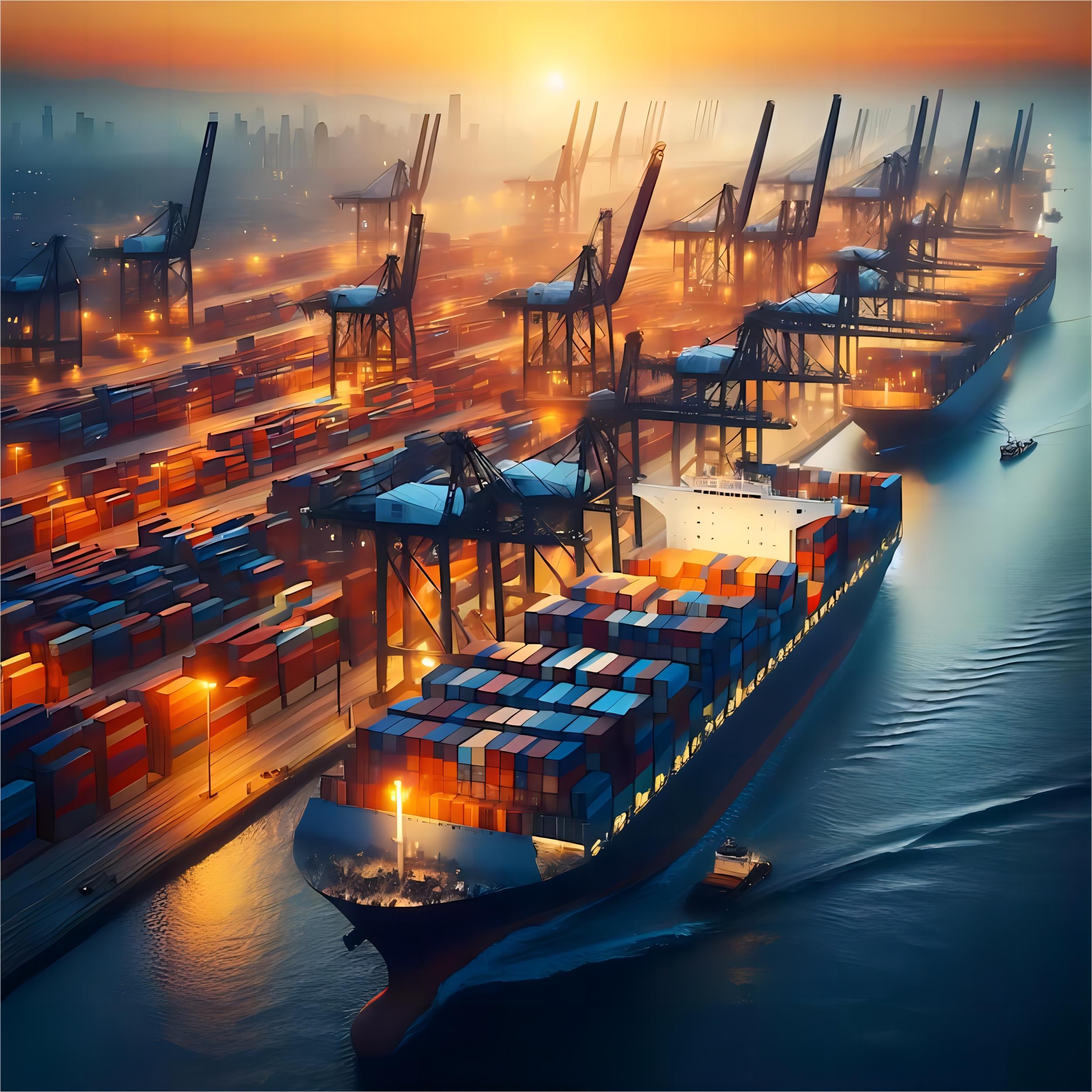
Why is 40GP FCL Insurance Essential for Toys from China to Netherlands?
❖Shipping toys via 40GP FCL from China to the Netherlands represents a substantial volume of goods. Therefore, the financial exposure to potential loss or damage is considerable. Without proper cargo insurance for toys, businesses risk significant financial setbacks if unforeseen events occur during transit.
Moreover, the journey across seas and through various logistics points involves numerous inherent risks. These can range from natural disasters like storms and accidents at sea to theft, fire, or improper handling at ports. Adequate insurance coverage mitigates these risks, protecting your investment and ensuring business continuity for your valuable imports.
Indeed, a comprehensive marine insurance for 40GP containers provides crucial financial protection. It safeguards your company against potential losses, allowing you to recover costs associated with damaged or lost goods. Consequently, this peace of mind enables you to focus on your business operations rather than unexpected shipping misfortunes.
Understanding 40GP FCL Shipping for Toys
❖A 40GP (General Purpose) FCL container is 40 feet long, offering approximately 67 CBM of space, which is ample for large volumes of toys. This method is often the most cost-effective for substantial shipments, especially when you have enough cargo to fill the entire container. Specifically, it allows for exclusive use of the container, thereby reducing the risk of damage from co-loading with other goods.
Furthermore, using a full container load provides greater control over transit times and scheduling. This dedicated space means your cargo moves directly from origin to destination without intermediate handling or consolidation. Consequently, it streamlines the supply chain for toy imports, offering predictable delivery schedules and minimizing potential delays. The benefits of full container load shipping are particularly evident for high-volume goods like toys.
What Types of Cargo Insurance Are Available for Toy Shipments?
❖Several types of cargo insurance policies cater to international shipments. Generally, the choice depends on the level of protection required and the specific risks involved in shipping toys from China to Europe. Understanding these options is crucial for securing valuable shipments effectively and mitigating potential losses.
Firstly, ‘All-Risk’ coverage offers the broadest protection available. This comprehensive policy covers all risks of loss or damage from external causes, with some specific exclusions like war, riots, or inherent vice of the goods. It is highly recommended for valuable goods like toys, which can be susceptible to various forms of damage or theft during a long journey.
Secondly, ‘Named Perils’ coverage is more limited in scope. This type of policy only covers losses or damages specifically listed in the policy document, such as fire, collision, sinking, or jettison. For example, it might not cover theft or improper handling unless explicitly stated. Consequently, it is generally less comprehensive and might leave gaps in your protection.
Lastly, ‘Free from Particular Average (FPA)’ or ‘With Average (WA)’ policies offer more basic coverage. FPA typically covers total loss of the shipment and specific general average losses, while WA adds coverage for partial losses due to certain perils like heavy weather. For most toy imports, especially those with significant value, ‘All-Risk’ is the preferred option due to its extensive protection against a wide array of unforeseen events.

Key Factors Influencing 40GP FCL Insurance Costs for Toys
❖The cost of cargo insurance for toys from China to the Netherlands varies significantly. Several factors play a crucial role in determining the final premium, impacting the overall FCL shipping costs Netherlands businesses face. Understanding these elements helps in optimizing shipping logistics and budgeting accurately.
Firstly, the declared value of the goods is a primary determinant. Higher value shipments naturally incur higher insurance premiums, as the potential payout in case of loss is greater. Therefore, accurate valuation of your toy products, including manufacturing costs and freight, is essential. Secondly, the type of cargo, in this case, toys, can affect rates. Some items are considered more fragile, perishable, or prone to theft, leading to adjusted premiums.
Moreover, the chosen insurance coverage type (e.g., All-Risk vs. Named Perils) directly impacts the cost. Broader, more comprehensive coverage always comes with a higher price tag due to the increased protection it offers. The shipping route and transit time also influence rates, as longer or more hazardous routes (e.g., those with known piracy risks or extreme weather) may carry increased risk. Finally, the carrier’s reputation and loss history can also be a factor, with reputable carriers sometimes leading to lower insurance rates due to their proven reliability in cargo handling.
Navigating Customs and Import Regulations for Toys in the Netherlands
❖Importing toys into the Netherlands, a prominent member of the European Union, requires strict adherence to various regulations. Compliance with these rules is essential to ensure smooth customs clearance for toys China imports. Failure to comply can lead to significant delays, substantial fines, or even seizure and destruction of goods.
Specifically, all toys must meet stringent EU safety standards, primarily enforced through the Toy Safety Directive (Directive 2009/48/EC). This directive covers requirements for chemical composition, mechanical and physical properties, flammability, and electrical safety. Manufacturers must provide a Declaration of Conformity (DoC), maintain a technical file, and visibly apply the CE mark to their products.
Furthermore, proper documentation is critically important for successful importation. This typically includes the commercial invoice, packing list, bill of lading, and certificate of origin. Additionally, a valid Declaration of Conformity is mandatory for all toy safety standards EU compliance checks. Engaging experienced customs brokerage services can significantly streamline this complex process. They ensure all necessary paperwork is correctly prepared and submitted, preventing common pitfalls and effectively managing supply chain risks associated with international trade.
How Does 40GP FCL Sea Freight Compare to Other Shipping Options?
❖When shipping toys from China to the Netherlands, selecting the right transportation method is crucial for balancing cost, speed, and reliability. While 40GP FCL sea freight services are often the preferred choice for bulk toy imports due to their economy, alternative options exist. Each method presents unique trade-offs in terms of cost, speed, and suitability for different cargo types and urgency levels.
For instance, air freight offers significantly faster transit times but at a much higher cost, making it suitable for urgent or high-value, low-volume shipments. Rail freight provides a good balance between speed and cost for certain routes, though direct China-Netherlands rail connections might involve transshipment. Understanding these alternatives helps in optimizing shipping logistics and making informed decisions for your specific needs, especially when considering different freight rates.
Consider the volume, urgency, and budget when evaluating options for your shipping to Europe. Hybrid solutions, such as sea-air combinations, can also be explored for specific needs. These might involve shipping by sea to a European hub, then by air to the final destination, balancing speed and cost effectively. For example, air freight options can get your products to market quickly, while rail freight offers a middle ground on transit times China to Rotterdam, often being quicker than sea but slower than air.
| Shipping Method | Cost Range (40GP equivalent) | Transit Time (China to Netherlands) | Key Characteristics |
|---|---|---|---|
| 40GP FCL Sea Freight | $2,800 – $4,200 | 30-40 days | Most economical for large volumes; reliable for heavy/bulky goods. Long lead time. |
| LCL Sea Freight (per CBM) | $50 – $100/CBM | 35-45 days | Cost-effective for smaller volumes; involves more handling and potentially longer transit. |
| Air Freight | $15,000 – $25,000+ | 5-8 days | Fastest option for urgent or high-value goods; highest cost, limited volume. |
| Rail Freight | $8,000 – $12,000 | 18-25 days | Faster than sea, cheaper than air; good for time-sensitive cargo, limited network. |
Optimizing Your Supply Chain for Toy Imports: A Decision Framework
❖Choosing the optimal shipping strategy for your toys requires a structured approach. This framework helps businesses make informed decisions based on their priorities and cargo characteristics. Effective planning can significantly reduce shipping costs and improve delivery schedule reliability, which is crucial for managing inventory and customer expectations.
If budget is your primary concern, 40GP FCL sea freight is almost always the most economical choice. It offers the lowest freight rates per unit for large volumes, making it ideal for standard stock replenishment. However, this comes with longer transit times, necessitating careful inventory management and forecasting.
Conversely, if speed is paramount, especially for new product launches or seasonal demand, air freight options are unmatched. While more expensive, the quicker turnaround can justify the cost by preventing lost sales or securing market advantage. For a balance of speed and cost, consider rail freight, especially for non-urgent but time-sensitive orders.
Moreover, cargo type considerations also play a role. Fragile or high-value toys might benefit from dedicated FCL containers or even air freight to minimize handling and potential damage. For smaller, less urgent shipments, LCL (Less than Container Load) can be cost-effective, although it may involve more handling and slightly longer transit. Volume thresholds for switching methods are also important; typically, once you exceed 15-20 CBM, FCL becomes more economical than LCL. Ultimately, optimizing shipping logistics involves balancing these numerous factors to achieve your business goals.
Case Studies: Real-World Scenarios for Toy Imports
❖Examining real-world examples provides valuable insights into managing international toy shipments. These case studies highlight various challenges and successful strategies in shipping toys from China to the Netherlands. They demonstrate how different approaches can impact cost, transit time, and overall efficiency, especially concerning freight rates.
These scenarios are based on typical rates as of early 2025, acknowledging that freight rates are subject to change based on fuel costs, carrier capacity, and seasonal demand. Always contact us for a current quote tailored to your specific shipment, as market conditions can fluctuate rapidly.
Case Study 1: Seasonal Bulk Order for a Toy Retailer
A large toy retailer in Amsterdam needed to replenish their stock for the upcoming holiday season. They opted for the most cost-effective solution to maximize profit margins, despite the longer lead time. This decision was based on careful forecasting and adequate inventory buffers.
| Detail | Description |
|---|---|
| Route | Shanghai, China to Rotterdam, Netherlands |
| Cargo | Assorted plastic toys, 60 CBM, 15,000 kg |
| Container | 40GP FCL |
| Shipping Details | Carrier: COSCO, Port of Loading: Shanghai, Port of Discharge: Rotterdam, Route Type: Direct |
| Cost Breakdown (Estimated) | Ocean Freight: $3,200, Origin Charges (THC, documentation): $450, Destination Charges: $550, Customs & Duties (estimated): $1,800, Total Landed Cost: $6,000 |
| Timeline | Booking to Loading: 7 days, Sea Transit: 32 days, Customs Clearance: 3 days, Total Door-to-Door: 42 days |
| Key Insight | Early planning allowed for economical sea freight, avoiding peak season surcharges. Effective managing supply chain risks ensured timely arrival, illustrating the benefit of planning for FCL shipping costs Netherlands. |
Case Study 2: New Product Launch for an E-commerce Brand
An e-commerce brand based in Utrecht launched a new line of educational toys. They needed a quicker shipping method to hit their market launch date and build early momentum, prioritizing speed over absolute lowest cost. Their product was moderately sized but required careful handling.
| Detail | Description |
|---|---|
| Route | Shenzhen, China to Amsterdam, Netherlands |
| Cargo | Educational wooden toys, 10 CBM, 2,500 kg |
| Container | LCL Sea Freight (equivalent to partial 40GP) |
| Shipping Details | Carrier: Maersk, Port of Loading: Shenzhen, Port of Discharge: Rotterdam, Route Type: Transshipment via Singapore |
| Cost Breakdown (Estimated) | Ocean Freight: $900 (for 10 CBM), Origin Charges (THC, documentation): $300, Destination Charges: $400, Customs & Duties (estimated): $500, Total Landed Cost: $2,100 |
| Timeline | Booking to Loading: 5 days, Sea Transit: 38 days, Customs Clearance: 4 days, Total Door-to-Door: 47 days |
| Key Insight | LCL was chosen due to smaller volume, but transit time was longer due to transshipment. This highlights the trade-off for FCL shipping costs Netherlands compared to LCL, offering a balance for specific needs. |
Case Study 3: Urgent Replenishment for a Specialized Toy Store
A specialized toy store in The Hague experienced unexpectedly high demand for a unique series of collectible figures. Rapid replenishment was critical to avoid stockouts and maintain customer satisfaction, making speed the absolute priority. The value of these items justified a premium shipping service.
| Detail | Description |
|---|---|
| Route | Guangzhou, China to Amsterdam, Netherlands |
| Cargo | Collectible figures, 2 CBM, 300 kg |
| Container | Air Cargo (equivalent to very small portion of 40GP) |
| Shipping Details | Carrier: Lufthansa Cargo, Port of Loading: Guangzhou, Port of Discharge: Amsterdam (AMS), Route Type: Direct Air Freight |
| Cost Breakdown (Estimated) | Air Freight: $2,800, Origin Charges (documentation, handling): $150, Destination Charges: $200, Customs & Duties (estimated): $150, Total Landed Cost: $3,300 |
| Timeline | Booking to Loading: 2 days, Air Transit: 3 days, Customs Clearance: 1 day, Total Door-to-Door: 6 days |
| Key Insight | Air freight provided the necessary speed for urgent stock, ensuring minimal disruption to sales. The higher cost was justified by avoiding lost sales and maintaining customer loyalty, demonstrating the value of an efficient delivery schedule. |

Ensuring a Smooth Door-to-Door Delivery Experience
❖A successful import operation extends beyond port-to-port shipping, particularly for valuable goods like toys. A comprehensive door-to-door solutions service ensures your 40GP FCL toy shipment reaches its final destination without hassle. This integrated approach covers all stages, from factory pickup in China to final delivery at your specified location in the Netherlands.
Furthermore, a reliable logistics partner manages all intermediate steps, including inland transportation, port handling, customs clearance, and last-mile delivery. This minimizes complexity for the importer and provides a single point of contact for all inquiries. Consequently, it significantly reduces the administrative burden and potential for delays, offering complete peace of mind throughout the entire process.
Choosing a freight forwarder with strong local networks in both China and the Netherlands is highly beneficial. They can navigate local regulations and infrastructure more efficiently, addressing any unforeseen challenges promptly. This holistic management of the entire shipping process is crucial for effectively managing supply chain risks and ensuring a predictable delivery schedule for your valuable cargo, from factory floor to retail shelf.
Final Thoughts on Securing Your 40GP FCL Toy Imports
Importing toys from China to the Netherlands via 40GP FCL is undeniably a complex process with many moving parts. However, with careful planning and the right partners, it can be a highly efficient and profitable venture. The importance of robust 40GP FCL insurance for toys from China to Netherlands cannot be overstated; it is your ultimate safeguard against the unpredictable nature of international shipping, protecting your valuable investment.
By understanding the various insurance options, navigating intricate customs regulations, and choosing the most suitable shipping method, businesses can optimize their supply chain and protect their investments. Partnering with a knowledgeable freight forwarder ensures that all aspects of your shipment, from cargo handling and freight rates to the delivery schedule, are expertly managed. Ultimately, this leads to successful and secure delivery of your valuable toy imports, fostering long-term business success.
Ready to streamline your logistics?
Ready to secure your 40GP FCL toys shipment from China to the Netherlands? Our expert team provides tailored insurance solutions and comprehensive logistics services. Contact us today for a personalized quote and ensure your valuable cargo is protected every step of the way.
Request Quote