

Securing 40HQ FCL Space for Machinery: China to Chicago
Shipping industrial machinery from China to Chicago presents significant logistical challenges. Businesses often struggle with securing reliable 40HQ FCL space, understanding complex freight rates, and managing transit times. Fortunately, a professional freight forwarder can streamline this intricate process, ensuring your heavy equipment arrives safely and on schedule. Learn how Top China Forwarder provides comprehensive solutions for these demanding routes.
✦
Understanding 40HQ FCL Space Availability for Machinery from China to Chicago
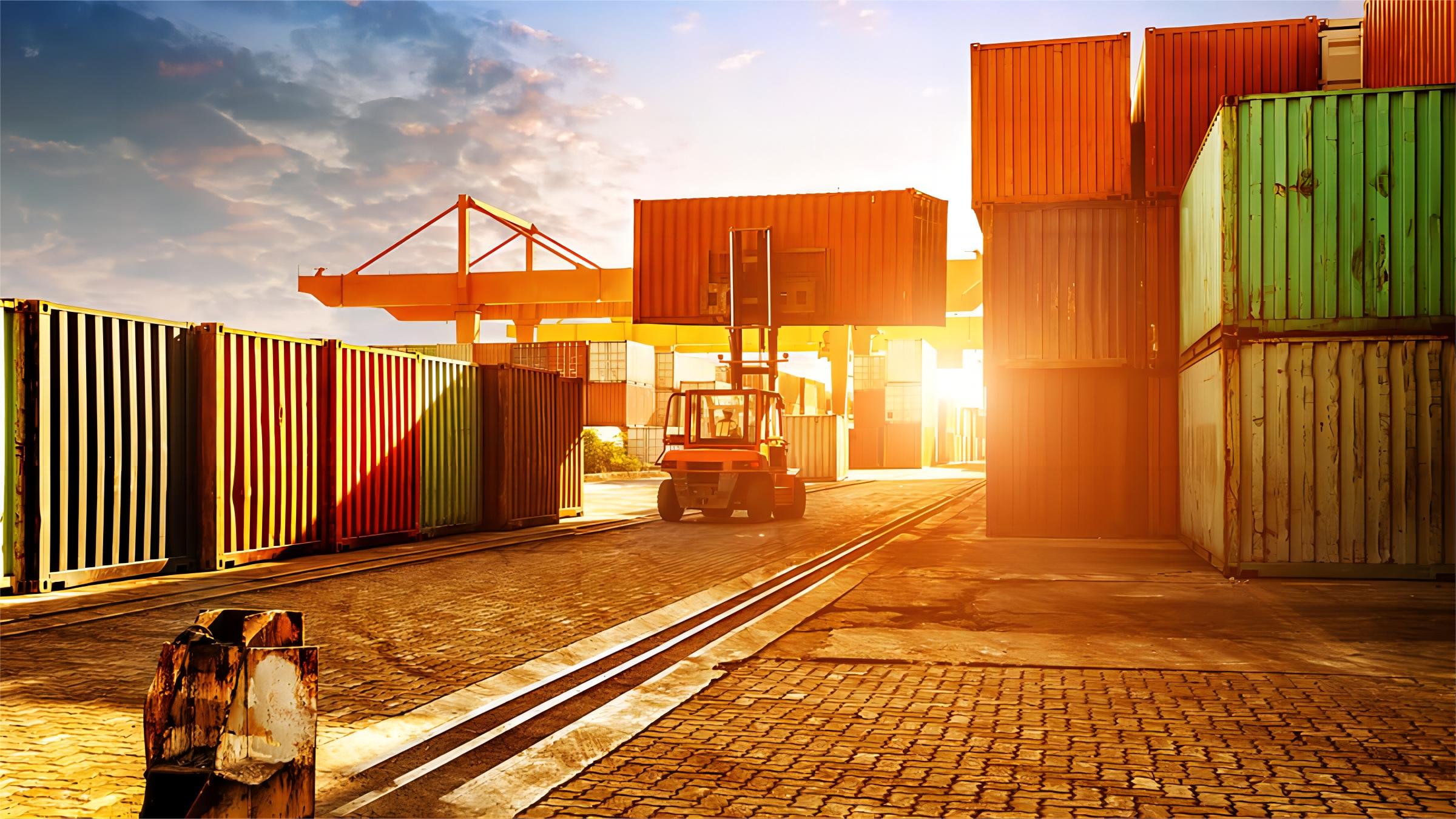
When importing large machinery, understanding the nuances of 40HQ FCL (Full Container Load) shipping is paramount. This specialized container type offers maximum volume, crucial for bulky or heavy equipment. Moreover, securing dedicated container space ensures your cargo remains undisturbed throughout its journey, reducing handling risks significantly.
What is a 40HQ FCL Container?
A 40HQ (High Cube) container measures 40 feet long, 8 feet wide, and 9.5 feet high. This extra foot in height compared to a standard 40GP container provides valuable additional capacity. Consequently, it’s the preferred choice for machinery that exceeds the height limits of regular containers, maximizing cost-efficiency per cubic meter.
Why Choose FCL for Machinery Shipments?
Opting for FCL shipping provides exclusive use of the container, thereby minimizing potential damage from co-loading with other cargo. Furthermore, FCL shipments generally experience faster transit times compared to LCL (Less than Container Load) because there’s no need for consolidation or deconsolidation at transshipment points. This direct route is often critical for time-sensitive projects or valuable machinery.
Navigating Current Market Conditions for China-Chicago Routes
The global shipping landscape is dynamic, with rates and space availability constantly fluctuating. Particularly, the route from China to Chicago involves complex intermodal logistics, combining ocean freight with rail or truck transport. Therefore, staying informed about market trends is essential for effective supply chain management.
As of early 2025, freight rates from China to the USA East Coast (which serves Chicago via inland rail) have largely stabilized after periods of volatility. Nevertheless, certain factors continue to influence prices and capacity, demanding careful planning from importers.
Key Factors Influencing FCL Rates and Availability
Several elements dictate the cost and availability of 40HQ FCL space. For instance, fuel surcharges, port congestion in both China and the US, and carrier capacity management play significant roles. Additionally, imbalances in trade volumes can lead to container shortages at specific ports, impacting your shipping schedule.
Geopolitical events and economic shifts also contribute to market volatility. Consequently, working with an experienced freight forwarder who monitors these conditions in real-time is crucial for securing optimal sea freight solutions.
Seasonal Trends and Peak Shipping Periods
Seasonal demand significantly affects FCL space availability and freight rates. Typically, rates surge before major holidays like Chinese New Year (January/February) and during the peak shipping season from August to October. Planning your machinery imports outside these windows can lead to considerable cost savings.
Conversely, booking well in advance during peak times is highly recommended to guarantee space. Market data suggests rates can increase by 15-25% during these periods, impacting your overall shipping costs for machinery from China to Chicago.
The Journey: Typical Transit Times and Key Ports
Understanding the journey your machinery will take from China to Chicago is vital for accurate planning. This route primarily relies on ocean freight to a US port, followed by intermodal transport. Therefore, the total transit time is a combination of sea transit and inland delivery.
Typical sea transit times from major Chinese ports to US East Coast ports range from 30 to 35 days. After arrival, the cargo is transferred to rail or truck for the final leg to Chicago, adding another 5-7 days. Overall, a door-to-door delivery schedule can span 35-45 days, depending on port efficiency and inland logistics.
Major Ports of Loading in China
China boasts several world-class ports capable of handling heavy machinery shipments. Shanghai, Ningbo, and Shenzhen are among the busiest, offering extensive carrier services and competitive freight rates. Each port serves different manufacturing hubs, meaning your choice might depend on your supplier’s location.
For instance, machinery manufactured in eastern China often ships from Shanghai or Ningbo. Meanwhile, goods from southern China typically depart from Shenzhen or Guangzhou. Selecting the most efficient port of loading directly impacts your initial drayage costs and overall transit time.
Arrival Ports in the USA for Chicago-bound Cargo
For shipments destined for Chicago, the primary US arrival ports are located on the East Coast. Key ports include New York/New Jersey, Savannah, and Norfolk. Upon discharge, containers are swiftly transferred to freight trains for a direct journey to Chicago’s extensive rail network.
Chicago’s strategic location as a major inland hub makes these intermodal connections highly efficient. Consequently, understanding the specific port rotation and rail schedules is critical for predicting your machinery’s final delivery schedule.
Cost Breakdown: What to Expect for Your 40HQ FCL Shipment
Calculating the total landed cost for your machinery shipment involves more than just the ocean freight rate. Indeed, a comprehensive understanding of all associated charges is crucial for budgeting and avoiding unexpected expenses. The cost of 40HQ container from China to Chicago typically includes several components.
As of early 2025, a 40HQ FCL from China to the US East Coast generally ranges from $4,500 to $6,000 for ocean freight. However, this is merely one part of the equation. Understanding the full cost structure is essential for accurate financial planning.
| Cost Component | Typical Range (USD) | Description |
|---|---|---|
| Ocean Freight (40HQ China-US East) | $4,500 – $6,000 | Base cost for sea transport |
| Surcharges (BAF, CAF, PSS) | $500 – $1,500 | Fuel, currency, peak season adjustments |
| Origin Charges (THC, Docs, Drayage) | $300 – $800 | Local handling and transport in China |
| Destination Charges (THC, Drayage, Chassis) | $700 – $1,200 | Local handling and transport in USA |
| Customs Brokerage Fee | $200 – $400 | Professional customs clearance services |
| Import Duties & Taxes (Estimated) | Varies (0-25% of value) | Based on HS code and tariffs |
Ocean Freight and Surcharges
The base ocean freight rate covers the cost of transporting the container across the sea. However, various surcharges are added, including Bunker Adjustment Factor (BAF) for fuel, Currency Adjustment Factor (CAF) for exchange rate fluctuations, and Peak Season Surcharges (PSS). These surcharges can significantly impact the final freight rates.
Furthermore, General Rate Increases (GRIs) are common, especially during periods of high demand. Therefore, obtaining an all-inclusive quote from your forwarder is highly recommended to capture the true cost of your industrial machinery transport FCL.
Origin and Destination Charges
At the origin, costs include Terminal Handling Charges (THC), documentation fees, and drayage from the factory to the port. Similarly, destination charges in the US encompass THC, chassis rental, drayage from the port to your Chicago facility, and potential demurrage or detention if the container is not picked up promptly.
These local charges are often non-negotiable and vary by port and service provider. Consequently, they form a substantial part of the overall shipping costs for machinery from China to Chicago.
Customs Duties and Taxes for Machinery
Importing machinery into the US requires careful attention to customs duties and taxes. These are calculated based on the Harmonized System (HS) code of your specific machinery. Moreover, certain machinery may be subject to additional tariffs, such as Section 301 tariffs on goods from China.
A professional customs brokerage service is indispensable for accurate classification and compliance. They can help you navigate complex regulations, estimate import duties machinery USA, and ensure a smooth customs clearance process, preventing costly delays and penalties.
How Does 40HQ FCL Compare to Other Shipping Options?
Choosing the right shipping method for your machinery is a critical decision, balancing speed, cost, and cargo safety. While 40HQ FCL sea freight is often the most economical for large items, other options might be suitable under specific circumstances. Therefore, a comparative analysis is beneficial.
Consider the various alternatives and their trade-offs to make an informed choice for your heavy equipment shipping China US. Each method offers distinct advantages and limitations, influencing your overall logistics strategy.
| Shipping Method | Cost Range (40HQ Equiv) | Transit Time (China-Chicago) | Best For | Limitations |
|---|---|---|---|---|
| 40HQ FCL Sea Freight | $5,000 – $8,000 | 35-45 days | Large, heavy, non-urgent machinery | Slowest, port congestion risk |
| LCL Sea Freight | $80-150/CBM | 40-55 days | Small machinery (under 15 CBM) | More handling, slower, higher damage risk |
| Air Freight | $25,000 – $50,000+ | 5-7 days | Urgent, high-value, small-volume parts | Extremely expensive, weight/volume limits |
| Sea + Transcontinental Rail (via US West Coast) | $6,000 – $9,000 | 30-40 days | Large machinery needing slightly faster inland transit | Longer sea leg, potential rail delays |
Sea Freight vs. Air Freight for Machinery
For extremely urgent or high-value, small-volume machinery, air freight offers unparalleled speed. While sea freight from China to Chicago takes 35-45 days, air freight can deliver in 5-7 days. However, the cost difference is substantial; air freight for a similar volume could be 5-10 times more expensive than FCL sea freight.
Therefore, air freight is generally reserved for critical components or emergency replacements, not for routine industrial machinery transport FCL. The weight and dimensions of machinery often make air cargo impractical or prohibitively expensive.
FCL vs. LCL: When to Choose Each
FCL is ideal for machinery that fills a significant portion of a 20GP or 40HQ container, typically above 15-20 CBM. It offers better security, faster transit, and often lower cost per CBM for larger volumes. In contrast, LCL (Less than Container Load) is suitable for smaller machinery shipments, usually under 15 CBM.
LCL involves consolidating multiple shippers’ cargo into one container, which can lead to longer transit times due to extra handling and potential delays during consolidation/deconsolidation. For machinery, the directness and reduced handling of FCL often outweigh the per-CBM cost savings of LCL for moderate to large volumes.
Considering Rail Freight Alternatives
While direct China-US rail freight is not a common option for ocean-bound cargo, rail plays a crucial role in the intermodal leg from US ports to Chicago. Within North America, rail freight is an efficient and cost-effective method for long-haul inland transport. This forms a hybrid solution for your machinery’s journey.
For example, after arriving at a West Coast US port (e.g., Long Beach), machinery can be transported via transcontinental rail to Chicago. This option might offer slightly faster overall transit compared to an East Coast sea route, though the initial sea leg is longer. Rail freight provides a reliable and environmentally friendly alternative for the domestic portion of the journey.
Optimizing Your Machinery Shipment: Strategies for Success
Effective planning and execution are vital for a smooth machinery import process. Optimizing FCL shipping routes involves more than just finding the cheapest rate; it demands a holistic approach to logistics. Consequently, proactive strategies can mitigate risks and ensure timely delivery of your valuable assets.
From selecting the right partners to meticulous documentation, every step contributes to the success of your import. Adopting best practices in your supply chain China Chicago will yield significant benefits, both in cost and efficiency.
Selecting a Reliable Freight Forwarder
A proficient freight forwarder is your most valuable asset when dealing with complex international shipping. Look for a partner with extensive experience in handling machinery, a strong network in both China and the US, and transparent communication. They should offer comprehensive logistics solutions for large cargo, including real-time FCL tracking.
A good forwarder will not only secure optimal 40HQ FCL space availability for machinery from China to Chicago but also manage all aspects of customs, inland transport, and documentation. This expertise is crucial for navigating potential pitfalls and ensuring a seamless process.
Documentation and Customs Clearance Essentials
Accurate and complete documentation is paramount for avoiding customs delays. Key documents include the commercial invoice, packing list, bill of lading, and any necessary permits or certificates for specialized machinery. Errors in paperwork can lead to significant hold-ups and storage fees.
Understanding US import regulations, including specific requirements for machinery, is critical. Your customs broker will ensure compliance with all CBP (Customs and Border Protection) regulations, including ISF (Importer Security Filing) and proper valuation for import duties machinery USA. This proactive approach ensures efficient customs processing.
Seamless Door-to-Door Delivery Solutions
For ultimate convenience and reduced logistical burden, consider utilizing a door-to-door delivery service. This comprehensive solution covers every segment of the journey, from pickup at your supplier’s factory in China to final delivery at your facility in Chicago. It integrates ocean freight, customs clearance, and inland transportation into a single, managed service.
This approach simplifies your supply chain, offering a single point of contact and unified responsibility. It minimizes coordination efforts and provides end-to-end visibility, which is especially beneficial for complex machinery shipments requiring specialized cargo handling.
Real-World Scenarios: Case Studies in Machinery Shipping
To illustrate the complexities and successful execution of machinery shipments, here are a few real-world examples. These case studies highlight typical challenges and effective solutions for securing 40HQ FCL space for machinery from China to Chicago. They reflect market rates and transit times as of early 2025.
Case Study 1: Heavy Industrial Press
This example demonstrates a standard shipment for bulky industrial equipment, where securing appropriate container space and managing origin charges were key. The client prioritized cost-effectiveness over absolute speed.
| Detail | Description |
|---|---|
| Route | Shanghai, China Chicago, USA |
| Cargo | Industrial Hydraulic Press, 58 CBM, 22,000 kg |
| Container | 1 x 40HQ FCL |
| Shipping Details | |
| – Carrier/Service | COSCO (Major carrier) |
| – Port of Loading | Shanghai |
| – Port of Discharge | New York/New Jersey |
| – Route Type | Direct ocean + Intermodal rail to Chicago |
| Cost Breakdown | (Based on Q1 2025 market rates) |
| – Ocean Freight | $5,200 |
| – Origin Charges (THC, Documentation, Drayage) | $650 |
| – Destination Charges (THC, Drayage to Chicago) | $1,100 |
| – Customs & Duties (Estimated) | $1,500 |
| – Total Landed Cost (Estimated) | $8,450 |
| Timeline | |
| – Booking to Loading | 5 days |
| – Sea Transit | 32 days |
| – Customs Clearance | 3 days |
| – Inland Rail to Chicago | 6 days |
| – Total Door-to-Door | 46 days |
| Key Insight | Early booking secured preferential rates; close coordination with supplier for timely pickup. |
Case Study 2: Manufacturing Equipment Line
Here, a client imported a full manufacturing line requiring precise coordination for multiple pieces of machinery. The challenge involved ensuring all components fit within the 40HQ and streamlining customs for complex equipment.
| Detail | Description |
|---|---|
| Route | Ningbo, China Chicago, USA |
| Cargo | Assembly Line Equipment, 62 CBM, 25,000 kg |
| Container | 1 x 40HQ FCL |
| Shipping Details | |
| – Carrier/Service | Maersk (Major carrier) |
| – Port of Loading | Ningbo |
| – Port of Discharge | Savannah |
| – Route Type | Direct ocean + Intermodal rail to Chicago |
| Cost Breakdown | (Typical rates as of early 2025) |
| – Ocean Freight | $5,800 |
| – Origin Charges (THC, Documentation, Drayage) | $700 |
| – Destination Charges (THC, Drayage to Chicago) | $1,250 |
| – Customs & Duties (Estimated) | $2,100 |
| – Total Landed Cost (Estimated) | $9,850 |
| Timeline | |
| – Booking to Loading | 7 days |
| – Sea Transit | 35 days |
| – Customs Clearance | 4 days |
| – Inland Rail to Chicago | 7 days |
| – Total Door-to-Door | 53 days |
| Key Insight | Careful packing list management and HS code classification prevented customs delays. Q4 peak season rates were 10% higher than average. |
Case Study 3: Specialized CNC Machine
This scenario involved a high-value, sensitive CNC machine. The focus was on secure handling, clear communication, and minimizing transit shocks, demonstrating premium service for critical equipment.
| Detail | Description |
|---|---|
| Route | Qingdao, China Chicago, USA |
| Cargo | Precision CNC Machine, 55 CBM, 18,000 kg |
| Container | 1 x 40HQ FCL |
| Shipping Details | |
| – Carrier/Service | MSC (Major carrier) |
| – Port of Loading | Qingdao |
| – Port of Discharge | Norfolk |
| – Route Type | Direct ocean + Intermodal rail to Chicago |
| Cost Breakdown | (Based on Q3 2024 market rates) |
| – Ocean Freight | $6,100 |
| – Origin Charges (THC, Documentation, Drayage) | $750 |
| – Destination Charges (THC, Drayage to Chicago) | $1,300 |
| – Customs & Duties (Estimated) | $2,500 |
| – Total Landed Cost (Estimated) | $10,650 |
| Timeline | |
| – Booking to Loading | 6 days |
| – Sea Transit | 33 days |
| – Customs Clearance | 3 days |
| – Inland Rail to Chicago | 6 days |
| – Total Door-to-Door | 48 days |
| Key Insight | Specialized crating and insurance were arranged for sensitive cargo. Real-time FCL tracking provided peace of mind for the high-value shipment. |
Which Option Should You Choose? A Decision Framework
Selecting the optimal shipping strategy for your machinery from China to Chicago requires a clear understanding of your priorities. Ultimately, the best choice aligns with your budget, urgency, and the specific characteristics of your cargo. Therefore, consider these key criteria to guide your decision-making process.
Budget Priority
If cost-effectiveness is your primary concern, 40HQ FCL sea freight remains the most economical option for machinery. It offers the lowest cost per unit of volume for large shipments. However, always factor in all components of the total landed cost, including origin, destination, and customs charges, to avoid surprises.
Speed Priority
For urgent machinery or critical replacement parts, air freight is unmatched in speed, albeit at a significantly higher cost. If a few days make a substantial difference, this premium service might be justified. Otherwise, standard FCL sea freight, perhaps with optimized inland rail connections, offers a balance of cost and reasonable transit.
Cargo Type Considerations
The nature of your machinery heavily influences the shipping method. Extremely fragile, oversized, or high-value equipment might require specialized handling, crating, and potentially dedicated FCL containers. Conversely, smaller, more robust items might tolerate LCL, though FCL generally provides better protection and faster transit for machinery.
For specific cargo handling needs, consult with your freight forwarder. They can advise on optimal loading, bracing, and insurance requirements for your particular equipment, ensuring its safety throughout the long journey.
Volume Thresholds for Switching Methods
Generally, if your machinery shipment exceeds 15-20 CBM or requires exclusive container space, FCL becomes more cost-effective than LCL. Below this threshold, LCL might seem cheaper per CBM, but the benefits of FCL (speed, security, less handling) often make it preferable for machinery. For very small, urgent items, air freight becomes viable.
Always request quotes for both FCL and LCL if your shipment is borderline. This comparison will help you determine the most economical and efficient solution based on current freight rates and your specific volume.
Your Trusted Partner for Machinery Shipping to Chicago
Navigating the intricacies of international machinery shipping, particularly securing 40HQ FCL space availability for machinery from China to Chicago, demands expertise and foresight. We have explored the critical factors, from market conditions and transit times to cost breakdowns and strategic comparisons. Ultimately, informed decisions and a reliable logistics partner are indispensable.
By understanding the options and potential challenges, businesses can optimize their supply chain, minimize risks, and ensure the timely, cost-effective delivery of their valuable industrial machinery. Partner with a forwarder who prioritizes transparency, efficiency, and expert guidance for all your heavy equipment shipping needs.