

Sea Freight China to USA: Your Ultimate Shipping Guide
Navigating global logistics can be complex, especially when considering shipping from China to the USA. For businesses looking to import goods efficiently and cost-effectively, understanding the nuances of sea freight is paramount. This comprehensive guide will demystify the process of sea freight China to USA, ensuring your cargo reaches its destination smoothly.
What is Sea Freight from China to USA?
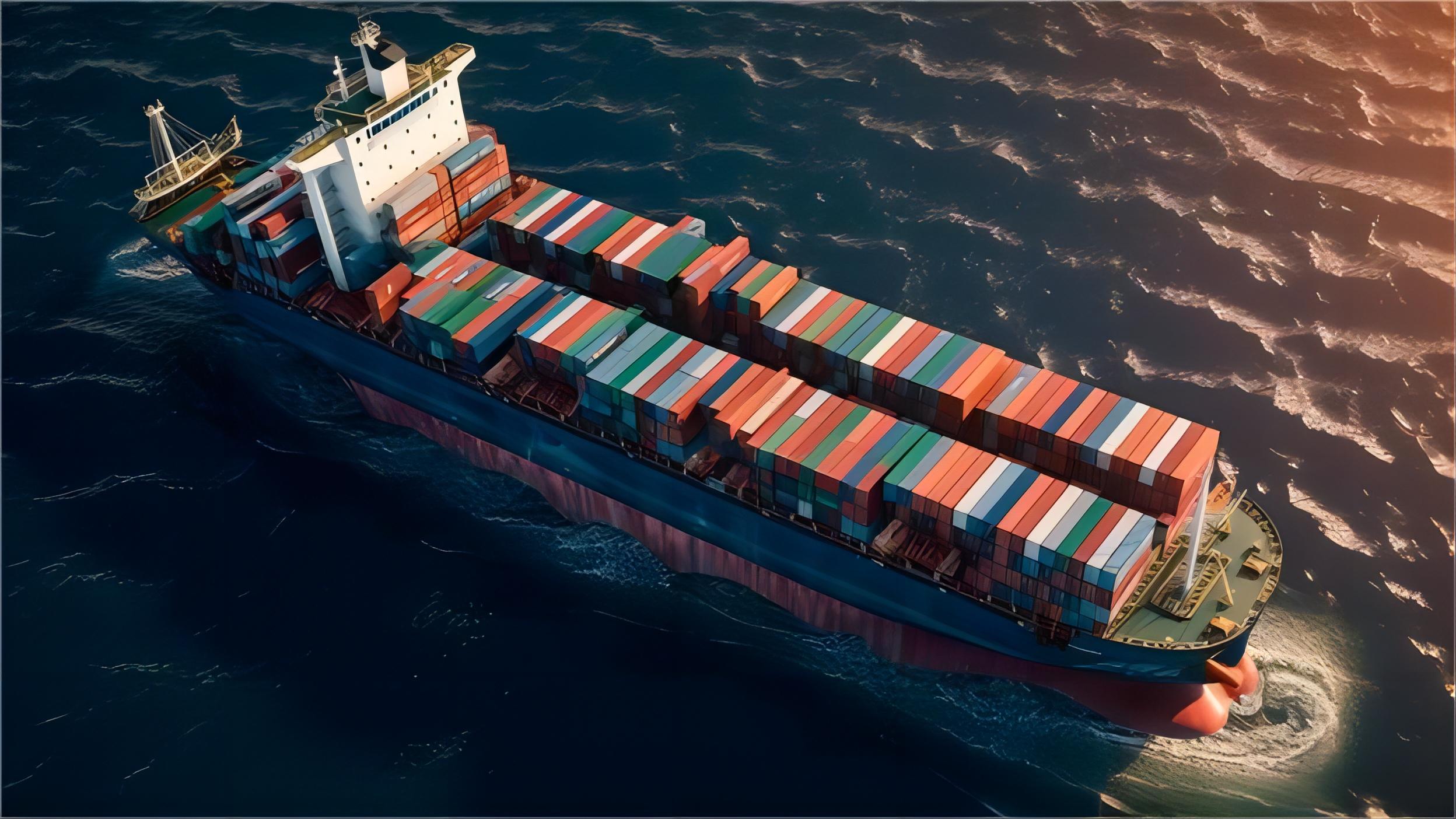
Sea freight, also known as ocean freight, involves transporting goods via cargo ships across the Pacific Ocean. It stands as the most common and cost-effective method for large volume international shipments from China to the United States. Businesses predominantly use it for non-urgent, bulky, or heavy cargo.
Typically, sea freight services offer two main options: Full Container Load (FCL) and Less than Container Load (LCL). FCL means your goods occupy an entire container, while LCL consolidates multiple shippers’ cargo into one container. Understanding these options is crucial for efficient sea freight planning.
How Does Sea Freight from China to USA Work? The Step-by-Step Process
Indeed, shipping goods across continents requires a meticulously orchestrated process. Initially, the journey begins with booking cargo space on a vessel and arranging for factory pickup. Subsequently, your goods are transported to the port of loading in China for consolidation and customs clearance.
Once cleared, the cargo is loaded onto the ship, commencing its ocean transit. Upon arrival at a US port, the goods undergo destination customs clearance and are then transported to their final delivery point. This end-to-end process involves multiple stakeholders and precise coordination.
Key Documentation for Smooth Customs Clearance
Ensuring proper documentation is absolutely critical for avoiding delays and penalties during import. Essential documents include the Bill of Lading, Commercial Invoice, Packing List, and potentially certificates of origin or compliance. A reliable freight forwarder can expertly manage these intricate requirements.
Moreover, accurate documentation facilitates efficient customs inspections and duty calculations. Therefore, partnering with a knowledgeable customs brokerage service is invaluable for navigating complex US import regulations.
| Document | Purpose | Issued By | Key Information |
|---|---|---|---|
| Bill of Lading (BOL) | Contract of carriage, title to goods | Carrier/Forwarder | Shipper, Consignee, Cargo details |
| Commercial Invoice | Proof of sale, customs valuation | Exporter | Product description, Quantity, Value |
| Packing List | Details of cargo contents | Exporter | Itemized list, Weight, Dimensions |
| Certificate of Origin | Confirms country of manufacture | Chamber of Commerce | Origin country, Goods description |
Understanding Sea Freight Costs from China to USA
Several factors significantly influence the overall cost of shipping from China to the USA. These include the type of cargo, volume, weight, chosen service (FCL or LCL), and current freight rates. Furthermore, fuel surcharges, port charges, and seasonal demand also play a substantial role in pricing.
Moreover, additional costs like customs duties, taxes, insurance, and destination delivery charges contribute to the total landed cost. Therefore, obtaining a detailed quote that itemizes all expenses is essential for accurate budgeting and avoiding unexpected fees.
FCL vs. LCL: Which is Right for Your Shipment?
The choice between FCL and LCL shipping largely depends on your cargo volume and urgency. FCL is generally more cost-effective for larger shipments, typically exceeding 15-20 CBM, offering faster transit times due to direct loading. It also reduces the risk of damage from handling.
Conversely, LCL is ideal for smaller volumes, allowing businesses to share container space and costs. While potentially cheaper for small shipments, LCL often involves longer transit times due to consolidation and deconsolidation processes at ports. Consider your shipment size carefully.
| Feature | FCL (Full Container Load) | LCL (Less than Container Load) |
|---|---|---|
| Volume | Typically >15-20 CBM | Typically <15-20 CBM |
| Cost Efficiency | Better for large volumes | Better for small volumes |
| Transit Time | Generally faster, direct | Generally slower, consolidation needed |
| Handling | Less handling, lower damage risk | More handling, higher damage risk |
| Flexibility | Less flexible for small cargo | Highly flexible for small cargo |

What Are the Typical Transit Times for Sea Freight China to USA?
Transit times for sea freight from China to the USA vary considerably based on the origin port in China, the destination port in the US, and whether the route is direct or involves transshipment. West Coast ports like Los Angeles or Long Beach generally have shorter transit times. For instance, a direct route from Shanghai to Los Angeles might take 14-18 days.
Conversely, shipments destined for East Coast ports such as New York or Savannah will naturally take longer. These routes often involve passage through the Panama Canal or transshipment points, extending transit to 30-35 days or more. Therefore, careful planning around these schedules is crucial for supply chain management.
| Origin Port (China) | Destination Port (USA) | Typical Transit Time (Days) | Route Type |
|---|---|---|---|
| Shanghai / Ningbo | Los Angeles / Long Beach | 14-18 | Direct |
| Shenzhen / Guangzhou | Los Angeles / Long Beach | 16-20 | Direct |
| Shanghai / Ningbo | New York / Savannah | 30-35 | Via Panama Canal / Transshipment |
| Qingdao / Tianjin | Houston / New Orleans | 32-38 | Via Panama Canal / Transshipment |
How Does Sea Freight Compare to Other Shipping Options?
While sea freight is often the default for large, non-urgent shipments, other shipping methods offer distinct advantages depending on specific needs. Comparing air freight, rail freight, and express services against sea freight helps businesses make informed decisions. Each mode has unique cost, speed, and capacity characteristics.
Ultimately, the best shipping method hinges on a balance between cost, speed, cargo type, and reliability. Understanding these trade-offs is essential for optimizing your supply chain strategy and meeting customer expectations. Consider your priorities before choosing a method.
| Shipping Method | Cost Range (approx.) | Transit Time | Best For | Limitations |
|---|---|---|---|---|
| Sea Freight (FCL) | $2,500-5,500 (40HQ) | 14-38 days | Large, heavy, non-urgent cargo | Slowest, port congestion risk |
| Sea Freight (LCL) | $50-100/CBM | 20-45 days | Small to medium volume, non-urgent | Slower, more handling, complex pricing |
| Air Freight | $4-8/kg | 3-8 days | Urgent, high-value, perishable goods | Most expensive, volume/weight restrictions |
| Rail Freight (China-Europe) | $1,500-3,000 (40HQ) | 18-25 days | Medium urgency, landlocked regions | Not applicable for USA, limited capacity |
| Express Service | $8-15/kg | 2-5 days | Small, urgent, high-value parcels | Very expensive for larger shipments |
Optimizing Your Shipping Strategy: Cost-Saving Tips and Hybrid Solutions
Several strategies can help reduce your sea freight costs from China to the USA. Consolidating multiple smaller shipments into LCL or even FCL can significantly lower per-unit costs. Furthermore, selecting less congested ports, being flexible with departure dates, and understanding Incoterms can yield savings.
Additionally, negotiating favorable freight rates with forwarders and meticulously planning your inventory to avoid rush shipments are key. Proactive management of your supply chain invariably leads to more economical shipping outcomes. This also includes exploring different routing options.
When to Consider Hybrid Shipping Solutions
For specific scenarios, hybrid shipping solutions, such as ‘sea-air’ freight, offer a balanced approach between cost and speed. This involves shipping goods by sea to a transit hub (e.g., Dubai) and then by air to the final destination. It can be a compelling alternative when standard sea freight is too slow but air freight is too expensive.
Moreover, for urgent components within a larger shipment, using door-to-door express services for critical items while the bulk travels by sea can optimize your delivery schedule. These blended approaches provide flexibility and resilience in complex supply chains.
Real-World Scenarios: Sea Freight China to USA Case Studies
Exploring real-world examples helps illustrate the practical application of sea freight from China to USA. These case studies highlight various factors affecting decisions, from cargo type and volume to transit time and cost considerations. Each scenario presents unique challenges and optimal solutions.
Case Study 1: E-commerce Retailer’s LCL Shipment
| Detail | Description |
|---|---|
| Route | Ningbo, China to Los Angeles, USA |
| Cargo | Seasonal Apparel, 8 CBM, 1,200 kg |
| Container | LCL 8 CBM |
| Shipping Details | Carrier: Major carrier, Port of Loading: Ningbo, Port of Discharge: Los Angeles, Route Type: Direct |
| Cost Breakdown | Ocean Freight: $560, Origin Charges: $250, Destination Charges: $180, Customs & Duties (estimated): $350, Total Landed Cost: $1,340 |
| Timeline | Booking to Loading: 5 days, Sea Transit: 16 days, Customs Clearance: 3 days, Total Door-to-Door: 24 days |
| Key Insight | LCL proved cost-effective for smaller volume, ideal for initial stock. Based on Q3 2024 market rates. |
Case Study 2: Manufacturer’s FCL Shipment to East Coast
| Detail | Description |
|---|---|
| Route | Shanghai, China to New York, USA |
| Cargo | Electronic Components, 40HQ (26,000 kg) |
| Container | 40HQ |
| Shipping Details | Carrier: COSCO, Port of Loading: Shanghai, Port of Discharge: New York, Route Type: Via Panama Canal |
| Cost Breakdown | Ocean Freight: $4,800, Origin Charges: $450, Destination Charges: $600, Customs & Duties (estimated): $1,200, Total Landed Cost: $7,050 |
| Timeline | Booking to Loading: 7 days, Sea Transit: 32 days, Customs Clearance: 4 days, Total Door-to-Door: 43 days |
| Key Insight | FCL provided security and direct transit for high-volume, critical components. Typical rates as of early 2025. |
Case Study 3: Furniture Importer with Time-Sensitive Order
| Detail | Description |
|---|---|
| Route | Shenzhen, China to Houston, USA |
| Cargo | Flat-pack Furniture, 20GP (18,000 kg) |
| Container | 20GP |
| Shipping Details | Carrier: Maersk, Port of Loading: Shenzhen, Port of Discharge: Houston, Route Type: Transshipment via Busan |
| Cost Breakdown | Ocean Freight: $3,200, Origin Charges: $300, Destination Charges: $400, Customs & Duties (estimated): $800, Total Landed Cost: $4,700 |
| Timeline | Booking to Loading: 6 days, Sea Transit: 34 days, Customs Clearance: 3 days, Total Door-to-Door: 43 days |
| Key Insight | Choosing a reliable carrier with good transshipment connections helped manage costs for a time-sensitive, bulky shipment. Note: Freight rates are subject to change based on fuel costs, carrier capacity, and seasonal demand. Contact us for a current quote tailored to your specific shipment. |
Navigating Challenges and Market Trends in China-USA Sea Freight
The landscape of China-USA sea freight is dynamic, influenced by various global factors. Port congestion, particularly at major US gateways, can cause significant delays and added costs. Moreover, peak seasons, like the run-up to holidays or Chinese New Year, often lead to increased freight rates and reduced vessel space.
According to industry benchmarks, rates typically increase 15-25% during August-October peak season. Additionally, geopolitical events and evolving trade policies can impact shipping routes and regulatory requirements. Staying informed about these logistics trends is crucial for effective supply chain management.
Conclusion
In conclusion, mastering sea freight China to USA is crucial for successful international trade. By understanding costs, transit times, and documentation, businesses can make informed decisions. Partnering with an experienced freight forwarder further simplifies this complex process, ensuring your goods arrive safely and on schedule. Ultimately, strategic planning in sea freight guarantees a robust supply chain.
Need a tailored shipping solution?
Ready to streamline your imports? For reliable and efficient sea freight China to USA solutions, contact our experts today. Request a personalized quote to discover how we can optimize your supply chain and ensure timely delivery.