

Reliable Sea Freight from Shenzhen to Spain: Your Complete Guide
“For businesses aiming to import goods into Europe, securing reliable sea freight from Shenzhen to Spain is paramount for maintaining a smooth supply chain. Navigating international logistics can be complex, involving various regulations, costs, and transit times. This comprehensive guide, brought to you by Top China Forwarder, will demystify the process, offering insights into efficient and cost-effective shipping solutions.”
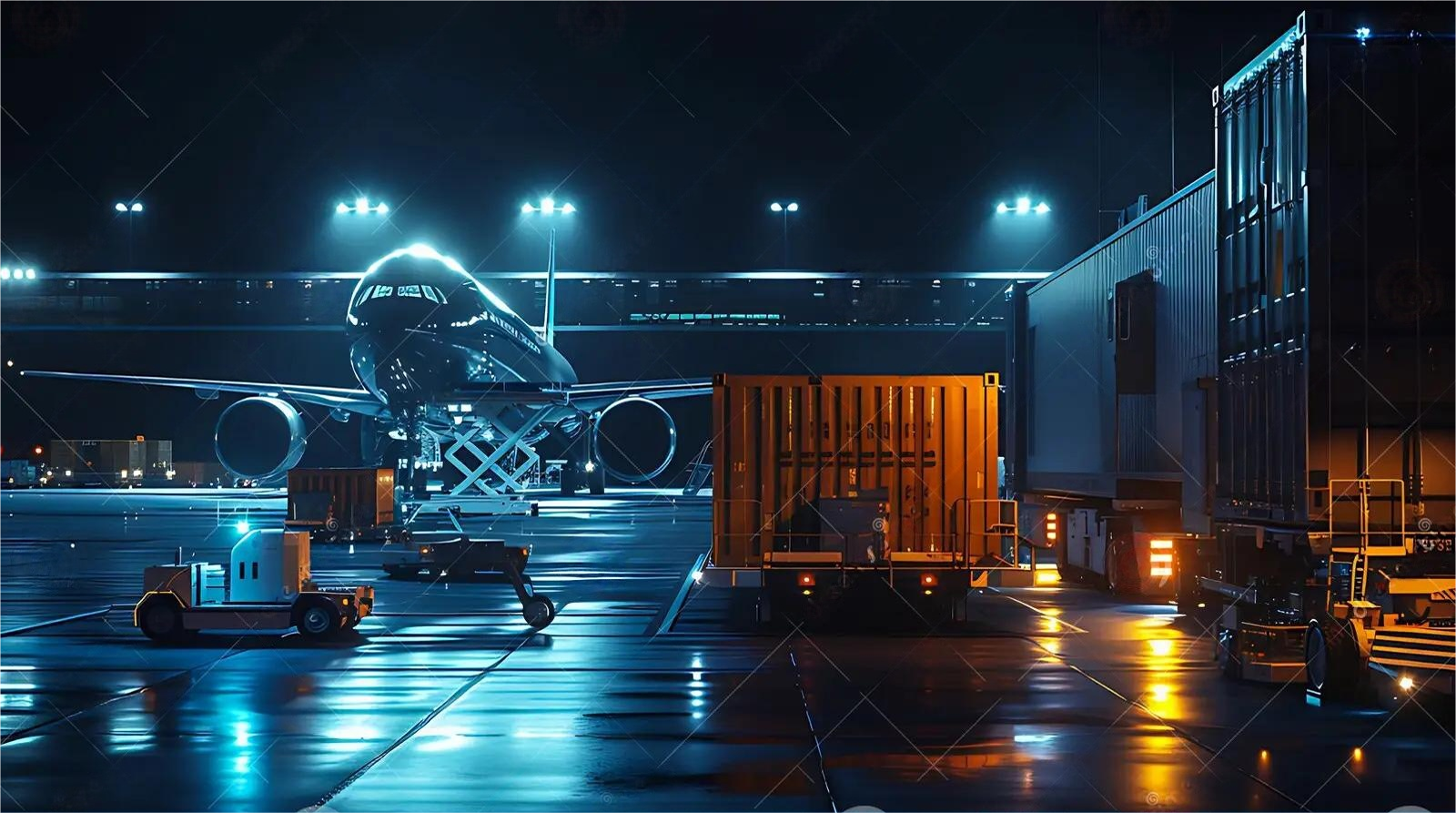
Understanding Reliable Sea Freight from Shenzhen to Spain
❖Indeed, for businesses managing global supply chains, importing goods from China to Europe requires strategic planning. Shenzhen, a major manufacturing hub, serves as a primary departure point for goods destined for Spain. Therefore, understanding the nuances of ocean shipping is crucial for successful international trade.
Generally, sea freight is the most economical option for large, heavy, or bulky cargo. Consequently, it forms the backbone of many import/export operations between these two regions. Key ports in Shenzhen, such as Yantian, Shekou, and Chiwan, handle vast volumes of container traffic. Meanwhile, major Spanish ports like Valencia, Barcelona, and Algeciras act as vital entry points into the European market.
Moreover, you can choose between Full Container Load (FCL) and Less than Container Load (LCL) services. FCL means your goods occupy an entire container, offering dedicated space and faster transit. Conversely, LCL involves sharing container space with other shippers, which is more cost-effective for smaller volumes. Deciding between these options depends largely on your cargo volume and budget constraints.
Why Choose Sea Freight for Your Shipments to Spain?
❖Primarily, the decision to opt for sea freight often boils down to cost-effectiveness, especially for substantial shipments. Shipping by ocean dramatically reduces per-unit costs for large volumes of goods, making it an attractive option for businesses looking to maximize their margins. This is particularly true for commodities that are not time-sensitive.
Furthermore, sea freight boasts an impressive capacity, capable of transporting virtually any type of cargo, including oversized or hazardous materials, which other modes may restrict. Additionally, it offers a more environmentally friendly solution compared to air freight, significantly reducing carbon footprints. Consequently, this aligns with growing global sustainability initiatives.
Therefore, for companies prioritizing budget and environmental responsibility, while maintaining a consistent delivery schedule, sea freight presents an unparalleled solution. It underpins robust supply chain management, ensuring a steady flow of goods from Shenzhen to Spain over the long term. Consider sea freight for your next large shipment.
Key Considerations for Shipping from Shenzhen to Spain
❖Several factors influence the efficiency and cost of your reliable sea freight from Shenzhen to Spain. Understanding these elements beforehand can prevent unexpected delays and expenses. Therefore, careful planning is absolutely essential for a smooth shipping process.
First and foremost, transit times can vary significantly. Direct routes generally take between 28 to 35 days, whereas transshipment routes, often via hubs like Singapore or Port Klang, might extend to 40-45 days. Opting for a direct service, while potentially slightly more expensive, can save crucial time. Meanwhile, the actual delivery schedule depends on various factors including carrier, port congestion, and weather conditions.
Moreover, shipping costs are dynamic, influenced by fuel surcharges, peak season demand, port charges at both ends, and container availability. Market data suggests rates can fluctuate significantly, therefore obtaining current freight rates is always advisable. For instance, rates typically increase 15-25% during the August-October peak season. Additionally, the type of cargo, whether it requires special handling or refrigeration, will also impact the overall shipping costs.
Ultimately, understanding Incoterms (International Commercial Terms) is vital. Terms like FOB (Free On Board), CIF (Cost, Insurance, and Freight), and EXW (Ex Works) define the responsibilities and risks between the buyer and seller. Clearly establishing these terms prevents disputes and ensures clarity in your import/export operations. Each term has specific implications for who pays for what and when liability transfers.
Navigating Customs and Documentation for Spain Imports
❖Successfully clearing customs in Spain is a critical step for any import from China. Consequently, meticulous preparation of documentation is non-negotiable. Missing or incorrect paperwork can lead to significant delays and penalties, affecting your overall delivery schedule.
Key documents universally required include the Bill of Lading, which serves as the contract of carriage and receipt of goods. Furthermore, a Commercial Invoice detailing the transaction, a comprehensive Packing List, and often a Certificate of Origin are essential. Depending on the cargo, additional permits or certifications might be necessary, for example, for certain electronics or food products.
Moreover, engaging a reputable customs brokerage service is highly recommended. These experts can navigate complex Spanish import regulations, ensure compliance, and expedite the clearance process. They are adept at handling duties, taxes, and any specific requirements for your goods. Indeed, their expertise can save both time and money in the long run. Without a doubt, this partnership is invaluable for smooth logistics trends.
How Does Sea Freight Compare to Other Shipping Options?
❖While sea freight is often the go-to for cost-effective, high-volume shipments, other logistics solutions exist, each with distinct advantages and limitations. Understanding these alternatives is crucial for making informed decisions about your supply chain from China to Europe. Indeed, different scenarios call for different shipping methods.
For example, if speed is your primary concern, air freight offers significantly faster transit times, often delivering within 5-10 days. However, this speed comes at a much higher cost and with volume/weight restrictions. Small, high-value, or urgent goods are typically best suited for air cargo. Conversely, sea freight is unbeatable for bulk goods.
Alternatively, rail freight presents a middle-ground solution for shipping from China to Europe. It is faster than sea freight (typically 18-25 days) and more economical than air freight. While not directly to Spain’s ports, rail can deliver to central European hubs, from where goods can be distributed by truck or short-sea shipping to Spain. This method is gaining popularity for its balance of speed and cost.
Finally, for extremely urgent or small parcels, express service couriers offer unparalleled speed and door-to-door convenience, albeit at the highest per-kilogram cost. This is ideal for samples, documents, or critical spare parts. Therefore, your choice depends heavily on your specific cargo handling needs, budget, and urgency.
| Shipping Method | Cost Range (Shenzhen-Spain) | Transit Time (Shenzhen-Spain) | Best For | Limitations |
|---|---|---|---|---|
| Sea Freight (FCL 40HQ) | $3,000 – $4,200 | 28 – 35 Days | Large volumes, heavy goods, cost-sensitive | Slowest transit time, potential port delays |
| Sea Freight (LCL 1CBM) | $50 – $80 per CBM (ocean) | 30 – 40 Days | Smaller volumes, cost-sensitive, flexible | Longer transit, potential consolidation delays |
| Rail Freight (to EU hub) | $1,500 – $2,500 (per 40HQ) | 18 – 25 Days (to EU hub) | Mid-size shipments, faster than sea, cheaper than air | Requires onward distribution, limited direct Spain routes |
| Air Freight (100kg cargo) | $5 – $10 per kg | 5 – 10 Days | Urgent, high-value, small/medium shipments | High cost, weight/volume restrictions, environmental impact |
| Express Service (10kg parcel) | $10 – $20 per kg | 3 – 7 Days | Very urgent, samples, documents, small parcels | Highest cost, strict size/weight limits |

Optimizing Your Sea Freight Strategy: Cost-Saving Tips
❖Achieving a reliable sea freight from Shenzhen to Spain involves more than just selecting a carrier; it also means smart strategy. Consequently, several approaches can help reduce shipping costs and improve efficiency. Proactive planning is paramount to success in this regard.
Firstly, consolidate your shipments whenever possible. For smaller volumes, utilizing LCL services effectively merges your cargo with others, splitting container costs. This can significantly reduce freight rates compared to sending multiple small shipments. However, ensure your forwarder has a robust consolidation network.
Secondly, planning well in advance allows you to book space during off-peak seasons or secure better rates. Avoiding last-minute bookings, especially during peak periods like Chinese New Year or the Q3 holiday rush, can lead to substantial savings. Early booking also provides more flexibility in choosing optimal routes and carriers, improving your overall logistics trends.
Finally, consider the benefits of a comprehensive door-to-door service. While seemingly more expensive upfront, it streamlines the entire supply chain, from origin pickup to final delivery in Spain. This integrated approach minimizes unexpected charges, reduces administrative burdens, and ensures seamless cargo handling, ultimately offering better control over your total landed cost.
Real-World Success: Case Studies in China-Spain Shipping
❖These case studies illustrate practical applications of reliable sea freight from Shenzhen to Spain, highlighting diverse cargo types and shipping solutions. They provide insights into typical transit time, costs, and strategic considerations. Based on Q3 2024 market rates, these examples reflect current industry scenarios.
Case Study 1: High-Volume Electronics Components
A Spanish electronics distributor needed to import a large quantity of components from their supplier in Shenzhen. Their priority was cost-efficiency for a high-volume, non-perishable shipment, with a reasonable delivery schedule. This required careful planning to manage the supply chain effectively.
| Detail | Description |
|---|---|
| Route | Shenzhen (Yantian), China Valencia, Spain |
| Cargo | Electronics Components, 60 CBM, 15,000 kg |
| Container | 1 x 40HQ |
| Shipping Details | Carrier: COSCO; Port of Loading: Yantian; Port of Discharge: Valencia; Route Type: Direct |
| Cost Breakdown | Ocean Freight: $3,800; Origin Charges: $450; Destination Charges: $550; Customs & Duties (estimated): $1,200; Total Landed Cost: $6,000 (excluding VAT) |
| Timeline | Booking to Loading: 5 days; Sea Transit: 30 days; Customs Clearance: 3 days; Total Door-to-Door: 38 days |
| Key Insight | Direct FCL service ensured minimal handling and faster transit compared to transshipment, securing the delivery schedule and reducing potential damage for sensitive electronics. |

Case Study 2: Textile Imports for Retail
A Spanish fashion retailer regularly imports various textile products from multiple small suppliers in Shenzhen. Their main concern was managing multiple LCL shipments efficiently and cost-effectively, maintaining consistent freight rates. This required a forwarder with strong consolidation capabilities.
| Detail | Description |
|---|---|
| Route | Shenzhen (Shekou), China Barcelona, Spain |
| Cargo | Assorted Textiles (clothing, fabrics), 12 CBM, 2,500 kg |
| Container | LCL 12 CBM |
| Shipping Details | Carrier: Maersk (via consolidation); Port of Loading: Shekou; Port of Discharge: Barcelona; Route Type: Transshipment via Singapore |
| Cost Breakdown | Ocean Freight: $720 (12 CBM x $60/CBM); Origin Charges: $380; Destination Charges: $450; Customs & Duties (estimated): $800; Total Landed Cost: $2,350 (excluding VAT) |
| Timeline | Booking to Loading: 7 days; Sea Transit: 38 days; Customs Clearance: 4 days; Total Door-to-Door: 49 days |
| Key Insight | Consolidating multiple small orders into one LCL shipment significantly reduced per-unit shipping costs, despite the longer transit time due to transshipment. This optimized their recurring import/export needs. |
Case Study 3: Oversized Industrial Machinery Part
An industrial client in Spain needed to import a critical, oversized machinery component from a manufacturer in Shenzhen. The challenge involved handling a heavy, non-standard dimension cargo while ensuring its safe and timely arrival to minimize downtime. Special cargo handling was a key requirement.
| Detail | Description |
|---|---|
| Route | Shenzhen (Chiwan), China Algeciras, Spain |
| Cargo | Industrial Machine Part, 25 CBM, 8,000 kg (OOG) |
| Container | 1 x 20GP Open Top |
| Shipping Details | Carrier: MSC; Port of Loading: Chiwan; Port of Discharge: Algeciras; Route Type: Direct |
| Cost Breakdown | Ocean Freight: $2,800 (for OOG); Origin Charges: $500; Destination Charges: $600; Customs & Duties (estimated): $1,500; Total Landed Cost: $5,400 (excluding VAT) |
| Timeline | Booking to Loading: 6 days (special equipment); Sea Transit: 32 days; Customs Clearance: 3 days; Total Door-to-Door: 41 days |
| Key Insight | Utilizing an Open Top container was crucial for loading the oversized cargo. The direct route to Algeciras, a major transshipment hub, provided efficient onward transport to the final inland destination in Spain, maintaining the delivery schedule for this critical part. |
Which Option Should You Choose? A Decision Framework
❖Choosing the optimal shipping method for your goods from Shenzhen to Spain depends on several critical factors. Therefore, evaluating your priorities systematically will lead to the most efficient and cost-effective solution. Consider these points before making a final decision.
If budget priority is your main concern, especially for large volumes or heavy goods, then reliable sea freight is undoubtedly the most economical choice. It offers the lowest per-unit shipping costs, making it ideal for bulk commodities. Conversely, if speed priority is paramount, particularly for urgent, high-value, or time-sensitive items, then air freight or even express service would be more suitable, despite their higher price tags.
Moreover, cargo type considerations play a significant role. Oversized machinery, hazardous materials, or very heavy items are generally best handled by sea freight due to capacity and regulatory limitations of other methods. For smaller, lighter, and non-urgent goods, LCL sea freight offers a good balance. Additionally, volume thresholds dictate efficiency; for shipments under 15 CBM, LCL at typically $50-80/CBM may be more economical than a full container, whereas larger volumes clearly benefit from FCL.
Ultimately, hybrid solutions like sea-air freight can offer a compromise: goods travel by sea to a mid-point hub, then by air to Spain, reducing overall transit time compared to pure sea freight, yet costing less than pure air freight. For instance, sending goods to Dubai by sea then air to Spain is an option. Always consult with a logistics expert to assess the best strategy for your specific needs, considering all logistics trends. Note: Freight rates are subject to change based on fuel costs, carrier capacity, and seasonal demand. Contact us for a current quote tailored to your specific shipment.
Secure Your Supply Chain with Reliable Sea Freight from Shenzhen to Spain
In conclusion, navigating the complexities of international shipping from Shenzhen to Spain demands a clear understanding of your options. Choosing reliable sea freight offers unparalleled cost-effectiveness and capacity for large volumes, making it a cornerstone of efficient supply chains. However, successful execution hinges on meticulous planning, understanding customs regulations, and selecting the right logistics partner.
Indeed, by considering transit times, cost factors, and leveraging expert services, businesses can optimize their import/export operations. Furthermore, comparing sea freight with air or rail options helps tailor solutions to specific needs, whether that’s speed, budget, or cargo type. Ultimately, partnering with a knowledgeable freight forwarder like Top China Forwarder ensures your goods arrive safely and on schedule, solidifying your reliable sea freight from Shenzhen to Spain.
Ready to streamline your logistics?
To ensure your next shipment is handled with precision and care, consider partnering with an experienced logistics provider. Reach out today for a personalized quote and discover how we can optimize your reliable sea freight from Shenzhen to Spain.
Request Quote