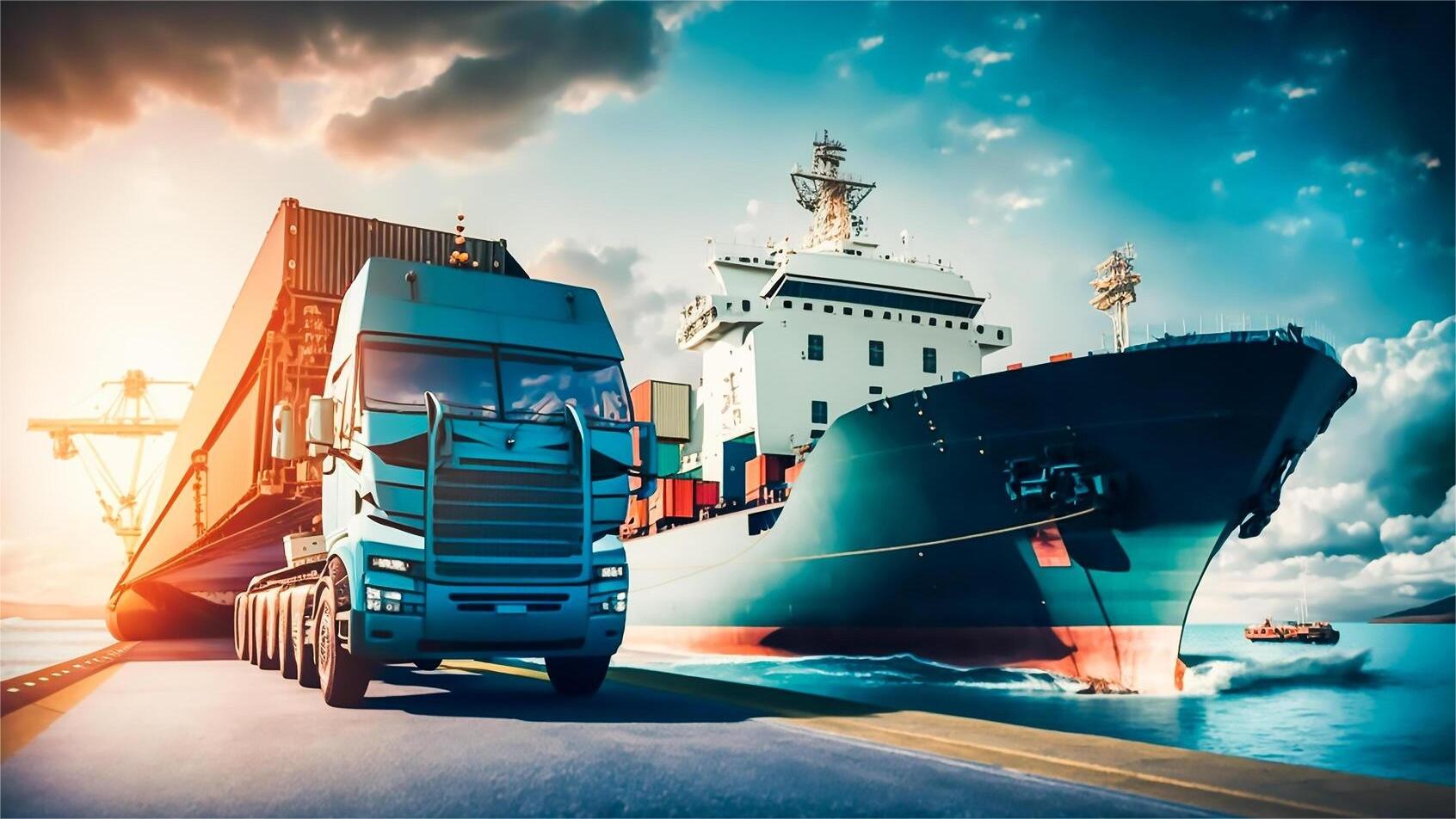
Reliable Rail Freight from Shenzhen to Italy: Your Logistics Partner
Navigating international logistics can be complex, especially when seeking a balance between speed and cost. For businesses looking for reliable rail freight from Shenzhen to Italy, the New Silk Road offers an increasingly attractive solution. This comprehensive guide details how rail transport streamlines your supply chain, ensuring timely and secure delivery.

Why Choose Reliable Rail Freight from Shenzhen to Italy?
Indeed, businesses today demand efficient and predictable shipping solutions. Rail freight along the New Silk Road has emerged as a formidable alternative to traditional sea or air transport from China to Europe. It bridges the gap between speed and affordability, offering a compelling proposition for many importers.
Moreover, the route from Shenzhen, a major manufacturing hub, to various destinations in Italy, provides a direct and streamlined connection. Consequently, this method can significantly reduce transit times compared to ocean shipping, while remaining far more cost-effective than air freight. This makes it ideal for a diverse range of goods.
Understanding the Rail Freight Route from Shenzhen to Italy
Typically, the journey begins at a major rail terminal in or near Shenzhen, such as Shenzhen North or a nearby hub like Guangzhou. From there, cargo embarks on a transcontinental journey across Central Asia and Eastern Europe. This intricate network is meticulously managed to ensure continuous movement.
Furthermore, trains pass through countries like Kazakhstan, Russia, Belarus, and Poland before reaching key European distribution points. Finally, dedicated rail links or trucking services then transport goods to their ultimate destinations across Italy, including major industrial centers like Milan, Bologna, and Rome. This entire process is designed for optimal efficiency.
The infrastructure supporting this route has seen significant investment, thus enhancing reliability and capacity. Therefore, understanding these key stages helps businesses plan their logistics more effectively. It also prepares them for potential customs checkpoints along the way.
Key Advantages of Rail Freight for Your Cargo
Firstly, one of the primary benefits is the improved transit time. Rail freight typically offers a transit window of 18-25 days from Shenzhen to Italy, which is considerably faster than sea freight’s 30-40 days. This speed advantage is crucial for time-sensitive goods and managing inventory.
Secondly, it presents a significantly more economical option compared to air freight, often costing 70-80% less. In addition, rail transport is generally more environmentally friendly, boasting a smaller carbon footprint than air or sea options. This appeals to companies with sustainability goals.
Moreover, rail freight offers enhanced security for your cargo. Containers are sealed and tracked throughout their journey, reducing the risk of theft or damage. Therefore, for businesses seeking secure and efficient rail freight solutions, this method provides significant peace of mind. It is a robust choice for various cargo types.
How Does Rail Freight Compare to Other Shipping Options?
When considering shipping from Shenzhen to Italy, businesses often weigh rail freight against sea and air options. Each method possesses distinct characteristics regarding cost, speed, and suitability for different cargo types. Making an informed decision requires a clear understanding of these trade-offs.
In contrast, sea freight remains the most cost-effective for large volumes and heavy cargo, albeit with the longest transit times. However, air freight provides unparalleled speed for urgent shipments, though at a premium price point. Comparatively, rail freight strikes a beneficial balance, offering a mid-range solution.
Therefore, selecting the right mode depends entirely on your specific supply chain requirements, budget constraints, and the urgency of your delivery schedule. Consider these factors carefully to optimize your logistics strategy. Here is a brief comparison:
| Shipping Method | Cost Range (40HQ est.) | Transit Time (days) | Best For | Limitations |
|---|---|---|---|---|
| Rail Freight | $6,000 – $9,000 | 18 – 25 | Mid-to-high value, moderate urgency, regular shipments | Less flexible routes, limited capacity vs. sea |
| Sea Freight | $3,000 – $4,500 | 30 – 40 | Bulk cargo, low-value goods, large volumes, lowest cost | Long transit times, susceptible to port congestion |
| Air Freight | $15,000 – $25,000+ | 5 – 7 | High-value, urgent, small volume, perishable goods | Highest cost, volume/weight restrictions, environmental impact |
Navigating Customs and Documentation for Shenzhen to Italy Shipments
Crucially, successful international rail freight hinges on meticulous customs clearance and accurate documentation. Proper preparation prevents delays and ensures smooth transit across multiple borders. Each country along the New Silk Road has its own specific requirements.
Therefore, key documents typically include the commercial invoice, packing list, bill of lading (or CIM consignment note for rail), and certificates of origin. Moreover, specific goods may require additional licenses or permits, especially for controlled or regulated items. Compliance is paramount.
Engaging a reliable forwarder who specializes in customs brokerage is highly recommended. They can navigate the complexities of multi-country customs procedures, ensuring all declarations are accurate and submitted on time. This expertise minimizes risks and streamlines the entire import/export process for your cargo.
Optimizing Your Rail Freight Strategy: Tips and Best Practices
To maximize the benefits of rail freight from Shenzhen to Italy, several best practices should be adopted. Firstly, consolidate your shipments whenever possible to fill containers efficiently. This approach can significantly reduce per-unit shipping costs and optimize space utilization.
Furthermore, plan your shipments well in advance, especially during peak seasons like Chinese New Year or holiday periods in Europe. Booking early helps secure space and often results in better freight rates. This proactive planning is a cornerstone of effective logistics.
Accordingly, consider using door to door services. This comprehensive solution handles all aspects of your shipment, from factory pickup in Shenzhen to final delivery in Italy. It simplifies the process and minimizes the need for multiple logistics providers, enhancing overall efficiency and reducing potential handover issues. It truly offers end-to-end convenience.

Case Studies: Successful Rail Shipments from Shenzhen to Italy
These real-world examples demonstrate the practical advantages and capabilities of utilizing rail freight for various goods from Shenzhen to Italy. They highlight how diverse businesses leverage this route for their specific logistics needs. These insights are based on Q3 2024 market rates and typical operational timelines.
Case Study 1: Electronics Components for Milan
This case involved a technology company importing sensitive electronics. Speed was crucial, but air freight was too expensive for the volume. Rail freight provided the ideal balance. The cargo arrived securely and on schedule, meeting production deadlines.
| Detail | Value |
|---|---|
| Route | Shenzhen, China -> Milan, Italy |
| Cargo | Electronics components, 25 CBM, 8,000 kg |
| Container | 1x 40HQ (LCL consolidated) |
| Carrier/Service | Major rail operator via Xi’an hub |
| Port of Loading | Shenzhen Railway Station (via local drayage) |
| Port of Discharge | Milan (Melzo Interporto) |
| Route Type | Direct rail service via Kazakhstan/Poland |
| Ocean Freight (Rail) | $7,200 |
| Origin Charges | $450 |
| Destination Charges | $600 |
| Customs & Duties (est.) | $1,100 |
| Total Landed Cost | $9,350 |
| Booking to Loading | 3 days |
| Rail Transit | 20 days |
| Customs Clearance | 2 days |
| Total Door-to-Door | 25 days |
| Key Insight | Optimal balance of cost and speed for high-value, time-sensitive goods. |
Case Study 2: Fashion Apparel for Florence
A fashion brand needed to replenish seasonal inventory quickly without the high cost of air freight. The apparel, packed in cartons, required careful handling. Rail transport ensured timely arrival for retail distribution. This helped them capture market opportunities effectively.
| Detail | Value |
|---|---|
| Route | Shenzhen, China -> Florence, Italy |
| Cargo | Fashion Apparel, 15 CBM, 4,500 kg |
| Container | LCL 15 CBM |
| Carrier/Service | Consolidator via Chengdu hub |
| Port of Loading | Shenzhen (via local drayage to consolidation point) |
| Port of Discharge | Florence (Interporto Toscano) |
| Route Type | LCL rail service via Poland/Germany |
| Ocean Freight (Rail) | $4,500 |
| Origin Charges | $300 |
| Destination Charges | $400 |
| Customs & Duties (est.) | $700 |
| Total Landed Cost | $5,900 |
| Booking to Loading | 4 days |
| Rail Transit | 23 days |
| Customs Clearance | 3 days |
| Total Door-to-Door | 30 days |
| Key Insight | Cost-effective for moderate volumes, crucial for seasonal inventory turns. |
Case Study 3: Industrial Machinery Parts for Turin
This shipment involved heavy, non-urgent machinery parts. While sea freight was an option, the client prioritized reducing overall transit time slightly for project continuity. Rail offered a good compromise without significantly increasing costs. The robust nature of rail transport suited the heavy cargo.
| Detail | Value |
|---|---|
| Route | Shenzhen, China -> Turin, Italy |
| Cargo | Industrial Machinery Parts, 28 CBM, 12,000 kg |
| Container | 1x 40GP |
| Carrier/Service | Major carrier via Zhengzhou hub |
| Port of Loading | Shenzhen (local drayage) |
| Port of Discharge | Turin (Interporto Sito) |
| Route Type | Direct rail service via Russia/Germany |
| Ocean Freight (Rail) | $6,800 |
| Origin Charges | $500 |
| Destination Charges | $700 |
| Customs & Duties (est.) | $1,300 |
| Total Landed Cost | $9,300 |
| Booking to Loading | 5 days |
| Rail Transit | 22 days |
| Customs Clearance | 2 days |
| Total Door-to-Door | 29 days |
| Key Insight | Reliable for heavy, less time-critical cargo, offering a balance between sea and air. |
Which Option Should You Choose for Your Shenzhen-Italy Shipments?
Deciding on the best shipping method involves evaluating your specific priorities. Consider these factors to make an informed choice for your shipping from China to Europe. Each option presents distinct advantages and disadvantages.
If your primary concern is budget priority and you have large volumes of non-urgent goods, sea freight is typically the most economical choice. Conversely, for extreme speed priority and high-value, lightweight cargo, air freight remains unmatched. However, prepare for significantly higher costs.
Ultimately, if you need a balanced approach, offering a good compromise between cost and speed, reliable rail freight from Shenzhen to Italy is often the superior option. This method is particularly suitable for regular shipments of mid-to-high value goods. It provides a reliable and efficient alternative for your supply chain.
For cargo type considerations, fragile or sensitive items benefit from the stable environment of rail or air. Volume thresholds also play a role; for shipments under 15 CBM, LCL sea or rail might be more economical than a full container. Always assess your cargo’s unique requirements.
Market Insights and Future of China-Europe Rail Freight
Currently, the China-Europe rail freight market continues to evolve rapidly. As of Q1 2025, freight rates from China to Europe have stabilized after the 2024 Red Sea disruptions, which saw increased demand for rail as an alternative. This stability provides more predictable shipping costs.
However, seasonal patterns still significantly influence pricing and capacity. Rates typically increase 15-25% during August-October peak season, driven by holiday demand and factory production cycles. Therefore, booking well in advance during these periods is essential to secure space and avoid premium charges.
Looking ahead, investment in infrastructure and digital tracking solutions continues to enhance the reliability and efficiency of rail services. Market data suggests that rail will play an increasingly vital role in global supply chains, offering a resilient option for shipping from China to Europe. This sustained growth underscores its importance. Note: Freight rates are subject to change based on fuel costs, carrier capacity, and seasonal demand. Contact us for a current quote tailored to your specific shipment.
Conclusion
In summary, <a href=”https://topchinaforwarder.com/services/rail-freight/”>reliable rail freight from Shenzhen to Italy</a> presents a compelling solution for businesses seeking an optimal balance of speed, cost-effectiveness, and environmental responsibility. By understanding the route, managing documentation, and partnering with experienced forwarders, you can significantly enhance your logistics operations.
Embrace the efficiency of the New Silk Road for your next shipment. This strategic choice can lead to more predictable delivery schedules and improved inventory management, ultimately strengthening your competitive edge in the European market.
Need a tailored shipping solution?
Ready to optimize your supply chain with reliable rail freight from Shenzhen to Italy? Partner with Top China Forwarder for expert solutions tailored to your unique needs. Contact us today for a personalized quote and experience seamless international shipping.