

Reliable FCL Shipping from Shenzhen to Netherlands: Your Expert Guide
“Navigating international logistics can be complex, especially when seeking reliable FCL shipping from Shenzhen to Netherlands. Businesses often face challenges with transit times, freight rates, and customs procedures. This comprehensive guide provides expert insights to streamline your supply chain and ensure your full container loads reach their destination efficiently. For dependable global shipping solutions, visit Top China Forwarder.”
What is FCL Shipping and Why Choose It for Netherlands?
❖Full Container Load (FCL) shipping involves reserving an entire container for your goods, offering exclusive use and enhanced security. This method is ideal for larger shipments that can fill a 20-foot (20GP), 40-foot (40GP), or 40-foot High Cube (40HQ) container. Consequently, it minimizes handling and reduces the risk of damage, providing peace of mind.
Choosing FCL for your Shenzhen to Netherlands route provides several advantages, including faster transit times compared to LCL and greater control over your cargo. Moreover, for businesses shipping substantial volumes, FCL often proves to be the most cost-effective solution per unit, supporting a more predictable delivery schedule. This efficiency is critical for maintaining supply chain integrity.
Furthermore, FCL shipping is particularly suitable for high-value goods or fragile items that benefit from minimal handling during transit. Therefore, many businesses prioritize FCL for its security and directness, especially when importing goods to the European market. It simplifies the international shipping process significantly.
Key Considerations for Reliable FCL Shipping from Shenzhen to Netherlands
❖Planning FCL shipments requires careful consideration of various factors to ensure a smooth process. Firstly, understanding current freight rates and potential surcharges is essential for accurate budgeting and avoiding unexpected costs. Furthermore, port congestion and seasonal demand can significantly impact both expenses and transit times for your full container load.
Moreover, selecting the right container size is crucial for optimizing space and avoiding unnecessary expenses. Importers must also prepare meticulously for customs clearance in the Netherlands, including all necessary documentation and compliance with EU regulations. A detailed customs brokerage plan is vital for seamless entry.
Additionally, the reputation and reliability of your chosen freight forwarder play a significant role in the success of your shipment. A seasoned partner can navigate complexities, offering insights into optimal routes and managing potential disruptions. This expertise helps secure reliable FCL shipping from Shenzhen to Netherlands.
Choosing the Right FCL Container Type
The standard 20GP container is suitable for heavy cargo with smaller volume, holding approximately 28-30 CBM and up to 28,000 kg. Conversely, the 40GP and 40HQ containers offer greater volume capacity, around 60-70 CBM and 76 CBM respectively, making them ideal for bulky or lighter goods. Your choice directly impacts your overall shipping costs and efficiency.
Therefore, assessing your cargo’s weight, dimensions, and cubic meter (CBM) requirements is a primary step in your logistics planning. Consulting with a logistics expert can help determine the most economical and suitable container for your specific full container load. This decision profoundly affects your shipping strategy and overall FCL shipping costs Shenzhen Netherlands.
The FCL Shipping Process from Shenzhen to Netherlands Explained
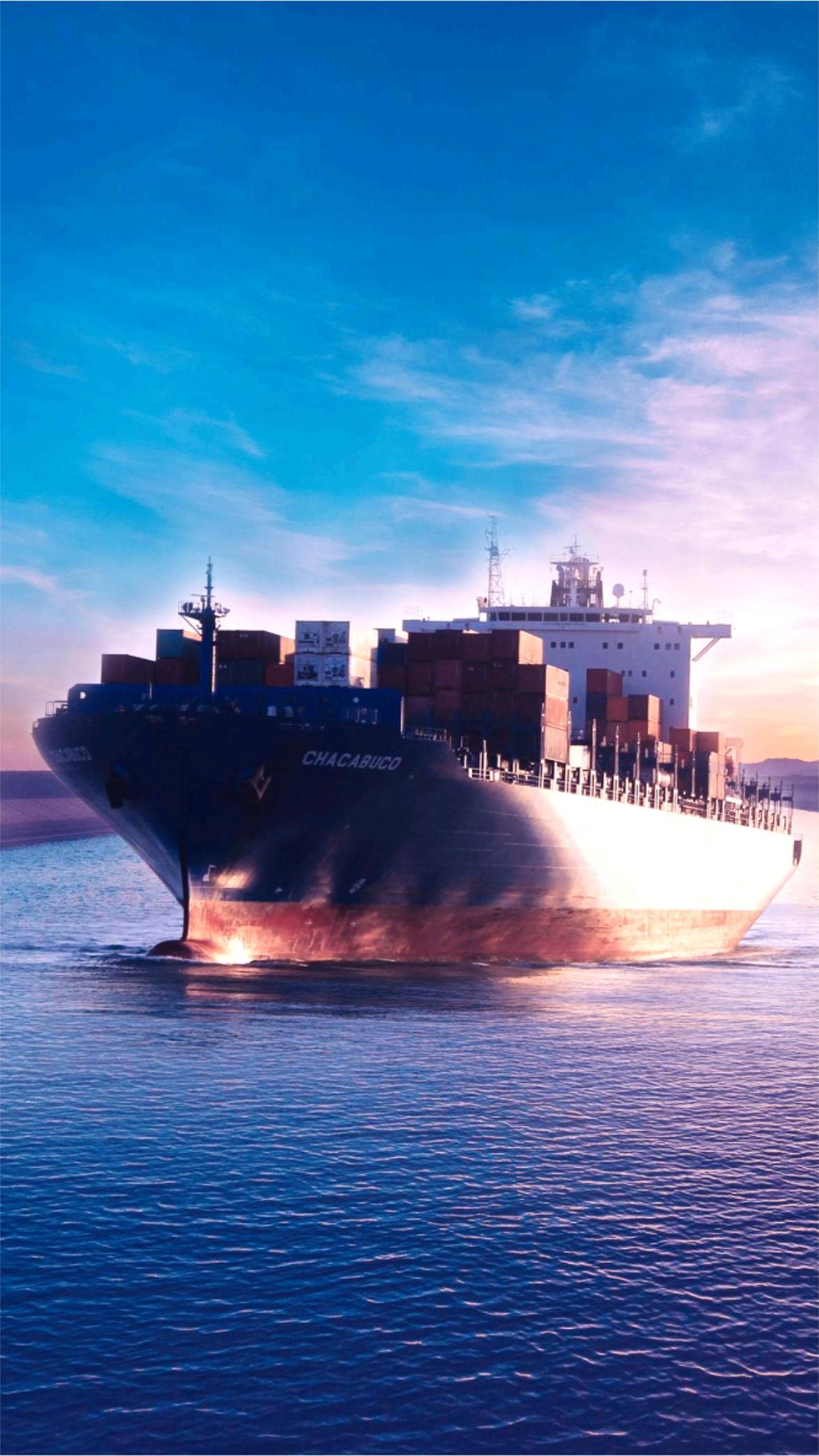
❖The FCL shipping process typically begins with booking your container and arranging for cargo pickup from your supplier in Shenzhen. Subsequently, the container is transported to the port of loading, usually Yantian or Shekou, for vessel loading. This initial phase requires precise coordination to meet vessel cut-off times and avoid delays.
Once loaded, the vessel embarks on its journey across the ocean to a major port in the Netherlands, primarily Rotterdam. The sea transit phase represents the longest part of the journey, with typical transit time Shenzhen to Rotterdam ranging from 28 to 35 days. During this period, cargo tracking provides peace of mind.
Upon arrival, the container undergoes customs inspection and clearance, a critical step requiring accurate documentation and adherence to EU import regulations. Following clearance, the container is transported by truck or rail to your final destination in the Netherlands. Consider a reliable door-to-door service for seamless final delivery, simplifying your supply chain operations.
Optimizing Your FCL Shipping Route and Costs
❖To truly optimize your FCL shipping from Shenzhen to Netherlands, consider flexible booking times, strategically avoiding peak seasons when rates are highest. Furthermore, consolidating multiple orders to fill containers more efficiently can lead to significant cost savings per unit. Strategic planning is key to reducing your full container load costs.
Additionally, exploring different carrier options and their service levels can yield better pricing and transit times. Partnering with a freight forwarder who has strong relationships with multiple carriers can provide access to competitive sea freight rates and reliable schedules. This ensures a robust delivery schedule.
Moreover, understanding the nuances of different ports in Shenzhen (e.g., Yantian, Shekou) and their direct services to Rotterdam can impact speed and cost. Direct services often offer shorter transit times, while transshipment options might be more economical, though longer. Therefore, balancing speed and budget is crucial for optimizing supply chain Shenzhen Netherlands.
How Does FCL Compare to Other Shipping Options?
❖When evaluating shipping methods from Shenzhen to the Netherlands, FCL sea freight stands out for its balance of cost-effectiveness and capacity for large volumes. However, businesses often consider alternatives like LCL, air freight, or even rail freight for specific needs. Each option presents distinct trade-offs in terms of speed, cost, and cargo suitability.
For instance, while FCL offers dedicated container space and generally lower per-unit costs for large shipments, air freight provides unparalleled speed for urgent deliveries. Conversely, LCL (Less than Container Load) is more economical for smaller volumes that don’t justify a full container, albeit with longer transit times and more handling. Understanding these differences is vital for informed decision-making.
Shipping Method Comparison (Shenzhen to Netherlands)
This table provides a concise overview of the primary shipping methods available from Shenzhen to the Netherlands, highlighting their key characteristics. These are typical rates as of early 2025, subject to market fluctuations.
| Shipping Method | Cost Range (per kg/CBM) | Transit Time | Best For | Limitations |
|---|---|---|---|---|
| FCL Sea Freight | $0.05-$0.15/kg | $50-$150/CBM (40HQ) | 28-35 days | Large, non-urgent shipments, volume & cost-sensitive cargo | Slower than air, longer lead times, requires full container |
| LCL Sea Freight | $0.10-$0.25/kg | $80-$200/CBM | 35-45 days | Smaller shipments (under 15 CBM), flexible volume but more handling | Longer transit, potential delays due to consolidation, higher handling fees |
| Air Freight | $3-$8/kg | 5-8 days | Urgent, high-value, perishable goods, speed, minimal handling | Very high cost, limited by cargo size/weight, environmental impact |
| Rail Freight | $0.80-$1.50/kg | 18-25 days | Mid-to-large size, non-urgent, specific routes (e.g., China-Europe Express) | Faster than sea, cheaper than air, limited routes, less frequent departures, potential border delays |
Which Option Should You Choose? A Decision Framework
Your ideal shipping solution hinges on several critical factors: budget priority, speed requirements, and the nature of your cargo. If budget is your primary concern and you have significant volume, FCL sea freight is typically the most economical choice. Therefore, careful financial planning is essential.
Conversely, if speed is paramount for urgent deliveries or high-value, time-sensitive goods, air freight is the clear winner, despite its higher costs. For smaller, less urgent shipments that don’t justify a full container, LCL sea freight offers a viable compromise. Furthermore, for a balance of speed and cost, rail freight can be a compelling option for certain European destinations, offering a middle ground.
Consider cargo type as well; hazardous materials or extremely fragile goods might require specific handling or dedicated container space, influencing your choice. A thorough assessment of these variables ensures you select the most appropriate and cost-effective method for your international shipping documentation needs.
Real-World FCL Shipping Scenarios: Shenzhen to Netherlands
❖Understanding how FCL logistics play out in practice is crucial for effective planning. These real-world examples illustrate the complexities and successful outcomes of shipping various cargo types from Shenzhen to the Netherlands. They highlight typical challenges and solutions encountered, offering practical insights.
These case studies, based on Q3 2024 market rates, demonstrate the factors influencing cost, transit time, and overall reliability. They provide a practical perspective on managing your international supply chain and selecting a reliable logistics partner China Europe. Note: Freight rates are subject to change based on fuel costs, carrier capacity, and seasonal demand. Contact us for a current quote tailored to your specific shipment. Market data suggests rates typically increase 15-25% during August-October peak season.
Case Study 1: Electronics from Shenzhen to Rotterdam
| Key Detail | Value |
|---|---|
| Route | Shenzhen (Yantian) -> Rotterdam, Netherlands |
| Cargo | Consumer Electronics, 65 CBM, 12,000 kg |
| Container | 40HQ |
| Carrier/Service | Maersk (Direct Service) |
| Port of Loading | Yantian |
| Port of Discharge | Rotterdam |
| Route Type | Direct |
| Ocean Freight | $3,800 |
| Origin Charges (THC, documentation) | $450 |
| Destination Charges | $550 |
| Customs & Duties (estimated) | $1,500 |
| Total Landed Cost | $6,300 |
| Booking to Loading | 3 days |
| Sea Transit | 30 days |
| Customs Clearance | 2 days |
| Total Door-to-Door | 35 days |
| Key Insight | Direct service avoided transshipment delays, ensuring timely delivery for a product launch. This optimized the transit time Shenzhen to Rotterdam. |
Case Study 2: Textiles from Shenzhen to Amsterdam
| Key Detail | Value |
|---|---|
| Route | Shenzhen (Shekou) -> Amsterdam, Netherlands |
| Cargo | Apparel & Textiles, 58 CBM, 8,500 kg |
| Container | 40GP |
| Carrier/Service | COSCO (Transshipment via Singapore) |
| Port of Loading | Shekou |
| Port of Discharge | Rotterdam (then rail to Amsterdam) |
| Route Type | Transshipment via Singapore |
| Ocean Freight | $3,100 |
| Origin Charges (THC, documentation) | $400 |
| Destination Charges | $600 |
| Customs & Duties (estimated) | $1,200 |
| Total Landed Cost | $5,300 |
| Booking to Loading | 4 days |
| Sea Transit | 38 days |
| Customs Clearance | 3 days |
| Total Door-to-Door | 45 days |
| Key Insight | Opting for transshipment offered a 15% cost saving, though it added 8 days to the transit time. This was a strategic choice for lower FCL shipping costs Shenzhen Netherlands. |
Case Study 3: Machinery Parts from Shenzhen to Eindhoven
| Key Detail | Value |
|---|---|
| Route | Shenzhen (Yantian) -> Eindhoven, Netherlands |
| Cargo | Industrial Machinery Parts, 25 CBM, 20,000 kg |
| Container | 20GP |
| Carrier/Service | MSC (Direct Service) |
| Port of Loading | Yantian |
| Port of Discharge | Rotterdam |
| Route Type | Direct |
| Ocean Freight | $2,500 |
| Origin Charges (THC, documentation) | $380 |
| Destination Charges | $520 |
| Customs & Duties (estimated) | $900 |
| Total Landed Cost | $4,300 |
| Booking to Loading | 2 days |
| Sea Transit | 32 days |
| Customs Clearance | 2 days |
| Total Door-to-Door | 38 days |
| Key Insight | The heavy cargo required a 20GP container, despite lower CBM, to meet weight restrictions, demonstrating payload optimization for full container load benefits. |
Ensuring Smooth Customs Clearance in the Netherlands
❖Efficient customs clearance is paramount for avoiding delays and additional costs when importing into the Netherlands. Importers must provide accurate documentation, including the commercial invoice, packing list, bill of lading, and any required permits or certificates of origin. Errors in these documents can lead to significant hold-ups and penalties.
Furthermore, understanding import duties, VAT regulations, and specific product compliance standards (e.g., CE marking for electronics) is crucial for a seamless process. Engaging a knowledgeable customs brokerage service ensures adherence to all legal requirements, simplifying the process considerably. This expertise is vital for navigating complex EU import regulations for FCL.
Additionally, proactive communication with your freight forwarder regarding customs requirements can prevent last-minute issues. They can guide you through pre-clearance procedures and advise on any necessary declarations. This preparation is key to maintaining your delivery schedule and optimizing your logistics trends.
Partnering for Reliable FCL Shipping from Shenzhen to Netherlands
❖Selecting an experienced freight forwarder is crucial for navigating the complexities of international FCL shipping. A reputable partner offers expertise in route optimization, carrier selection, and managing potential disruptions, ensuring your cargo moves efficiently from Shenzhen to its Dutch destination. They act as an extension of your supply chain.
Indeed, a strong logistics partner provides transparency, proactive communication, and tailored solutions for your specific supply chain needs. This collaboration is vital for achieving consistent and reliable delivery schedules and minimizing potential risks. They are key to reliable FCL shipping from Shenzhen to Netherlands.
Moreover, a professional forwarder can offer value-added services such as cargo insurance, warehousing, and distribution, creating a comprehensive logistics package. This holistic approach ensures your goods are handled with care and delivered on time, every time. For dependable Shenzhen freight forwarders to Netherlands, research is essential.
Conclusion: Securing Your Supply Chain with Reliable FCL Shipping
In summary, achieving reliable FCL shipping from Shenzhen to Netherlands requires meticulous planning, strategic decision-making, and a deep understanding of international logistics. By choosing the right container, optimizing routes, and partnering with an experienced freight forwarder, businesses can ensure efficient and predictable delivery of their goods.
This comprehensive approach ultimately strengthens your supply chain, minimizes risks, and supports your market presence in Europe. Investing in a robust FCL strategy is not just about moving goods; it’s about building a resilient and cost-effective logistics network for your business. Therefore, prioritize reliability and expertise for your next full container load shipment.
Ready to streamline your logistics?
Ready to optimize your FCL shipping from Shenzhen to Netherlands? Contact our experts today for a personalized consultation and a competitive quote. We are committed to providing reliable, efficient, and cost-effective full container load solutions tailored to your business requirements.
Request Quote