Reefer FCL Space for Auto Parts: China to Spain Shipping Guide
“Securing consistent reefer FCL space availability for auto parts from China to Spain is a critical challenge for many automotive suppliers. Maintaining specific temperature conditions during transit protects sensitive components from damage and degradation. This comprehensive guide, brought to you by Top China Forwarder, explores key strategies and insights to ensure your shipments arrive safely and on schedule.”
What is Reefer FCL and Why is it Essential for Auto Parts?
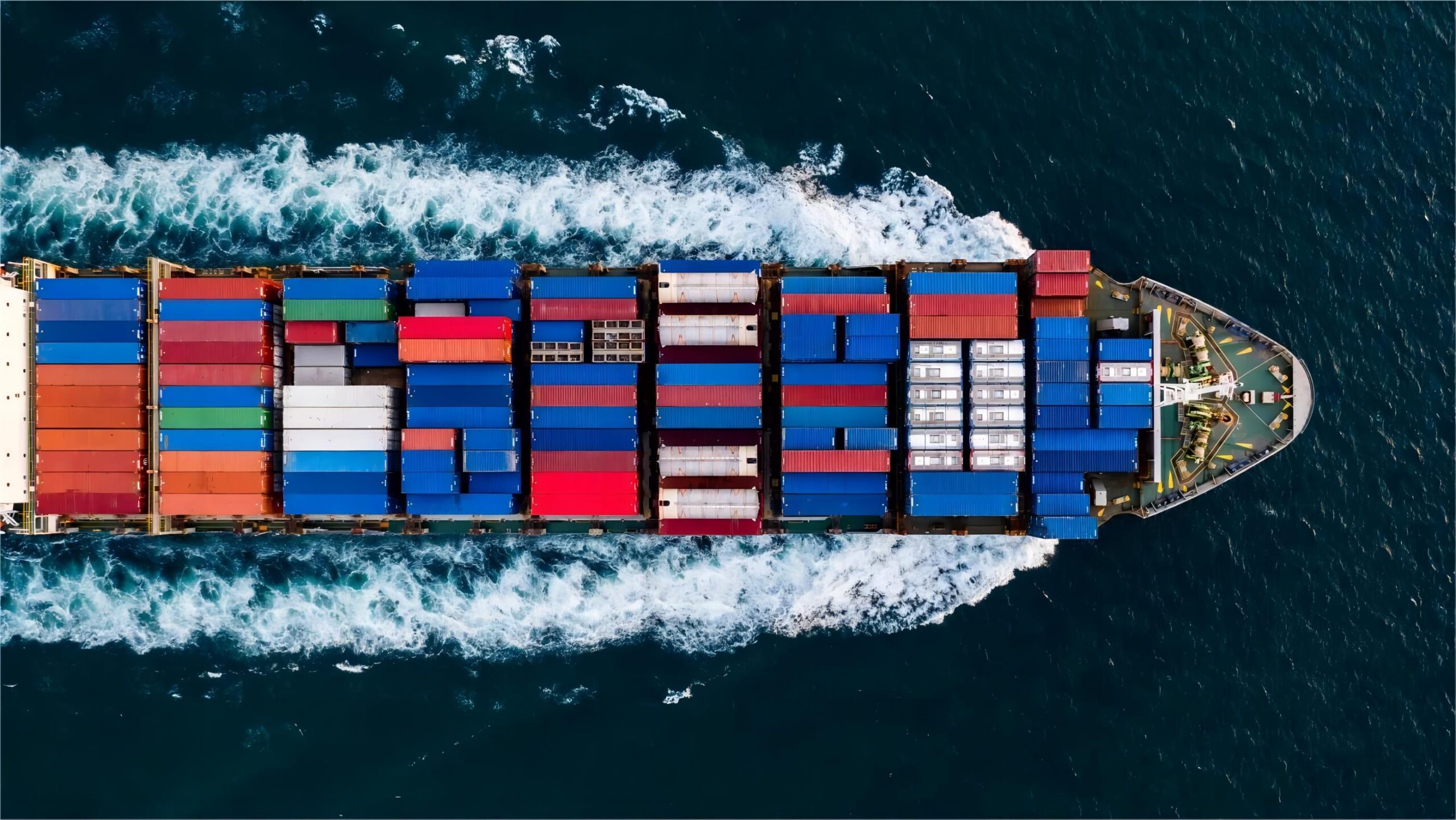
❖Reefer FCL, or Refrigerated Full Container Load, refers to shipping an entire container that is temperature-controlled. This method is vital for auto parts that require a stable environment, such as electronic components, advanced battery cells, or specialized chemical resins. Maintaining a consistent temperature prevents thermal shock and humidity-related damage.
Crucially, many modern automotive components are highly sensitive to environmental fluctuations. Consequently, selecting the correct reefer settings and ensuring their continuous operation is paramount. This specialized sea freight service safeguards your valuable cargo throughout the long journey from China to Spain.

Navigating Reefer FCL Space Availability from China to Spain
❖Finding consistent reefer FCL space availability for auto parts from China to Spain can be complex. Market demand, seasonal peaks, and global logistics trends significantly influence capacity. Therefore, early booking and strong relationships with carriers are crucial for securing your required slots.
Moreover, port congestion at major Chinese hubs like Shanghai, Ningbo, and Shenzhen can impact departure schedules. Similarly, arrival ports in Spain, such as Valencia, Barcelona, and Algeciras, also experience varying levels of congestion. Proactive planning helps mitigate potential delays, ensuring timely delivery schedules.
Indeed, understanding these dynamics is key to successful cold chain logistics. Furthermore, working with an experienced freight forwarder provides access to consolidated networks and priority booking options, improving your chances of securing space even during peak seasons.
Key Challenges in Cold Chain Logistics for Automotive Components
❖Several challenges arise when shipping temperature-sensitive car parts from China to Spain. Maintaining precise temperature ranges throughout the entire transit, including during transshipment and port handling, is a primary concern. Any deviation can compromise product integrity and lead to costly rejections.
Another significant hurdle involves customs clearance for auto parts in Spain. Strict import regulations and documentation requirements demand meticulous preparation. For instance, incorrect classification or missing permits can cause substantial delays and additional charges, disrupting your supply chain. Therefore, expert customs brokerage is indispensable.
Ultimately, monitoring and real-time tracking of reefer shipments are vital. Unexpected power outages or mechanical failures in reefer units can occur. Consequently, having robust contingency plans and advanced tracking systems ensures immediate intervention and minimizes risks to your valuable cargo.
Optimizing Your Cold Chain Supply Chain for Auto Parts
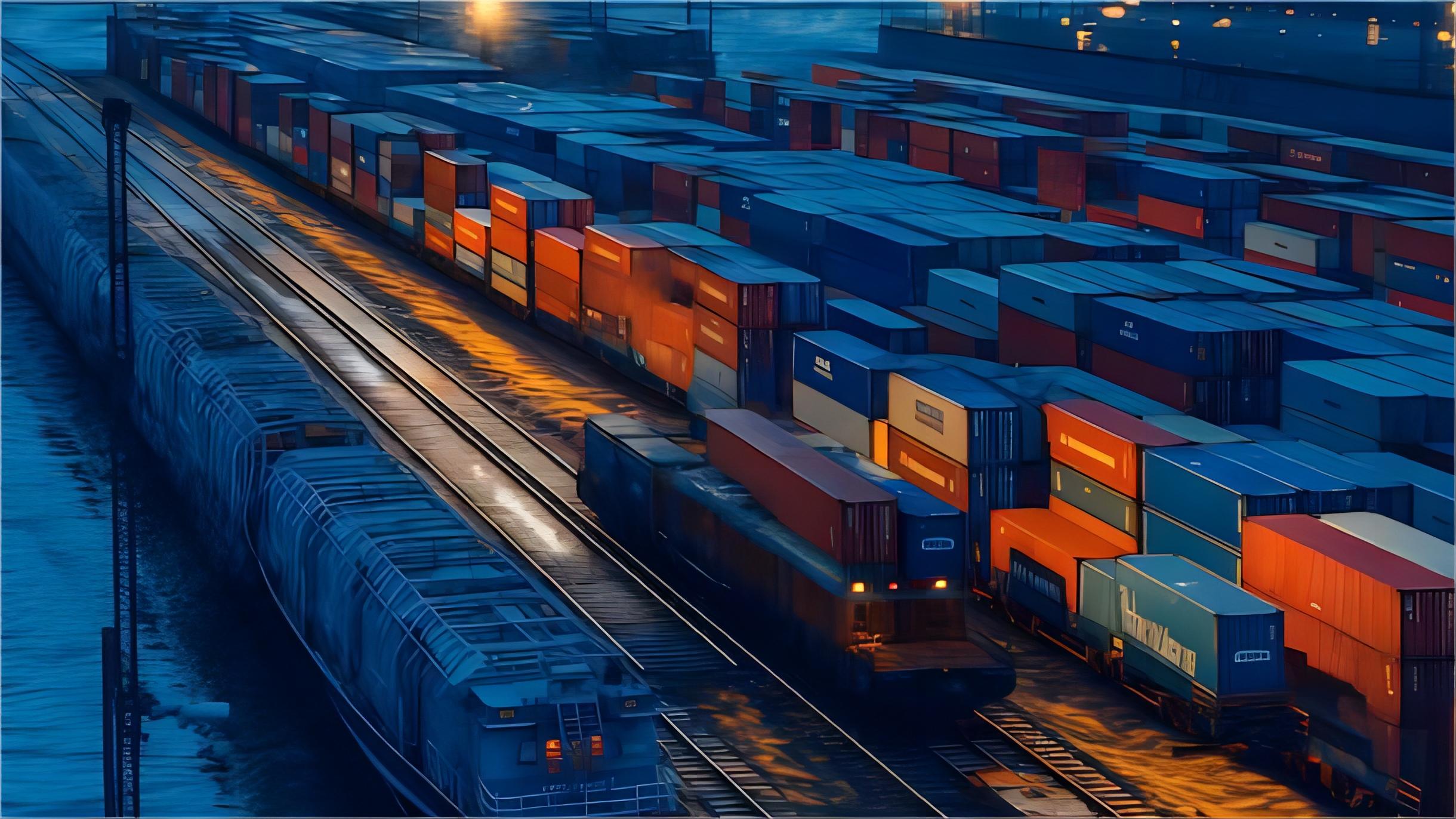
❖To optimize your cold chain supply chain, consider a multi-faceted approach focusing on planning and execution. Firstly, forecast demand accurately to book reefer FCL space well in advance. This proactive strategy helps avoid last-minute rush charges and secures better freight rates.
Secondly, implement robust temperature monitoring solutions within your containers. These systems provide continuous data, allowing for immediate alerts if temperatures deviate. Moreover, partnering with a provider offering door to door services ensures end-to-end control and accountability, from factory to final destination.
Finally, always have a contingency plan for potential disruptions. This includes alternative routes, backup carriers, or even temporary storage solutions. Such preparedness is essential for managing supply chain disruptions effectively, especially for critical automotive components.
How Does Reefer FCL Compare to Other Shipping Options?
❖When considering shipping auto parts from China to Spain, understanding the trade-offs between various methods is crucial. While reefer FCL offers unparalleled temperature control, other options might suit different cargo types or urgency levels. Consequently, a balanced decision framework is essential.
For example, standard dry FCL containers are far less expensive but lack temperature control, making them unsuitable for sensitive components. Conversely, air freight provides speed but at a significantly higher cost, often prohibitive for large volumes. This section compares viable alternatives for your automotive logistics needs.
| Shipping Method | Cost Range (40HQ) | Transit Time | Best For | Limitations |
|---|---|---|---|---|
| Reefer FCL Sea Freight | $3,500 – $5,500 | 28-35 days | Temperature-sensitive, high-volume auto parts | Long transit times, limited space availability |
| Standard FCL Sea Freight | $3,000 – $4,500 | 28-35 days | Non-temperature-sensitive, high-volume auto parts | No temperature control, port congestion |
| Air Freight (General Cargo) | $15,000 – $25,000 | 5-7 days | Urgent, high-value, low-volume auto parts | Very high cost, volume/weight restrictions |
| LCL Reefer Sea Freight | $100 – $180/CBM | 30-40 days | Small, temperature-sensitive auto parts | Slightly longer transit, consolidation delays |
| Rail Freight (Reefer) | $8,000 – $12,000 | 18-22 days | Temperature-sensitive, medium-volume, faster than sea | Limited routes, higher cost than sea freight |
Which Reefer FCL Option Should You Choose?
❖Selecting the optimal reefer FCL solution depends on your specific priorities. Consider your budget, urgency, and the nature of your auto parts. Each factor plays a significant role in determining the most cost-effective reefer shipping solutions.
If budget is your primary concern, standard reefer FCL sea freight offers the best balance of cost and temperature control. However, if speed is paramount for critical components, a hybrid solution combining rail for the initial leg in Europe and then road transport might be considered. Cargo type considerations are also vital; extremely fragile or high-value items may warrant additional insurance or specialized handling.
For smaller, temperature-sensitive shipments, LCL reefer could be a viable alternative to FCL, though it may involve slightly longer transit times due to consolidation. Volume thresholds for switching methods are important; typically, anything above 15-20 CBM benefits from FCL rates and dedicated container space.
Real-World Scenarios: Reefer FCL for Auto Parts
❖Understanding how reefer FCL operates in practice helps clarify its benefits and challenges. These case studies illustrate common scenarios for shipping auto parts from China to Spain, demonstrating the complexities and successful strategies involved.
Based on Q3 2024 market rates, these examples provide realistic insights into transit times and cost implications. They highlight the importance of meticulous planning and expert logistics partnerships for secure cold chain logistics auto components.
Case Study 1: High-Value Electronic Control Units (ECUs)
This shipment involved sensitive ECUs requiring precise temperature and humidity control. The client prioritized product integrity over minimal cost, opting for a direct reefer service to minimize transit risks.
| Detail | Value |
|---|---|
| Route | Shanghai, China to Valencia, Spain |
| Cargo | Electronic Control Units (ECUs), 25 CBM, 8,000 kg |
| Container | 40HQ Reefer |
| Shipping Details | Carrier: COSCO, Port of Loading: Shanghai, Port of Discharge: Valencia, Route Type: Direct |
| Cost Breakdown | Ocean Freight: $4,800, Origin Charges: $450, Destination Charges: $550, Customs & Duties (estimated): $1,200, Total Landed Cost: $7,000 |
| Timeline | Booking to Loading: 7 days, Sea Transit: 30 days, Customs Clearance: 3 days, Total Door-to-Door: 40 days |
| Key Insight | Direct route ensured minimal handling and stable conditions, crucial for high-value electronics. Real-time monitoring provided peace of mind. |
Case Study 2: Lithium-Ion Battery Cells for EVs
Shipping lithium-ion battery cells necessitates strict temperature control and adherence to dangerous goods regulations. This project demanded a forwarder experienced in both reefer and hazardous materials transport.
| Detail | Value |
|---|---|
| Route | Ningbo, China to Barcelona, Spain |
| Cargo | Lithium-Ion Battery Cells (UN3480), 20 CBM, 10,000 kg |
| Container | 20GP Reefer (DG certified) |
| Shipping Details | Carrier: Maersk, Port of Loading: Ningbo, Port of Discharge: Barcelona, Route Type: Transshipment via Singapore |
| Cost Breakdown | Ocean Freight: $3,900, Origin Charges: $600 (incl. DG handling), Destination Charges: $700, Customs & Duties (estimated): $1,500, Total Landed Cost: $6,700 |
| Timeline | Booking to Loading: 10 days, Sea Transit: 38 days, Customs Clearance: 4 days, Total Door-to-Door: 55 days |
| Key Insight | Navigating DG regulations combined with reefer requirements added complexity and extended booking lead times. Transshipment via Singapore was necessary due to carrier capacity. |
Case Study 3: Specialized Adhesives and Resins
This case involved bulk shipments of automotive-grade adhesives and resins, which required protection from extreme heat and cold to prevent curing or degradation. Cost-effectiveness was a key consideration alongside temperature control.
| Detail | Value |
|---|---|
| Route | Qingdao, China to Algeciras, Spain |
| Cargo | Specialized Adhesives and Resins, 55 CBM, 15,000 kg |
| Container | 40HQ Reefer |
| Shipping Details | Carrier: MSC, Port of Loading: Qingdao, Port of Discharge: Algeciras, Route Type: Direct |
| Cost Breakdown | Ocean Freight: $5,100, Origin Charges: $500, Destination Charges: $600, Customs & Duties (estimated): $1,300, Total Landed Cost: $7,500 |
| Timeline | Booking to Loading: 8 days, Sea Transit: 32 days, Customs Clearance: 3 days, Total Door-to-Door: 45 days |
| Key Insight | Securing a direct service for a less common port of origin proved challenging but minimized transit risks. Optimizing reefer FCL capacity was crucial for cost efficiency. |
| Note | Freight rates are subject to change based on fuel costs, carrier capacity, and seasonal demand. Contact us for a current quote tailored to your specific shipment. Typical rates as of early 2025. |
Market Trends and Future Outlook for Reefer FCL Shipping
❖The global logistics landscape continually evolves, impacting reefer FCL space availability for auto parts from China to Spain. As of Q1 2025, freight rates from China to Europe have largely stabilized following the Red Sea disruptions, though regional surcharges may still apply. Indeed, geopolitical events can swiftly alter shipping dynamics.
Industry benchmarks suggest a growing demand for specialized logistics for automotive components, driven by electric vehicle production and advanced electronics. This trend will likely increase competition for reefer container slots. Furthermore, technological advancements in real-time tracking and predictive analytics are enhancing supply chain visibility and control.
Moreover, seasonal patterns significantly influence freight rates and capacity. Rates typically increase 15-25% during the August-October peak season leading up to holidays. Therefore, proactive planning and long-term contracts are becoming increasingly valuable strategies for managing shipping costs and securing consistent capacity.
Ensuring Seamless Reefer FCL Shipments for Your Auto Parts
Effectively managing reefer FCL space availability for auto parts from China to Spain requires strategic planning, robust cold chain logistics, and a reliable partner. The complexities of temperature control, customs, and market volatility demand expert navigation. By understanding the available options and potential challenges, businesses can safeguard their valuable automotive components.
Ultimately, partnering with an experienced freight forwarder is paramount. They can provide the necessary expertise, network access, and proactive solutions to ensure your temperature-sensitive auto parts reach their destination in optimal condition, every time. This proactive approach minimizes risks and optimizes your overall supply chain efficiency.
Ready to streamline your logistics?
Ready to secure reliable reefer FCL space availability for auto parts from China to Spain? Contact our experts today for a personalized quote and tailored logistics solutions. We are committed to ensuring the safe and timely delivery of your temperature-sensitive automotive components. Get a quote now!