

Reefer FCL Shortage: Solutions for Medical Equipment China to Florida
The global supply chain faces constant challenges, and securing specialized containers like reefer FCLs for medical equipment from China to Florida can be particularly difficult. This critical sector demands reliable, temperature-controlled logistics, yet recent shortages have created significant hurdles for importers. Fortunately, Top China Forwarder offers robust strategies and alternative solutions to overcome these logistical bottlenecks, ensuring your vital cargo reaches its destination safely and efficiently.
Understanding the Reefer FCL Container Shortage
The demand for temperature-controlled freight has surged globally, especially for sensitive products like medical equipment and pharmaceuticals. Consequently, securing a reefer FCL container for shipments from China to Florida has become increasingly challenging. This shortage impacts crucial supply chains, leading to potential delays and higher costs.
Several factors contribute to this scarcity. For instance, increased global trade, port congestion, and container repositioning issues all play significant roles. Moreover, the specialized nature and higher operational costs of reefer units mean fewer are manufactured compared to standard dry containers.
Why are Reefer Containers Scarce?
Reefer containers, essential for cold chain shipping, require sophisticated refrigeration units and regular maintenance. Therefore, their production and deployment are more complex and expensive than standard dry containers. This limits the overall supply in the market.
Additionally, imbalanced trade flows often leave reefer containers stranded in certain regions. For example, while there’s high demand for exporting medical equipment from China, returning empty reefers can be inefficient, exacerbating the global shortage. Seasonal demand peaks also intensify these capacity issues.
Impact on Medical Equipment Supply Chains
The shortage of reefer FCL containers directly threatens the integrity and delivery schedules of medical equipment from China to Florida. Delays can lead to expired products or critical equipment arriving late, which has severe implications for healthcare providers. Maintaining precise temperature control is paramount for these sensitive goods.
Furthermore, increased competition for available containers drives up shipping costs. This directly impacts the final price of medical devices and supplies, potentially straining budgets for hospitals and distributors. Reliable medical device logistics solutions are therefore essential.
Strategic Solutions for Securing Reefer FCLs
Navigating the current reefer FCL container shortage requires proactive planning and strategic partnerships. Companies must adopt multi-faceted approaches to ensure the continuous flow of their medical equipment from China to Florida. Implementing these solutions can mitigate risks and stabilize supply chains.
Working closely with experienced freight forwarders is indispensable. Such partnerships provide access to broader carrier networks and real-time market insights. This collaboration can significantly improve your chances of securing the necessary reefer capacity, even during peak seasons.
Early Booking and Forecasting
Booking your reefer FCL containers well in advance is perhaps the most effective strategy. Providing accurate forecasts of your shipping needs allows forwarders and carriers to allocate resources more efficiently. Consequently, this reduces the likelihood of last-minute capacity crunches.
Many forwarders offer priority booking for long-term partners. Therefore, establishing a consistent shipping schedule and sharing it with your logistics provider can lead to better service and guaranteed space. This proactive approach is vital for pharmaceutical supply chain management.
Leveraging Carrier Relationships
Experienced freight forwarders, like sea freight specialists, have established relationships with multiple ocean carriers. These connections are invaluable during times of shortage, as they often provide access to otherwise unavailable slots. They can negotiate better terms and secure space even when public availability is low.
Moreover, these relationships enable more flexible routing options and faster problem resolution. When unexpected disruptions occur, a strong carrier network can help reroute shipments or find alternative solutions quickly. This ensures your medical equipment transit times remain as predictable as possible.
Optimizing Container Utilization
Maximizing the use of each reefer FCL container can help alleviate the impact of shortages. This means carefully planning your cargo loads to fill containers to their optimal capacity, avoiding underutilization. Efficient packing can prevent the need for additional containers.
Consider consolidating multiple smaller shipments into one FCL reefer if feasible. While this requires careful coordination, it can be a cost-effective reefer shipping strategy. This also contributes to reducing the overall demand for individual containers.
Alternative Shipping Strategies for Medical Equipment
When reefer FCL containers are scarce or transit times are too long, exploring alternative shipping methods becomes essential. Adapting your logistics strategy can help maintain supply chain fluidity for medical equipment from China to Florida. These options provide flexibility, especially for urgent or smaller consignments.
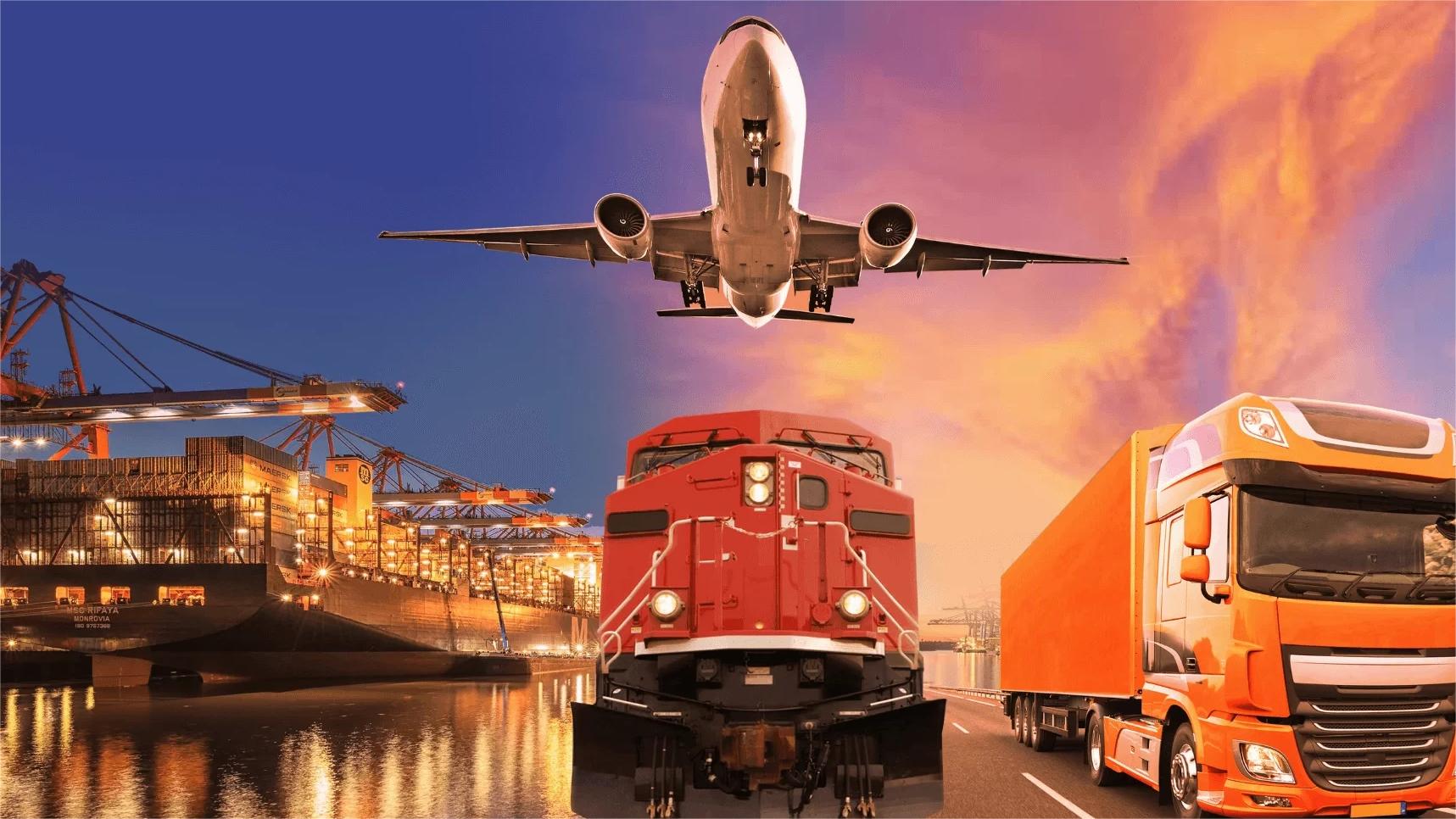
The best alternative depends on various factors, including cargo urgency, volume, and budget. Therefore, a comprehensive assessment of each option is crucial to make an informed decision. Hybrid solutions often present a balanced approach.
Air Freight for Urgent Shipments
For time-sensitive medical equipment, air freight is an indispensable solution, despite its higher cost. It significantly reduces transit times, often delivering cargo in days rather than weeks. This speed is critical for life-saving devices or urgent pharmaceutical components.
Many air cargo services offer specialized temperature-controlled environments, ensuring cold chain integrity. While more expensive, the cost is often justified by the urgency and value of the medical goods. This is a primary solution for expedited medical equipment delivery.
LCL Reefer Consolidation
If your medical equipment volume doesn’t justify a full FCL reefer, Less than Container Load (LCL) reefer consolidation is a viable option. In this scenario, your cargo shares space in a temperature-controlled container with other compatible shipments. This can be a more economical choice.
However, LCL reefer consolidation requires meticulous planning and coordination to ensure all cargo within the container maintains the correct temperature range. Partnering with a forwarder experienced in LCL cold chain shipping challenges is crucial. This approach can alleviate FCL reefer capacity issues for smaller volumes.
Hybrid Solutions: Sea-Air Combinations
Hybrid sea-air solutions offer a middle ground between the cost-effectiveness of sea freight and the speed of air freight. Cargo moves by sea for the initial leg and then switches to air freight for the final, faster transit. This can significantly reduce overall transit time compared to pure sea freight.
While not always suitable for the strictest cold chain requirements, it can work for medical equipment with a slightly wider temperature tolerance or those that can be re-iced during transfer. This strategy provides a flexible option for importing medical supplies from China when speed is a concern but budget is also tight.
How Does Reefer FCL Compare to Other Shipping Options?
Choosing the right shipping method for medical equipment from China to Florida involves balancing cost, speed, and specific cargo requirements. Understanding the trade-offs between reefer FCL and other alternatives is essential for effective logistics planning. Each option presents unique advantages and limitations.
The table below provides a comparative overview of common shipping methods. This helps in identifying the most suitable solution based on your operational needs and budget constraints. Consider your priorities carefully before making a decision.
| Shipping Method | Cost Range (per 40′ container equivalent) | Transit Time (China to Florida) | Best For | Limitations |
|---|---|---|---|---|
| Reefer FCL (Full Container Load) | $4,500 – $8,000 | 30-40 days | Large volumes of temperature-sensitive medical equipment; cost-effective for bulk | Slower transit, capacity shortages, port congestion risks |
| Reefer LCL (Less than Container Load) | $200 – $400 per CBM | 35-45 days | Smaller volumes of temperature-sensitive medical equipment; budget-conscious | Longer transit, potential for delays due to consolidation, less control over container |
| Air Freight (Temperature-Controlled) | $15,000 – $30,000 | 5-7 days | Urgent, high-value, or extremely time-sensitive medical equipment | Highest cost, volume/weight restrictions, environmental impact |
| Sea-Air Hybrid | $8,000 – $15,000 | 15-25 days | Medium urgency, high-value cargo where FCL is too slow and air is too expensive | Requires careful coordination, potential for temperature fluctuations during transfers |
Decision Framework: Which Option Should You Choose?
Selecting the optimal shipping solution for your medical equipment requires a structured approach. Your primary objectives, whether speed, cost, or specific cargo handling, will dictate the most appropriate method. Consider these factors to make an informed decision.
A reliable freight forwarder can help you navigate these choices. They offer expert advice tailored to your specific needs and current market conditions. This guidance is invaluable for maintaining efficient supply chain operations.
Budget Priority
If cost-effectiveness is your main concern and you have flexibility with delivery times, reefer FCL or LCL consolidation are generally the most economical options. These methods offer the lowest cost per unit for large volumes. However, be prepared for longer transit times.
For instance, for large, non-urgent orders of medical consumables, opting for sea freight in a reefer FCL is typically the most budget-friendly choice. This approach helps in managing overall shipping costs efficiently.
Speed Priority
When immediate delivery is critical for life-saving medical devices or time-sensitive research materials, air freight is the undisputed choice. While more expensive, the speed and reliability it offers are unmatched. It ensures your cargo reaches Florida in the shortest possible time.
Alternatively, a sea-air hybrid solution can provide a good balance if air freight is too costly but pure sea freight is too slow. This balances the need for speed with a more manageable budget. Consider this for urgent but not emergency shipments.
Cargo Type Considerations
The specific nature of your medical equipment heavily influences the shipping method. Products requiring strict, continuous temperature control, like certain vaccines or sensitive diagnostic kits, demand dedicated reefer FCLs or specialized air cargo services. Precision in temperature monitoring is key.
For robust medical devices that are less temperature-sensitive but still require protection, standard FCL dry containers might be sufficient if packaged correctly. Always verify compliance with relevant regulations for medical device logistics solutions. Customs brokerage services are also vital for specialized cargo.
Volume Thresholds for Switching Methods
The volume of your shipment is a critical factor in determining cost-efficiency. For shipments under 15 CBM, LCL reefer consolidation is often more economical than a full container. However, for anything above 15-20 CBM, a dedicated reefer FCL usually becomes the more cost-effective choice.
As a result, regularly evaluating your shipment volumes against current freight rates can help optimize your logistics strategy. This ensures you are always using the most appropriate and economical method for your importing medical supplies from China.
Navigating Customs and Compliance for Medical Equipment
Shipping medical equipment from China to Florida involves stringent customs regulations and compliance requirements. Ensuring all documentation is accurate and complete is paramount to avoid delays and penalties. Proper adherence to these rules guarantees a smooth import process.
Ignoring these critical steps can lead to significant disruptions in your supply chain. Therefore, partnering with a knowledgeable freight forwarder who specializes in customs brokerage for medical devices is highly recommended. They can help navigate the complexities of international trade laws.
Key Documentation Requirements
Importing medical equipment into the USA requires specific documentation. This includes commercial invoices, packing lists, bills of lading, and often Certificates of Origin. Additionally, FDA clearance is mandatory for most medical devices and pharmaceuticals.
Ensuring all documents are precisely aligned with your cargo and declared values is crucial. Inaccurate or incomplete paperwork can result in holds at customs, incurring demurrage and detention charges. A reliable freight forwarder will assist with preparing and submitting these critical forms.
Temperature Control and Monitoring
For temperature-sensitive medical equipment, maintaining the cold chain is non-negotiable. This involves continuous monitoring and precise temperature control throughout the entire transit, from the factory in China to the final destination in Florida. Data loggers are often used to record temperature fluctuations.
Furthermore, compliance with Good Distribution Practices (GDP) is essential. Your chosen logistics partner must demonstrate robust protocols for handling and transporting temperature-controlled cargo. Solutions for cold chain disruptions should also be in place.
Case Studies: Real-World Solutions
Examining real-world scenarios highlights how strategic planning and expert logistics can overcome the reefer FCL container shortage for medical equipment from China to Florida. These examples illustrate the practical application of various shipping strategies. Each case presents unique challenges and tailored solutions.
Based on current market rates and typical transit times as of early 2025, these case studies offer credible insights. They demonstrate the importance of flexibility and strong partnerships in a dynamic global supply chain environment. Note: Freight rates are subject to change based on fuel costs, carrier capacity, and seasonal demand. Contact us for a current quote tailored to your specific shipment.
Case Study 1: Urgent Vaccine Components
| Detail | Description |
|---|---|
| Route | Shanghai, China Miami, Florida, USA |
| Cargo | Vaccine components, 2 CBM, 350 kg |
| Container | Air Freight (Temperature-Controlled) |
| Shipping Details | Carrier/Service: Major airline cargo; Port of Loading: PVG; Port of Discharge: MIA; Route Type: Direct flight |
| Cost Breakdown | Air Freight: $9,500; Origin Charges: $450; Destination Charges: $300; Customs & Duties (estimated): $700; Total Landed Cost: $10,950 |
| Timeline | Booking to Loading: 2 days; Air Transit: 1 day; Customs Clearance: 1 day; Total Door-to-Door: 4 days |
| Key Insight | Due to extreme urgency and sensitivity, air freight was chosen despite higher cost. The rapid transit ensured product viability and met critical production timelines. This highlights the value of expedited medical equipment delivery. |
Case Study 2: High-Volume Diagnostic Kits
| Detail | Description |
|---|---|
| Route | Ningbo, China Port Everglades, Florida, USA |
| Cargo | Diagnostic test kits, 58 CBM, 12,000 kg |
| Container | 40HQ Reefer FCL |
| Shipping Details | Carrier/Service: COSCO; Port of Loading: Ningbo; Port of Discharge: Port Everglades; Route Type: Transshipment via Panama Canal |
| Cost Breakdown | Ocean Freight: $5,200; Origin Charges: $750; Destination Charges: $600; Customs & Duties (estimated): $1,200; Total Landed Cost: $7,750 |
| Timeline | Booking to Loading: 7 days; Sea Transit: 35 days; Customs Clearance: 3 days; Total Door-to-Door: 45 days |
| Key Insight | Despite reefer shortage, early booking and strong forwarder relationships secured a 40HQ FCL. Cost-effective for high volume, but required longer lead times. This demonstrates a successful reefer FCL container shortage solution. |
Case Study 3: Sensitive Pharmaceutical Raw Materials
| Detail | Description |
|---|---|
| Route | Shenzhen, China Tampa, Florida, USA |
| Cargo | Pharmaceutical raw materials, 18 CBM, 3,000 kg |
| Container | LCL Reefer Consolidation |
| Shipping Details | Carrier/Service: Maersk (LCL service); Port of Loading: Shenzhen; Port of Discharge: Tampa; Route Type: Transshipment via Houston |
| Cost Breakdown | Ocean Freight: $3,600; Origin Charges: $500; Destination Charges: $450; Customs & Duties (estimated): $800; Total Landed Cost: $5,350 |
| Timeline | Booking to Loading: 10 days; Sea Transit: 40 days; Customs Clearance: 4 days; Total Door-to-Door: 55 days |
| Key Insight | LCL reefer was ideal for this mid-volume, temperature-sensitive shipment when FCL was unavailable. Required careful consolidation and longer transit but offered a viable alternative. This showcases solutions for cold chain disruptions. |
Market Insights and Future Outlook
As of Q1 2025, freight rates from China to Florida for reefer containers have seen some stabilization after a volatile period in late 2024. However, capacity remains tight, especially for specialized equipment. Industry benchmarks indicate a continued need for strategic planning.
Market data suggests that seasonal patterns, such as the pre-Lunar New Year rush and Q3 peak season, will continue to impact reefer availability and pricing. Rates typically increase 15-25% during August-October. Therefore, proactive booking is always recommended for temperature-controlled shipping China Florida.
Partnering with a Specialist Forwarder
Engaging a reliable freight forwarder with extensive experience in cold chain logistics is paramount. A specialist can provide invaluable support in securing reefer FCL containers, navigating complex customs procedures, and offering alternative solutions. This partnership ensures peace of mind.
Top China Forwarder, for example, offers comprehensive door to door services, managing every aspect from origin to final delivery. Their expertise in medical device logistics solutions can significantly streamline your importing medical supplies from China. Such a partnership is a critical Reefer FCL container shortage solution for medical equipment from China to Florida.
Ensuring Seamless Medical Equipment Logistics
Navigating the complexities of the reefer FCL container shortage for medical equipment from China to Florida demands expertise and strategic foresight. By implementing proactive booking, exploring alternative shipping methods, and partnering with a specialized freight forwarder, businesses can overcome these challenges. Maintaining a robust and resilient supply chain is crucial for the healthcare sector.
Ultimately, a multi-pronged approach combining early planning, leveraging carrier relationships, and considering hybrid solutions offers the best path forward. This ensures the timely and compliant delivery of vital medical equipment, even amidst global logistical disruptions. A reliable Reefer FCL container shortage solution for medical equipment from China to Florida is within reach with the right partner.
Get Your Shipping Quote Today
Are you facing challenges with the reefer FCL container shortage for your medical equipment shipments from China to Florida? Contact us today for a tailored logistics solution. Our experts are ready to provide a competitive quote and ensure your critical cargo arrives safely and on time.
Request Quote