

Reefer FCL Sailing Schedule for Medical Equipment: China to New Jersey
Shipping sensitive medical equipment from China to New Jersey demands precise temperature control and a reliable logistics partner. Understanding the Reefer FCL sailing schedule for medical equipment from China to New Jersey is paramount for maintaining product integrity and meeting critical delivery timelines. This guide explores key considerations for transporting pharmaceuticals, biologics, and other temperature-sensitive goods. We aim to provide clarity on transit times, costs, and best practices for your cold chain supply chain.

What is Reefer FCL Shipping for Medical Equipment?
Reefer FCL refers to Full Container Load shipments using refrigerated containers. These specialized units maintain a consistent temperature range, crucial for transporting sensitive medical equipment, pharmaceuticals, and biologics. Consequently, they prevent spoilage or degradation during transit.
Specifically, medical equipment often requires precise environmental conditions, including temperature, humidity, and sometimes even light. Opting for FCL means your cargo occupies the entire container, thus minimizing handling and potential contamination risks. This dedicated space ensures maximum control over your valuable goods.
Furthermore, the journey from China to New Jersey involves significant ocean transit. Therefore, a robust cold chain solution like Reefer FCL is indispensable. It safeguards the efficacy and safety of life-saving products throughout their international voyage. This method is a cornerstone of modern medical supply chains.
Key Factors Influencing Your Reefer FCL Sailing Schedule
Several critical factors dictate the sea freight sailing schedule for medical equipment from China to New Jersey. Understanding these elements helps in planning and managing expectations. Ultimately, it ensures a smoother logistics process.
Firstly, the port of loading in China significantly impacts transit times. Major ports like Shanghai, Ningbo, Shenzhen, and Qingdao offer more frequent sailings and direct routes. Conversely, smaller ports might involve transshipment, adding days to the schedule. Selecting the right origin port is a strategic decision.
Secondly, the specific shipping line and service chosen play a vital role. Different carriers operate varying routes, speeds, and schedules. Some offer express services with fewer stops, while others prioritize cost-effectiveness with longer transit times. Always compare options for your specific needs.
Moreover, seasonal demand and global logistics trends can cause fluctuations. Peak seasons, such as before major holidays or during Q4, often lead to increased port congestion and potential delays. Additionally, unforeseen events like port strikes or adverse weather conditions can disrupt schedules. Staying informed is crucial.
Finally, regulatory compliance and customs clearance procedures also influence the overall timeline. Proper documentation and adherence to import regulations for medical equipment are essential. Delays at customs can significantly impact your delivery schedule. Therefore, meticulous preparation is key.
Typical Reefer FCL Sailing Schedules: China to New Jersey
The standard Reefer FCL sailing schedule for medical equipment from major Chinese ports to New Jersey’s Port Newark-Elizabeth Marine Terminal typically ranges from 30 to 38 days. This duration accounts for direct services from key manufacturing hubs. However, variations exist based on the specific origin and carrier.
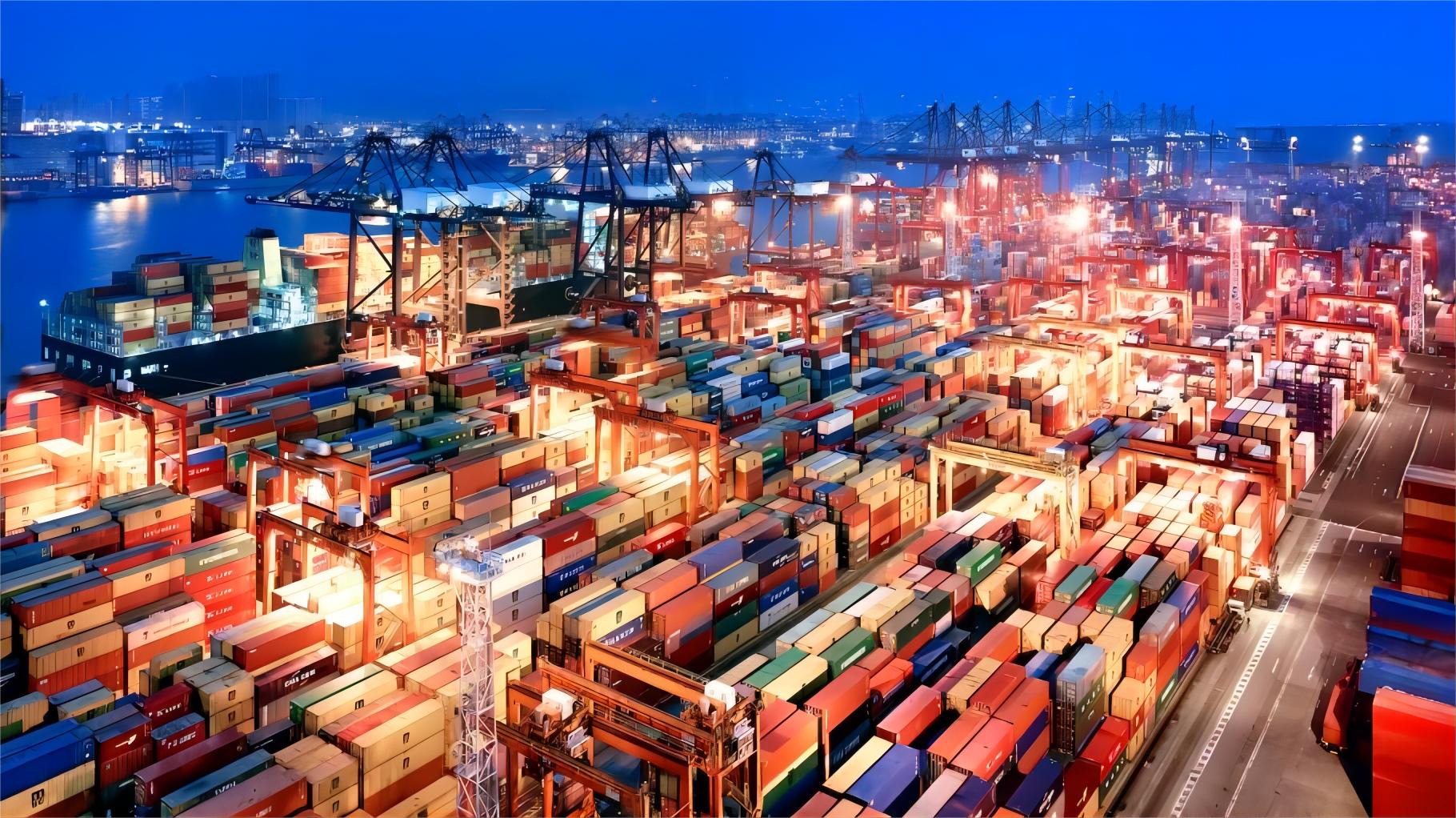
For instance, shipments from Shanghai or Ningbo often have more direct routes to the U.S. East Coast. This can result in transit times closer to the 30-day mark. Conversely, cargo originating from southern China, like Shenzhen, might take slightly longer, sometimes involving a transshipment. Carefully review your freight forwarder’s proposed North America shipping plan.
It is important to note that these figures represent ocean transit time only. Additional time is required for pre-loading preparations, vessel loading, customs clearance upon arrival, and final delivery. Therefore, a realistic door-to-door estimate should factor in these crucial stages. Plan for an additional 7-10 days for full door-to-door service.
Based on current market rates as of early 2025, a 40HQ reefer container from China to the USA East Coast (including New Jersey) generally costs between $4,500 and $6,000 for ocean freight. This rate is subject to change. Origin and destination charges, along with customs duties, will add to the total landed cost. Always obtain a current quote for precise planning.
| Origin Port (China) | Destination Port (NJ) | Typical Ocean Transit Time | Frequency | Estimated 40HQ Reefer Cost (Ocean Freight) |
|---|---|---|---|---|
| Shanghai | Port Newark-Elizabeth | 30-35 days | Weekly | $4,500 – $5,800 |
| Ningbo | Port Newark-Elizabeth | 30-36 days | Weekly | $4,600 – $5,900 |
| Shenzhen | Port Newark-Elizabeth | 32-38 days | Weekly | $4,700 – $6,000 |
| Qingdao | Port Newark-Elizabeth | 33-38 days | Weekly | $4,800 – $6,100 |
How Does Reefer FCL Compare to Other Shipping Options?
When importing medical equipment, understanding various shipping methods is crucial. Reefer FCL offers specific advantages, but alternative approaches might suit different needs. Comparing these options helps in making informed decisions for your supply chain.
Air freight is the fastest option for urgent medical supplies. While significantly quicker, air freight is also considerably more expensive. It provides rapid delivery, typically within 5-7 days from China to New Jersey. However, it’s generally reserved for high-value, small-volume, or time-critical shipments where cost is secondary to speed.
For smaller volumes of temperature-sensitive goods, Reefer LCL (Less than Container Load) is an alternative. This method allows multiple shippers to share space within a refrigerated container. While potentially more cost-effective for smaller consignments, it introduces more handling points and relies on consolidation. This can sometimes lead to minor delays or less direct control over the environment. Therefore, FCL is often preferred for sensitive medical products.
Considering the trade-offs, Reefer FCL strikes a balance between cost and control. It offers dedicated space and precise temperature management at a more economical rate than air freight. This makes it ideal for larger batches of medical equipment that require strict cold chain adherence but don’t demand immediate, next-day delivery. Ultimately, the best choice depends on your specific cargo, budget, and urgency.
Note: Freight rates are subject to change based on fuel costs, carrier capacity, and seasonal demand. Contact us for a current quote tailored to your specific shipment.
| Shipping Method | Cost Range (40HQ equivalent) | Transit Time (China to NJ) | Best For | Limitations |
|---|---|---|---|---|
| Reefer FCL (Full Container Load) | $4,500 – $6,000 (Ocean Freight) | 30-38 days (Ocean) | Large volumes, temperature-sensitive, cost-effective | Longer transit time |
| Reefer LCL (Less than Container Load) | $50 – $80 per CBM (Ocean Freight) | 35-45 days (Ocean) | Smaller volumes, temperature-sensitive, budget-conscious | More handling, potential for delays, less control |
| Air Freight (Temperature Controlled) | $15,000 – $25,000 (Equivalent volume) | 5-7 days | Urgent, high-value, small-volume, time-critical | Very high cost, limited capacity for very large items |
Which Option Should You Choose?
Selecting the right shipping method depends heavily on your priorities. Budget, urgency, and the nature of your medical equipment are key decision factors. Evaluate these elements carefully to optimize your logistics strategy.
If budget is your primary concern for large volumes, Reefer FCL is usually the most cost-effective. It offers significant savings compared to air freight. However, you must account for the longer transit time. This method is suitable for planned, recurring shipments.
When speed is paramount, especially for emergency medical supplies or clinical trial materials, air freight is indispensable. Despite the higher cost, its rapid delivery ensures critical timelines are met. Choose this for time-sensitive cargo where delays are unacceptable.
For cargo requiring precise temperature control and minimal handling, regardless of volume, Reefer FCL is often preferred. The dedicated container provides an environment you can control. This minimizes risks associated with shared space or multiple transfers. This is especially true for biologics or delicate instruments.
Navigating Customs and Regulations for Medical Equipment Imports
Importing medical equipment into the U.S. requires navigating a complex web of regulations. Proper customs brokerage is essential to avoid delays and ensure compliance. The FDA (Food and Drug Administration) plays a significant role in this process. Consequently, understanding their requirements is paramount.
All medical devices and pharmaceuticals must meet FDA standards for safety and efficacy. This often involves specific labeling, registration, and pre-market clearance. Therefore, working with experienced customs brokers who specialize in medical imports is highly recommended. They can guide you through the intricate documentation.
Key documents typically include commercial invoices, packing lists, bills of lading, and FDA declarations. Additionally, certificates of analysis and temperature logs are crucial for reefer shipments. Any discrepancies can lead to cargo detention, fines, or even refusal of entry. Diligent preparation is non-negotiable for smooth import.
Moreover, proper Harmonized Tariff Schedule (HTS) classification is vital for accurate duty calculation. Misclassification can result in penalties. A knowledgeable customs broker helps ensure correct coding, thereby streamlining the clearance process. This attention to detail safeguards your investment and delivery timeline.
Optimizing Your Cold Chain Logistics: Best Practices
Maintaining the integrity of your medical equipment during transit requires meticulous cold chain management. Adopting best practices ensures consistent temperature control from origin to final destination. This proactive approach minimizes risks and protects product quality.
Firstly, thorough pre-cooling of reefer containers is indispensable. The container must reach the target temperature before loading the medical equipment. This prevents temperature fluctuations during the critical loading phase. Always verify the pre-cooling process with your logistics provider.
Secondly, invest in reliable temperature monitoring devices. Data loggers inside the reefer container provide continuous temperature readings throughout the journey. This offers critical insights and a verifiable record of temperature adherence. Such documentation is often required for compliance.
Furthermore, choose a logistics partner experienced in handling sensitive medical cargo. Their expertise in reefer operations, documentation, and contingency planning is invaluable. A seasoned partner can anticipate challenges and implement effective solutions. They are crucial for a seamless door to door delivery.
Lastly, comprehensive risk management strategies are vital. This includes contingency plans for potential disruptions, such as port delays or equipment malfunctions. Having backup solutions and clear communication protocols ensures swift action. Ultimately, this mitigates potential damage to your valuable medical equipment.
Real-World Reefer FCL Case Studies
Examining actual shipping scenarios provides practical insights into the complexities and successes of Reefer FCL operations. These case studies highlight the importance of meticulous planning and expert execution. They demonstrate how to effectively manage the Reefer FCL sailing schedule for medical equipment from China to New Jersey.
Case Study 1: Biologics Shipment from Shanghai to New Jersey
This scenario involved a critical shipment of biologics requiring a precise temperature range of 2-8°C. The client needed to ensure cold chain integrity for a new clinical trial. Expedited customs clearance was also a key requirement due to the time-sensitive nature of the research materials.
| Detail | Description |
|---|---|
| Route | Shanghai, China -> Port Newark-Elizabeth, USA |
| Cargo | Biologics (vaccine components), 25 CBM, 4,500 kg |
| Container | 1 x 40HQ Reefer, set to 4°C |
| Shipping Details | Carrier: COSCO, Service: Direct, Port of Loading: Shanghai, Port of Discharge: Port Newark-Elizabeth |
| Cost Breakdown | Ocean Freight: $5,200; Origin Charges: $450; Destination Charges: $600; Customs & Duties (estimated): $800; Total Landed Cost: $7,050 |
| Timeline | Booking to Loading: 3 days; Sea Transit: 32 days; Customs Clearance: 2 days; Total Door-to-Door: 38 days |
| Key Insight | Pre-booking reefer space 3 weeks in advance secured optimal sailing. Real-time temperature monitoring provided critical data for regulatory compliance. Based on Q1 2025 market rates. |
Case Study 2: Diagnostic Kits from Shenzhen to New Jersey
A pharmaceutical company needed to import a large volume of diagnostic kits. These kits required a controlled temperature of 15-25°C to maintain stability. The challenge was managing cost while ensuring consistent transit times for regular replenishment of inventory.
| Detail | Description |
|---|---|
| Route | Shenzhen, China -> Port Newark-Elizabeth, USA |
| Cargo | Diagnostic Kits, 55 CBM, 7,000 kg |
| Container | 2 x 40HQ Reefer, set to 20°C |
| Shipping Details | Carrier: MSC, Service: Transshipment via Busan, Port of Loading: Shenzhen, Port of Discharge: Port Newark-Elizabeth |
| Cost Breakdown | Ocean Freight: $9,800 ($4,900/container); Origin Charges: $900; Destination Charges: $1,200; Customs & Duties (estimated): $1,500; Total Landed Cost: $13,400 |
| Timeline | Booking to Loading: 5 days; Sea Transit: 36 days; Customs Clearance: 3 days; Total Door-to-Door: 44 days |
| Key Insight | Choosing a transshipment route offered a slight cost saving, but added 4 days to transit. Regular communication with the carrier was key to tracking container movements. Typical rates as of early 2025. |
Case Study 3: Medical Devices from Qingdao to New Jersey
This case involved specialized medical devices that, while not strictly requiring deep freeze, needed protection from extreme heat fluctuations. Maintaining a stable ambient temperature was crucial to prevent material degradation. The client sought a reliable partner for ongoing shipments.
| Detail | Description |
|---|---|
| Route | Qingdao, China -> Port Newark-Elizabeth, USA |
| Cargo | Medical Imaging Devices, 28 CBM, 6,000 kg |
| Container | 1 x 40HQ Reefer, set to 20°C (controlled ambient) |
| Shipping Details | Carrier: Maersk, Service: Direct, Port of Loading: Qingdao, Port of Discharge: Port Newark-Elizabeth |
| Cost Breakdown | Ocean Freight: $5,500; Origin Charges: $500; Destination Charges: $700; Customs & Duties (estimated): $950; Total Landed Cost: $7,650 |
| Timeline | Booking to Loading: 4 days; Sea Transit: 34 days; Customs Clearance: 2 days; Total Door-to-Door: 40 days |
| Key Insight | Direct service minimized handling and transit risk. Proactive communication with the destination port ensured quick drayage. Market data suggests these rates are stable for Q1 2025. |
Market Insights and Future Trends in Cold Chain Logistics
The global cold chain logistics market, particularly for medical equipment, is continually evolving. Recent years have seen increased demand and new challenges. Understanding these trends is key to future-proofing your supply chain strategy.
As of Q1 2025, freight rates from China to the USA East Coast have generally stabilized. This follows periods of volatility influenced by factors like the Red Sea disruptions and port congestion. However, seasonal increases, particularly during peak shipping seasons (August-October), remain a consistent factor. Budget accordingly for these predictable fluctuations.
Technological advancements are also transforming cold chain management. Real-time GPS tracking and IoT-enabled sensors provide unprecedented visibility into cargo conditions. These tools allow for immediate intervention if temperature excursions occur. Investing in such technologies can significantly enhance reliability.
Furthermore, regulatory bodies are implementing stricter compliance standards for medical imports. This emphasizes the need for robust documentation and transparent processes. Freight forwarders must adapt to these evolving requirements. This ensures seamless international trade for sensitive goods.
Ultimately, the trend points towards more resilient, transparent, and technologically integrated cold chain solutions. Partnering with a forward-thinking logistics provider is crucial. This will help navigate these complexities and maintain a competitive edge. It ensures the safe and timely delivery of your medical equipment.
Conclusion: Securing Your Medical Equipment Shipments
Navigating the complexities of the Reefer FCL sailing schedule for medical equipment from China to New Jersey requires expertise and meticulous planning. From understanding transit times to managing customs and optimizing cold chain integrity, each step is vital. Partnering with a knowledgeable freight forwarder ensures compliance and efficiency.
By considering all factors, including port selection, carrier services, and regulatory requirements, you can establish a robust supply chain. This proactive approach minimizes risks and safeguards your valuable medical products. Ultimately, reliable logistics are indispensable for the healthcare industry. Ensure your medical equipment arrives safely and on schedule.
Ready to streamline your logistics?
Ready to secure your Reefer FCL sailing schedule for medical equipment from China to New Jersey? Contact our experts today for a personalized quote and tailored logistics solutions. We ensure the integrity and timely delivery of your critical cargo.
Request Quote